Artwork
Robert Dudley, Earl of Leicester
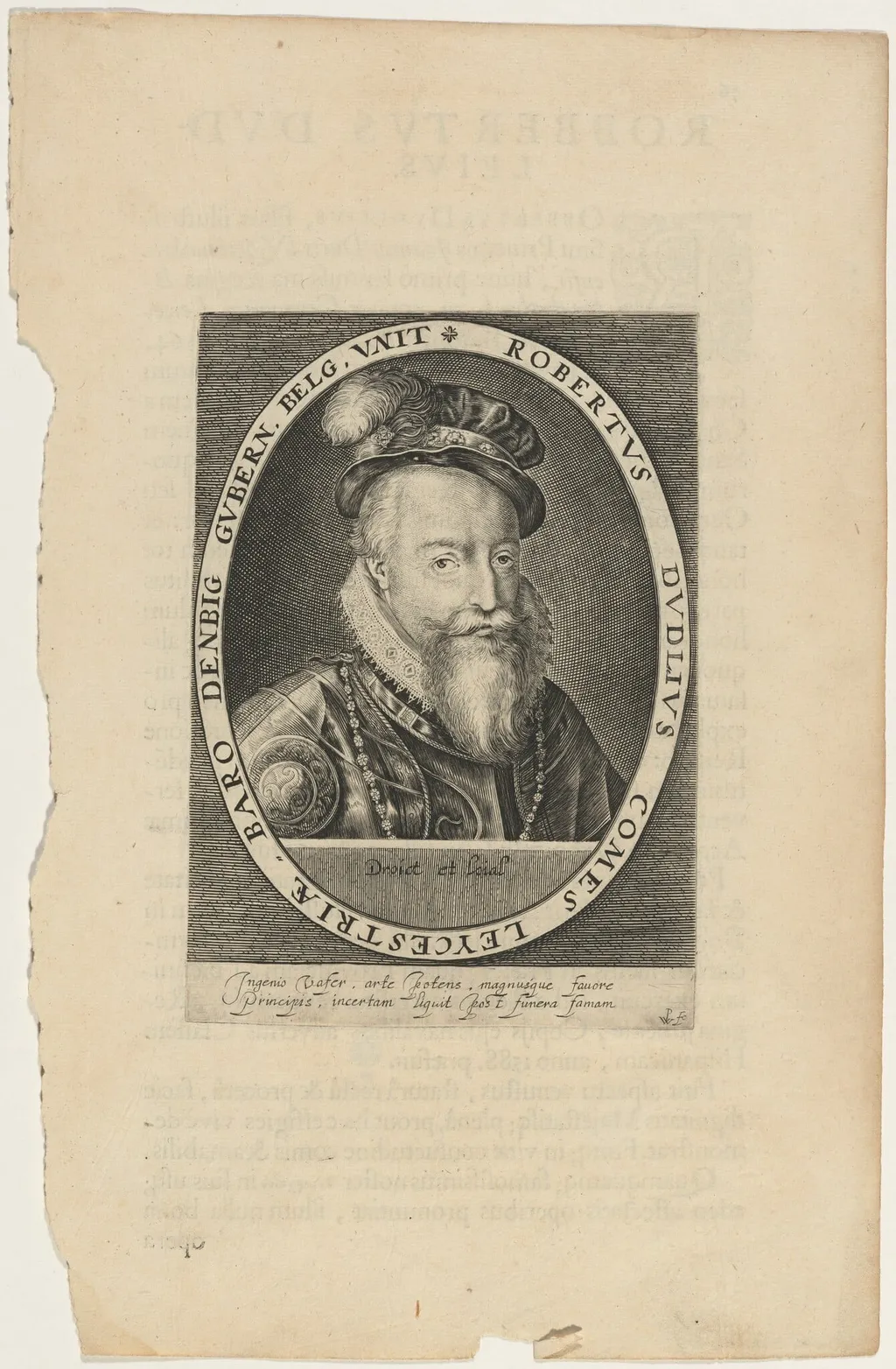
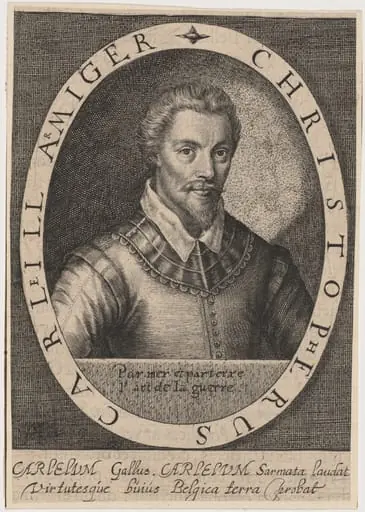
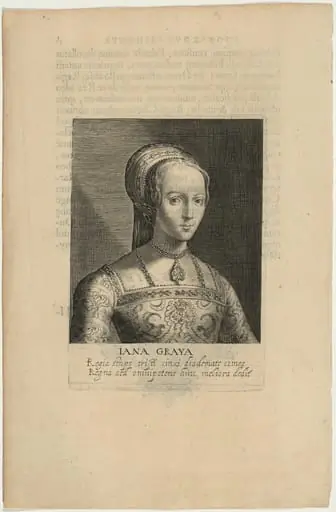
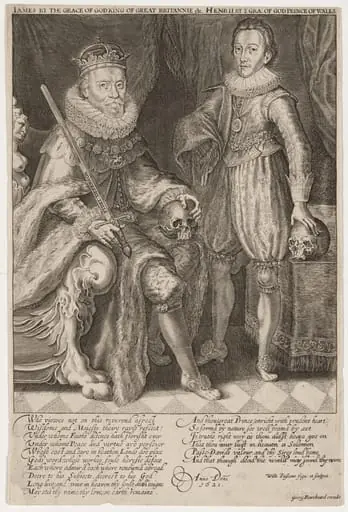
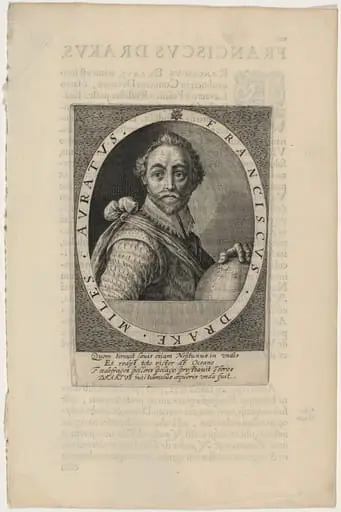
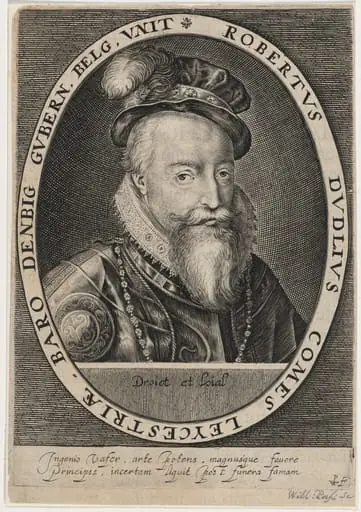
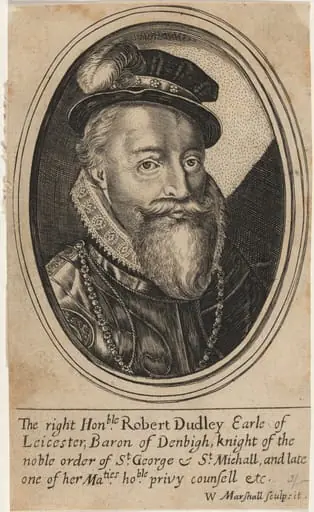
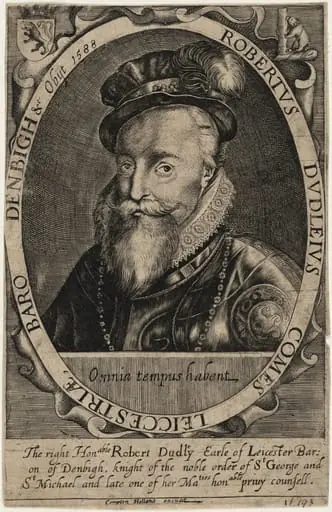
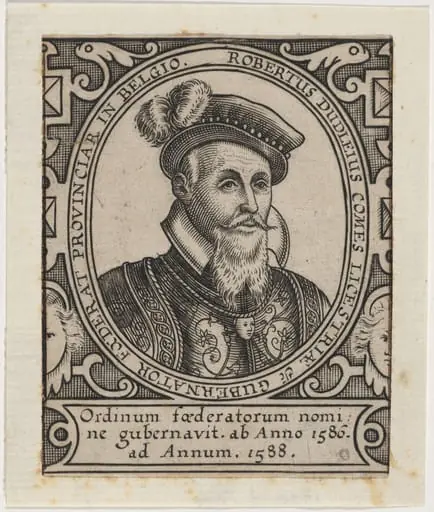
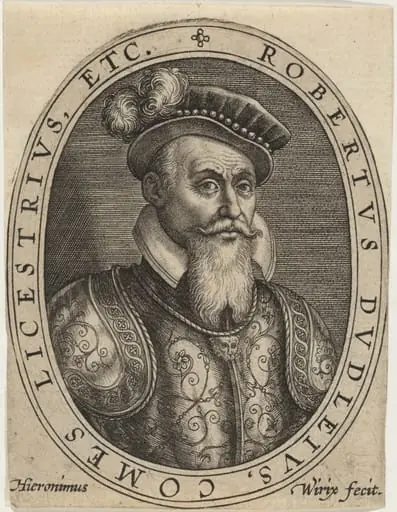
Robert Dudley, Earl of Leicester is an ink print by the Baroque artist Willem de Passe. It dates from 1620 and is held in the collection of the National Gallery of Art.
About this work
Overview
Rendered in monochrome, the image focuses on the sitter’s dignified bearing, highlighted by a side-lit face that accentuates his long beard and moustache.
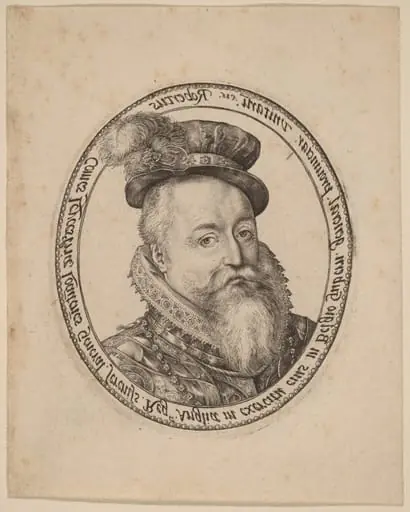
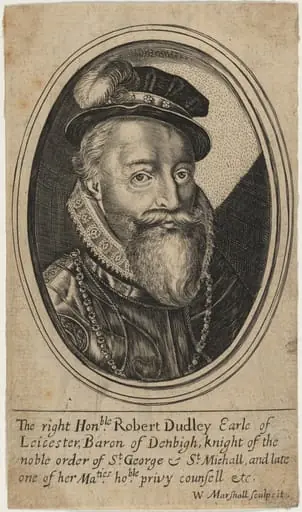
Willem de Passe’s 1620 engraving presents Robert Dudley, Earl of Leicester, in a formal portrait. Rendered in monochrome, the image focuses on the sitter’s dignified bearing, highlighted by a side-lit face that accentuates his long beard and moustache. The composition is set against a dark background, drawing attention to the intricate detailing of his attire and the subtle modeling of his features.
Subject & Meaning
The portrait identifies the subject as Robertus Comes Leycester, the Latinized title for Robert Dudley, a prominent English nobleman and courtier of the Elizabethan era. The inclusion of a feathered hat, ornamental chain, and elaborate clothing conveys his high social rank and the ceremonial aspects of his public persona, reflecting the status symbols associated with aristocratic identity in early‑17th‑century England.
Technique & Style
Executed with fine, parallel lines typical of early modern engraving, de Passe achieves a textured surface that models light and shadow across the figure. The meticulous hatching creates depth, particularly in the side illumination of the face, while the crisp line work defines the ornamental details of the hat and chain. The overall aesthetic balances realism with the stylized conventions of portrait prints of the period.
History & Provenance
Created in 1620, the print belongs to the body of work produced by the Dutch engraver Willem de Passe, who was active in England and known for his portraiture of notable figures. While the original plate’s ownership history is not fully documented, prints of this image have circulated in collections of early modern English portraiture, serving as visual records of Dudley’s public image after his death in 1588.
Artist & collection