Artwork
Henry III of England
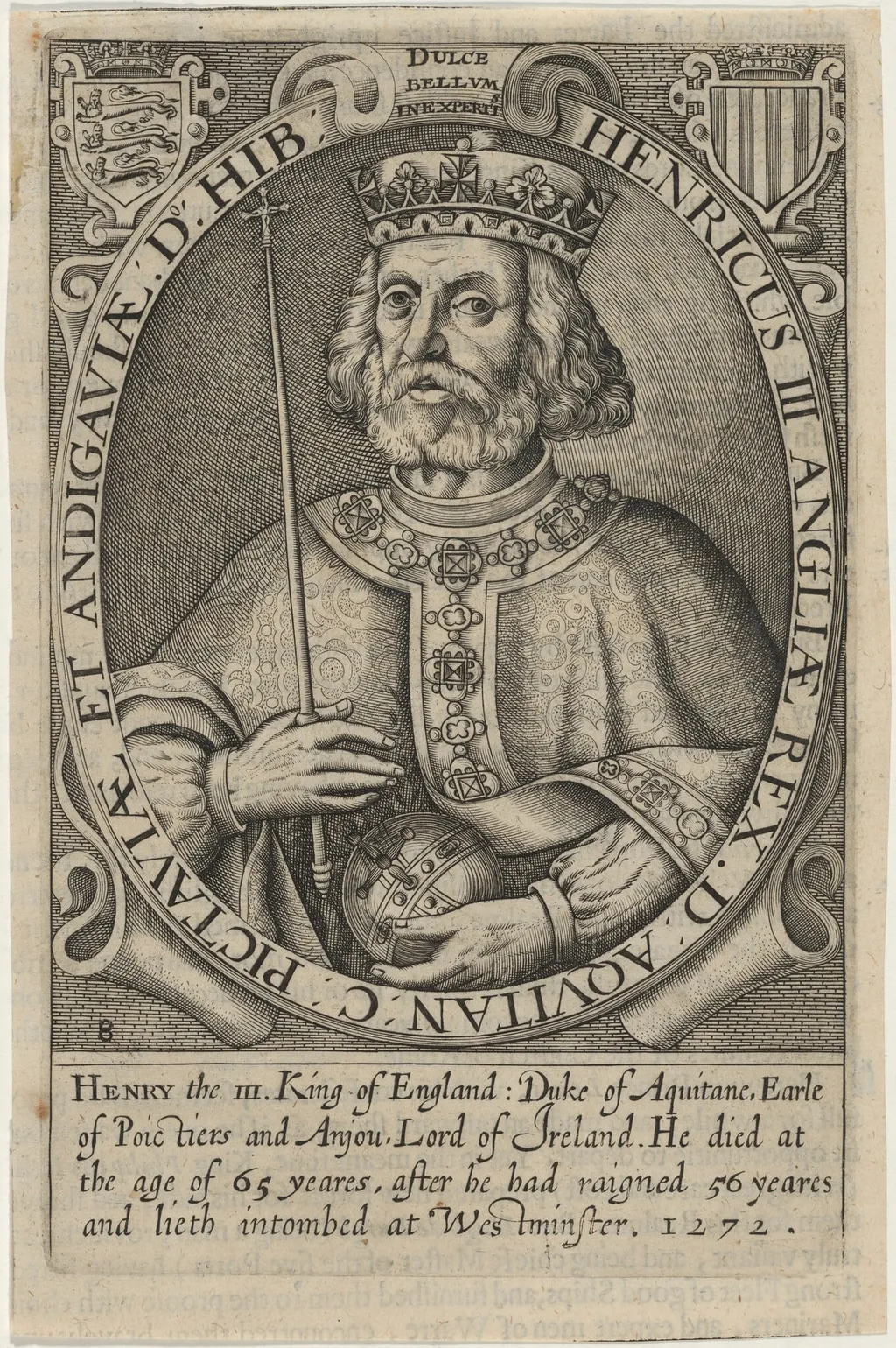
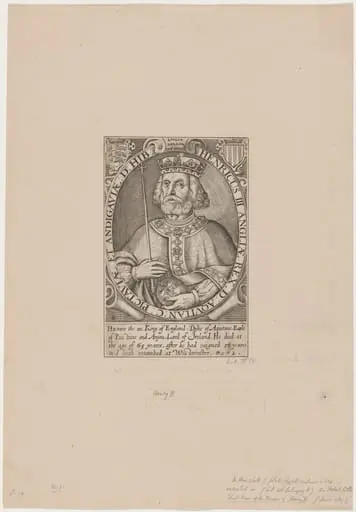
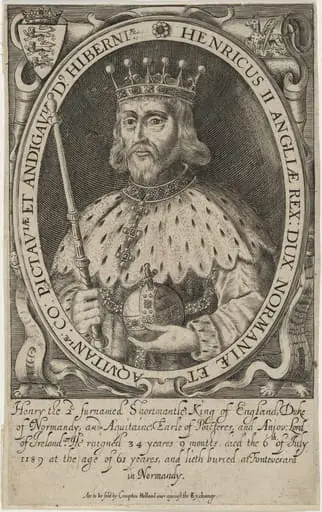
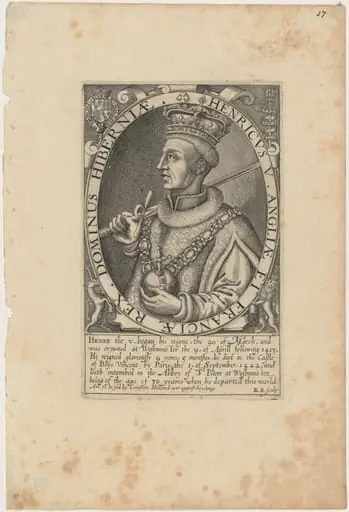
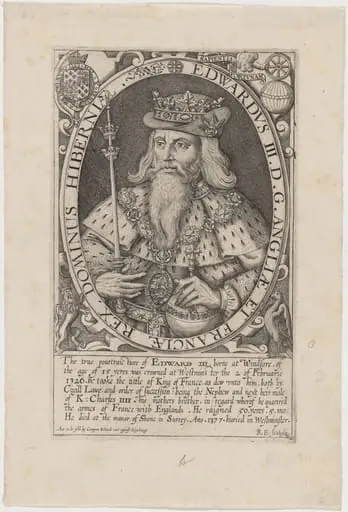
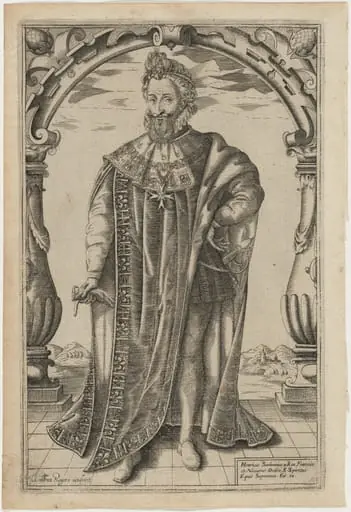
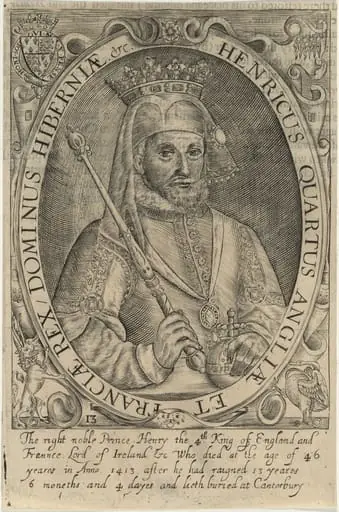
Henry III of England is an ink print by the Renaissance artist Renold Elstrack. It dates from 1598 and is held in the collection of the National Gallery of Art.
About this work
Overview
The work reflects the technical precision required in copperplate engraving, a method that demanded meticulous handwork to translate form into fine lines.
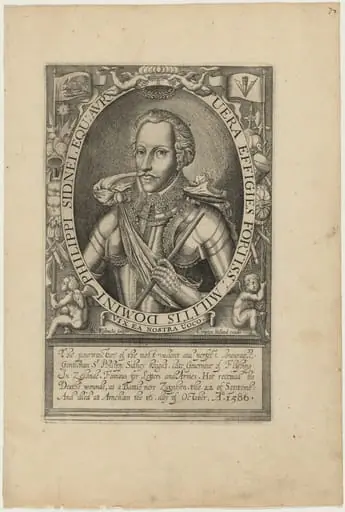
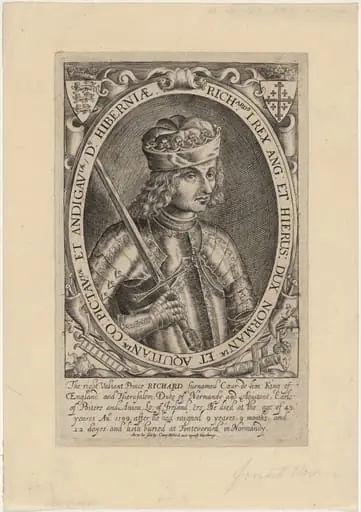
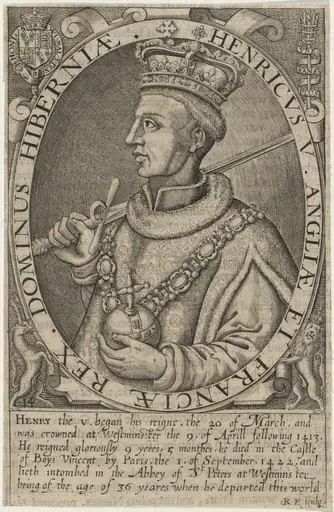
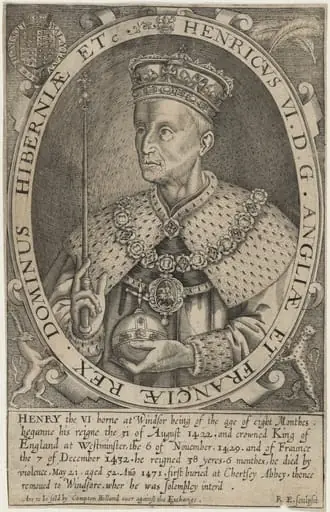
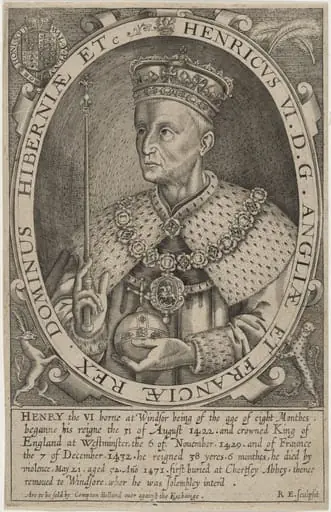
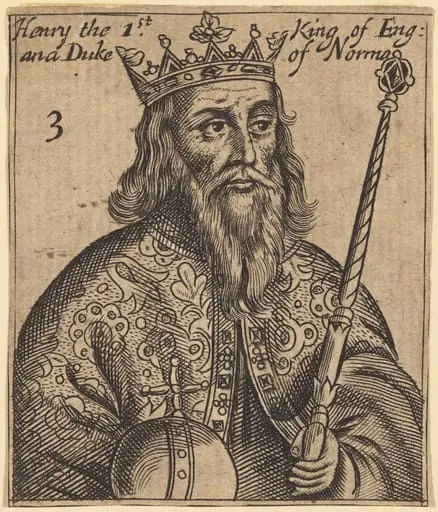
This engraving, produced in 1598 by Renold Elstrack, portrays Henry III, King of England from 1216 to 1272. Created as a printed image rather than a painted portrait, it belongs to a tradition of early modern printmaking used to disseminate royal likenesses. The work reflects the technical precision required in copperplate engraving, a method that demanded meticulous handwork to translate form into fine lines.
Subject & Meaning
The portrait presents Henry III in formal regalia, emphasizing his status as monarch. His expression is composed, his attire detailed with embroidery and fur trim, signaling authority and tradition. Though not a contemporary likeness—Henry lived over three centuries earlier—the image served to reinforce royal lineage and continuity during the Tudor and early Stuart periods, when historical figures were often depicted to legitimize contemporary rule.
Technique & Style
Elstrack used copperplate engraving, incising lines into a metal surface with a burin to create the image. Ink was pressed into these grooves, then transferred onto paper under pressure. The fine, controlled lines capture texture in fabric and subtle contours of the face, demonstrating the artist’s skill in rendering detail without shading. This method favored clarity and precision over atmospheric effect, typical of Northern European printmaking of the era.
History & Provenance
Created in 1598, the engraving was likely made for distribution among the English elite or as part of a series of royal portraits. Elstrack, one of England’s first professional engravers, produced several such images under royal patronage. While the original plate’s later history is unclear, surviving impressions are held in institutional collections, including the British Museum, indicating its early archival value.
Context
In late 16th-century England, printed portraits of past monarchs gained popularity amid growing interest in national history and identity. Elstrack’s work aligned with a broader trend of using print to visually anchor the Tudor dynasty’s legitimacy through ancestral imagery. Unlike painted portraits, engravings could be reproduced, making royal iconography more widely accessible to literate audiences beyond the court.
Legacy
Elstrack’s engraving of Henry III remains one of the earliest printed representations of the king, contributing to the visual record of English monarchy. Though not artistically innovative, its technical competence and historical intent influenced later portrait engravers. The image persists in scholarly and museum contexts as an example of how early modern print culture shaped perceptions of medieval rulers.
Artist & collection