Artwork
Christian IV of Denmark
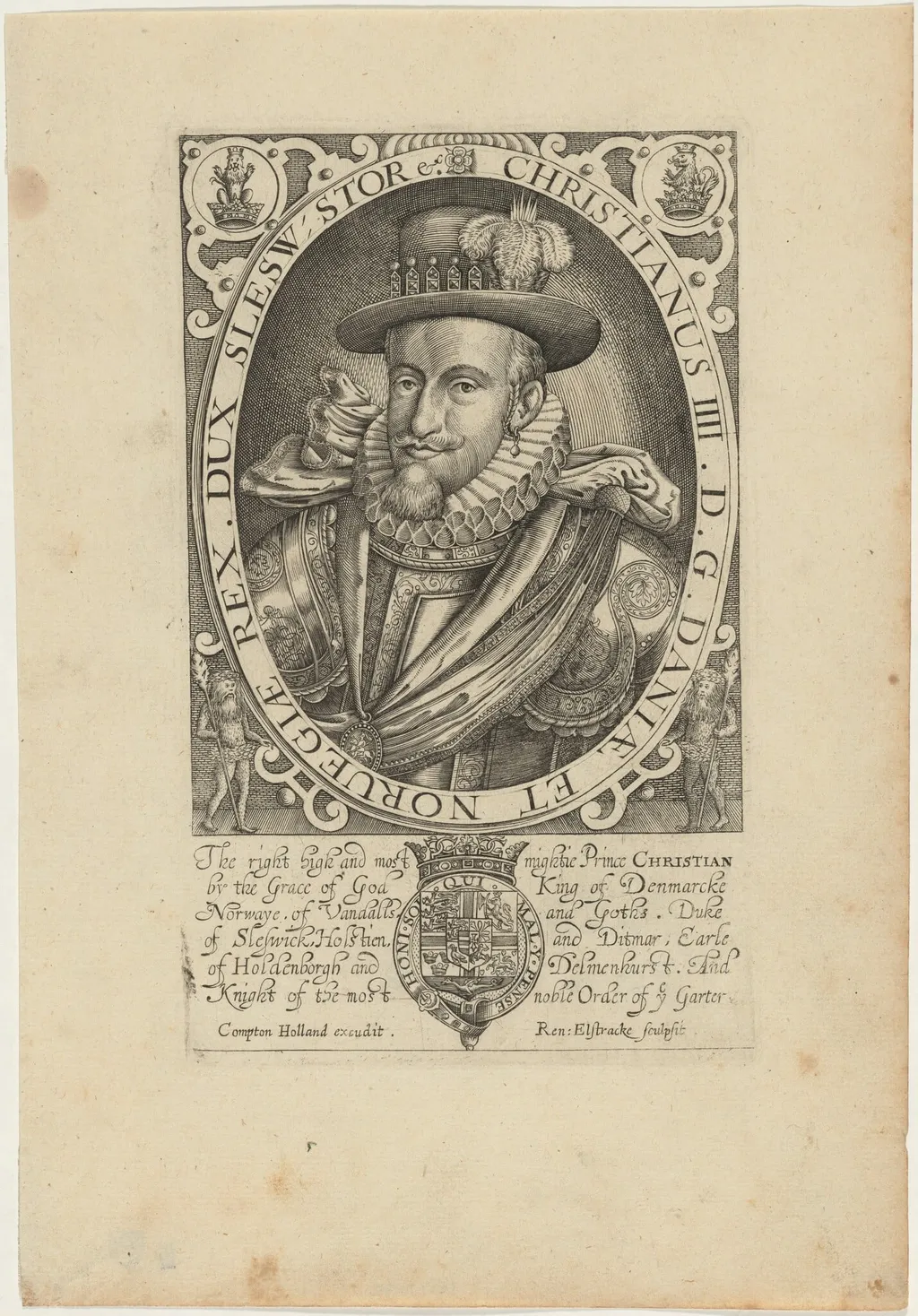
Christian IV of Denmark is an ink print by the Renaissance artist Renold Elstrack. It dates from 1598 and is held in the collection of the National Gallery of Art.
About this work
Overview
The composition is framed by ornamental borders containing heraldic symbols and royal titles, reinforcing the subject’s political status.
This black-and-white engraving, produced in 1598 by Renold Elstrack, depicts Christian IV of Denmark in formal regalia. Executed with fine linear precision typical of late 16th-century printmaking, the portrait emphasizes the monarch’s authority through detailed rendering of clothing and insignia. The composition is framed by ornamental borders containing heraldic symbols and royal titles, reinforcing the subject’s political status.
Subject & Meaning
Christian IV is portrayed as a sovereign vested with multiple titles, including King of Denmark and Duke of Holstein, inscribed along the border. His fur-lined robe, heavy chain of office, and raised hand holding a small object suggest ceremonial authority. The inclusion of crowns and shields in the margin functions as a visual catalog of his domains, transforming the portrait into a statement of dynastic power rather than a mere likeness.
Technique & Style
Elstrack employed the engraving technique, incising fine lines into a copper plate to create tonal variation and texture. The beard, fabric folds, and chain are rendered with meticulous cross-hatching, while the background remains minimal to focus attention on the figure. The decorative border, filled with symbolic motifs and Latin inscriptions, reflects the Northern European tradition of combining portraiture with heraldic documentation.
History & Provenance
Created in 1598, the engraving was likely produced for diplomatic or commemorative purposes, circulating among European courts to affirm Christian IV’s status. As one of the earliest engraved portraits of the Danish king, it may have served as a model for later reproductions. Its survival in multiple institutional collections suggests it was widely distributed and valued as a reliable image of royal authority.
Context
In the late 1500s, engraved portraits were essential tools for rulers to project power beyond their immediate territories. Christian IV, newly ascended to the throne, needed to assert legitimacy amid regional tensions. Elstrack, an English engraver active on the continent, bridged artistic traditions, making this work part of a broader network of printed imagery used to shape political perception across Europe.
Legacy
The engraving remains a key visual record of Christian IV’s early reign, offering insight into how monarchs used print media to communicate sovereignty. Its formal structure influenced subsequent royal portraiture in Scandinavia, and its preservation in major collections underscores its role as a historical document as much as an artistic object.
Artist & collection

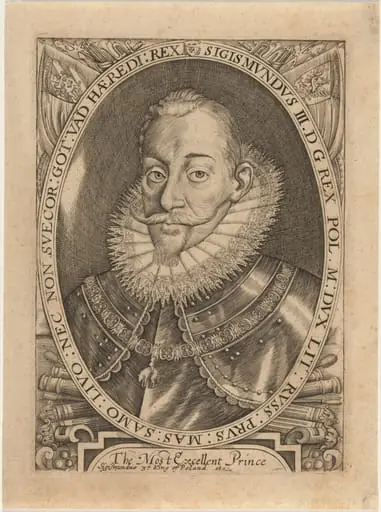 Sigismund III, King of Poland and Sweden
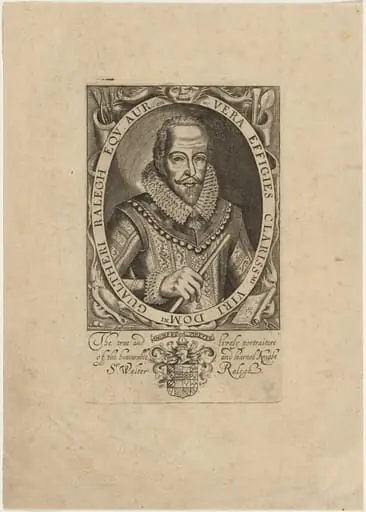 Sir Walter Raleigh
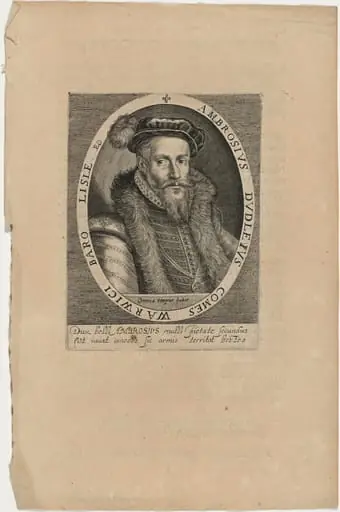 Ambrose Dudley, Earl of Warwick
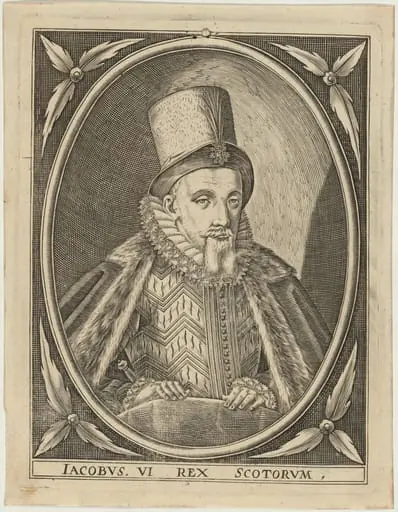 James VI, King of Scotland
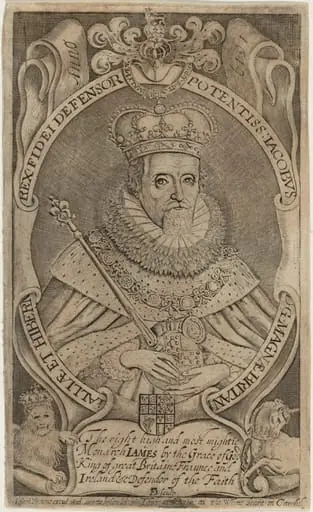 James I
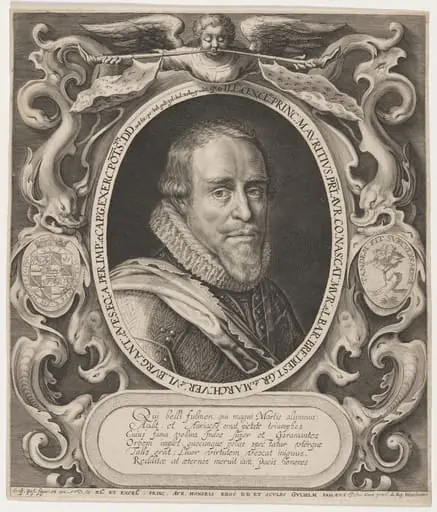 Maurice of Nassau, Prince of Orange
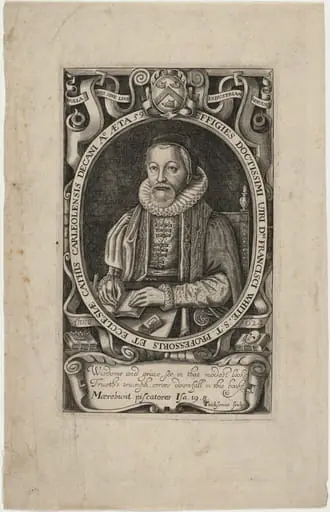 Francis White, Bishop of Ely
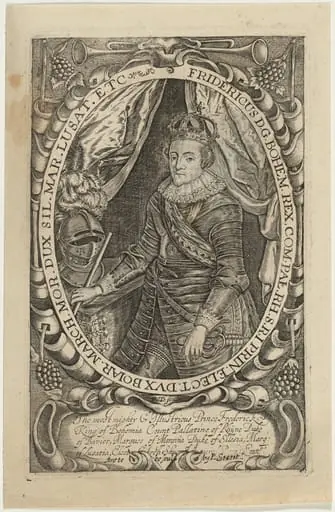 Fredericus D.G. Bohem. Rex (Frederick V, Kingof Bohemia)
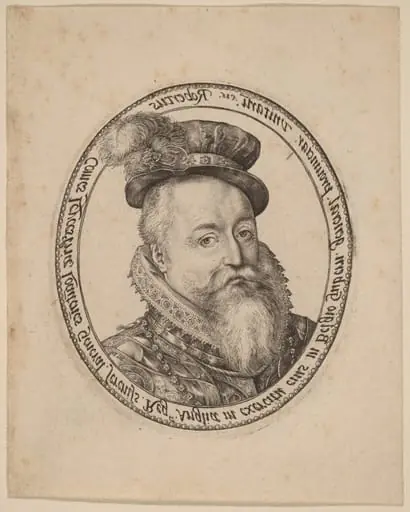 Robert Dudley, Earl of Leicester
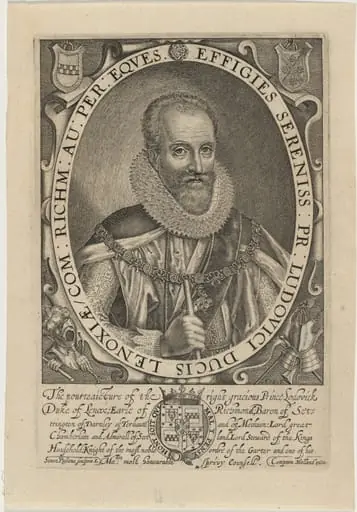 Ludovic Stuart, Duke of Lennox and Richmond
 Henry IV
 James I, King of England