Artwork
Saint Ignatius de Loyola
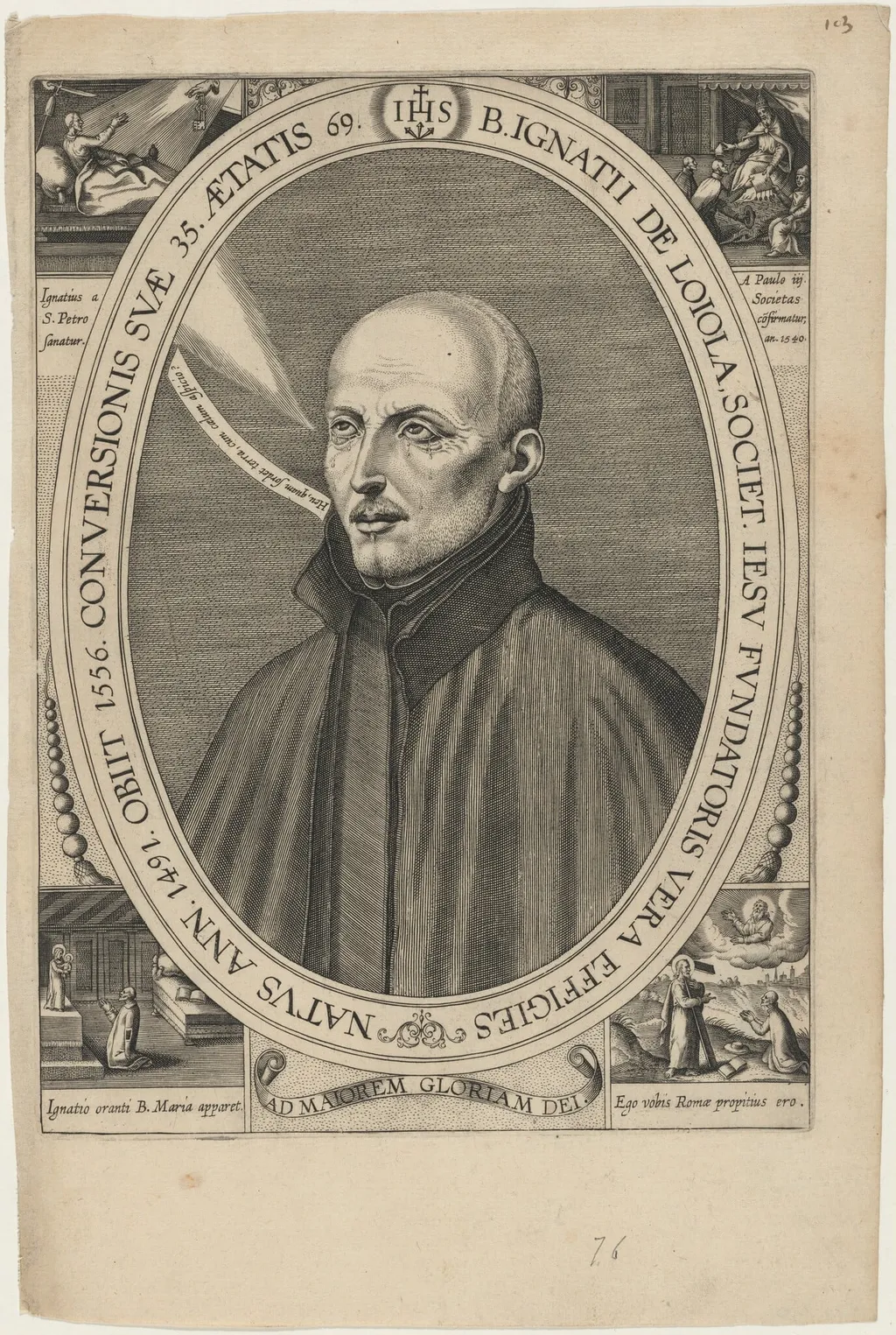
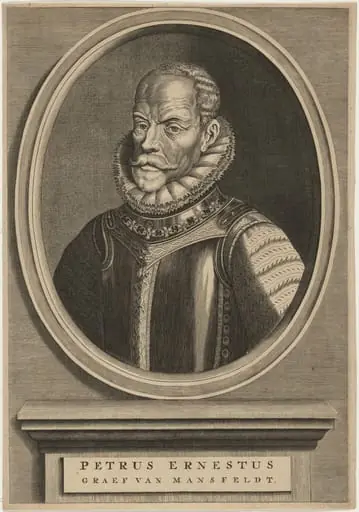
Saint Ignatius de Loyola is an ink print by the Romanticist artist Unknown 19th Century. It dates from 1850 and is held in the collection of the National Gallery of Art.
About this work
Overview
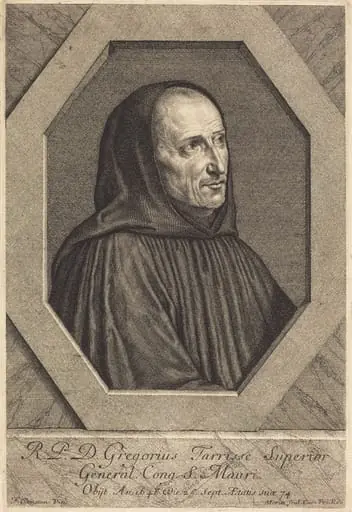
This black‑and‑white engraving depicts Saint Ignatius de Loyola, presented as a solemn figure with a cleanly shaven head and a high, stiff collar. He is enclosed within a circular frame that bears a Latin inscription, while four diminutive vignettes surround the perimeter, each illustrating a separate religious episode in a dynamic pose.
Subject & Meaning
The central portrait emphasizes Ignatius’s contemplative authority, a visual cue to his role as founder of the Jesuit order. The surrounding scenes, though small, allude to pivotal moments in his spiritual journey—such as his conversion, missionary work, and martyrdom—providing a narrative context that reinforces his sanctified legacy.
Technique & Style
Executed as an engraving, the image relies on fine incised lines to render tonal contrast and texture, especially in the facial features and the intricate border. The crisp delineation of the high collar and the dramatic gestures in the peripheral vignettes reflect the Baroque penchant for chiaroscuro and emotive movement within a restrained monochrome palette.
Context
Created during a period when printed devotional images circulated widely, this work served both as a didactic tool and a means of venerating Ignatius. The inclusion of Latin text and illustrative episodes aligns with Counter‑Reformation strategies to educate the faithful through accessible visual media.
Artist & collection

Artist