Artwork
David Baker
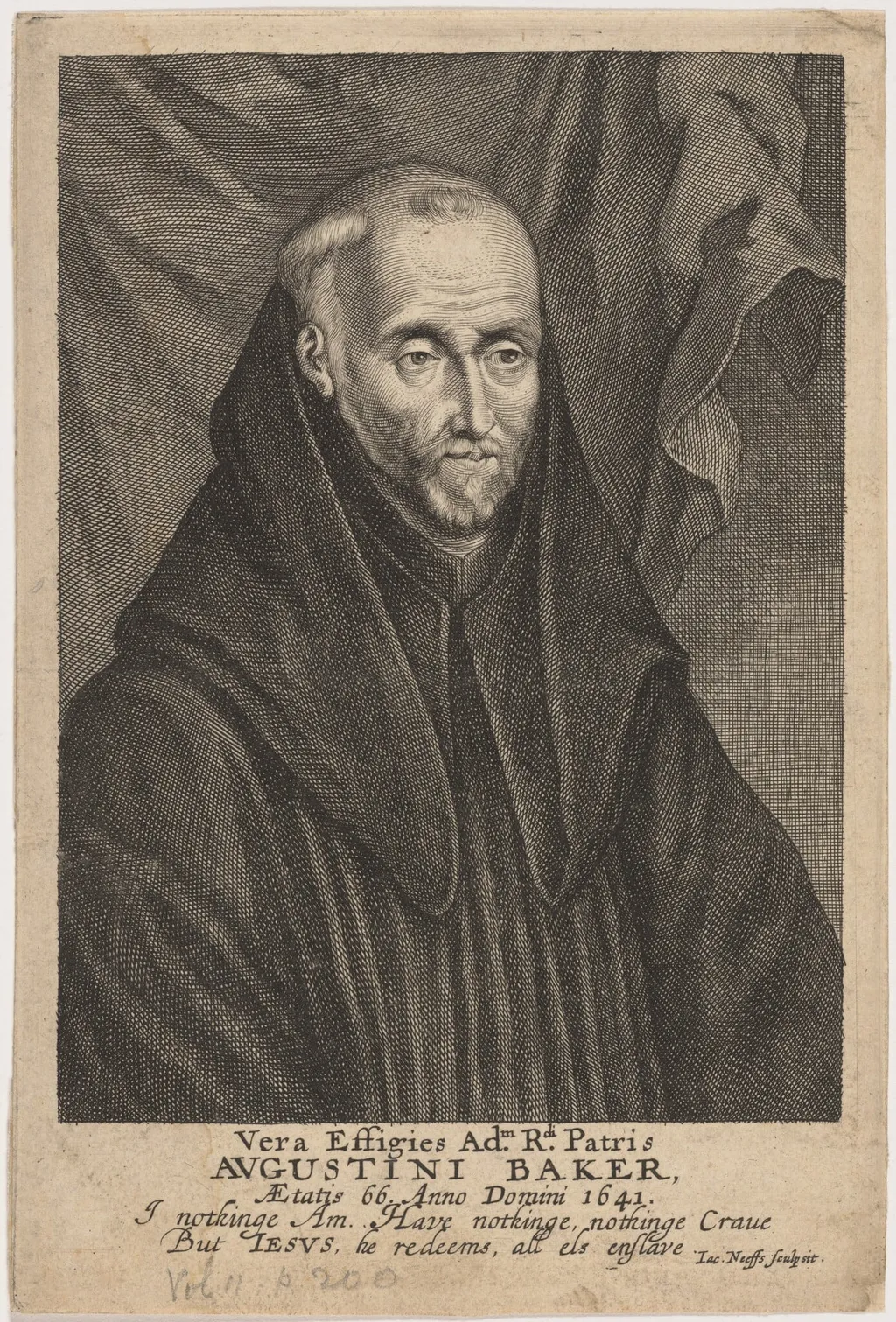
David Baker is an ink print by the Baroque artist Jacobus Neeffs. It dates from 1641 and is held in the collection of the National Gallery of Art.
About this work
Overview
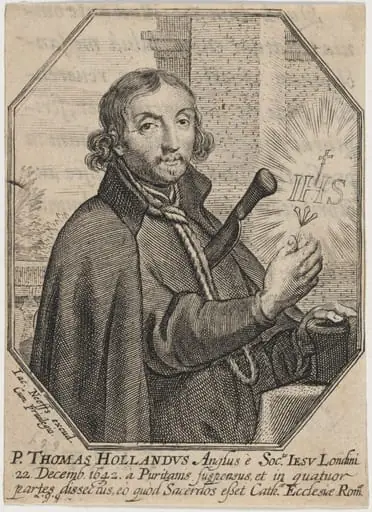
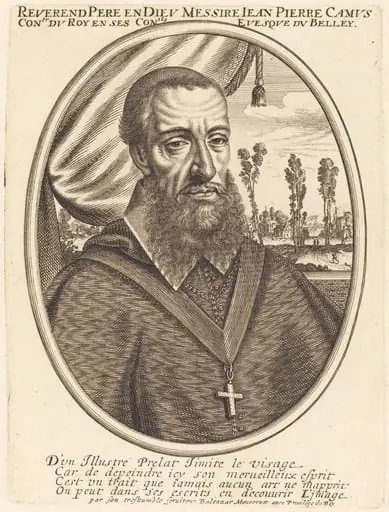
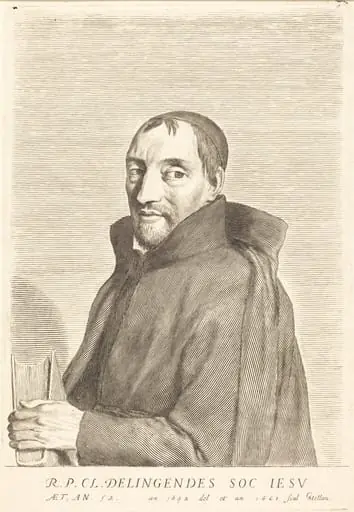
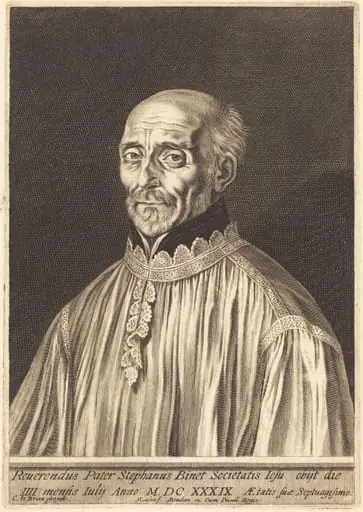
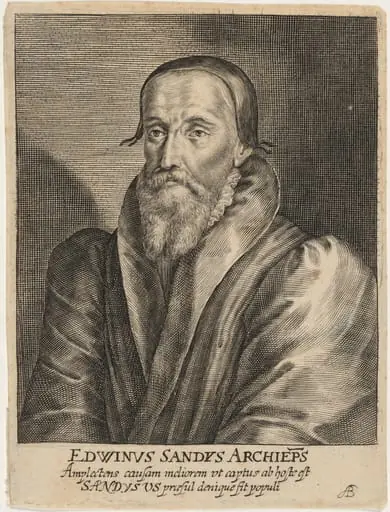
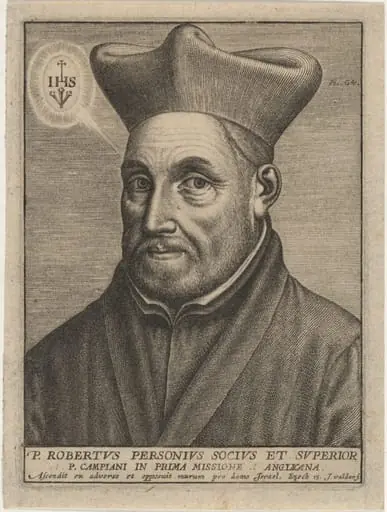
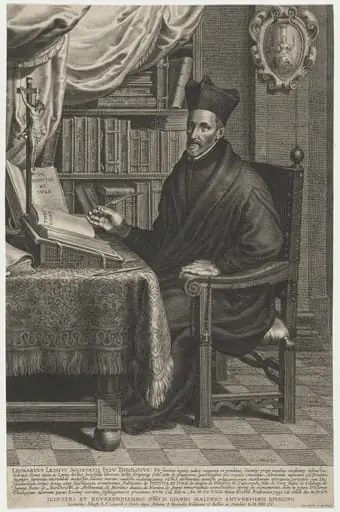
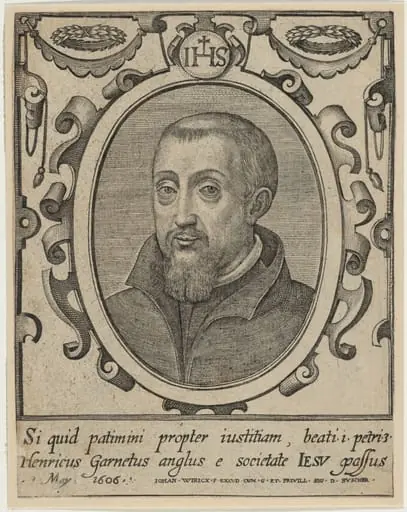
Jacobus Neeffs produced the engraving titled David Baker in 1641. Executed as a print, the work presents a solitary figure clothed in a dark, hooded robe, set against a muted, textured backdrop. The composition is rendered entirely in fine lines and cross‑hatching, characteristic of the period’s printmaking practice.
Subject & Meaning
The central figure is a man whose face is clearly visible, gazing directly forward. His attire and the somber atmosphere suggest a contemplative or possibly penitential mood, aligning with the introspective themes often explored in 17th‑century portraiture.
Technique & Style
Neeffs employs meticulous line work, using dense cross‑hatching to model the folds of the robe and to convey subtle shifts of light across the surface. The chiaroscuro effect, achieved through varying line density, creates depth and a tactile sense of fabric, reflecting the Baroque emphasis on dramatic contrast and realism in print media.
History & Provenance
Created in the early 1640s, the engraving belongs to the broader corpus of Dutch and Flemish Baroque prints. While specific ownership records are scarce, the work is documented in several 18th‑century catalogues of Neeffs’ output, indicating its circulation among collectors of fine prints during that era.
Artist & collection