Artwork
Jean Fronteau
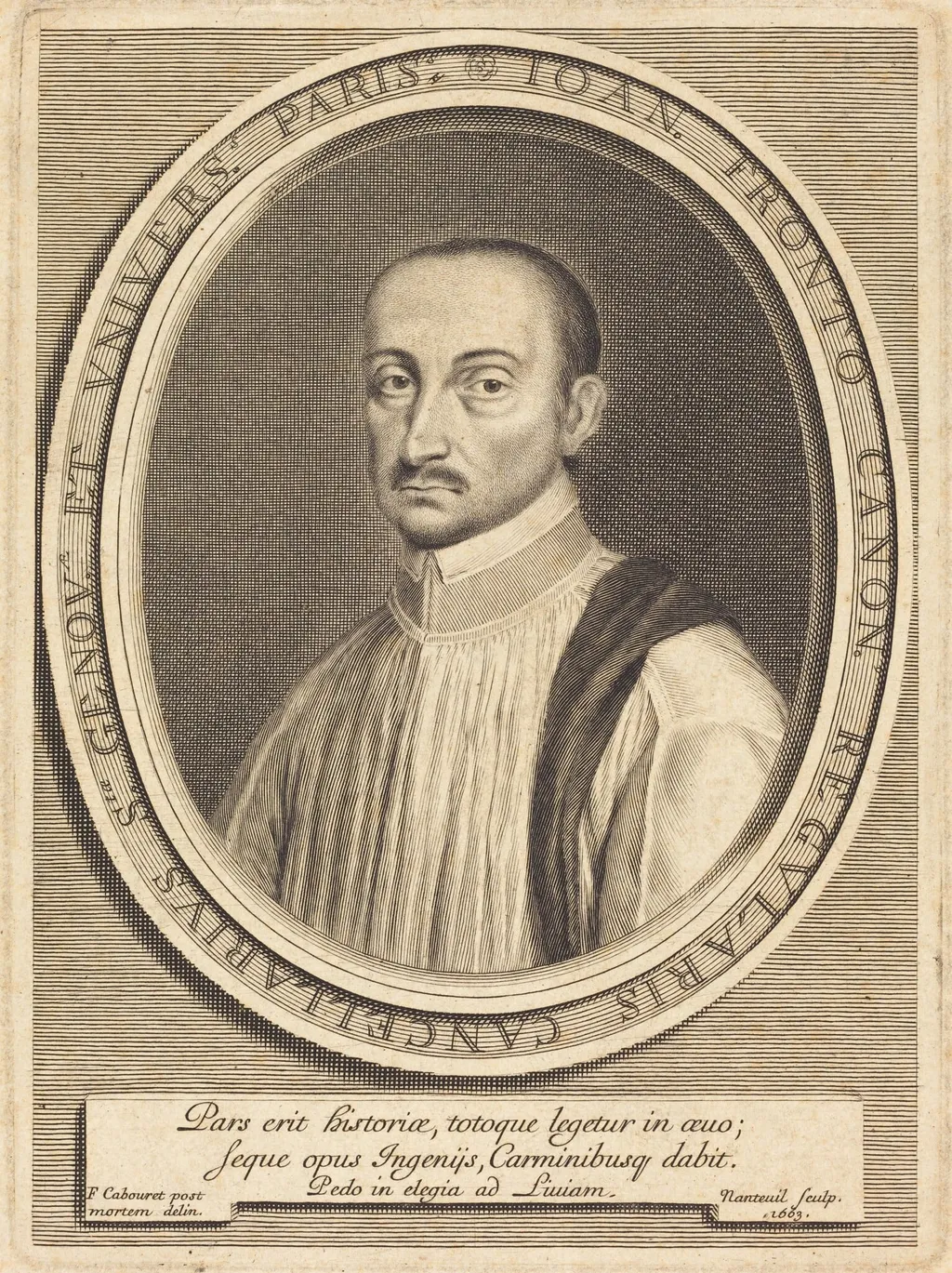
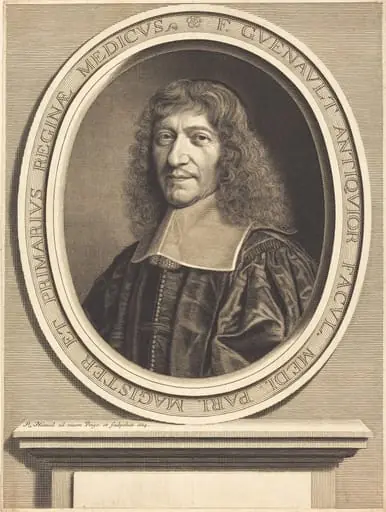
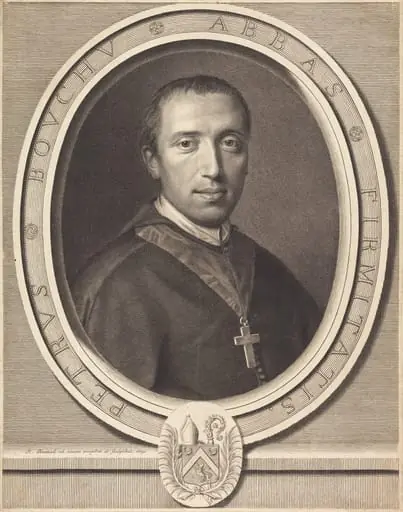
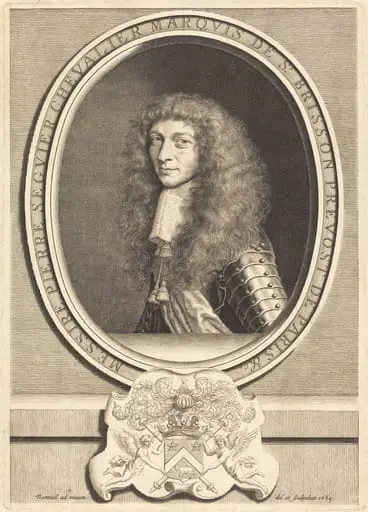
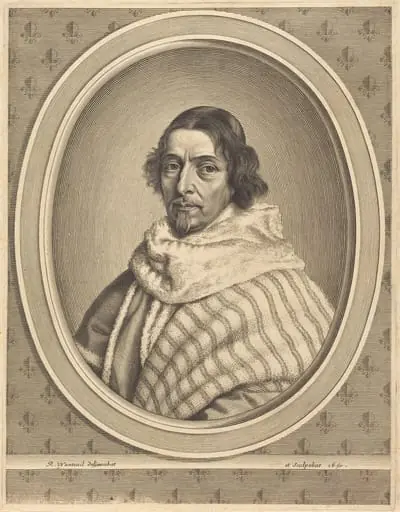
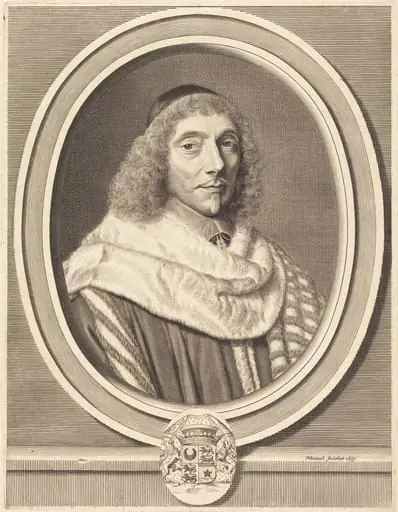
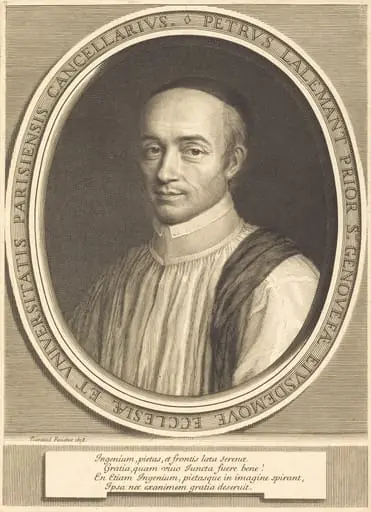
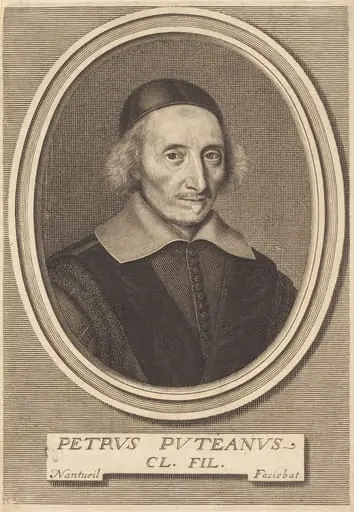
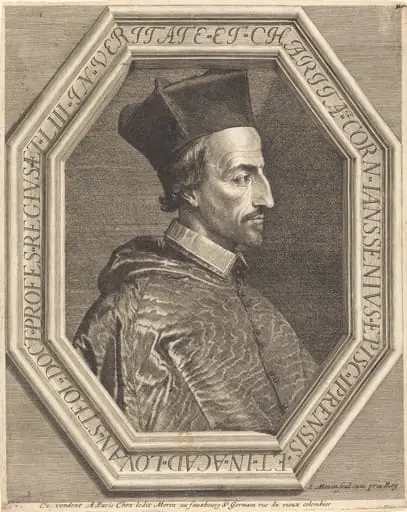
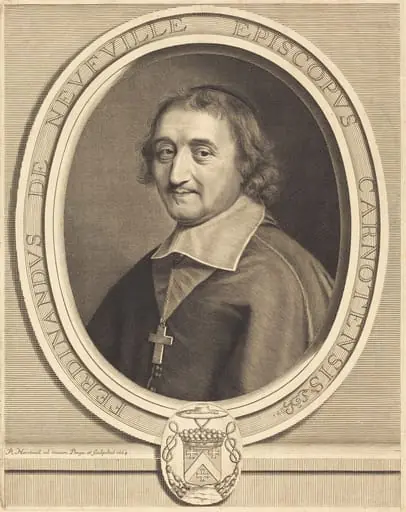
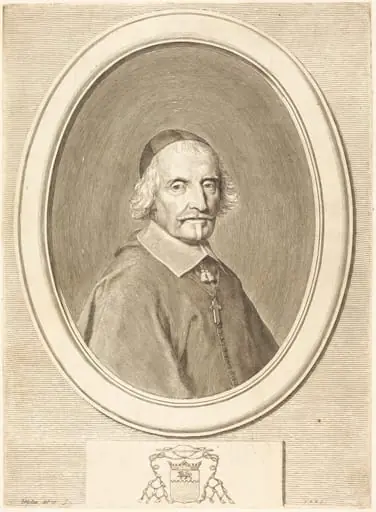
Jean Fronteau is an ink print by the Baroque artist Robert Nanteuil. It dates from 1663 and is held in the collection of the National Gallery of Art.
About this work
Overview
This print exemplifies his precision and control, using incised lines on a copper plate to render texture, form, and character with restrained elegance.
Robert Nanteuil created this 1663 engraving of Jean Fronteau as part of his series of courtly portraits during the reign of Louis XIV. As a skilled engraver and draftsman, Nanteuil specialized in translating human likeness into fine linear detail. This print exemplifies his precision and control, using incised lines on a copper plate to render texture, form, and character with restrained elegance.
Subject & Meaning
Jean Fronteau, likely a member of Nanteuil’s professional or social circle, is portrayed with a composed, solemn demeanor. His attire, styled in an older fashion, suggests a deliberate reference to tradition or personal identity rather than contemporary court dress. The portrait conveys dignity through stillness and clarity, emphasizing character over ornamentation, consistent with Nanteuil’s approach to portraying individuals of substance.
Technique & Style
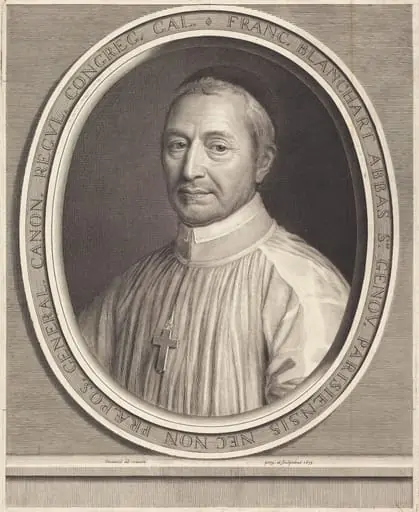
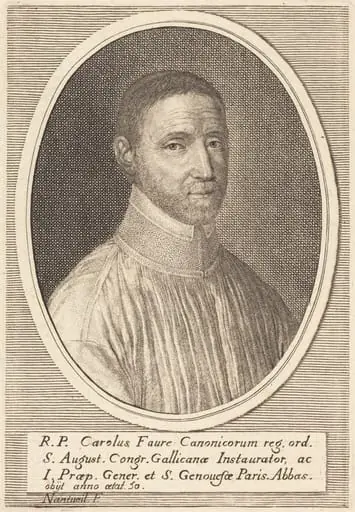
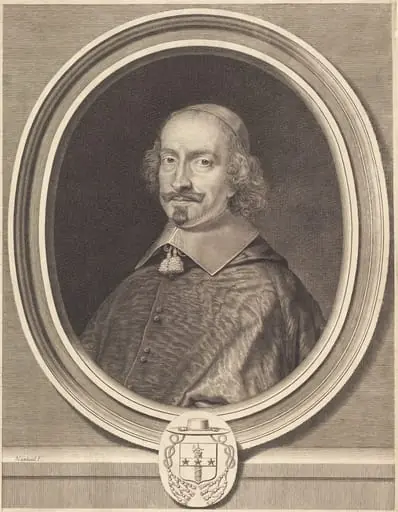
Nanteuil employed the engraving technique, incising fine lines into a copper plate with a burin to create tonal gradations and surface textures. The meticulous cross-hatching and controlled line weight define the folds of fabric, the texture of hair, and the contours of the face. His style avoids dramatic contrast, favoring subtle modulation to achieve a lifelike presence grounded in quiet realism.
History & Provenance
Created in 1663, the engraving emerged during Nanteuil’s peak years as the principal portraitist for the French royal court. Though Fronteau’s exact role remains undocumented, his inclusion among Nanteuil’s subjects indicates association with the artist’s network. The print was likely circulated among collectors and patrons, reinforcing Nanteuil’s reputation for authoritative portraiture in print form.
Context
In mid-17th-century France, engraved portraits served as tools of social documentation and status. Nanteuil’s work aligned with the monarchy’s emphasis on visual order and representation. While courtiers were his primary subjects, figures like Fronteau reflect the broader cultural practice of preserving the likenesses of educated or influential non-nobles through the medium of print.
Legacy
Nanteuil’s engravings, including this portrait, established a standard for French portraiture in print. His technical discipline influenced generations of engravers and contributed to the development of the portrait as a refined, reproducible art form. Though Fronteau himself is not widely remembered, the precision of his depiction endures as an example of Nanteuil’s enduring contribution to graphic art.
Artist & collection
Artist
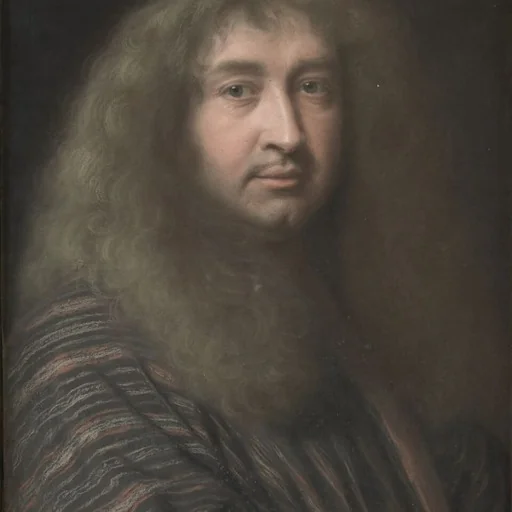
Robert Nanteuil (French pronunciation: ; 1623 – 9 December 1678) was a French portrait artist: engraver, draughtsman and pastellist to the court of Louis XIV.