Artwork
Sir Walter Raleigh
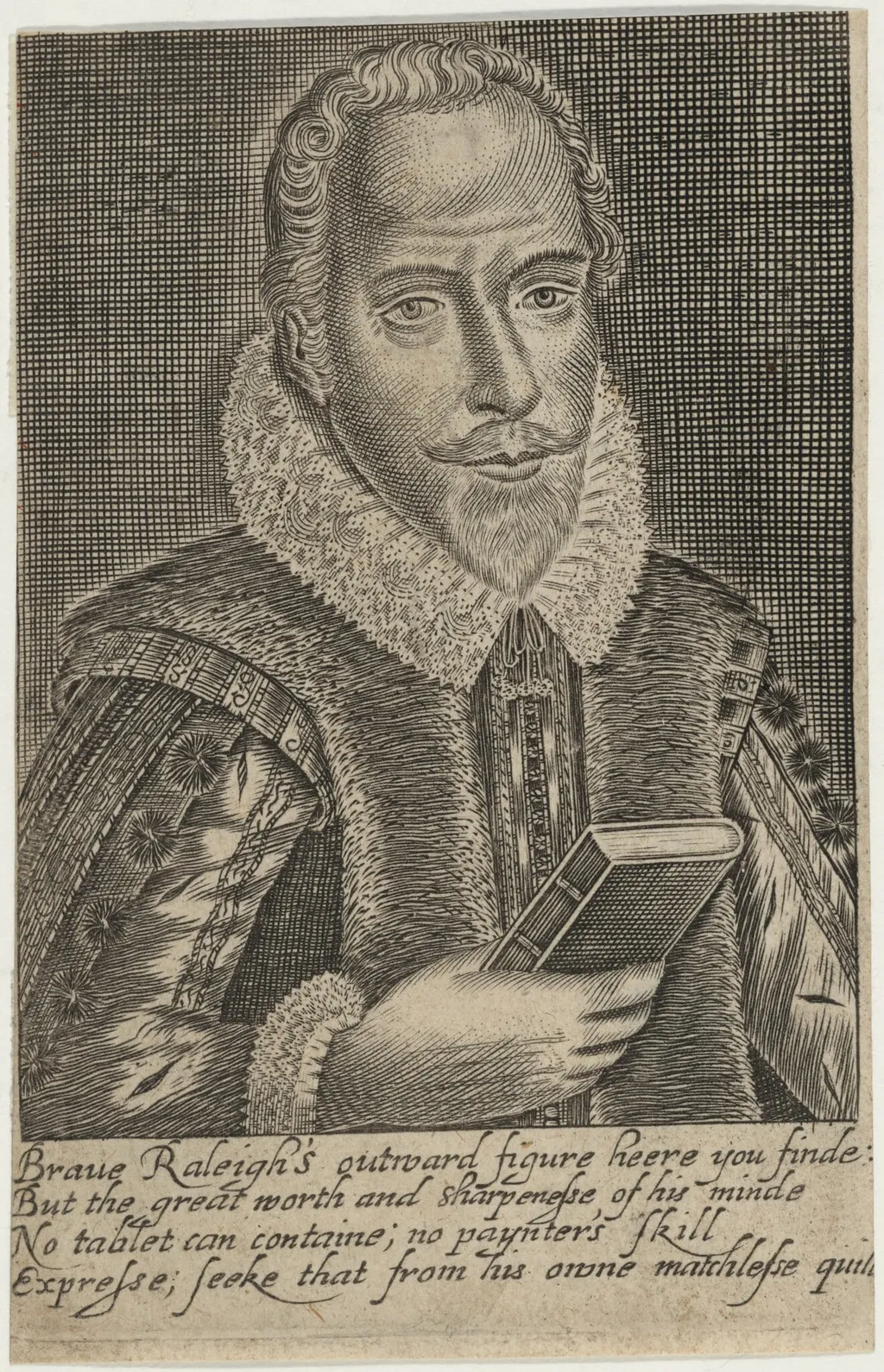
Sir Walter Raleigh is an ink print by the Romanticist artist Unknown 19th Century. It dates from 1850 and is held in the collection of the National Gallery of Art.
About this work
Overview
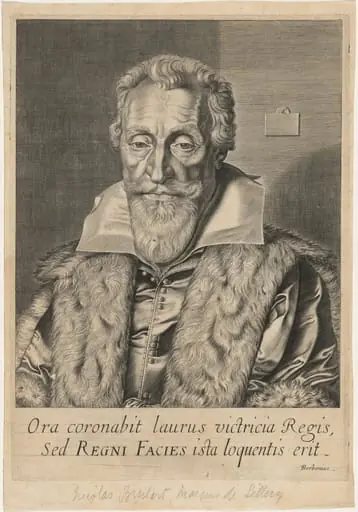
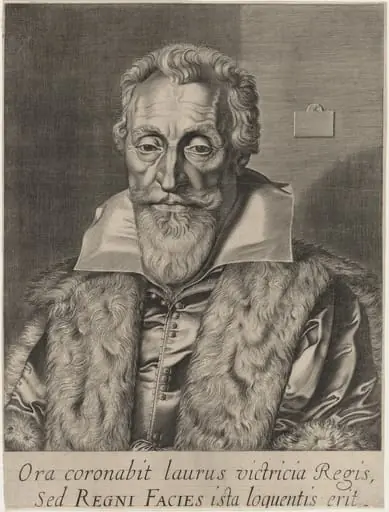
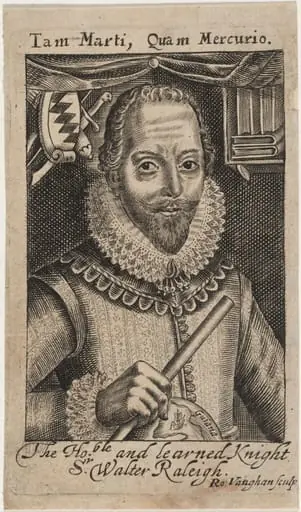
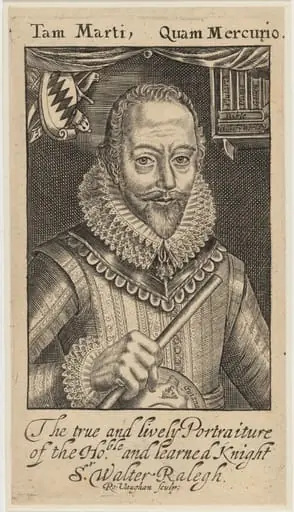
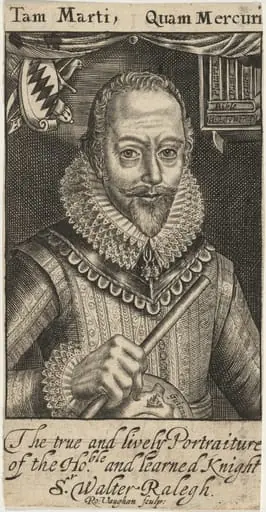
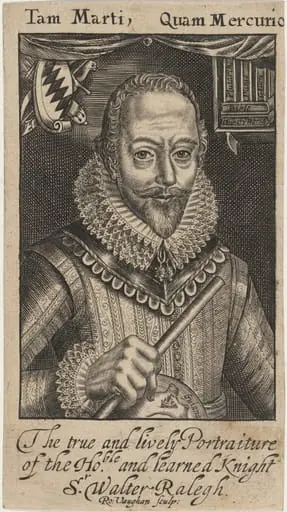
His curly hair and ruffled collar suggest aristocratic status, while the scroll in his hand implies intellectual or political engagement.
This black-and-white engraving depicts Sir Walter Raleigh as a stern, bearded gentleman in late 16th-century attire. His curly hair and ruffled collar suggest aristocratic status, while the scroll in his hand implies intellectual or political engagement. The inscription beneath acknowledges the limitations of visual representation, suggesting his character transcends mere likeness. The work belongs to a tradition of commemorative portraiture common in early modern print culture.
Subject & Meaning
The portrait presents Raleigh not merely as a historical figure but as a symbol of intellect and courage. The scroll he holds may reference his writings, explorations, or political correspondence. The accompanying text explicitly states that his mind cannot be captured by art, elevating him beyond physical representation. This framing reflects contemporary reverence for his erudition and daring, even as it admits the inadequacy of the image to convey his full legacy.
Technique & Style
Executed in the engraving technique, the portrait relies on fine lines and cross-hatching to model form and texture. The ruffles of the collar, the texture of the beard, and the folds of the coat are rendered with precision typical of 17th-century printmaking. The monochrome palette and linear clarity align with the conventions of portraiture in printed form, designed for wide circulation rather than private display.
History & Provenance
The print likely dates from the early 1600s, produced after Raleigh’s execution in 1618, during a period of renewed public interest in his life. Such engravings were often made from earlier paintings or drawings, adapted for mass reproduction. Its survival suggests it was circulated among educated audiences who valued Raleigh’s role in England’s imperial and literary history.
Context
Engravings of notable figures like Raleigh were common in early modern Europe, serving as both memorials and tools of political memory. In posthumous portraits, subjects were often idealized to reinforce their cultural significance. This print reflects a broader trend of using print media to shape public perception of controversial historical figures, especially those whose legacies were contested after death.
Legacy
Though unsigned and undated, the engraving contributes to the visual archive of Raleigh’s enduring presence in English cultural memory. It exemplifies how print technology allowed complex historical figures to be memorialized beyond courtly patronage. Its emphasis on intellectual transcendence over physical likeness anticipates later Romantic ideals of the genius beyond representation.
Artist & collection

Artist