Artwork
Sir Walter Raleigh
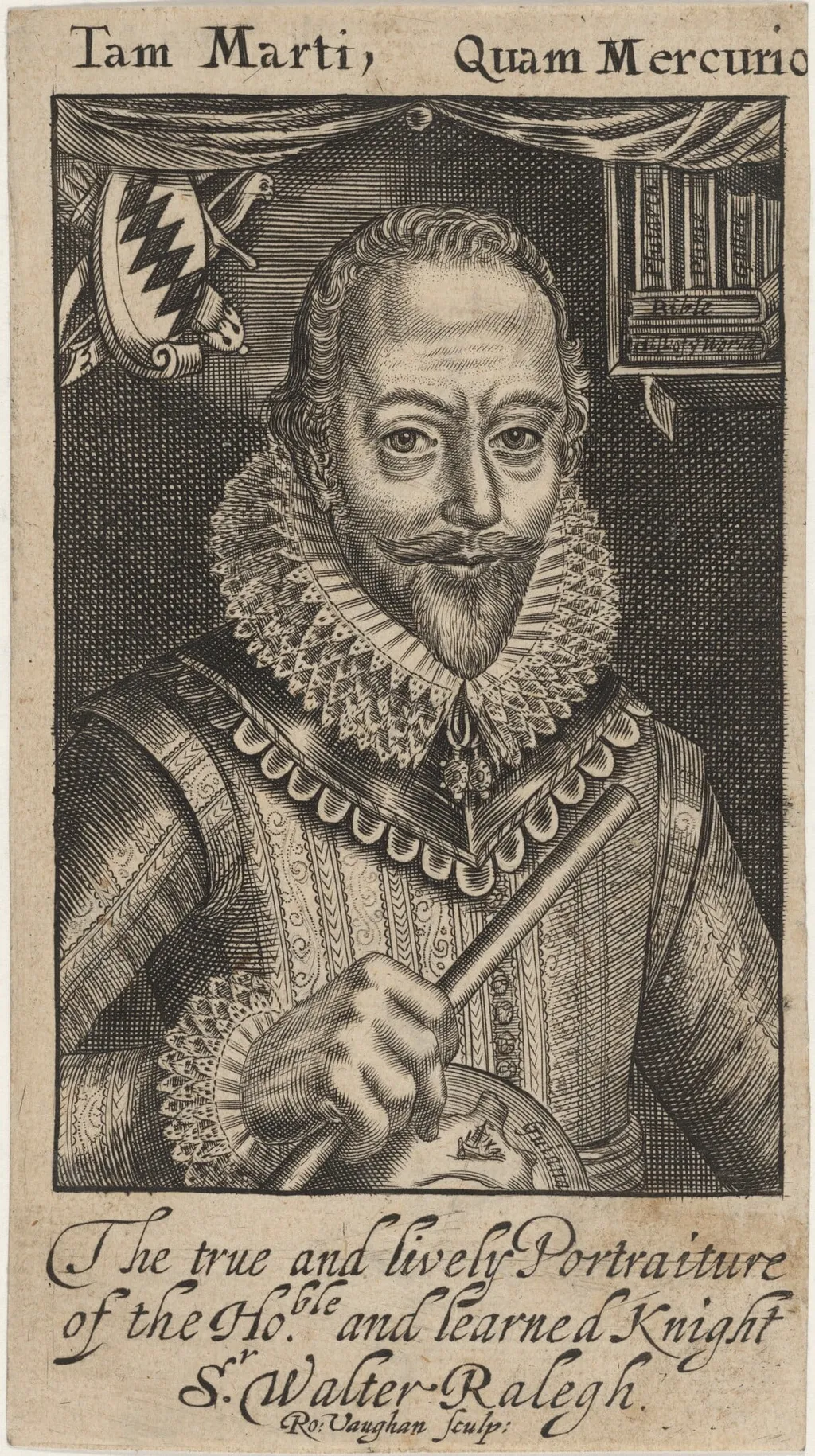
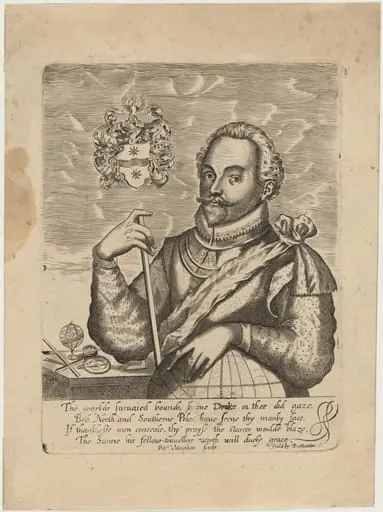
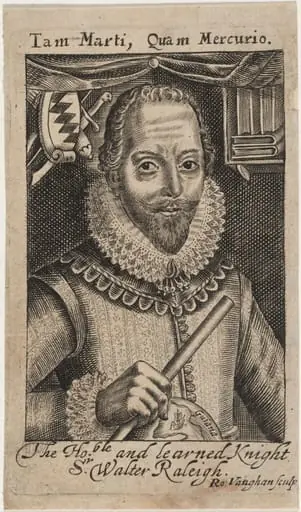
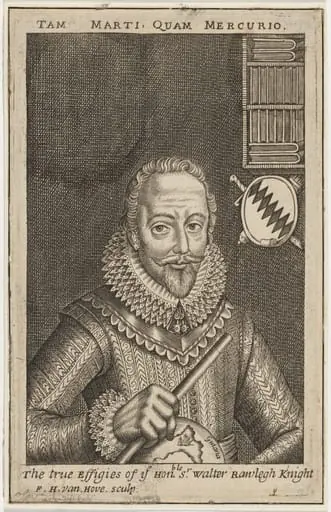
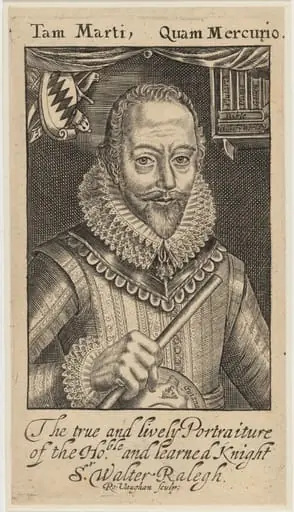
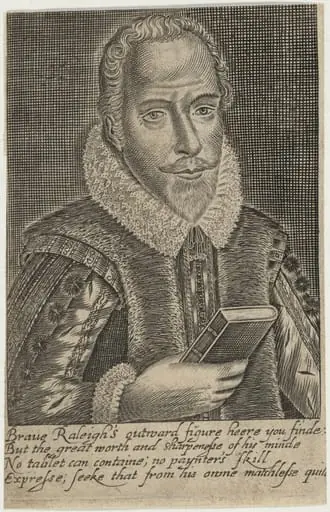
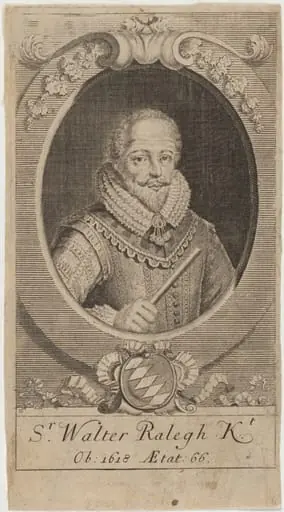
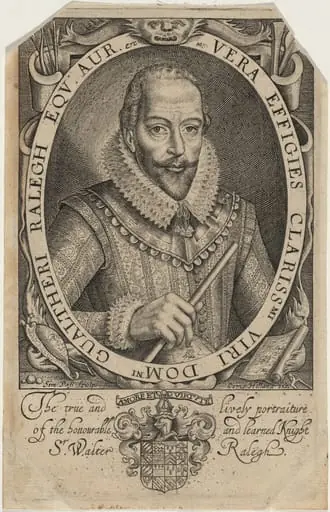
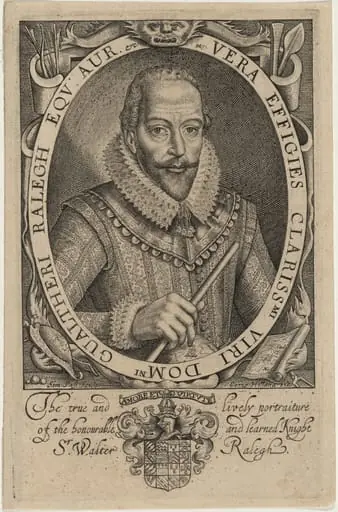
Sir Walter Raleigh is an ink print by the Baroque artist Robert Vaughan. It dates from 1650 and is held in the collection of the National Gallery of Art.
About this work
Overview
Executed in fine line work typical of mid-17th-century printmaking, the image presents Raleigh in formal attire against a muted background.
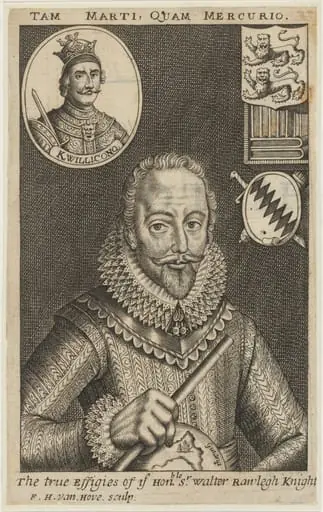
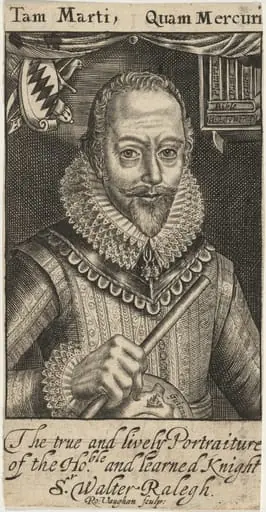
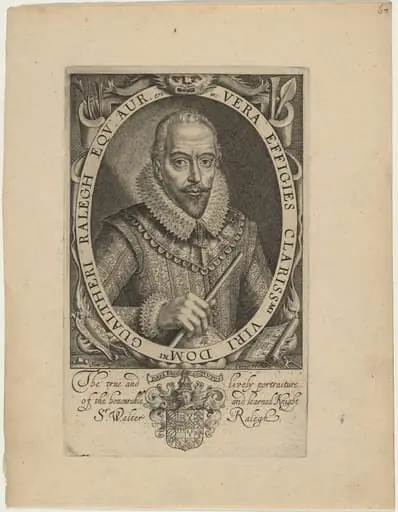
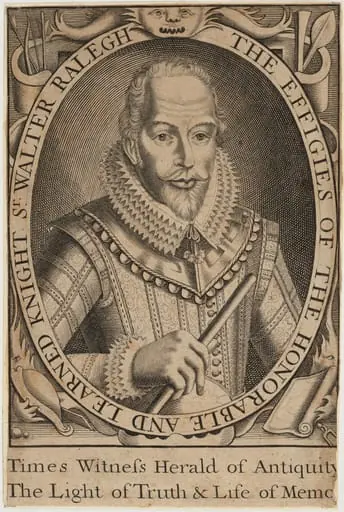
This 1650 engraving by Robert Vaughan depicts Sir Walter Raleigh, an English explorer and courtier. Executed in fine line work typical of mid-17th-century printmaking, the image presents Raleigh in formal attire against a muted background. The composition emphasizes his status through clothing and objects, reflecting the period’s interest in portraiture as a vehicle for personal and political identity.
Subject & Meaning
Raleigh is portrayed with a sword at his side and a ruffled collar, symbols of his dual identity as soldier and courtier. The bookshelf behind him suggests scholarly engagement, aligning him with Renaissance humanist ideals. The faint banner in the corner may reference his naval exploits or royal service. Together, these elements construct an image of a man shaped by both action and intellect, consistent with his historical reputation.
Technique & Style
The image is rendered in intaglio engraving, using incised lines on a metal plate to create fine detail and tonal variation. The dark background enhances the contrast of Raleigh’s illuminated figure, while the texture of fabric and wood grain is suggested through precise hatching. This method, common in Baroque printmaking, prioritized clarity and symbolic precision over expressive brushwork.
History & Provenance
Created two decades after Raleigh’s execution, the engraving emerged during a period of renewed interest in his legacy under the Commonwealth. Robert Vaughan, a London-based printmaker, likely produced it for a market seeking historical figures tied to England’s imperial past. No early ownership records are widely documented, but the print circulated among collectors of political and literary portraiture.
Context
In mid-17th-century England, engravings of notable figures served as both memorials and political tools. Raleigh, though executed for treason, was increasingly viewed as a martyr of exploration and intellect. This portrait reflects a cultural shift toward rehabilitating his image, aligning him with values of learning and service rather than rebellion, amid the turbulent politics of the Interregnum.
Legacy
The engraving contributed to the visual canon of Raleigh in British print culture. Though not the earliest likeness, its clarity and symbolic richness made it a frequently reproduced model. Later biographers and historians drew upon its iconography, ensuring its role in shaping enduring perceptions of Raleigh as a man of letters and arms.
Artist & collection