Artwork
Sir Walter Raleigh
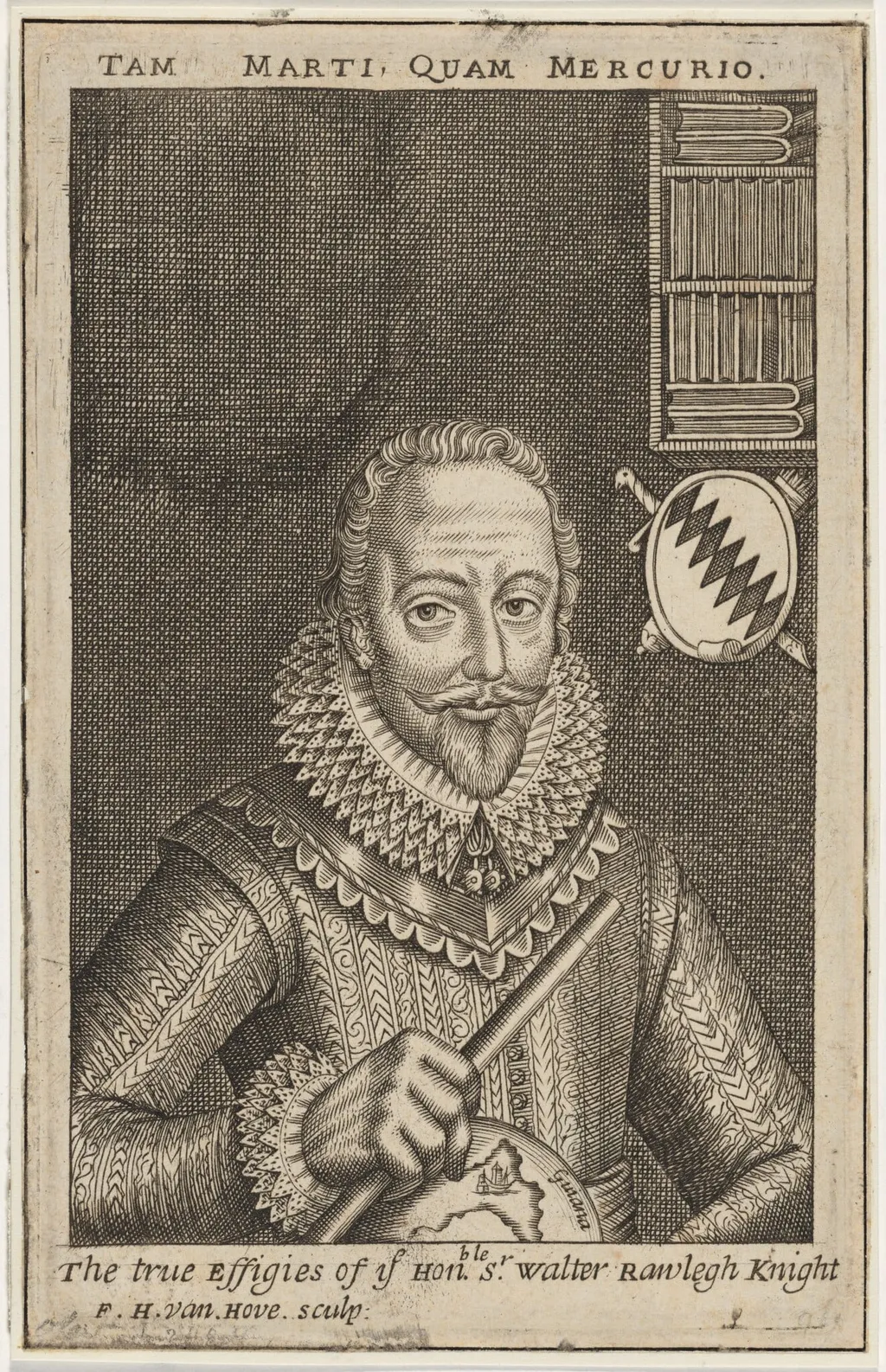
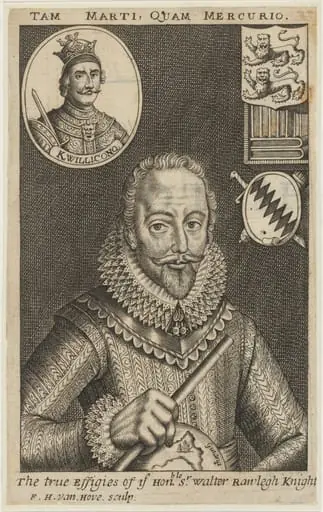
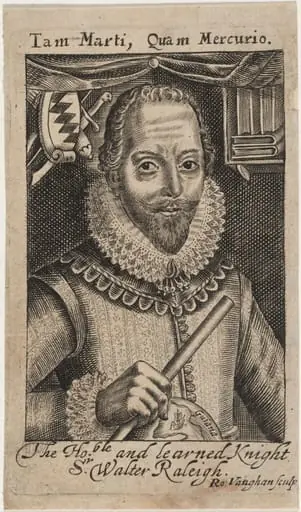
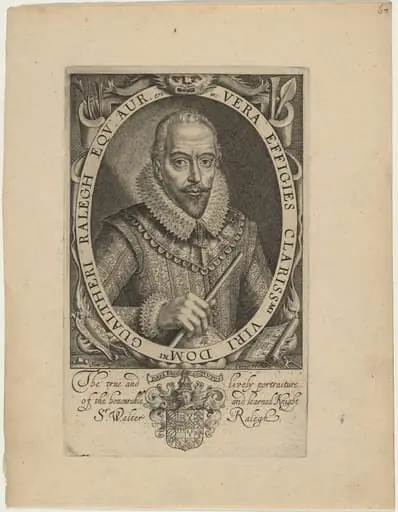
Sir Walter Raleigh is an ink print by the Baroque artist Frederik Hendrik van den Hove. It dates from 1663 and is held in the collection of the National Gallery of Art.
About this work
Overview
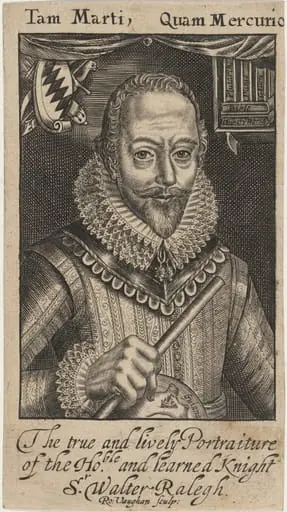
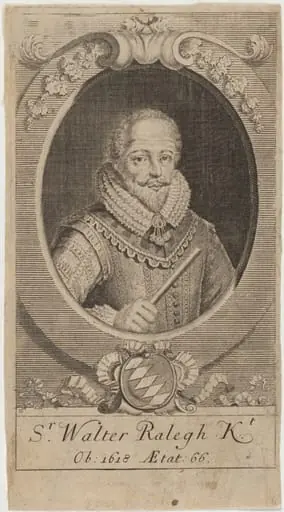
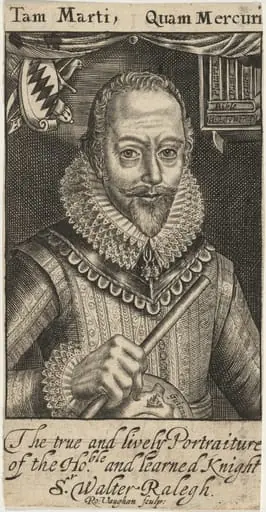
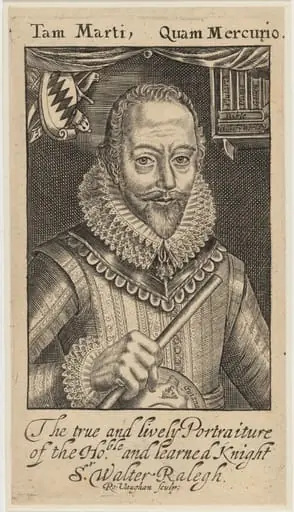
This 1663 engraving presents Sir Walter Raleigh, rendered in black-and-white by the Dutch printmaker Frederik Hendrik van den Hove.
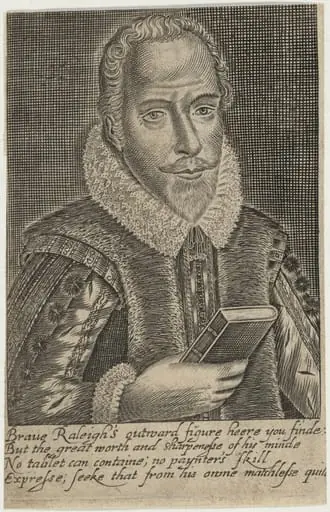
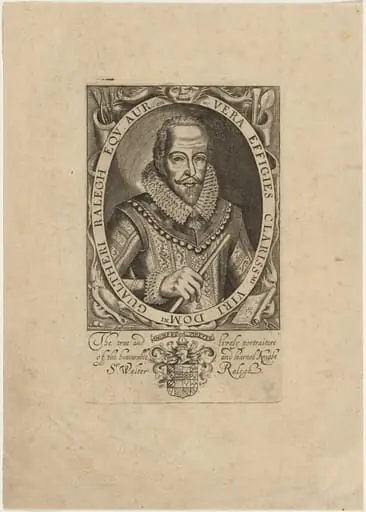
This 1663 engraving presents Sir Walter Raleigh, rendered in black-and-white by the Dutch printmaker Frederik Hendrik van den Hove. The portrait shows the English explorer and courtier in a richly ornamented costume, complete with a thick beard, ruffled collar, and elaborate patterned sleeves. A heraldic shield and an open book with columnar motifs appear behind him, suggesting status and learning.
Subject & Meaning
The figure is identified by an inscription that reads "Sir Walter Rawleigh Knight," reflecting the early‑modern spelling of his name. The inclusion of a coat of arms and a scholarly volume underscores Raleigh’s dual reputation as a nobleman and a man of letters, while the dignified pose conveys his self‑presentation as a figure of authority and intellectual pursuit.
Technique & Style
Van den Hove employed fine, parallel lines to create tonal variation, a hallmark of 17th‑century engraving. The delicate hatching builds subtle shadows on the face and clothing, giving the portrait a sense of depth despite the monochrome medium. Decorative details on the sleeves and chest are rendered with precise incisions, highlighting the artist’s skill in rendering texture and pattern.
History & Provenance
Created in the mid‑17th century, the print likely served as a commemorative image for admirers of Raleigh after his execution in 1618. It has been catalogued among van den Hove’s portrait series, which circulated in Europe as prints for collectors and scholars interested in notable historical personalities.
Context
The engraving belongs to a period when portrait prints functioned as both documentary records and symbols of prestige. By portraying Raleigh with emblems of nobility and learning, the image aligns with contemporary conventions that linked personal virtue with visual iconography, reinforcing the subject’s legacy within the cultural memory of the era.
Artist & collection