Artwork
Teucrides Annaeus Lanicerus
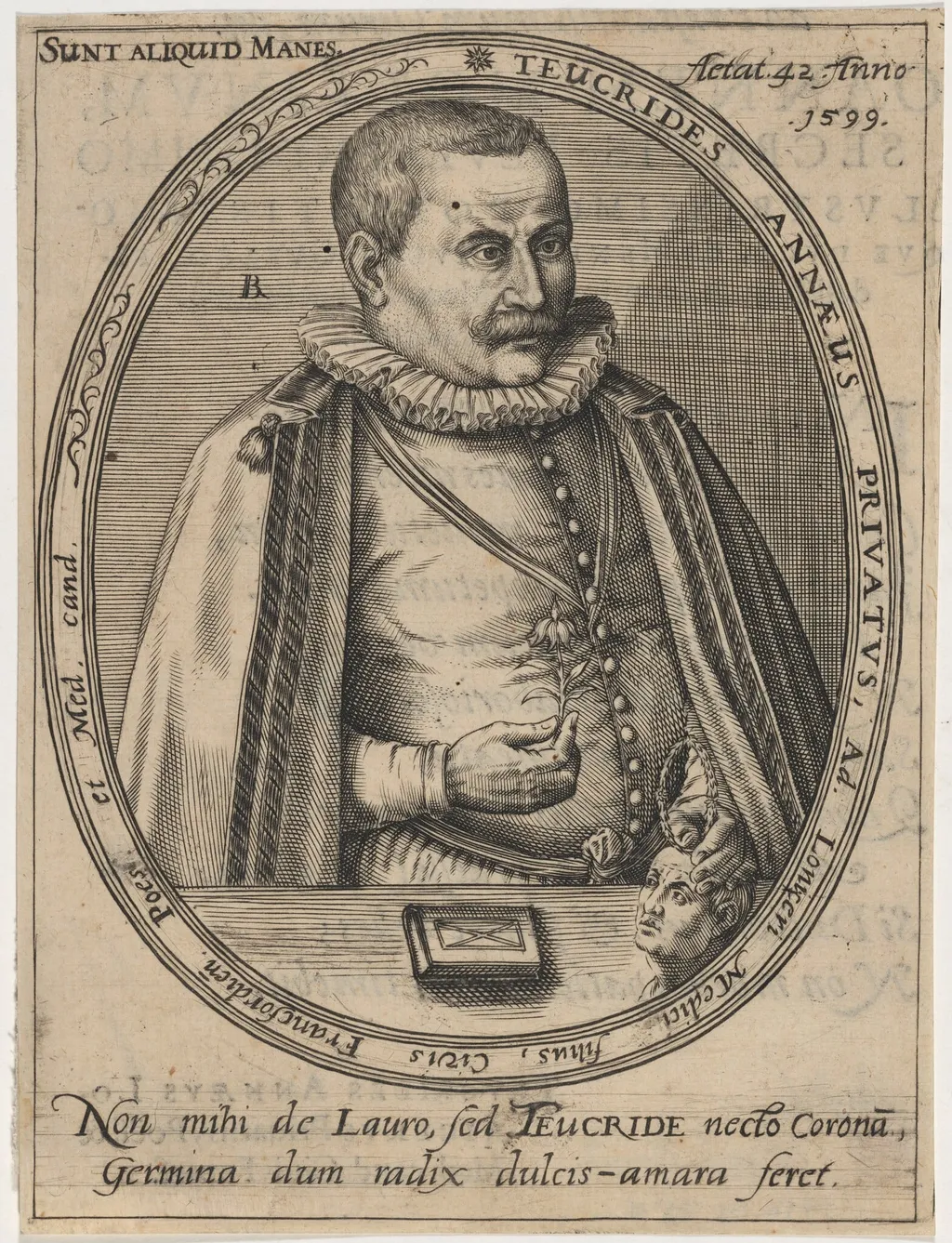
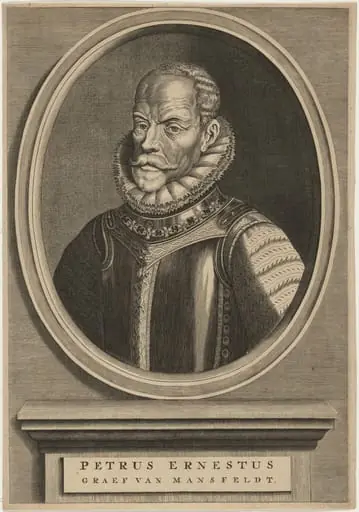
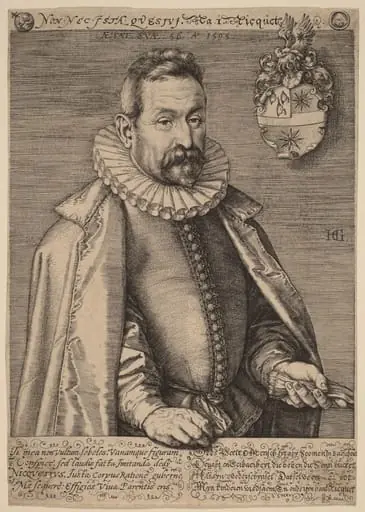
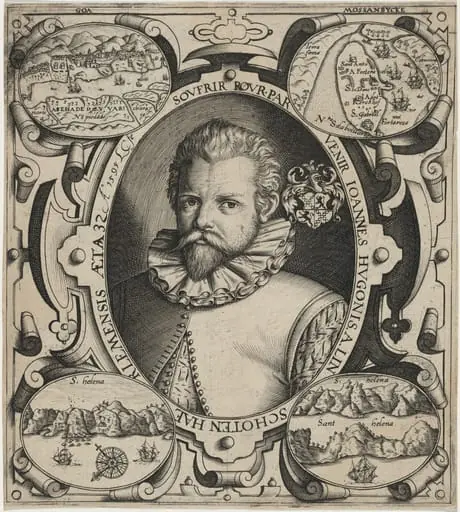
Teucrides Annaeus Lanicerus is an ink print by the Renaissance artist Unknown 19th Century. It dates from 1599 and is held in the collection of the National Gallery of Art. This engraving portrays a man in Renaissance-era dress, framed within an oval border inscribed with text.
About this work
Overview
Rendered in fine linear detail, the work employs cross-hatching to model form and texture, characteristic of printmaking techniques of the period.
This engraving portrays a man in Renaissance-era dress, framed within an oval border inscribed with text. Rendered in fine linear detail, the work employs cross-hatching to model form and texture, characteristic of printmaking techniques of the period. The composition emphasizes the subject’s dignified bearing, with clothing and posture suggesting status. The medium and style align with early modern European portraiture practices, likely produced for scholarly or aristocratic circulation.
Subject & Meaning
The figure, identified as Teucrides Annaeus Lanicerus, is depicted with solemn expression and formal attire, indicating a learned or noble identity. His right hand holds a small object, possibly a writing tool or emblem, while his left grips a larger item, perhaps a scroll or seal. The gaze directed outward implies engagement with the viewer or an unseen context, reinforcing the subject’s role as a figure of authority or intellectual weight.
Technique & Style
The engraving demonstrates meticulous line work, using controlled cross-hatching to define volume and fabric folds. The oval frame concentrates attention on the figure, while the surrounding text integrates verbal and visual elements common in Renaissance portraiture. The precision of the lines suggests a skilled artisan working from a drawn model, reflecting the period’s emphasis on clarity, proportion, and the reproduction of likeness through print.
History & Provenance
Though specific origins are unrecorded, the engraving’s style and subject suggest production in 16th-century Europe, possibly in Germany or the Low Countries, centers of printmaking at the time. The inclusion of a Latinized name points to humanist scholarly circles. Such prints were often distributed as portraits of notable individuals, serving both commemorative and educational purposes in academic or private collections.
Context
Created during the Renaissance, this engraving reflects the era’s revival of classical ideals and the rise of print culture. Humanist scholars valued portraiture as a means of preserving intellectual legacy, and engravings like this circulated widely among educated elites. The fusion of textual inscription and visual representation aligns with contemporary practices in emblem books and biographical collections, where image and word reinforced each other.
Legacy
As a representative of Renaissance printmaking, this work exemplifies how engraving extended the reach of portraiture beyond painting. Its technical refinement and integration of text contributed to the development of illustrated scholarly publications. Though not widely known today, such prints formed part of a broader visual language that shaped how identity and authority were conveyed in early modern Europe.
Artist & collection

Artist

 Jan Nicquet
 Portrait of a Man With Cross Around Neck
 Jan Nicquet
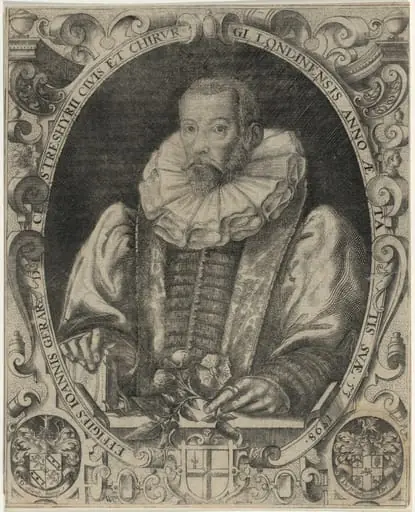 John Gerard, Herbalist
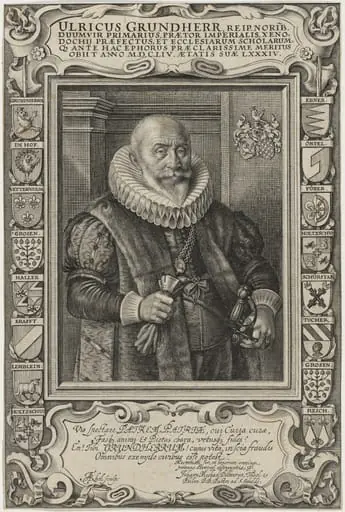 Ulrich Grundherr
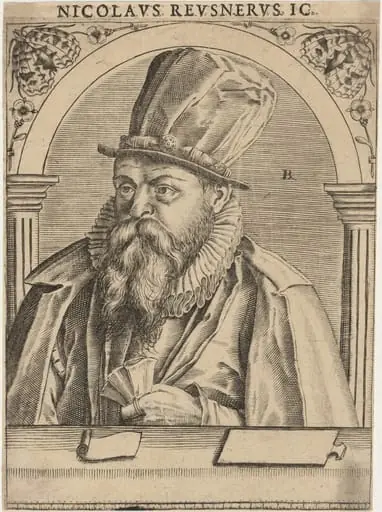 Nicolas Reusner
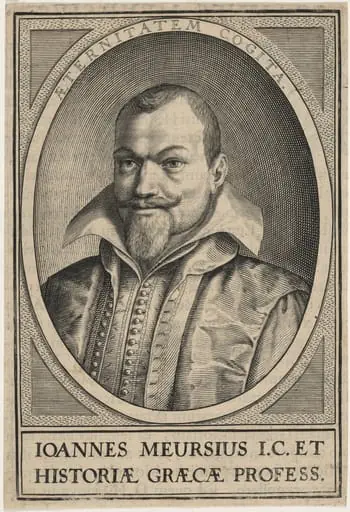 Joannes van Meurs, Dutch Classical Scholar
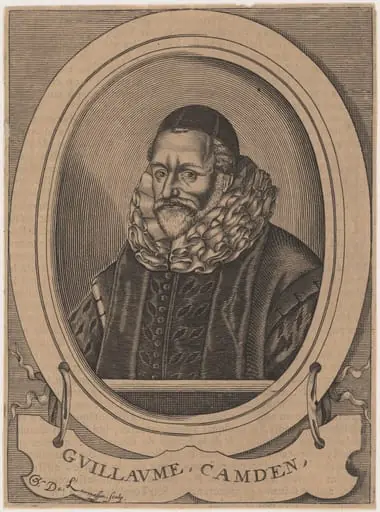 William Camden, Herald, Antiquary and Historian
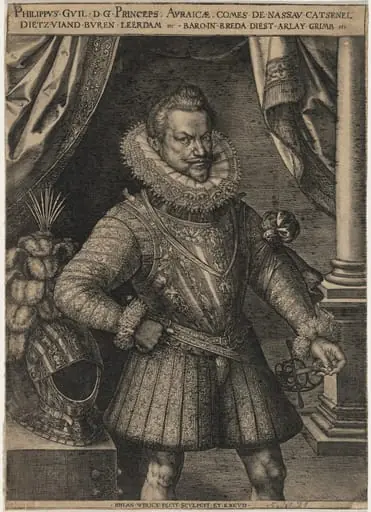 Philip William, Prince of Orange
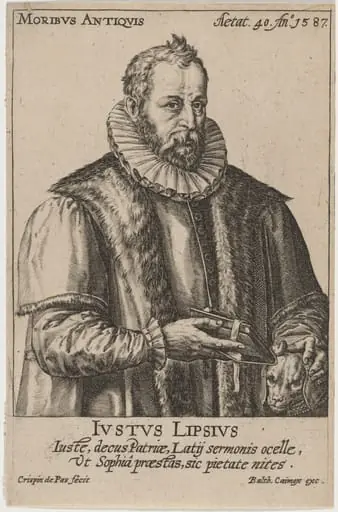 Justus Lipsius
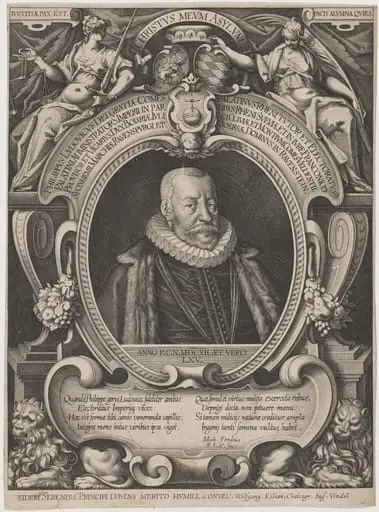 Philip Louis, Count Palatine
 Joannes Hugo van Linschoten