Artwork
The Progenie of Geffrey Chaucer
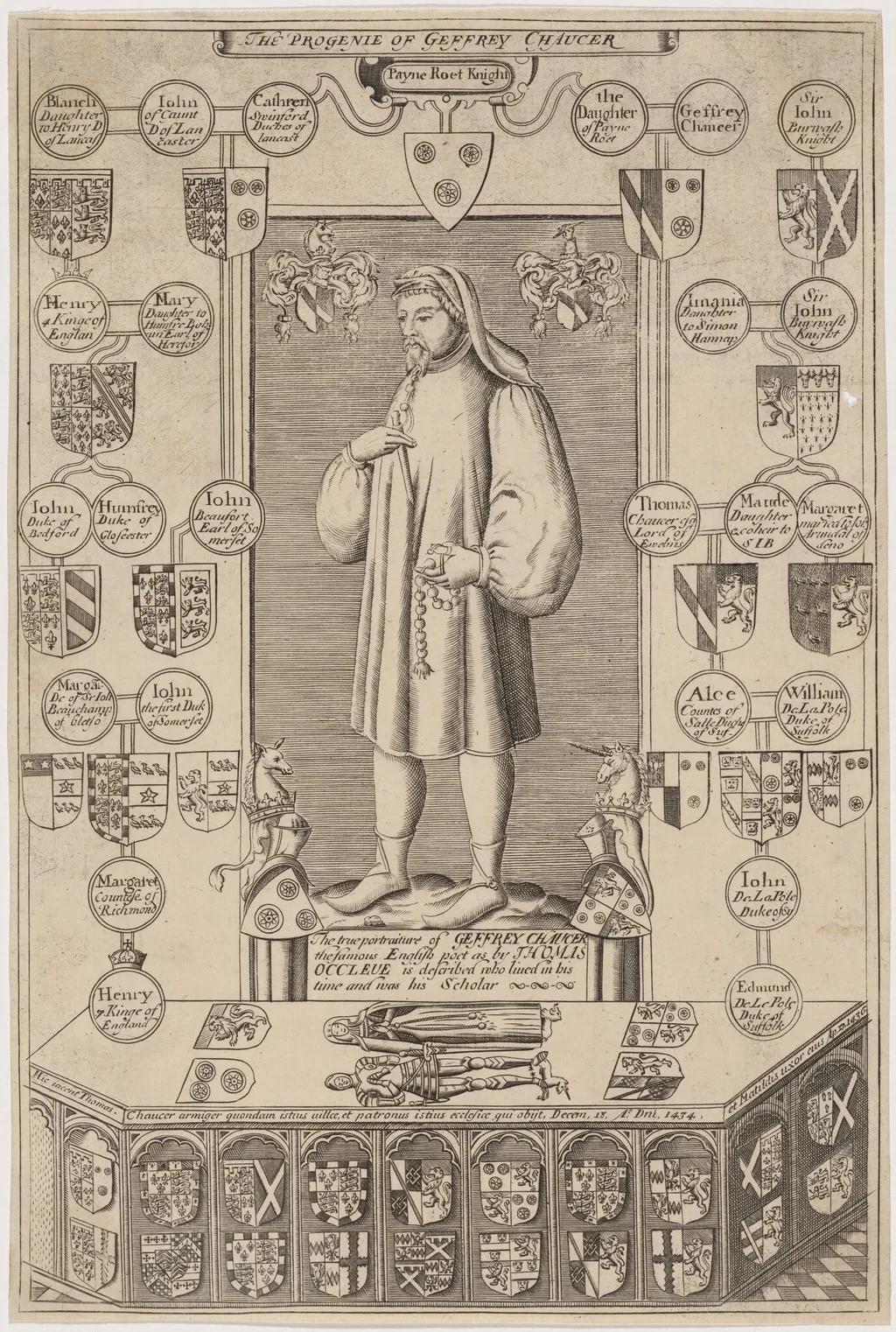
The Progenie of Geffrey Chaucer is an ink print by the Romanticist artist Unknown 19th Century. It dates from 1850 and is held in the collection of the National Gallery of Art. This engraving presents a genealogical chart claiming descent from Geoffrey Chaucer, the 14th-century poet.
About this work
Overview
The work is a printed image, rendered with meticulous fine lines and tonal shading typical of engraving techniques of the period.
This engraving presents a genealogical chart claiming descent from Geoffrey Chaucer, the 14th-century poet. It depicts a central figure in scholarly robes, holding a book and purse, surrounded by heraldic shields. The composition traces lineage through noble and royal figures, visually connecting Chaucer’s name to the English aristocracy. The work is a printed image, rendered with meticulous fine lines and tonal shading typical of engraving techniques of the period.
Subject & Meaning
The central figure represents Geoffrey Chaucer, positioned as the origin of a noble lineage. The surrounding shields, labeled with names such as Henry VII and John, Duke of Bedford, suggest a fabricated or aspirational genealogy. The inclusion of a purse and book may symbolize both literary achievement and social standing. The Latin inscription reinforces the claim’s formal authority, reflecting Renaissance-era interests in legitimizing status through ancestry.
Technique & Style
Executed in engraving, the image relies on incised lines and controlled hatching to create texture and depth. The artist used fine, precise strokes to render the robes, shields, and heraldic details with clarity. Shading is subtle but effective, giving volume to figures and architectural elements. The composition is orderly and hierarchical, typical of genealogical prints, where visual structure supports the assertion of lineage and authority.
History & Provenance
The print likely dates to the late 16th or early 17th century, a time when English families sought to link themselves to literary or royal figures for social prestige. No specific creator is recorded, and its original commission remains unknown. Surviving examples are rare, suggesting limited circulation, possibly among educated elites interested in genealogy and literary heritage rather than broad public audiences.
Context
During the Tudor and early Stuart periods, genealogical imagery flourished as a tool for asserting social legitimacy. Chaucer, though a poet of the past, was increasingly venerated as a national literary figure. This print reflects a broader trend of blending literary legacy with aristocratic lineage, using heraldry to elevate cultural figures into noble ancestry, even when historical evidence was lacking.
Legacy
The print stands as an example of how literary figures were mythologized through visual genealogy in early modern England. While its claims are historically unfounded, it reveals contemporary attitudes toward status, heritage, and the cultural capital of Chaucer’s name. Such works influenced later depictions of literary ancestors and contributed to the enduring association between Chaucer and English nobility in popular imagination.
Artist & collection

Artist

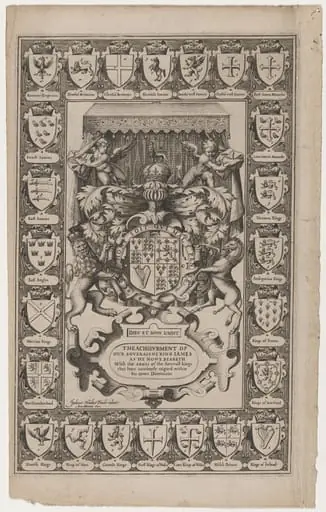 Title Page for the Achievement of our Soveraigne King James
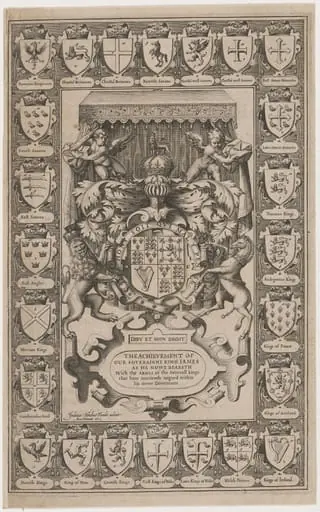 Title Page for the Achievement of our Soveraigne King James
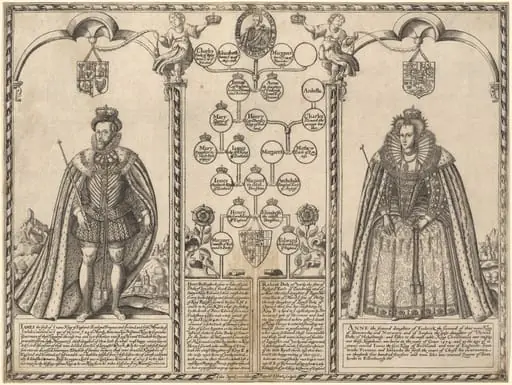 James I and Anne of Denmark
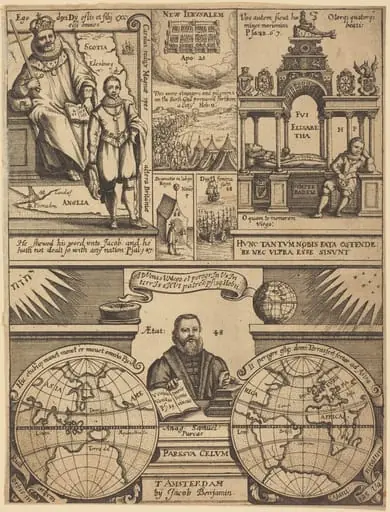 Frontispiece
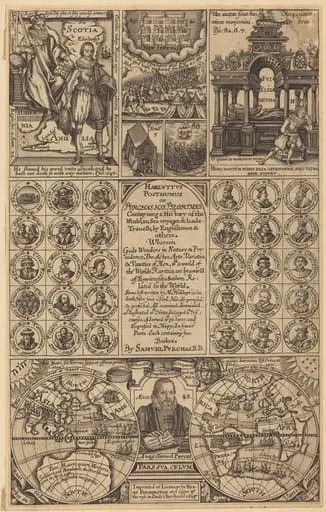 Frontispiece
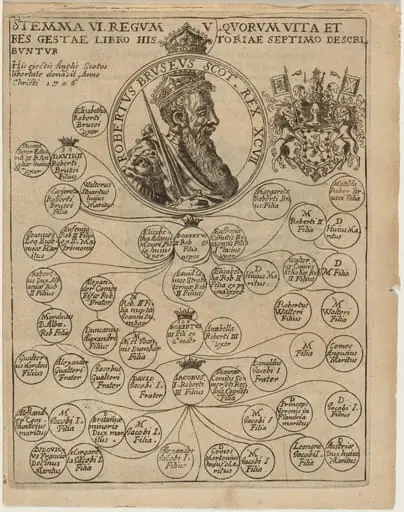 Robert de Bruce VIII, King of Scotland
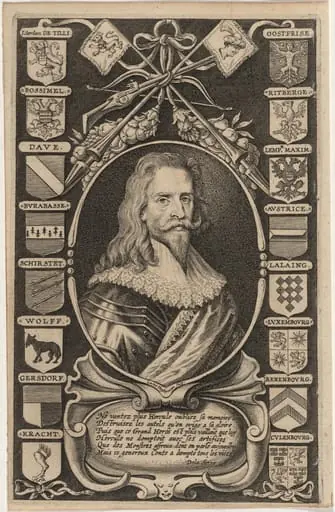 Johann Tzerklas, Count of Tilly
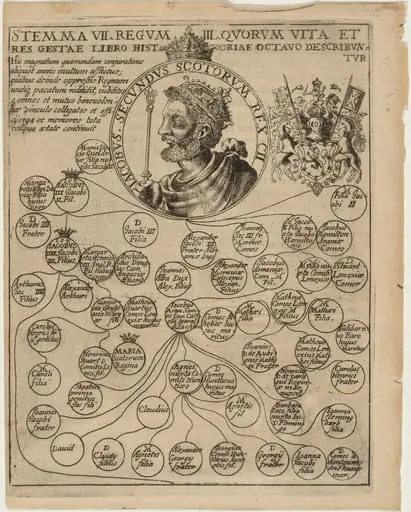 James II of Scotland with Geneology of the Stuarts
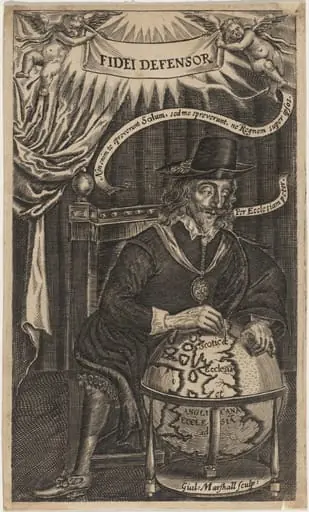 Charles I
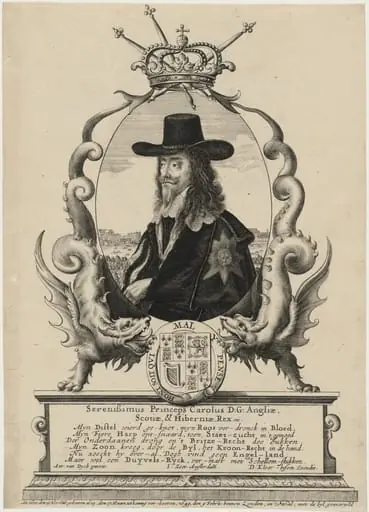 Charles I in a Border of Dragons
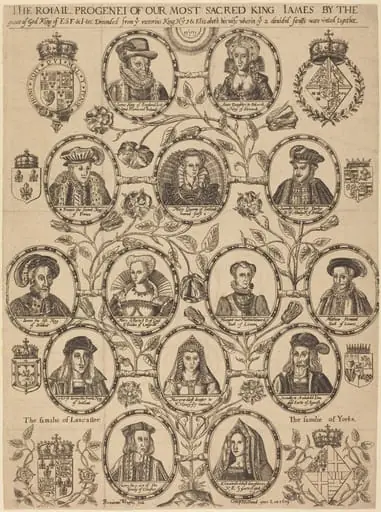 Royal Progeny of King James
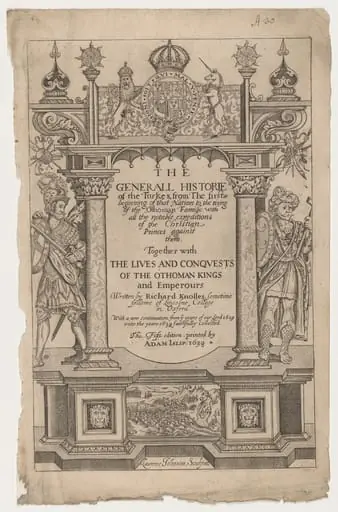 Title Page for R. Knolles Generall Historie of the Turkes