Artwork
Frontispiece
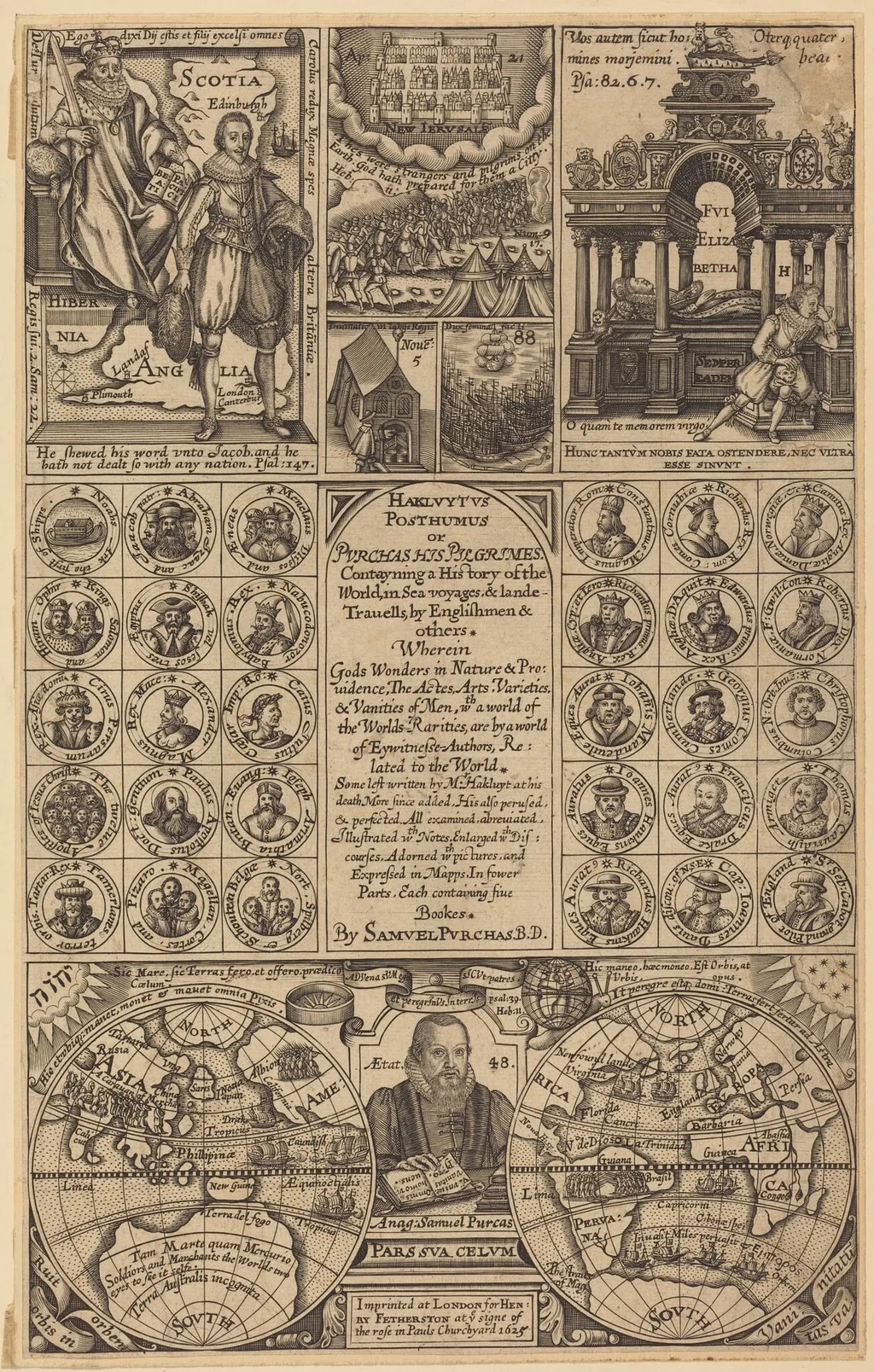
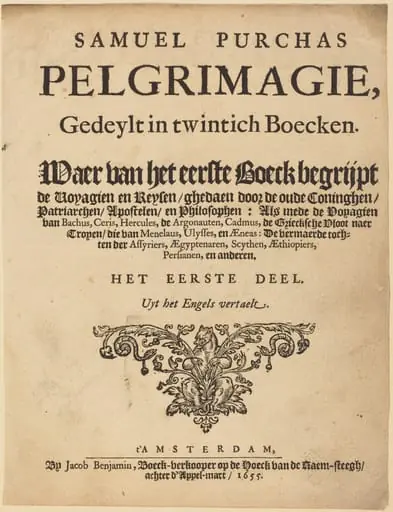
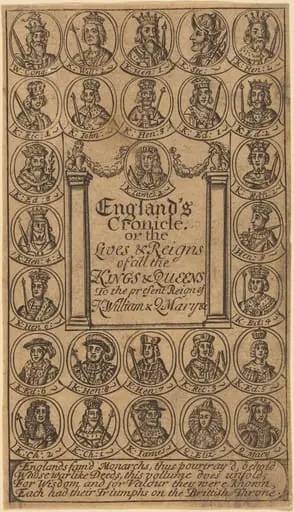
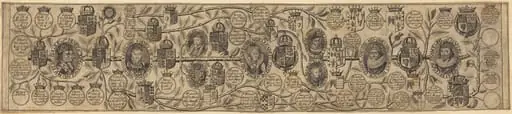
Frontispiece is an ink print by the Baroque artist British 17th Century. It dates from 1625 and is held in the collection of the National Gallery of Art.
About this work
Overview
The dense arrangement invites close observation, reflecting the era’s ambition to catalog human knowledge and geographic discovery within one printed page.
This engraving serves as a frontispiece to a historical text, visually summarizing themes of global exploration and scholarly inquiry. It layers multiple elements—maps, portraits, navigational imagery, and textual inscriptions—into a single compositional field. The dense arrangement invites close observation, reflecting the era’s ambition to catalog human knowledge and geographic discovery within one printed page.
Subject & Meaning
The image conveys a vision of world history as a tapestry of travel and intellectual pursuit. Figures near a map of Scotland and Ireland suggest regional interest, while the sailing ship implies overseas ventures. The grid of faces, accompanied by Latin inscriptions, may represent notable individuals or peoples encountered through exploration. The globe and scholar at the base reinforce the centrality of learning and observation in understanding the world.
Technique & Style
Executed as a fine-line engraving, the work demonstrates meticulous hand-carving on metal to render intricate details. Tiny figures, textured waves, and delicate lettering were achieved through precise incisions, typical of 17th-century printmaking. The style prioritizes clarity and symbolic density over naturalism, aligning with didactic traditions where visual complexity served educational intent.
History & Provenance
As a frontispiece, this engraving likely accompanied a published historical or geographical work from the early modern period. Its combination of cartography, portraiture, and textual elements mirrors common practices in scholarly books of the time, particularly those produced in Northern Europe. Though its exact origin is unconfirmed, its format aligns with prints issued by publishers seeking to elevate the authority of their texts through elaborate imagery.
Context
Created during an age of expanding global contact, the image reflects contemporary fascination with mapping unknown lands and documenting diverse peoples. The inclusion of Latin, a language of scholarship, signals its audience: educated elites engaged in natural philosophy and historiography. Such frontispieces functioned as visual abstracts, preparing readers for the knowledge contained within the volume.
Legacy
This engraving exemplifies a tradition of visual encyclopedism in early modern print culture. Its synthesis of geography, biography, and exploration imagery influenced later illustrated compendiums and atlases. While no longer widely recognized today, it remains a representative artifact of how knowledge was visually structured before the rise of modern information design.
Artist & collection

Artist
This artist made detailed engravings and etchings in 17th-century Britain, often for book pages.

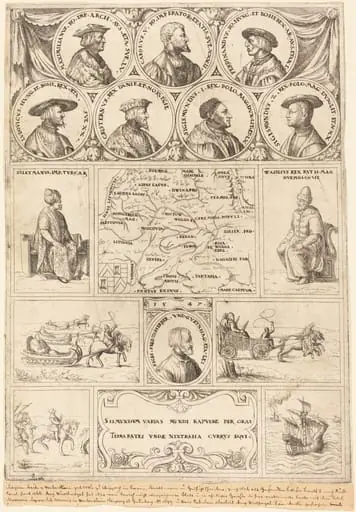 Map of Eastern Europe with portraits of Sigismund von Herberstein, Emperor Charles V, Emperor Maximilian I, Ferdinand of Hungary, Ludwig II of Hungary, Sigismund I of Poland, Sigismund II of Poland, Christian II of Denmark, Suleiman the Magnificent and Vasili III, Grand Prince of Moscow, and vignettes showing four journeys made by Herberstein
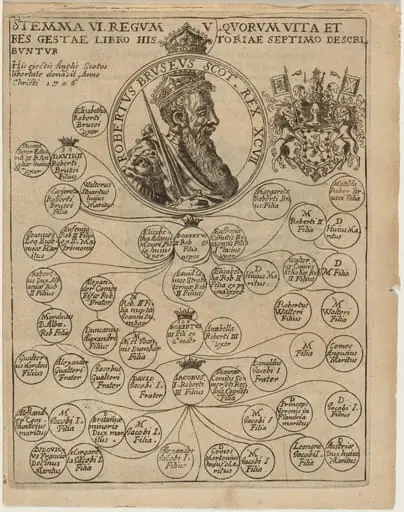 Robert de Bruce VIII, King of Scotland
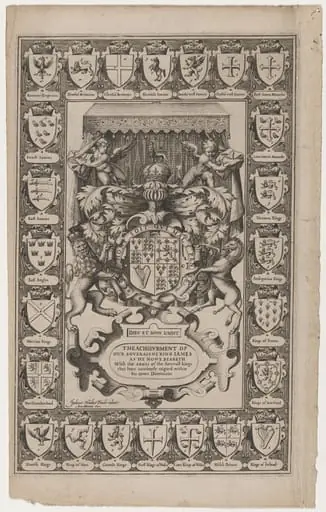 Title Page for the Achievement of our Soveraigne King James
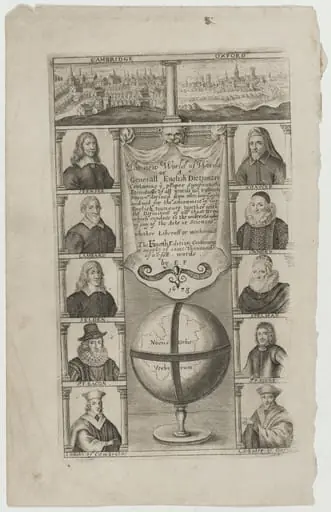 Title Page to The New World of Words or A General English Dictionary
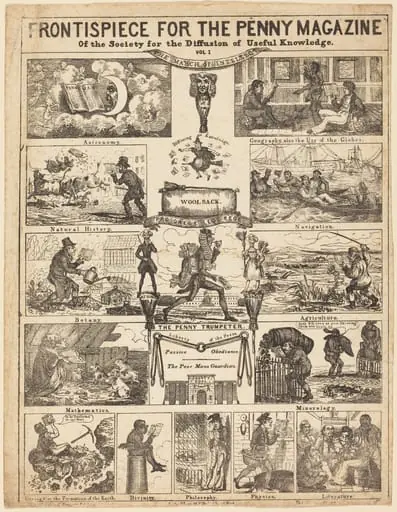 Frontispiece for the Penny Magazine of the Society for the Diffusion of Knowledge: Vo
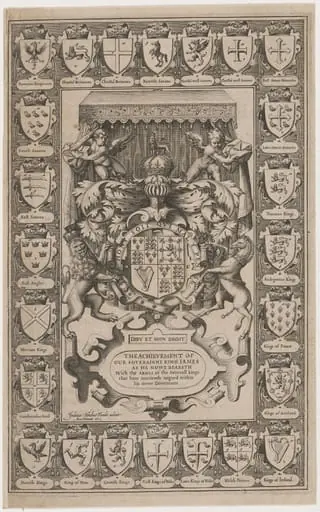 Title Page for the Achievement of our Soveraigne King James
![Coins [plate 8], by Jacques Callot](https://artifactworldgallery.com/img/jacques-callot--coins-plate-8--065000946c0ac004-w320.webp) Coins [plate 8]
Coins [plate 8]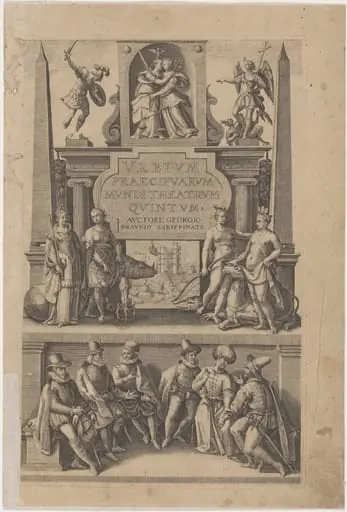 Title Page to Urbium Praecipuarum Mundi Theatrum Quintum
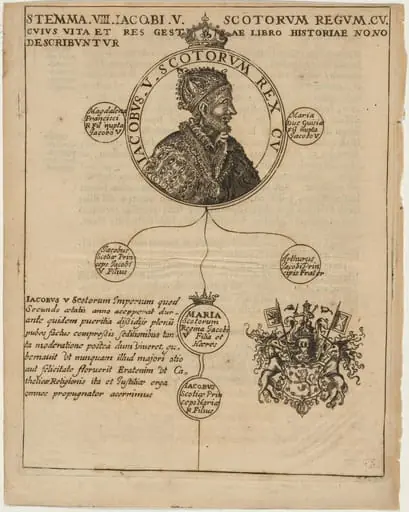 James V of Scotland with Geneology
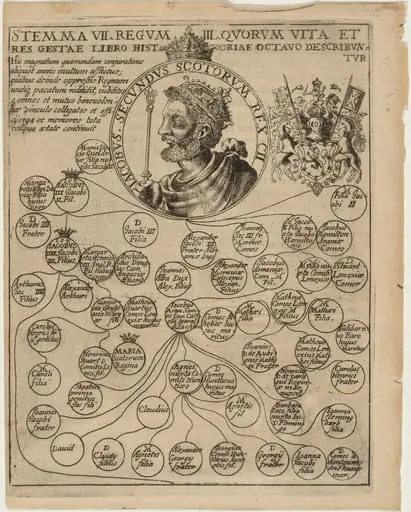 James II of Scotland with Geneology of the Stuarts