Artwork
Charles I
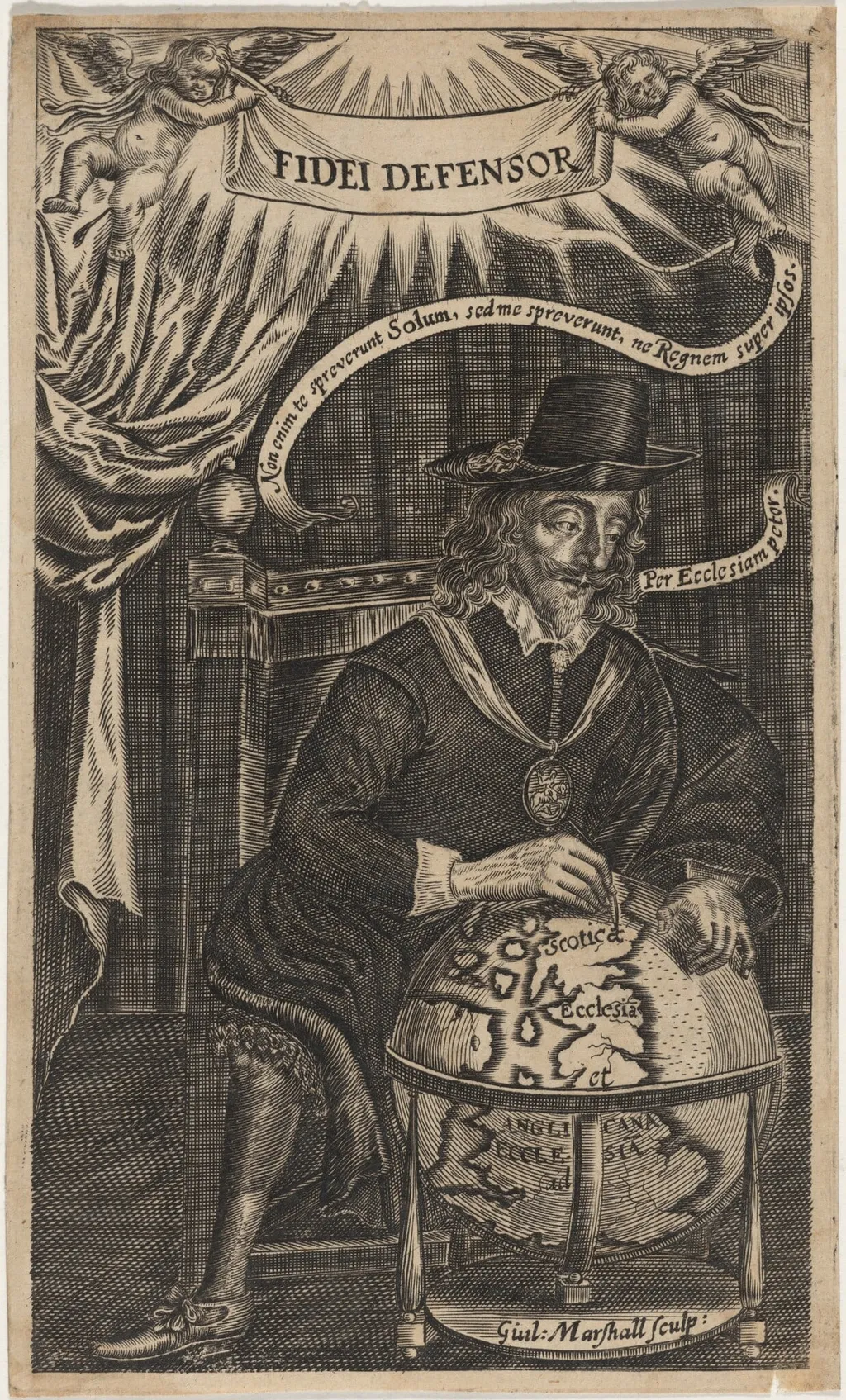
Charles I is an ink print by the Renaissance artist William Marshall. It dates from 1623 and is held in the collection of the National Gallery of Art.
About this work
Overview
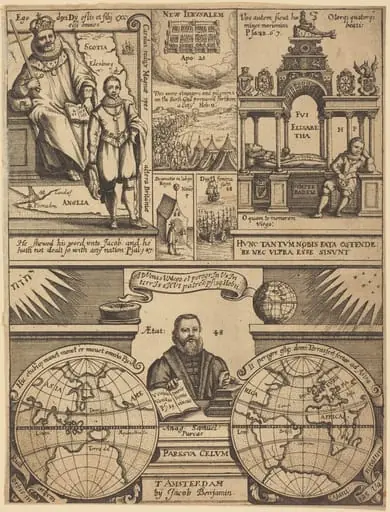
Charles I is an engraving by William Marshall, dated to 1623, depicting the English monarch in a symbolic and detailed composition.
Subject & Meaning
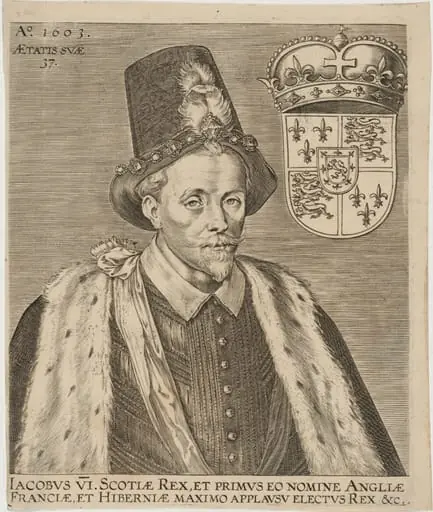
The engraving portrays Charles I with attributes of his power and titles: a globe emphasizing his role in uniting Scotland and England, a book with Latin text, and the *FIDEI DEFENSOR* (Defender of the Faith) banner above. His serious expression and the regal coat of arms on the globe underscore his authoritative position.
Technique & Style
Executed as an engraving, this work showcases Marshall's skill in carving intricate designs into a metal plate. The piece features fine details, from the subject's beard and clothing to the swirling background patterns and the crowned motif at the top, demonstrating the precision achievable through engraving.
History & Provenance
Created in 1623 by William Marshall, specific details about the engraving's original commission, ownership history, or exhibition record are not provided in the available information.
Context
The work reflects the political and religious themes of Charles I's reign, with symbols like the *FIDEI DEFENSOR* title and the unified Scotland and England on the globe, highlighting the monarch's dual role in religious and territorial unification.
Legacy
The enduring significance of *Charles I* by William Marshall lies in its representation of early 17th-century English monarchical iconography and the technical prowess of engraving during this period, though its broader impact on art history or popular culture is not detailed in the provided sources.
Artist & collection