Artwork
Thomas Percy
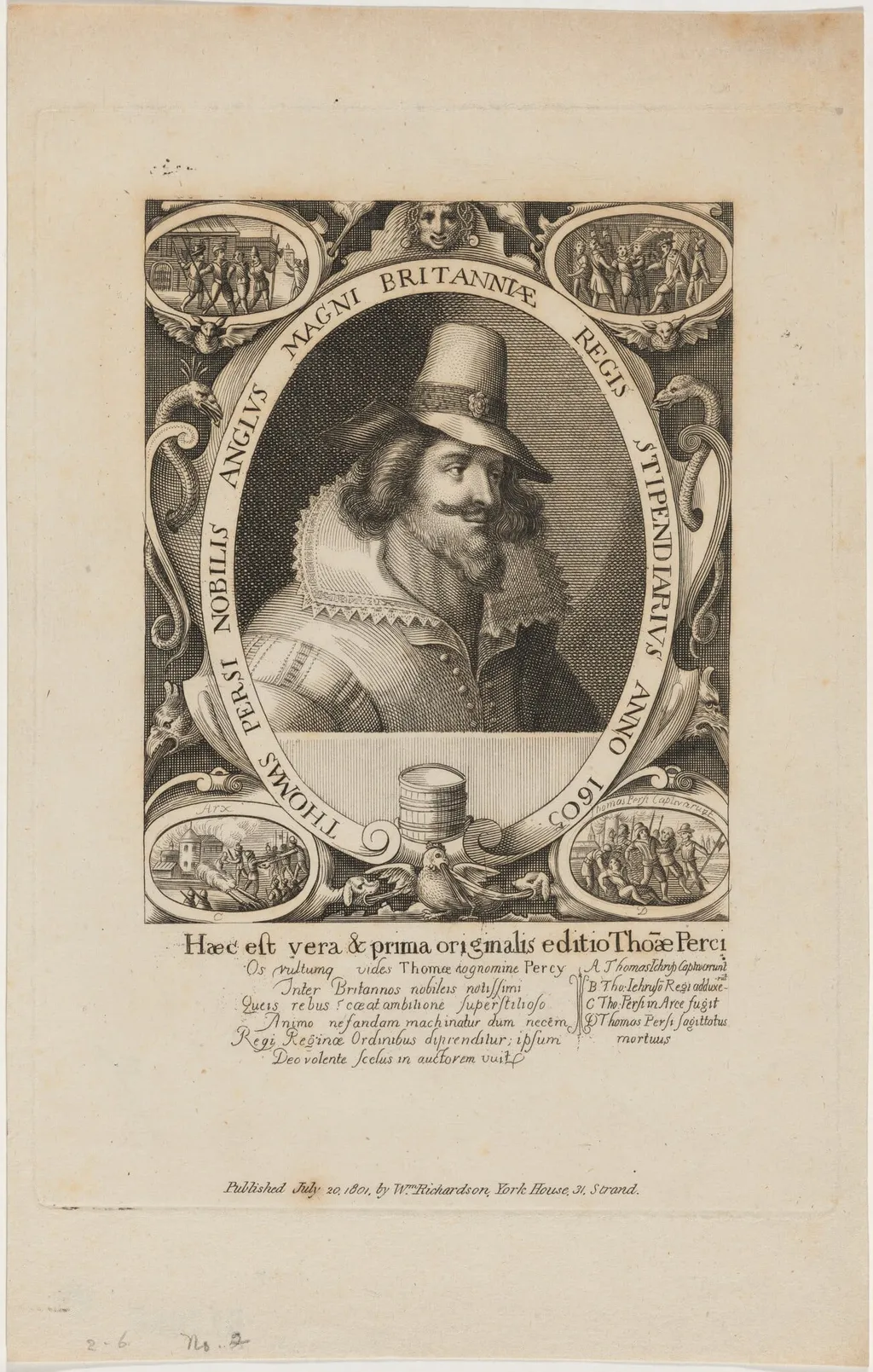
Thomas Percy is a print by the Baroque artist Unknown 19th Century. It dates from 1605 and is held in the collection of the National Gallery of Art.
About this work
If you're interested in learning more about this style of art, you might want to explore the Baroque movement.
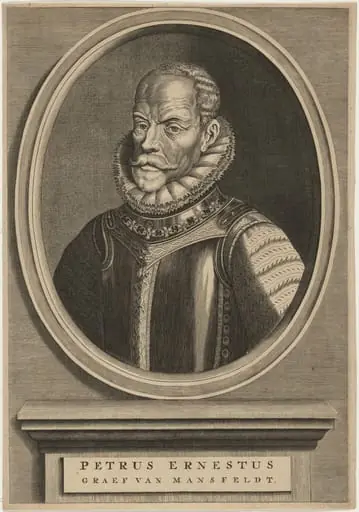
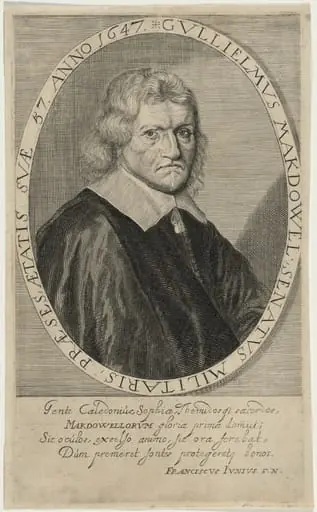
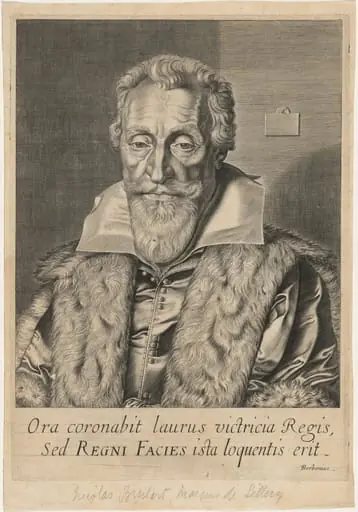
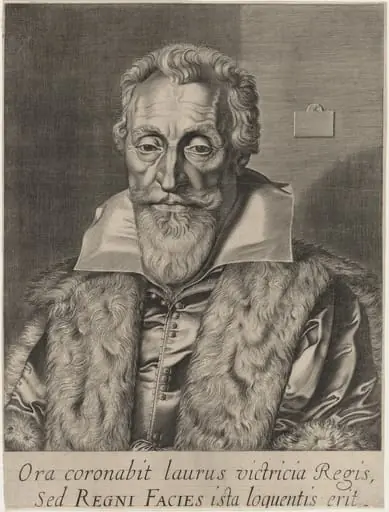
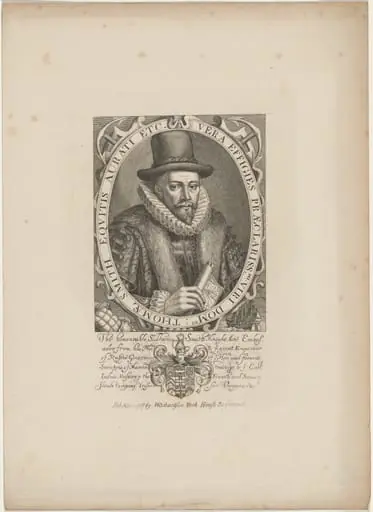
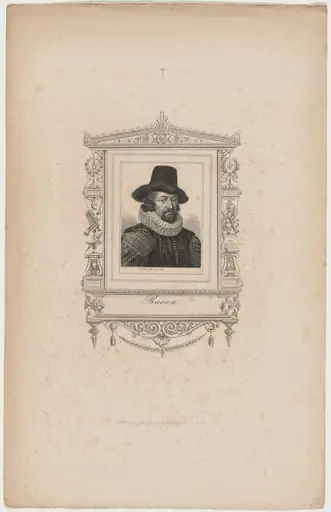
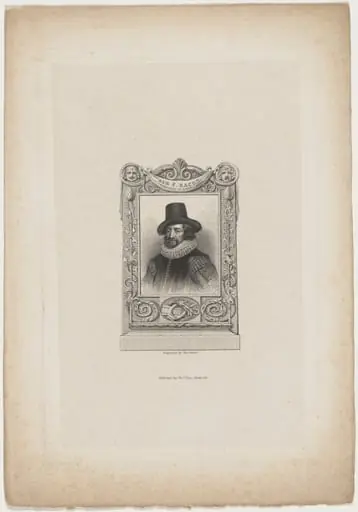
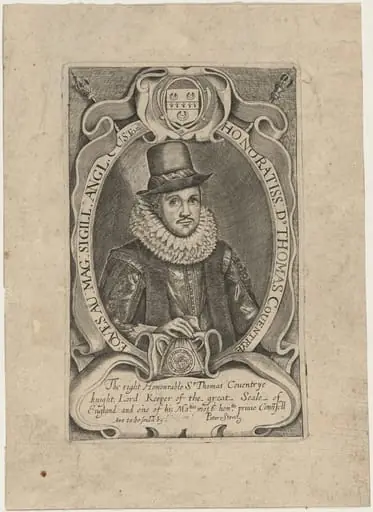
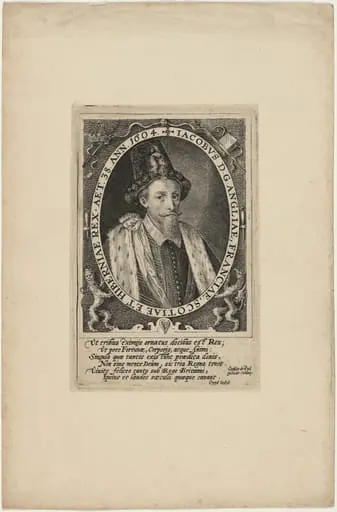
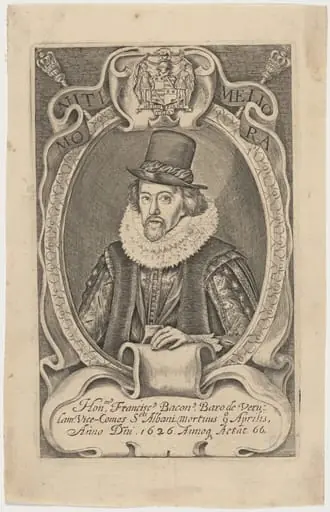
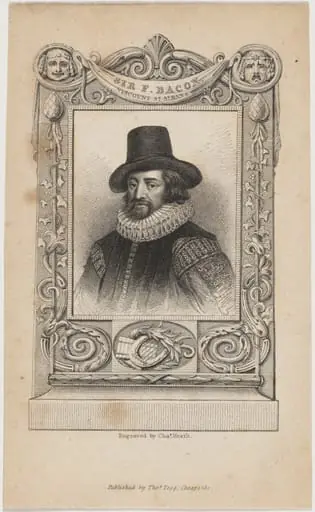
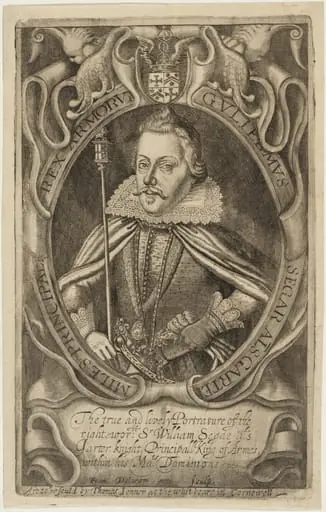
This image is a facsimile of a portrait from 1605, titled "Thomas Percy". The portrait is of a man with a beard and hat, surrounded by an ornate border with text and small images. The border has a decorative design with leaves and flowers, and the text appears to be in Latin.
The portrait is done in a detailed and realistic style, with a focus on the subject's face and clothing. The background is dark, which helps to highlight the subject's features. The overall effect is one of grandeur and importance.
If you're interested in learning more about this style of art, you might want to explore the Baroque movement.
Overview
This facsimile reproduces a 1605 portrait of Thomas Percy, an English nobleman involved in the Gunpowder Plot. The original image presents a formal, full-face depiction rendered with precision, set within an elaborate decorative frame. The composition emphasizes the subject’s likeness through controlled lighting and detailed rendering of fabric and facial features, typical of early 17th-century English portraiture.
Subject & Meaning
Thomas Percy, a key conspirator in the failed 1605 plot to assassinate King James I, is portrayed with solemn dignity. The inclusion of Latin inscriptions and symbolic floral motifs in the border suggests an attempt to legitimize his status despite his later infamy. The portrait functions as a formal record, aligning him with the visual language of authority, even as historical events would soon redefine his legacy.
Technique & Style
The portrait employs a realistic approach with careful attention to texture—particularly in the beard, collar, and hat. A dark, unmodulated background isolates the figure, enhancing three-dimensionality. The ornate border, featuring botanical elements and Latin script, reflects the tradition of engraved portrait frames common in noble commissions, blending heraldic symbolism with Renaissance humanist aesthetics.
History & Provenance
The original portrait was likely commissioned shortly before Percy’s involvement in the Gunpowder Plot became public. After his death in 1605, such images were either destroyed or suppressed. This facsimile preserves a rare surviving version, possibly created for archival or scholarly use in the centuries following, ensuring the visual record endured despite political erasure.
Context
Produced during a period of intense religious and political tension in England, the portrait reflects the use of imagery to assert social standing amid instability. Similar portraits of nobility often combined personal likeness with allegorical elements to convey legitimacy. Percy’s image, though later tainted by treason, initially followed conventions used to honor loyal subjects of the crown.
Legacy
Though Percy is remembered for his role in a violent act of rebellion, this portrait remains a document of how individuals sought to project authority through visual culture. The facsimile serves as a historical artifact, preserving the aesthetic norms of early Jacobean portraiture and offering insight into how identity was constructed and preserved—even for those later condemned by history.
Artist & collection

Artist