Artwork
Guliemus Segar (Sir William Segar, Garter King of Arms)
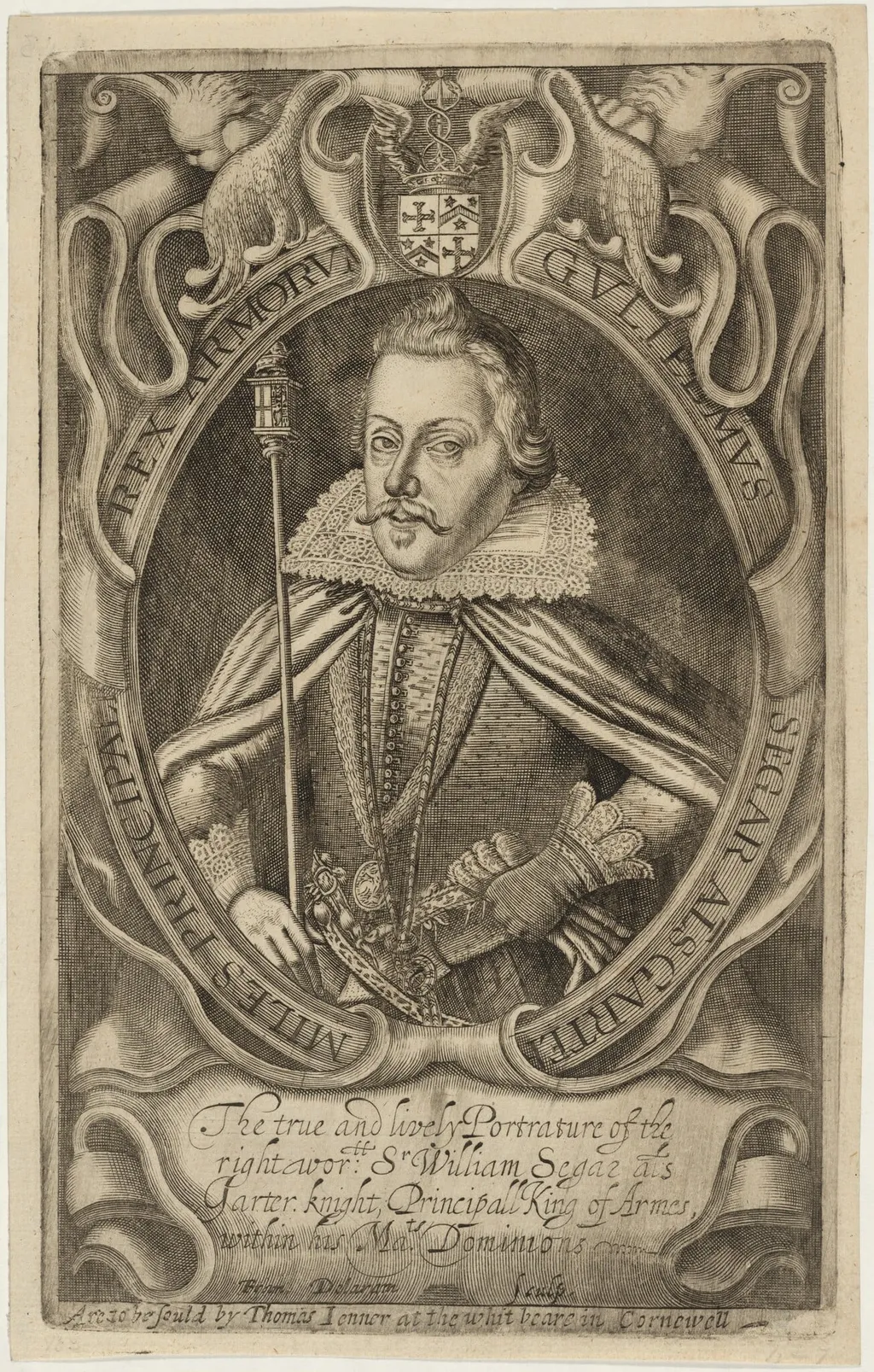
Guliemus Segar (Sir William Segar, Garter King of Arms) is an ink print by the Renaissance artist Francis Delaram. It dates from 1608 and is held in the collection of the National Gallery of Art.
About this work
Overview
This 1608 engraving by Francis Delaram portrays Sir William Segar, who served as Garter King of Arms, the senior herald of the English royal household.
This 1608 engraving by Francis Delaram portrays Sir William Segar, who served as Garter King of Arms, the senior herald of the English royal household. Executed in black ink on paper, the print is a formal portrait designed to convey status and office. Delaram, an English engraver with probable Flemish training, employed fine linear detail typical of early 17th-century printmaking to render the figure and its symbolic accoutrements.
Subject & Meaning
Sir William Segar is depicted in full ceremonial attire, including a ruffled collar and buttoned coat, signifying his high rank. He holds a staff topped with a cross, emblematic of his heraldic authority. Above him, a crown and ornamental cherubs reference royal patronage and divine sanction of his office. The inscribed text confirms his title and role, reinforcing the image as an official representation rather than a personal likeness.
Technique & Style
Delaram used fine, controlled engraving lines to create texture in fabric, hair, and decorative elements. The cherubs and swirling motifs around the figure reflect Flemish decorative traditions, common in Northern European printmaking of the period. While the figure is rendered with precision, the background patterns appear less resolved, suggesting either haste or a deliberate focus on the subject over setting.
History & Provenance
Created in 1608, the engraving was likely produced to document or commemorate Segar’s appointment to Garter King of Arms, a position he assumed in 1603. As a printed image, it would have circulated among courtiers and heraldic institutions. No definitive early ownership records survive, but its survival in institutional collections indicates its continued relevance as a record of Tudor-Stuart heraldic office.
Context
In early 17th-century England, heralds like Segar managed genealogies, coats of arms, and ceremonial protocol for the monarchy. Portraits of such officials were rare in print form, making this engraving a notable example of institutional portraiture. Delaram’s work aligns with a broader trend of using engraved portraits to legitimize and memorialize state functionaries during a period of growing bureaucratic formalism.
Legacy
The engraving remains one of the few surviving visual records of Sir William Segar and exemplifies the role of print in documenting early modern English heraldry. Though stylistically dated, its precise rendering of regalia and title offers valuable insight into the visual language of authority in Jacobean England. It continues to be referenced in studies of heraldic tradition and print culture.
Artist & collection
Artist
Francis Delaram (born around 1590, fl. 1615–1624 or 1627), was an English engraver. Delaram left a substantial collection of engraved portraits, landscapes and book illustrations (specifically, William Camden's…

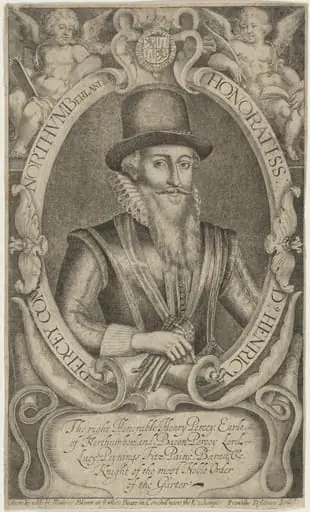 Henricus Percye (Henry Percy, Ninth Earl of Northumberland)
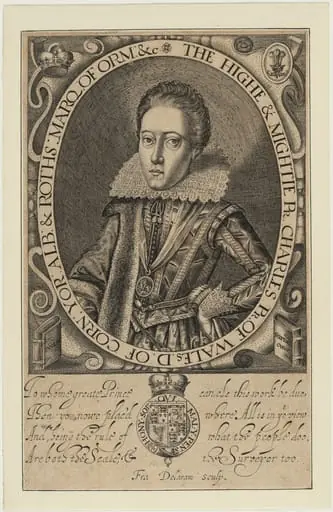 Charles I, as Prince of Wales
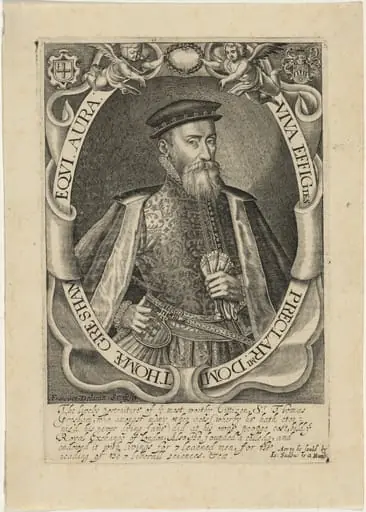 Sir Thomas Grisham
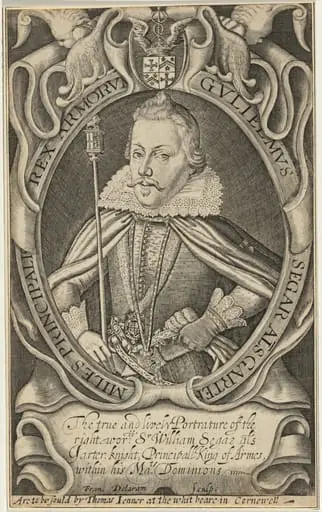 Guliemus Segar (Sir William Segar)
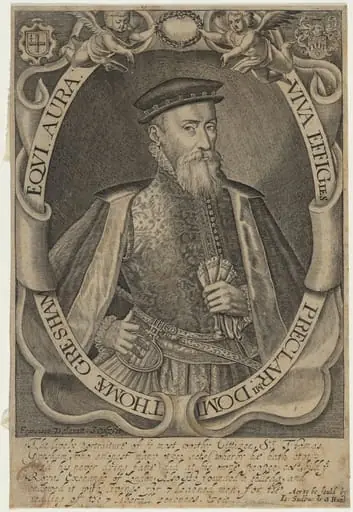 Thomae Gresham Equi. Aura (Sir Thomas Gresham)
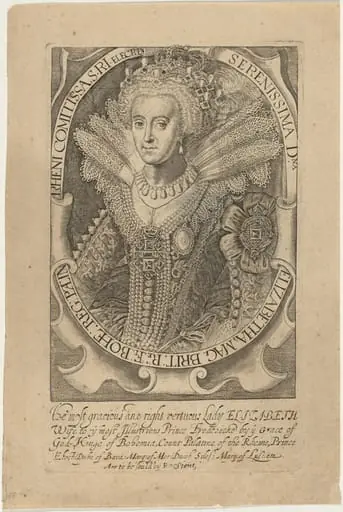 Elizabeth, Queen of Bohemia
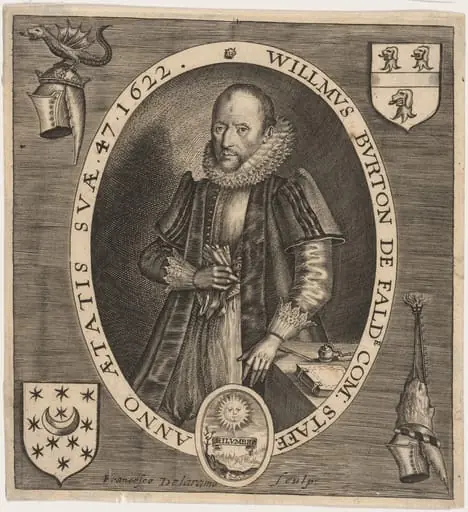 Willmus Burton de Falde (William Burton)
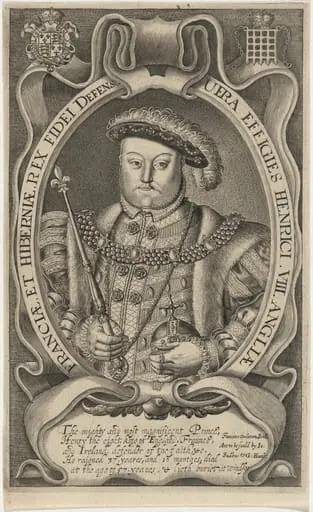 Henrici VIII Angliae, Franciae et Hiberniam Rex (King Henry VIII)
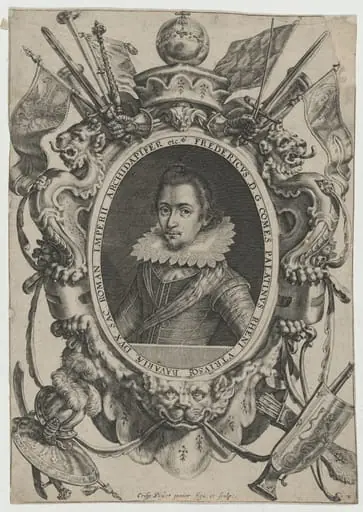 Frederick V, Elector Palatine, King of Bohemia
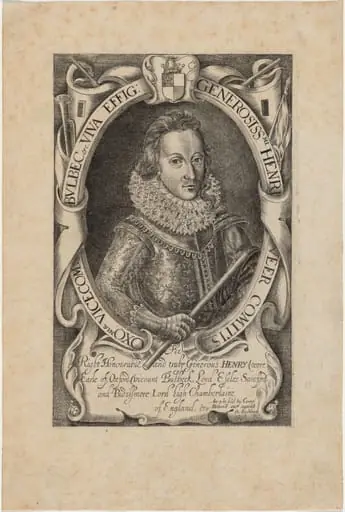 Henry de Vere, Eighteenth Earl of Oxford
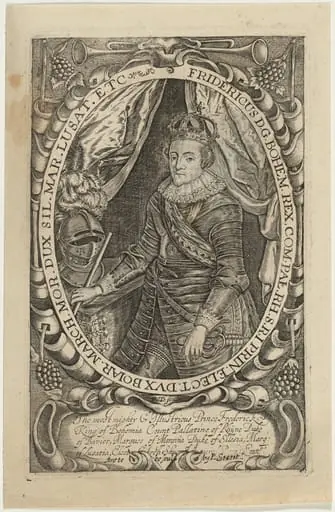 Fredericus D.G. Bohem. Rex (Frederick V, Kingof Bohemia)
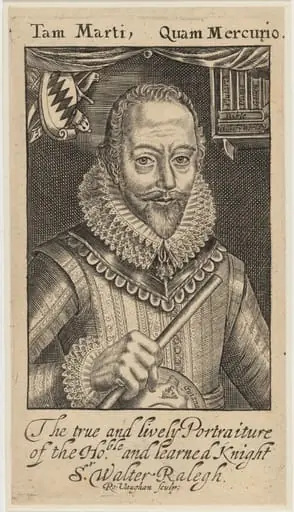 Sir Walter Raleigh
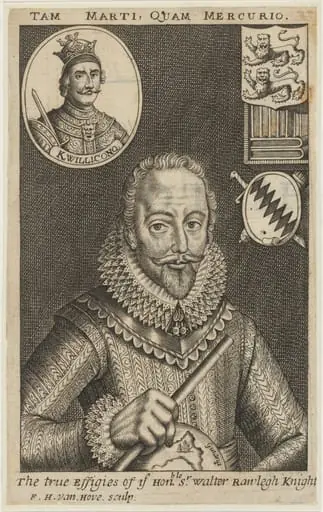 Sir Walter Raleigh
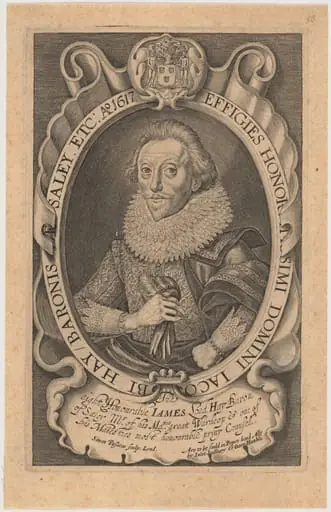 James Hay, First Earl of Carlisle
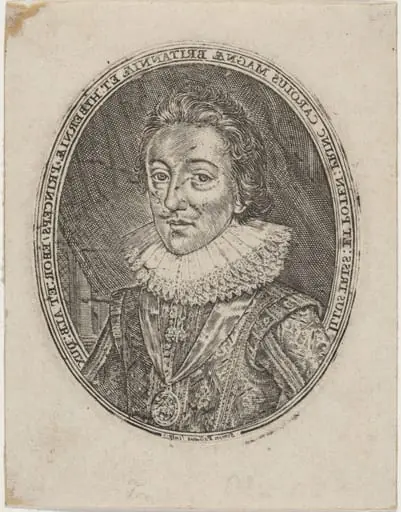 Charles I, King of England
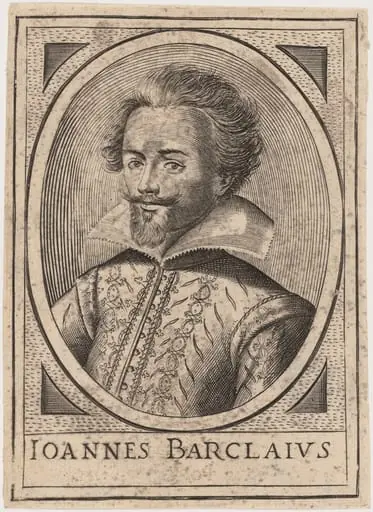 John Barclay
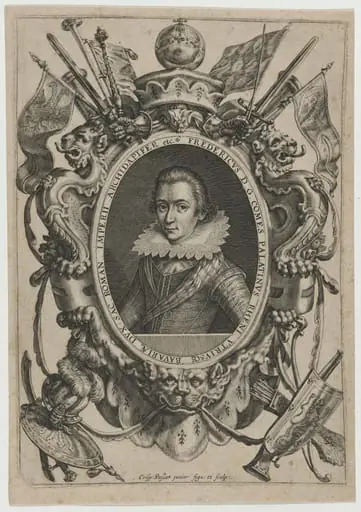 Frederick V, Elector Palatine, King of Bohemia
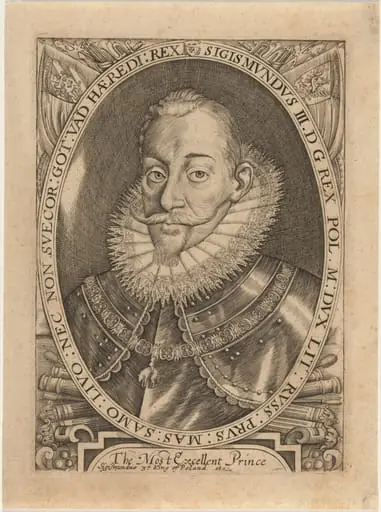 Sigismund III, King of Poland and Sweden
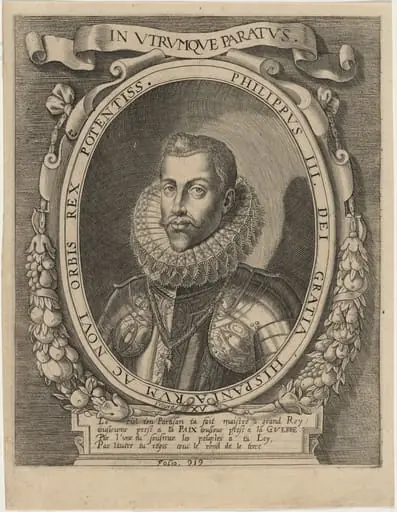 Philip III, King of Spain