Artwork
Title Page to Angleterre
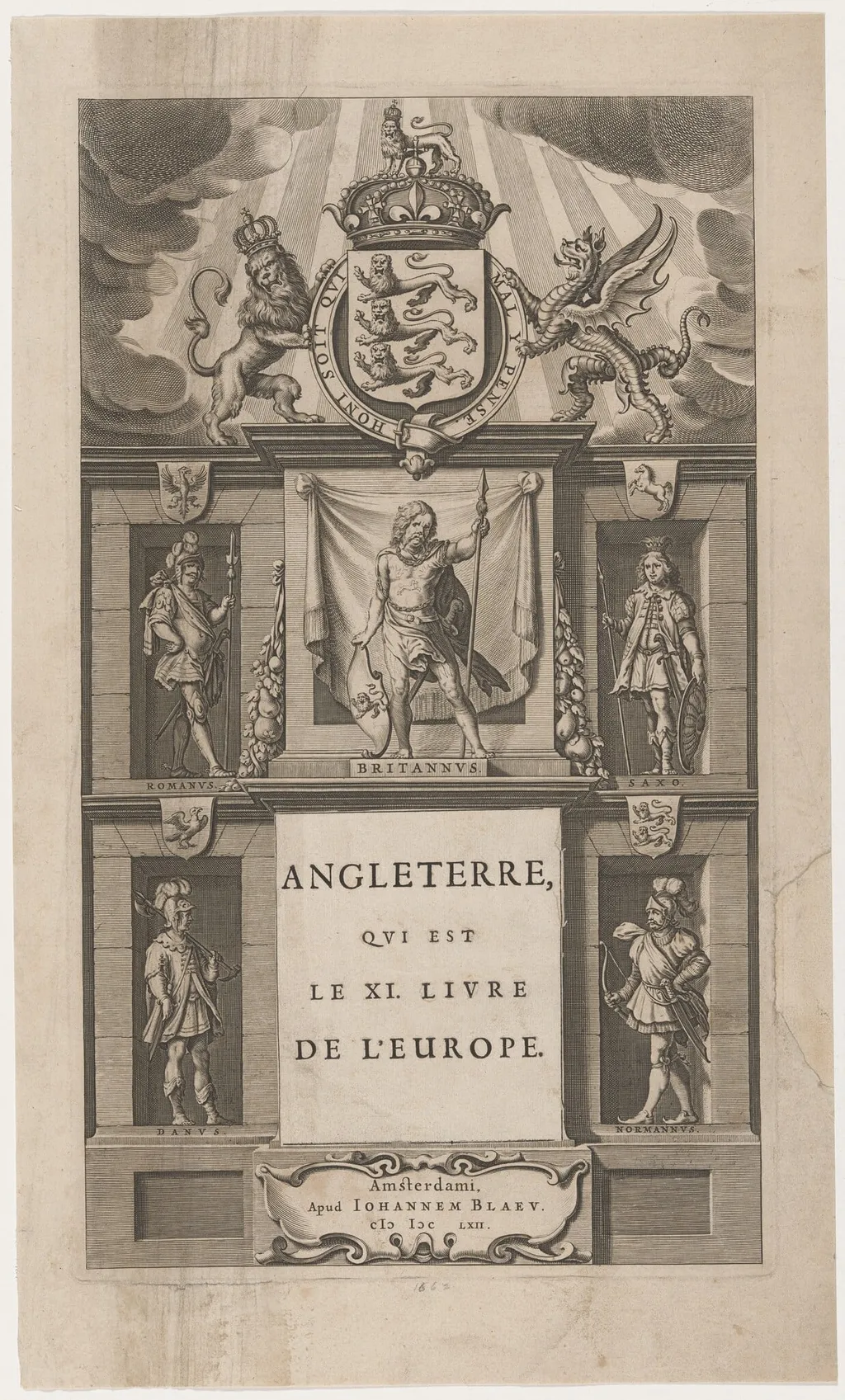
Title Page to Angleterre is an ink print by the Baroque artist Unknown 19th Century. It dates from 1662 and is held in the collection of the National Gallery of Art. This engraved print serves as a title page for a volume titled 'Angleterre,' the eleventh book in a series on Europe.
About this work
Overview
The print concludes with the name of an Amsterdam printer, indicating its origin and function as part of a published geographical or political work.
This engraved print serves as a title page for a volume titled 'Angleterre,' the eleventh book in a series on Europe. It features a heraldic shield crowned with lions, flanked by four figures in individual compartments. Each figure holds a symbolic object—flag or spear—while the central figure, bare-chested, bears a banner. The print concludes with the name of an Amsterdam printer, indicating its origin and function as part of a published geographical or political work.
Subject & Meaning
The imagery personifies England through heraldic symbols: the crowned shield with three lions represents the royal arms of England, evoking sovereignty and historical continuity. The four figures in boxes may symbolize regional identities or social orders within the nation, with the central bare-chested man possibly embodying the people or martial virtue. The Latin inscription anchors the image as part of a broader European cartographic or encyclopedic project.
Technique & Style
Executed in fine-line engraving, the print demonstrates precise incisions to render texture and form, particularly in the lions’ fur and the folds of banners. The composition is rigidly structured, with symmetrical placement of figures and heraldic elements. The style reflects Northern European print traditions of the period, emphasizing clarity and symbolic legibility over naturalism, typical of illustrated reference works of the time.
History & Provenance
The print was produced in Amsterdam, a major center for cartographic and scholarly publishing in the 17th century. Its inclusion in a multi-volume series on Europe suggests it was part of a commercial or academic project aimed at disseminating geographic and political knowledge. The printer’s name at the base confirms its origin in a bustling print culture that catered to educated audiences across Europe.
Context
This print emerged during a period when European nations were increasingly defined through visual symbols in printed media. Illustrated volumes on geography and political entities were popular among scholars and elites. The use of heraldry and allegorical figures aligned with contemporary efforts to systematize knowledge, reflecting both national pride and the intellectual trends of early modern encyclopedism.
Legacy
As a representative example of 17th-century print culture, this title page illustrates how national identity was visually codified for public consumption. Though not widely known today, such works contributed to the standardization of national iconography and the spread of geographic literacy. Its survival offers insight into how printed images shaped perceptions of Europe’s political landscape in the early modern era.
Artist & collection

Artist


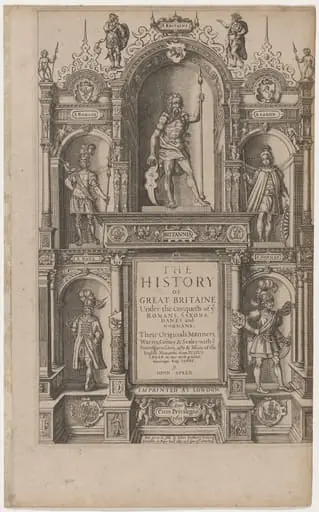 Title Page to "The History of Great Britaine" by John Speed
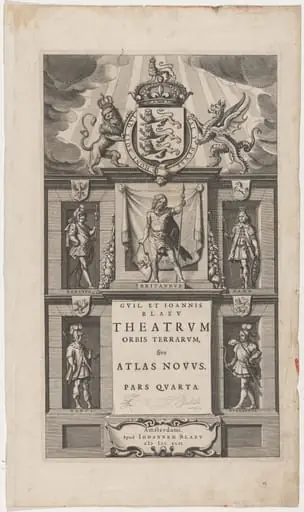 Title Page to Atlas Novus by William and JohnBlaev
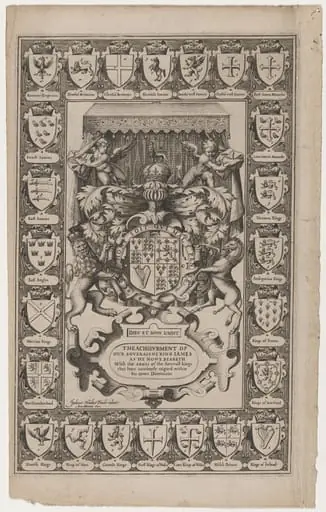 Title Page for the Achievement of our Soveraigne King James
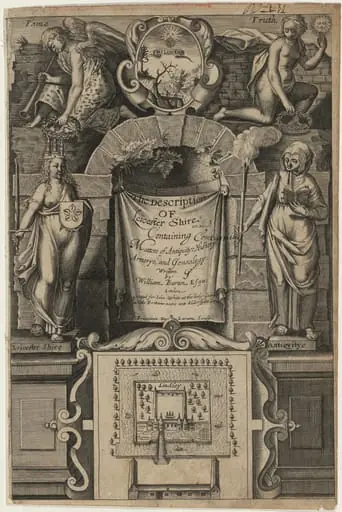 Frontispiece to William Burton, Description of Leicestershire
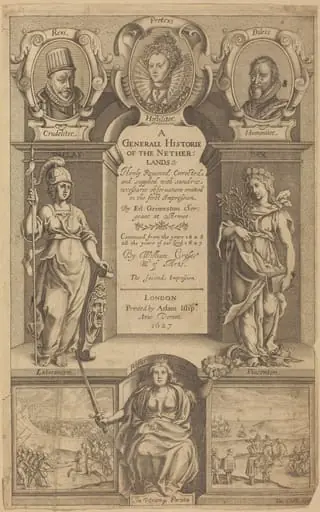 Frontispiece
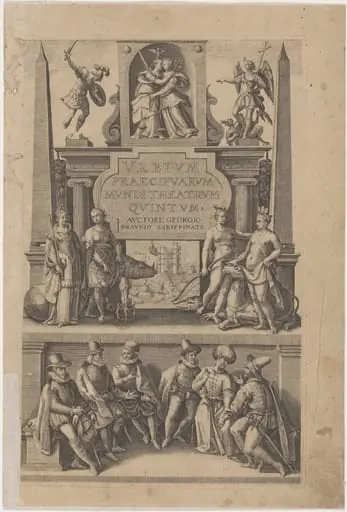 Title Page to Urbium Praecipuarum Mundi Theatrum Quintum
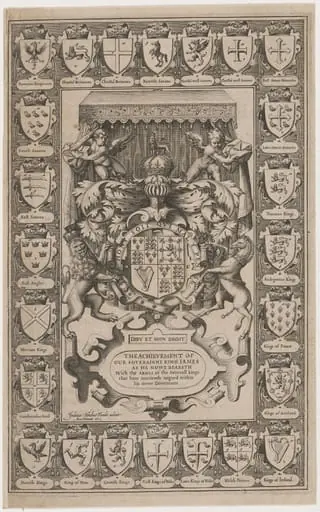 Title Page for the Achievement of our Soveraigne King James
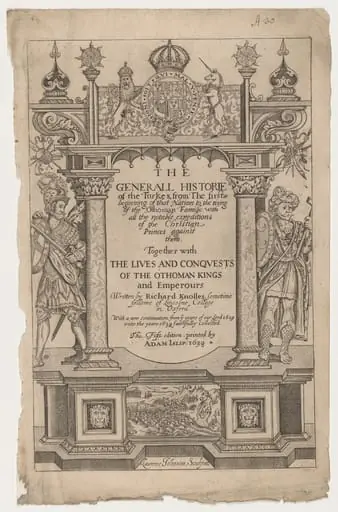 Title Page for R. Knolles Generall Historie of the Turkes
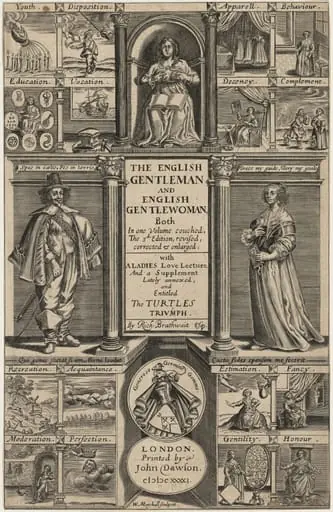 Title page to Richard Brathwait, English Gentleman and English Gentlewoman
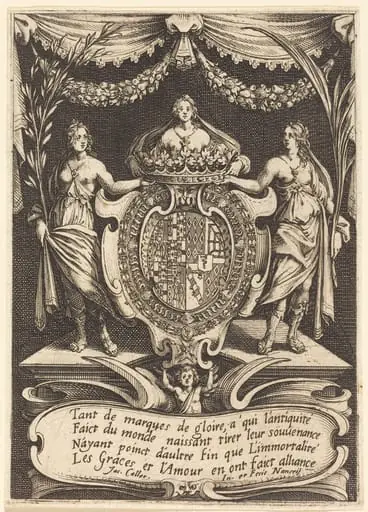 Frontispiece for "The Combat at the Barrier"
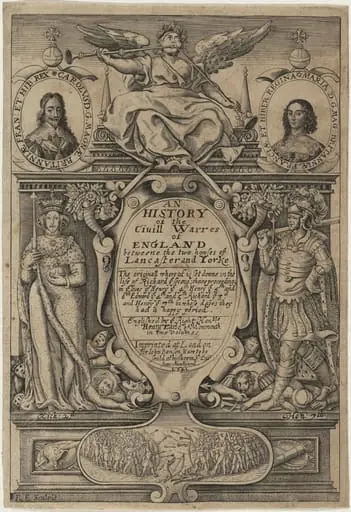 Title page, An History of the Civill Warres of England
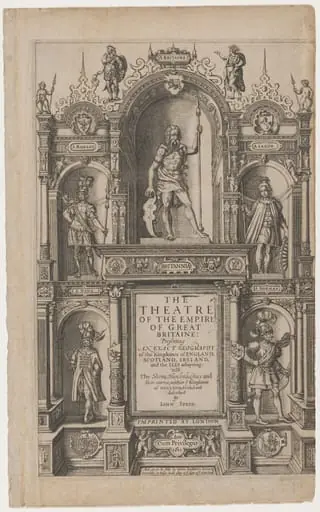 Title Page to "The Theatre of the Empire of Great Britaine" by John Speed