Artwork
Title Page to the Moderne World of Words, or A Universal English Dictionary
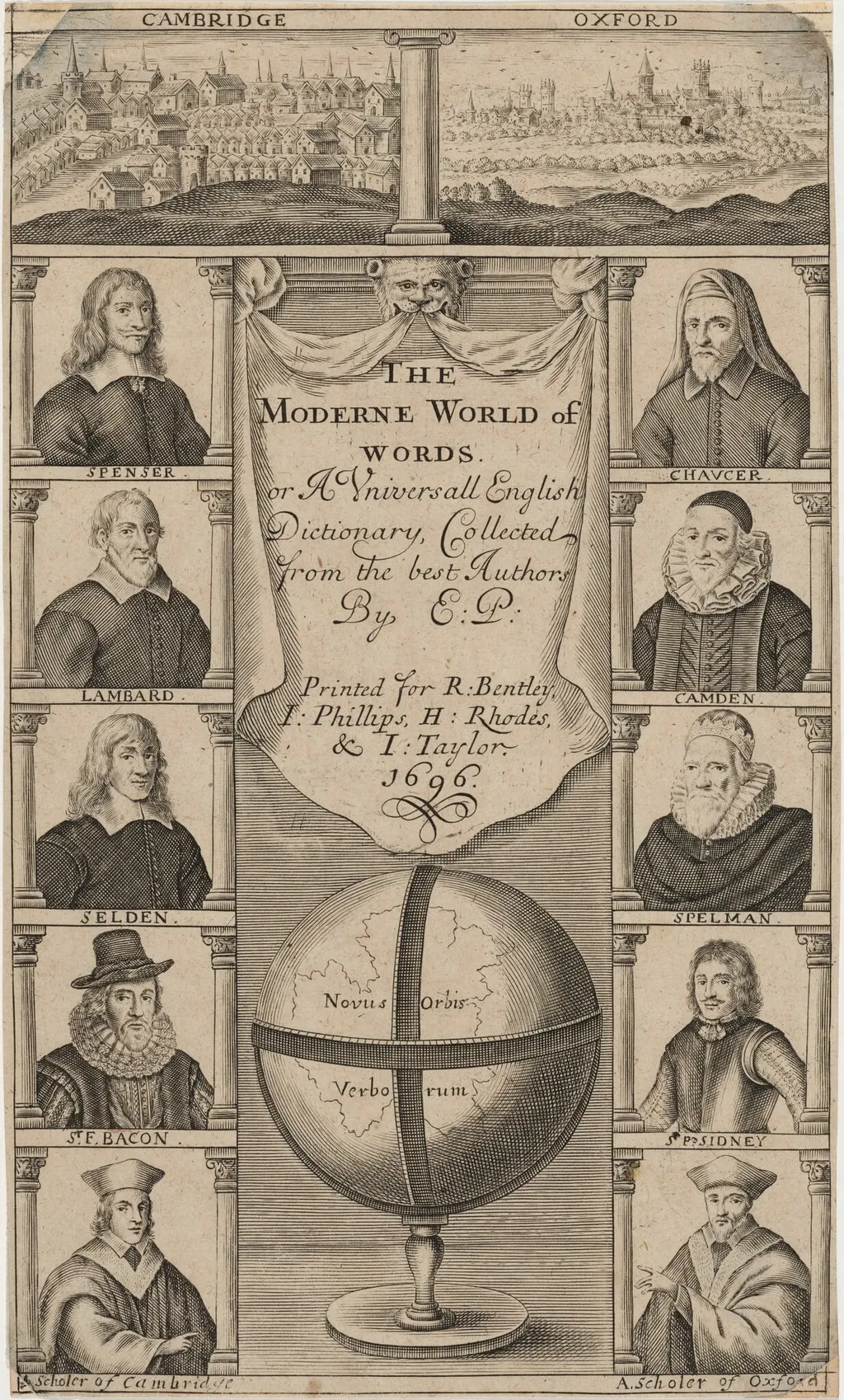
Title Page to the Moderne World of Words, or A Universal English Dictionary is an ink print by the Romanticist artist Unknown 19th Century. It dates from 1850 and is held in the collection of the National Gallery of Art. The print is an engraved title page intended for a dictionary called *The Moderne World of Words*.
About this work
Around it, eight portraits of men in old-fashioned clothes are arranged in a circle, each with a name like Spenser, Bacon, or Chaucer.
This engraving shows a title page for a dictionary. At the top, two small town scenes are labeled "Cambridge" and "Oxford." In the center, a globe sits under the title *The Moderne World of Words*. Around it, eight portraits of men in old-fashioned clothes are arranged in a circle, each with a name like Spenser, Bacon, or Chaucer.
The globe has the words *Novus Orbis* (new world) and *Verborum* (of words) on it. The text says it was printed in 1696, but this page is actually a later copy. The portraits look like scholars or writers from long ago.
Want to see how this kind of print was made? Look up engraving.
Overview
The print is an engraved title page intended for a dictionary called *The Moderne World of Words*. Central to the composition is a globe bearing the Latin terms *Novus Orbis* and *Verborum*, flanked by two miniature townscapes labeled “Cambridge” and “Oxford.” The page is framed by a circular arrangement of eight portrait busts of historic literary figures such as Spenser, Bacon and Chaucer.
Subject & Meaning
The imagery links the dictionary to the intellectual traditions of England’s leading universities and to a lineage of celebrated writers. By placing a globe of “new words” at the center, the design suggests a universal scope for language, while the surrounding scholars reinforce the work’s scholarly authority.
Technique & Style
Executed as an engraving, the image relies on incised lines to render fine detail in the portraits, architectural miniatures, and the globe’s lettering. The composition balances ornamental symmetry with clear typographic hierarchy, typical of late‑17th‑century title pages.
History & Provenance
Although the title page bears the date 1696, the surviving example is a later reproduction rather than the original printing. The work was produced for a dictionary project that sought to modernize English lexicography during the period.
Context
The inclusion of Cambridge and Oxford reflects the central role of these institutions in shaping English scholarship at the turn of the eighteenth century. The selection of canonical authors underscores the dictionary’s ambition to align contemporary language with the nation’s literary heritage.
Artist & collection

Artist

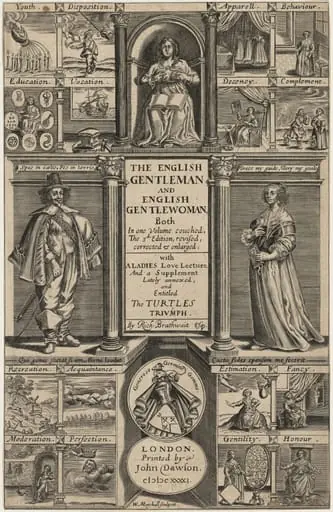 Title page to Richard Brathwait, English Gentleman and English Gentlewoman
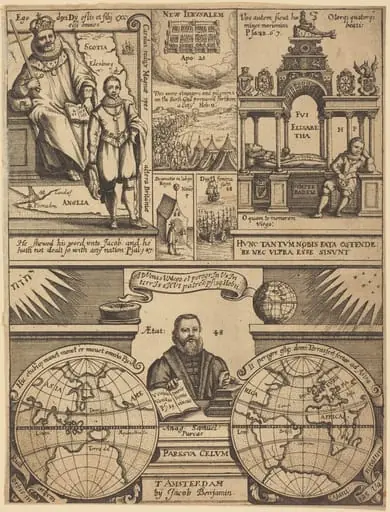 Frontispiece
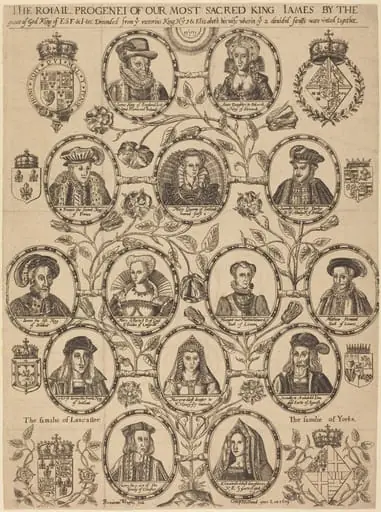 Royal Progeny of King James
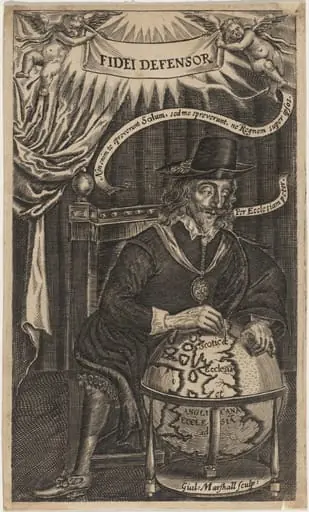 Charles I
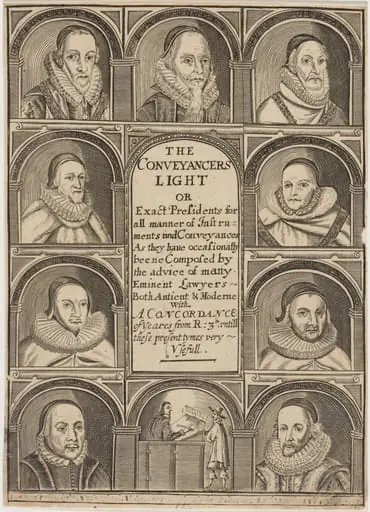 Title Page to the Conveyancers Light
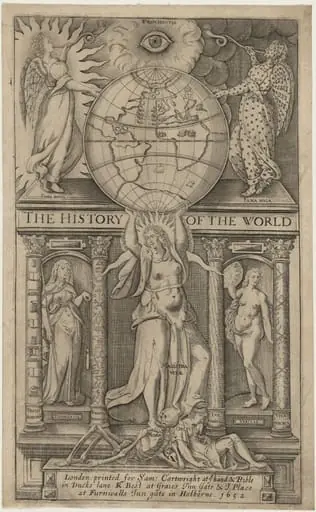 Title Page to Sir Walter Raleigh, History of the World
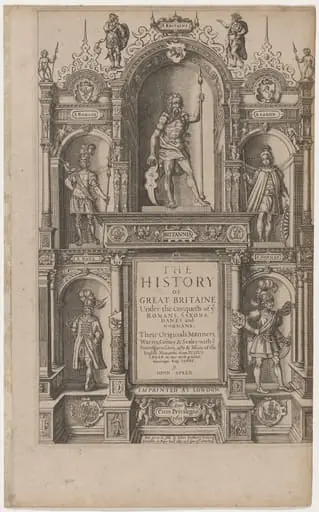 Title Page to "The History of Great Britaine" by John Speed
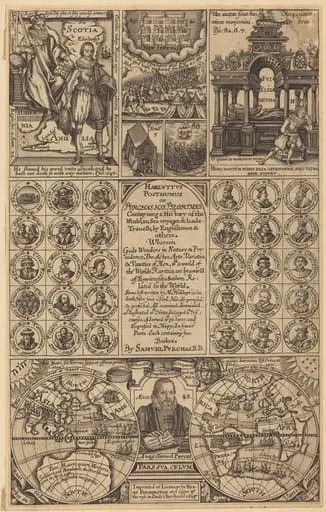 Frontispiece
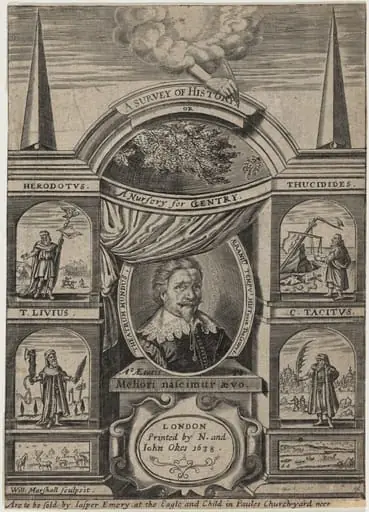 Title page to R. Brathwait, A Survey of History
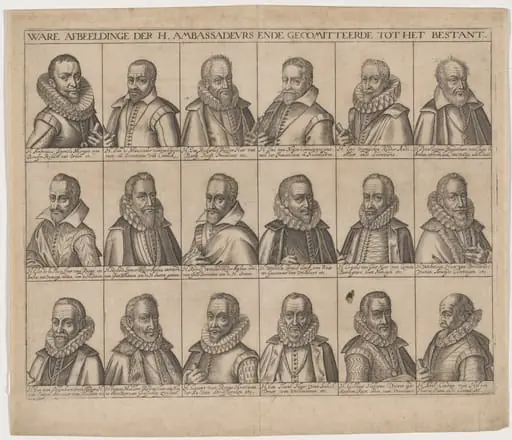 Dutch Ambassadors