Artwork
Title page to R. Brathwait, A Survey of History
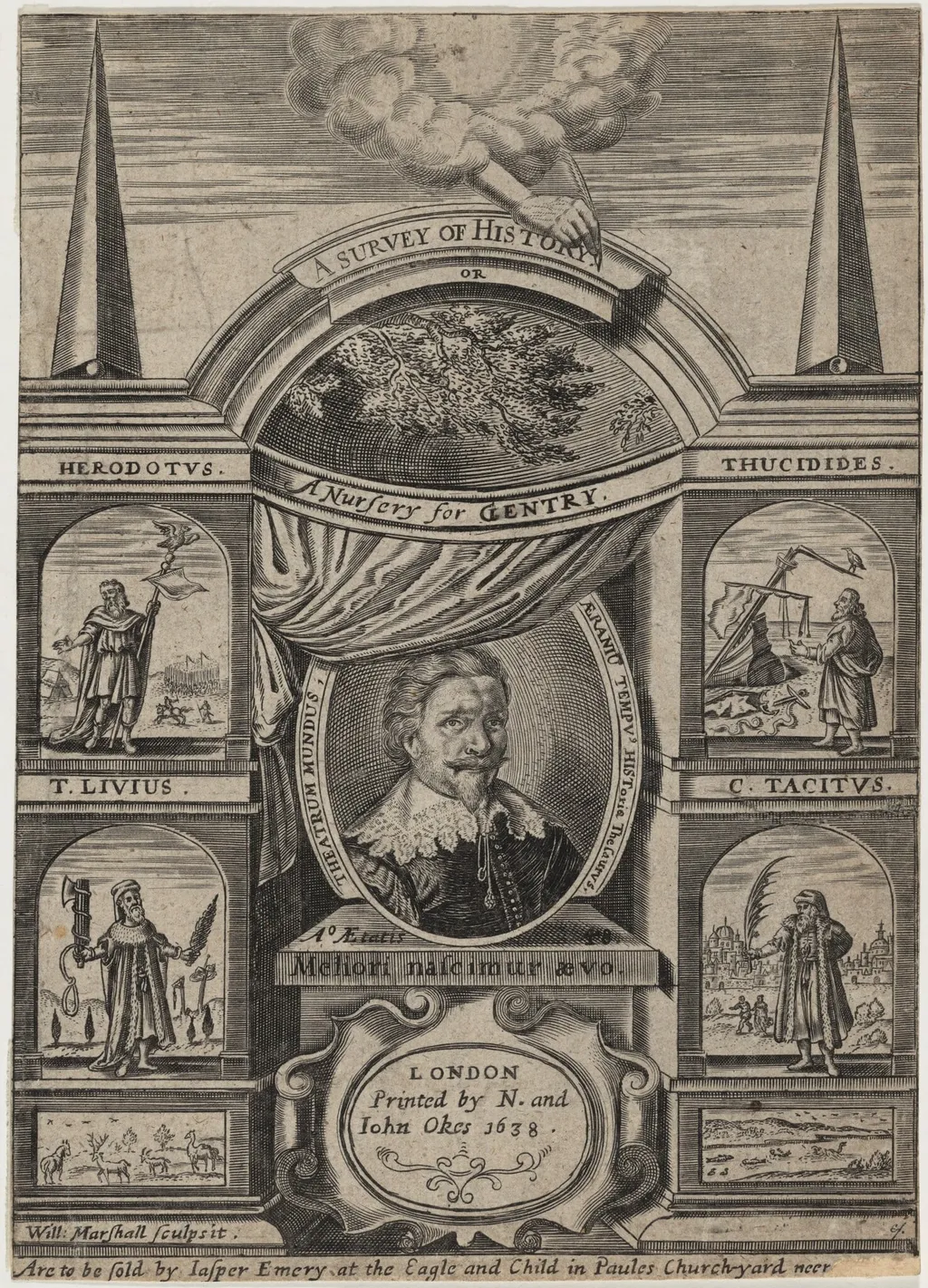
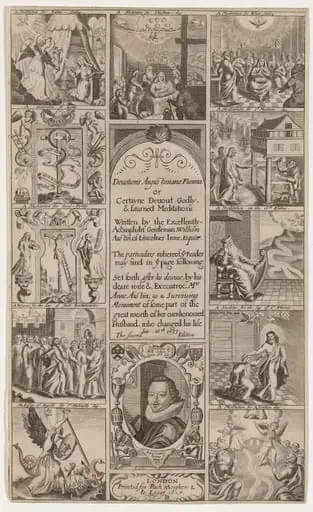
Title page to R. Brathwait, A Survey of History is an ink print by the Baroque artist William Marshall. It dates from 1638 and is held in the collection of the National Gallery of Art.
About this work
The tiny scenes show different historical figures doing their thing—one holds a scroll, another a scale.
This image is a title page for a history book. At the center sits a large portrait of a bearded man in a fancy frame. Around him are four smaller pictures of other men, each holding symbols like a scroll or a sword. The top banner reads *"A Survey of History or A Nursery for Gentry."* The whole thing looks like it was carved into metal.
The tiny scenes show different historical figures doing their thing—one holds a scroll, another a scale. The bottom text says it was printed in London in 1638. This style of printing, where lines are scratched into metal, is called *engraving*.
Want to see how this was made? Look up engraving.
Overview
This 1638 engraving by William Marshall serves as the title page for Richard Brathwait's book, A Survey of History. The composition centralizes a prominently framed portrait of a bearded individual, surrounded by four smaller vignettes of men, each associated with symbolic objects.
Subject & Meaning
The central figure, likely representing the author or a historical archetype, is flanked by smaller portraits of men holding artifacts such as scrolls, swords, and scales, alluding to themes of scholarship, authority, and justice, contextualizing the book's historical and philosophical scope.
Technique & Style
Executed in the engraving technique, the work features lines scratched into metal, characteristic of early 17th-century printmaking. The detailed, intricate design reflects Marshall's skill in this medium.
History & Provenance
Printed in London in 1638, the engraving's provenance is tied to the publication of Brathwait's A Survey of History, with no detailed record of its subsequent ownership or exhibition history provided.
Context
Created during a period of flourishing historical and literary scholarship in England, the title page encapsulates the era's emphasis on classical learning and the emerging interest in organized historical narratives.
Artist & collection

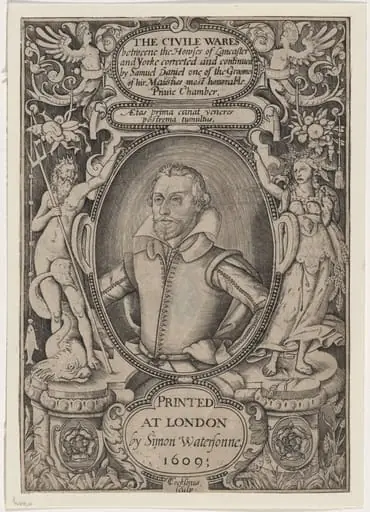 Samuel David
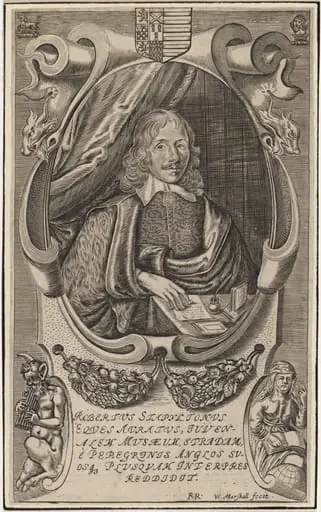 Sir Robert Stapylton
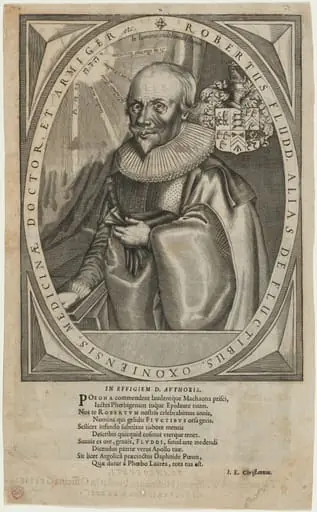 Dr. Robert Fludd, Physician and Rosicrucian
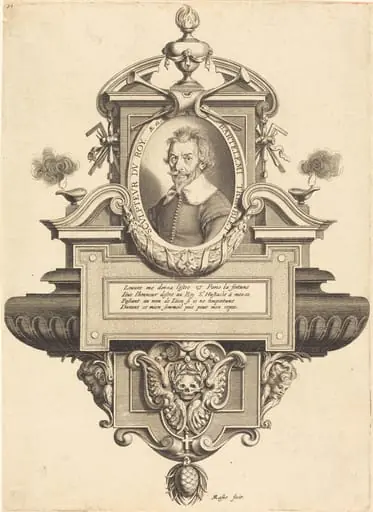 Barthelemy Tremblay
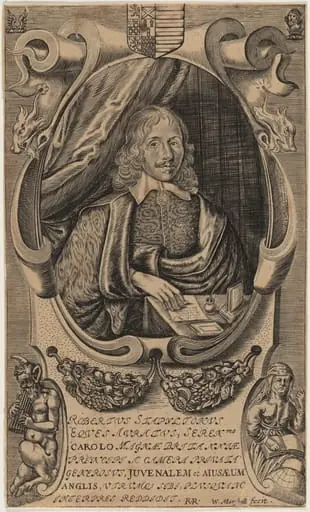 Sir Robert Stapylton, dramatic poet and translator
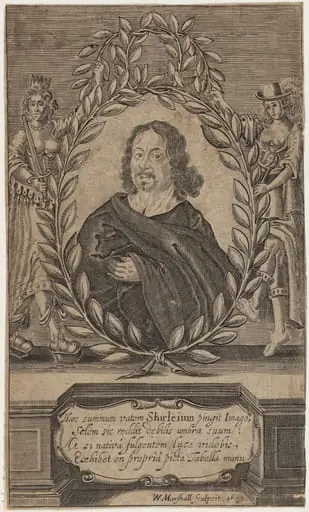 James Shirley
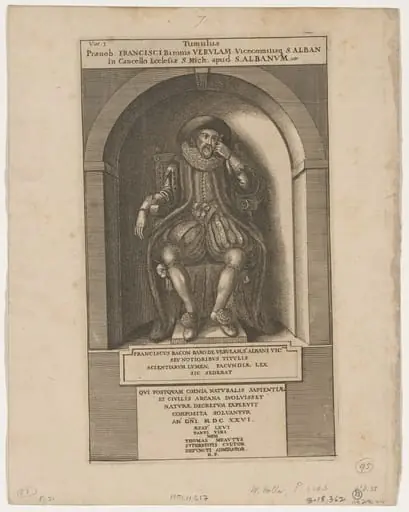 Francis Bacon in a Niche
 Johann Tzerklas, Count of Tilly
 Thomas Percy
 Charles I
 John Donne
 Title Page for Devotionis Augustinianae Flamma, by William Austin