Artwork
Claude de Lingendes
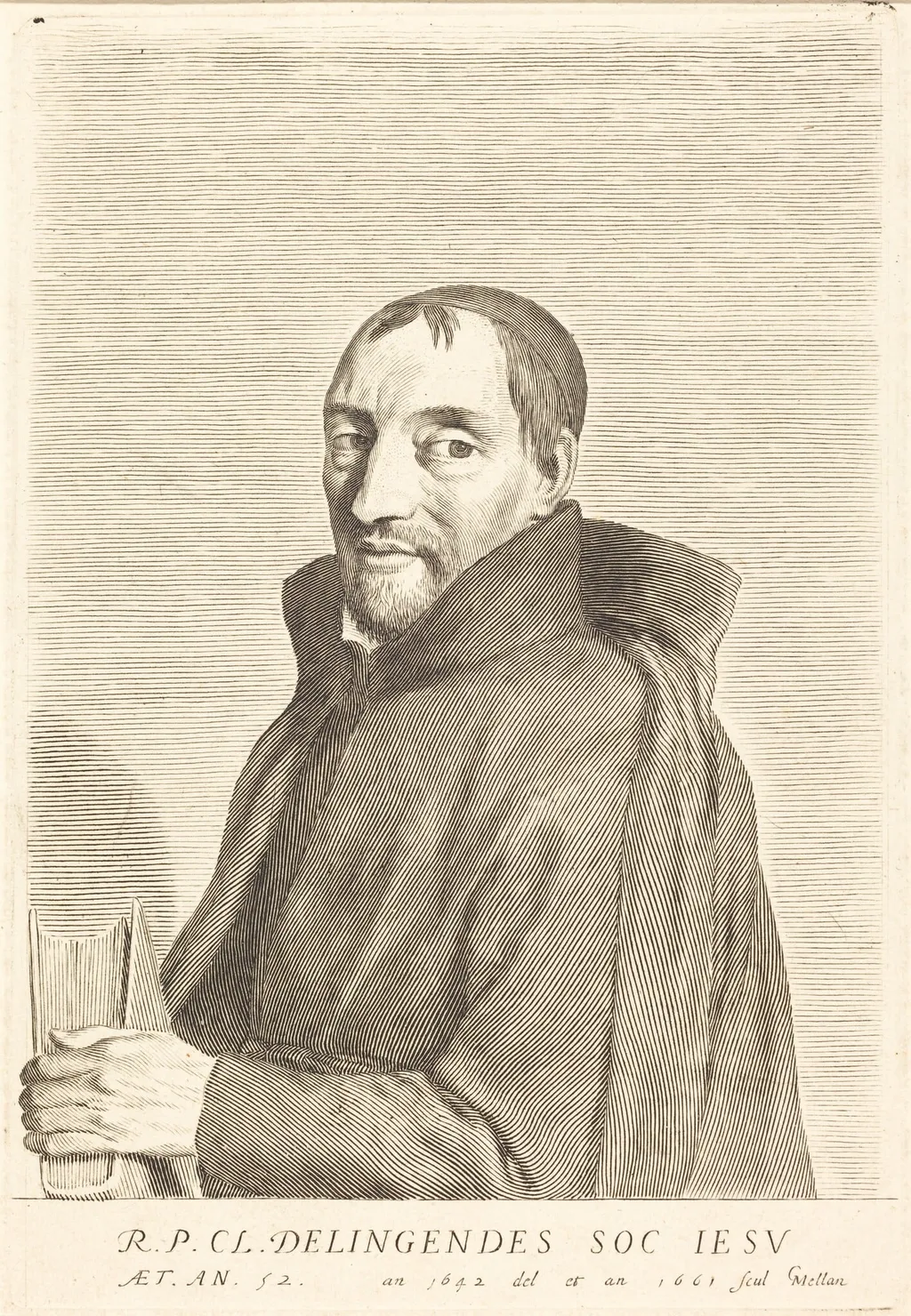
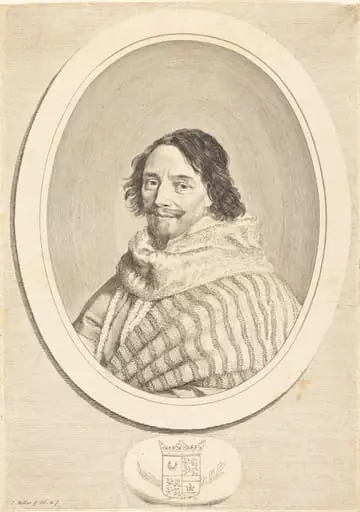
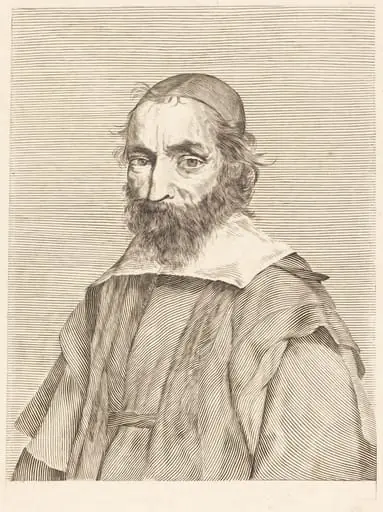
Claude de Lingendes is an ink print by the Baroque artist Claude Mellan. It dates from 1661 and is held in the collection of the National Gallery of Art.
About this work
Overview
This 1661 engraving by Claude Mellan portrays a man in a dark, high-collared robe, rendered in fine linear detail on laid paper. The composition centers on the figure against a neutral background, emphasizing his presence through precise hatching and tonal gradation. The work belongs to a tradition of portrait prints that prioritize psychological presence over narrative context.
Subject & Meaning
The figure, likely a scholar or cleric, holds a book in his right hand while his left arm rests across his chest, suggesting contemplation or authority. His direct gaze and solemn expression convey an introspective intensity, common in portraits of learned men of the period. The absence of identifying symbols or setting invites focus on character rather than status.
Technique & Style
Mellan employed fine cross-hatching to model form and texture, particularly in the folds of the robe and the contours of the face. The lines are controlled and deliberate, creating subtle shifts in light and shadow that lend volume without relying on tone or wash. The paper’s laid texture subtly enhances the tactile quality of the inked lines.
History & Provenance
Created in 1661, the engraving emerged during Mellan’s later years, a period when he focused on portraiture and religious subjects. It was likely produced for private circulation among intellectual circles, as was common for engraved portraits of the time. No documented early ownership records survive, but it appears in later collections of French prints.
Context
In mid-17th-century France, engraved portraits served as vehicles for intellectual and ecclesiastical identity. Mellan’s work reflects the era’s reverence for scholarly demeanor and the technical mastery expected in printmaking. His approach diverged from ornate Baroque styles, favoring clarity and restraint aligned with classical ideals.
Legacy
Though not widely reproduced, this engraving exemplifies Mellan’s refined linear technique and his influence on French printmaking. Later artists studied his handling of texture and expression, particularly his ability to convey character through line alone. It remains a quiet but significant example of his mature style.
Artist & collection

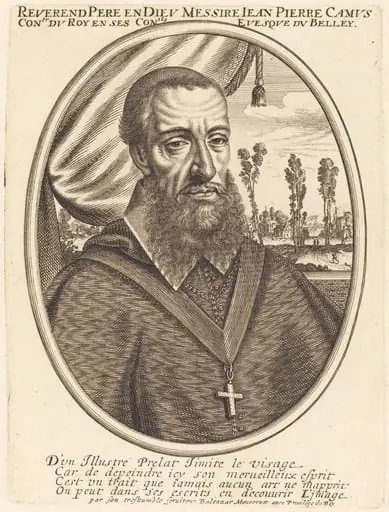 Jean Pierre Camus
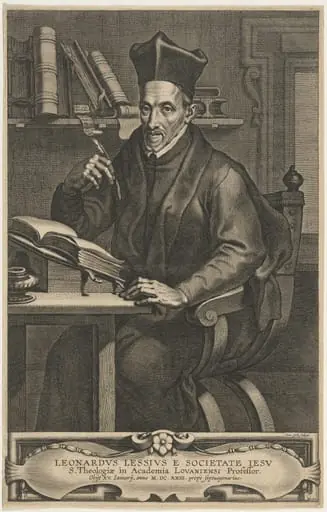 Leonard Lessius, Jesuit Priest, Professor at Louvain
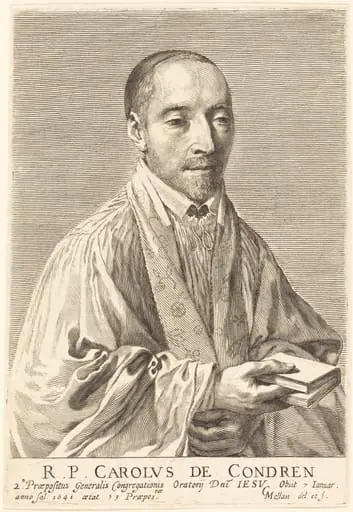 Charles de Condren
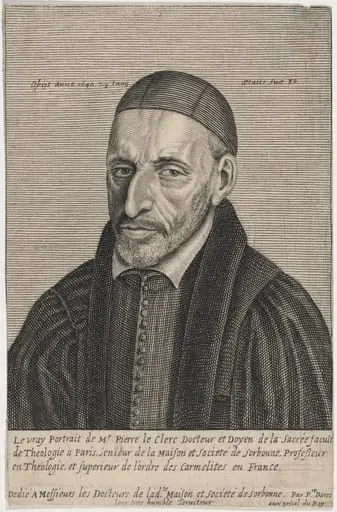 Pierre le Clerc, Doctor of Theology in Paris
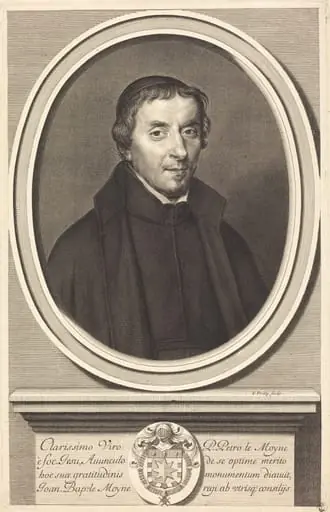 Pierre le Moyne
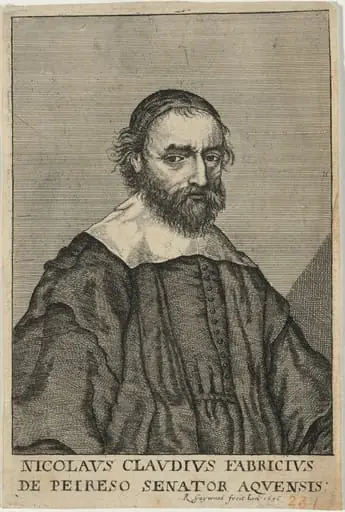 Nicholas Claude Fabri de Peireso, French Antiquary
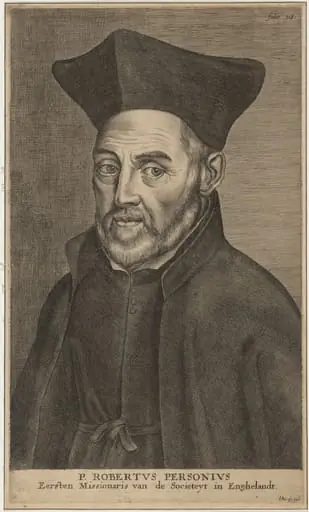 Robert Parsons, Jesuit Missionary
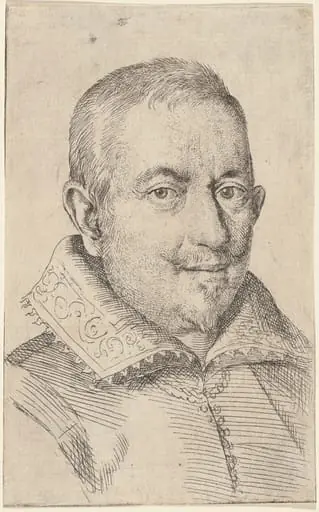 Portrait of a Middle-Aged Man
 Nicolas-Claude Fabri de Peiresc
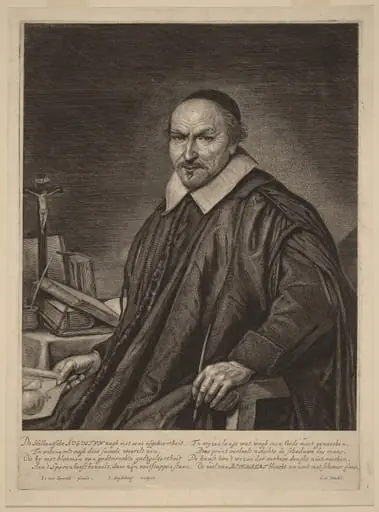 Augustyn Bloemaert
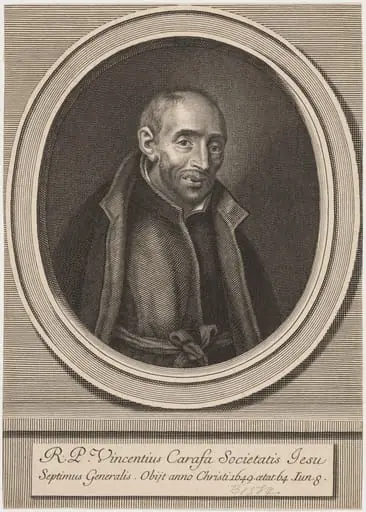 Vincentius Carafa, Jesuit
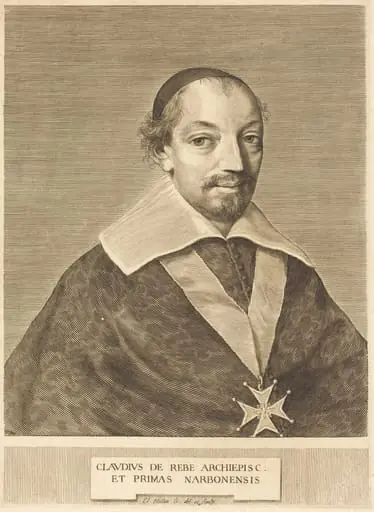 Claude de Rebe