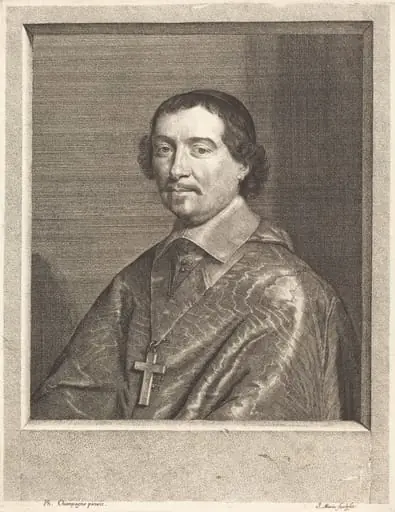
Artwork
Charles de Condren
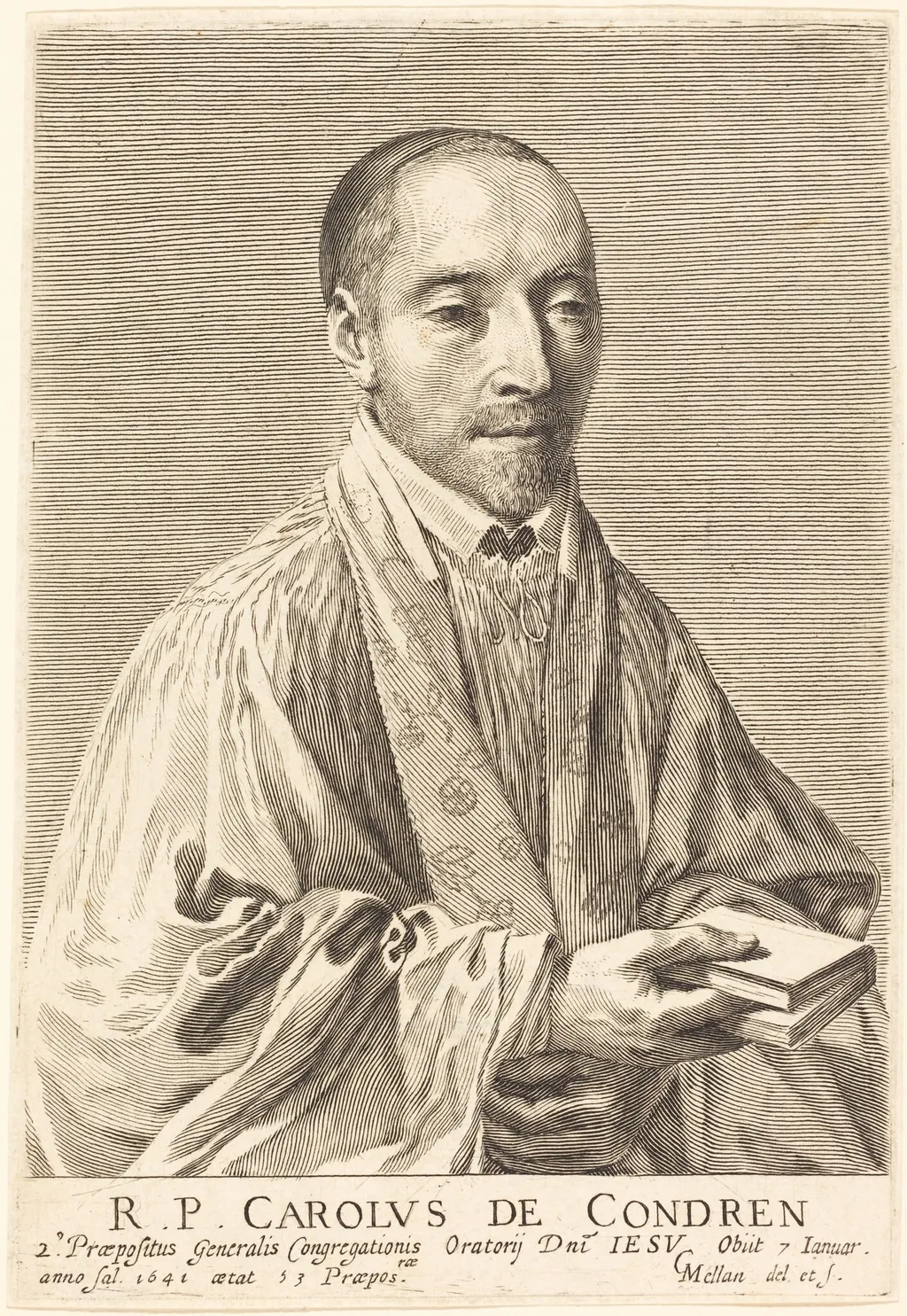
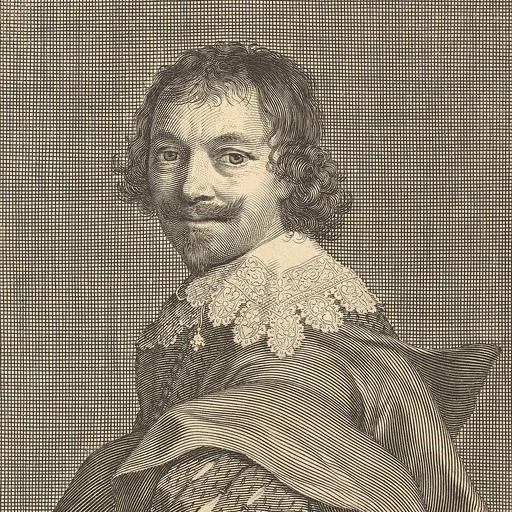
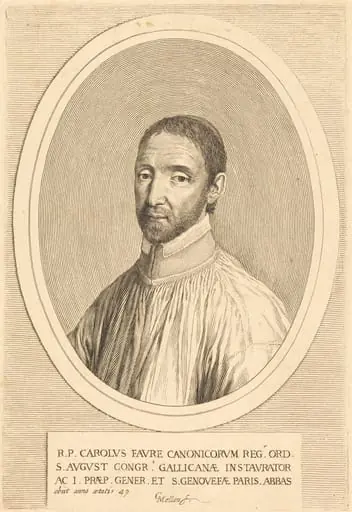
Charles de Condren is an ink print by the Renaissance artist Claude Mellan. It dates from 1643 and is held in the collection of the National Gallery of Art.
About this work
Overview
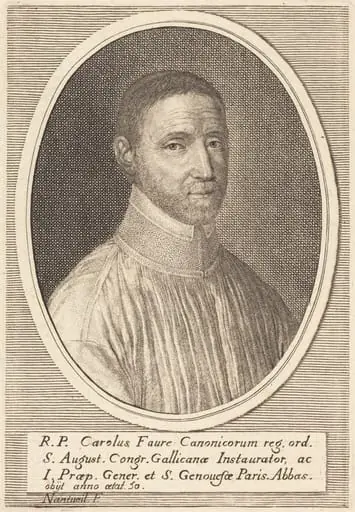
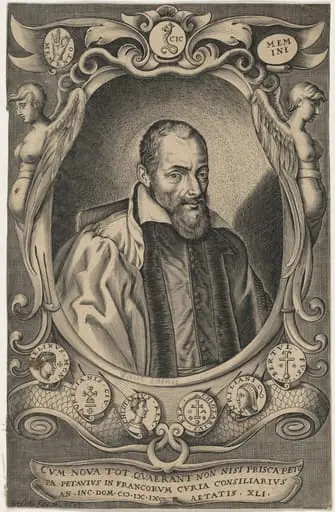
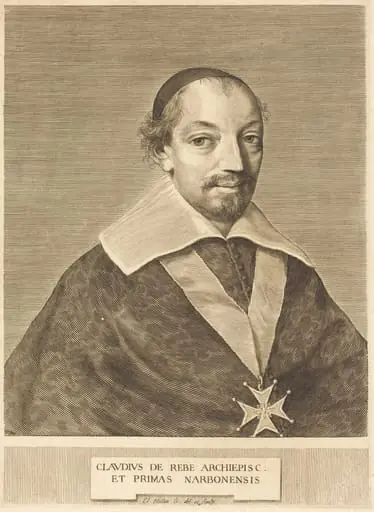
Claude Mellan’s 1643 engraving presents a solemn portrait of Charles de Condren, a prominent religious figure of the early seventeenth century. Executed on laid paper, the image is rendered entirely in black and white, emphasizing the subject’s dignified bearing and the meticulous rendering of his attire and facial features.
Subject & Meaning
The sitter, identified by the inscription “R.P. Carolus de Condren,” was a notable cleric, likely serving in a high ecclesiastical office. His composed expression, clasped hands, and formal robe convey authority and piety, reflecting the conventional visual language used to depict spiritual leaders during the period.
Technique & Style
Mellan employs dense cross‑hatching, a method of intersecting fine lines, to model the volume of the figure’s face, beard, and clothing. The engraving’s tight, parallel strokes capture subtle folds in the high‑collared robe and the texture of the beard, demonstrating Mellan’s skill in creating tonal variation without the use of ink washes.
History & Provenance
Created in 1643, the print was likely produced for devotional or commemorative purposes, circulating among the networks of French religious institutions. While specific ownership records are scarce, the work remains attributed to Mellan, whose reputation for precise line work made him a sought‑after engraver for portraiture in the mid‑seventeenth century.
Artist & collection