Artwork
Charles Favre
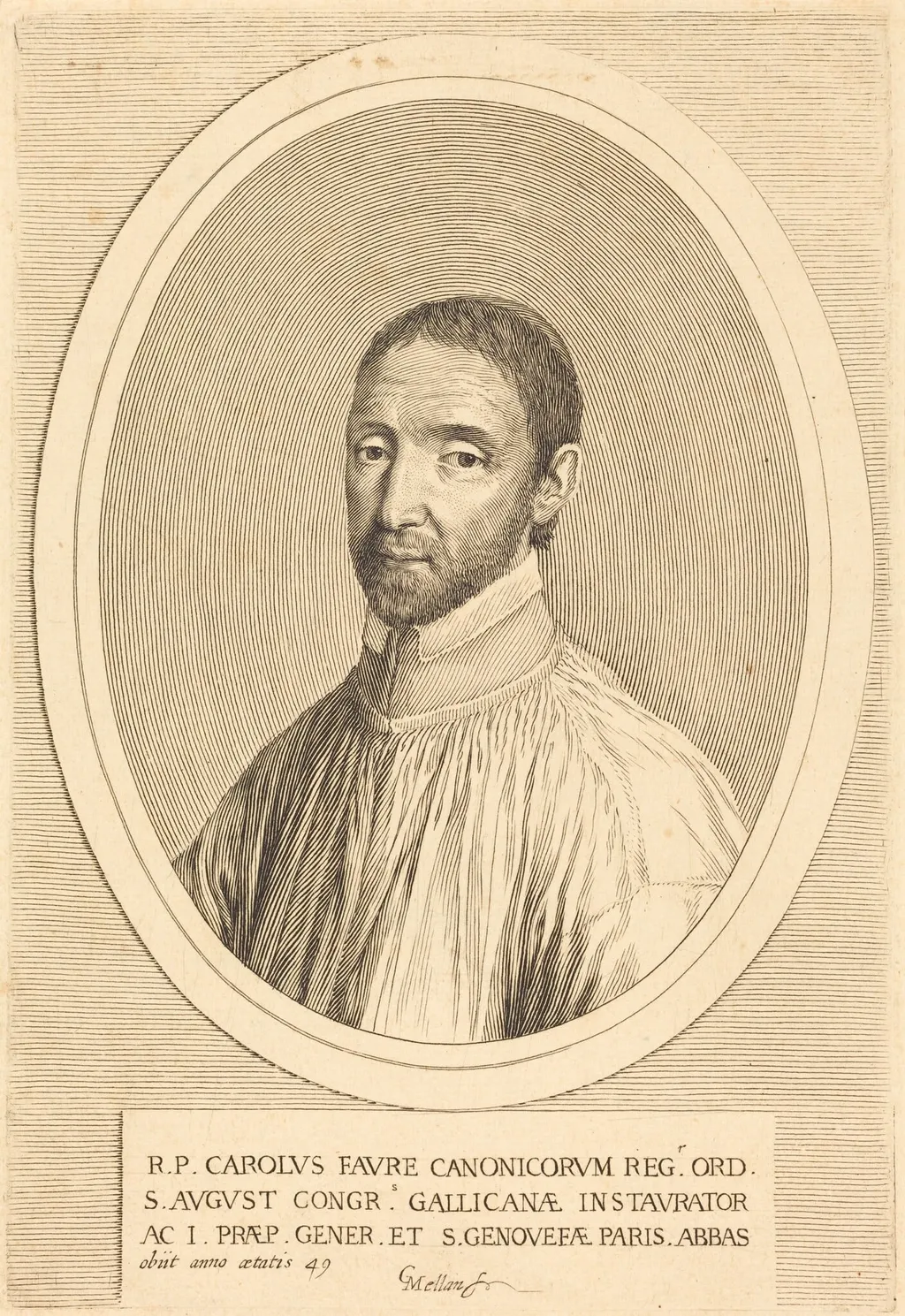
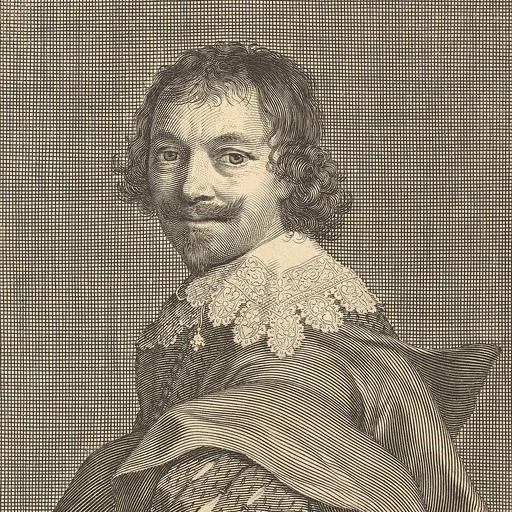
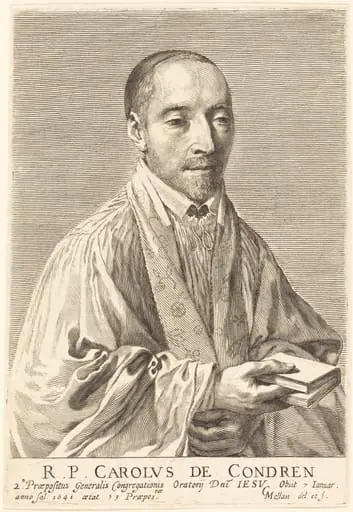
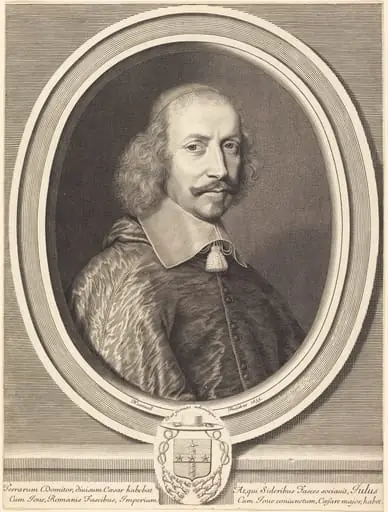
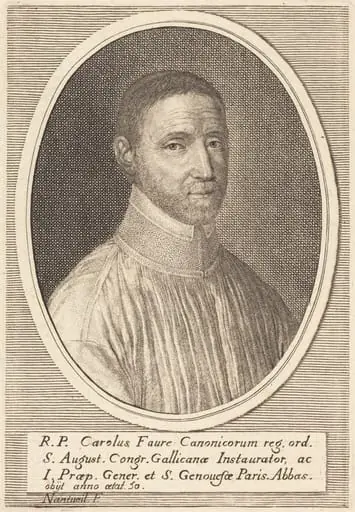
Charles Favre is an ink print by the Baroque artist Claude Mellan. It dates from 1644 and is held in the collection of the National Gallery of Art.
About this work
Overview
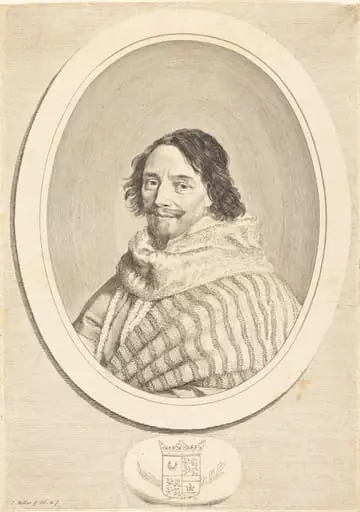
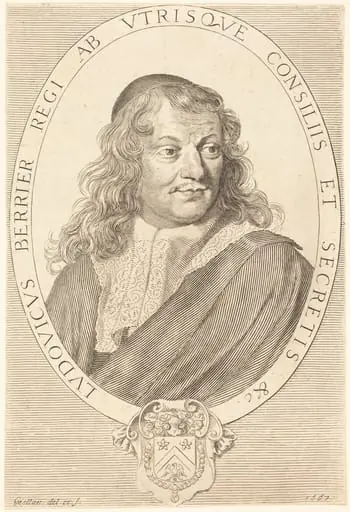
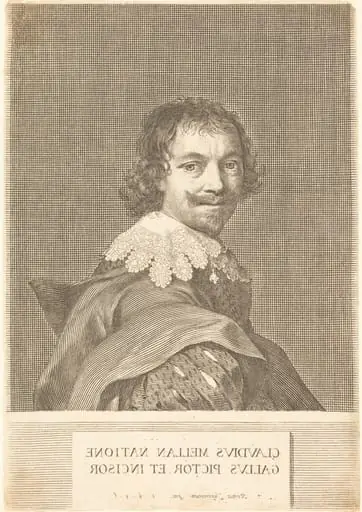
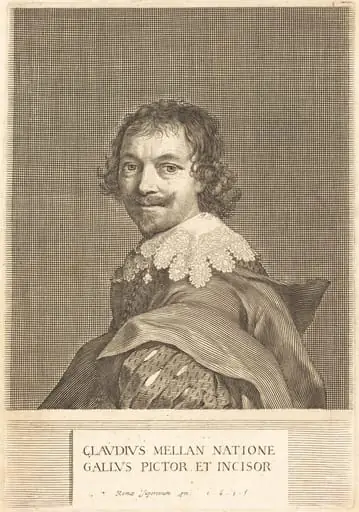
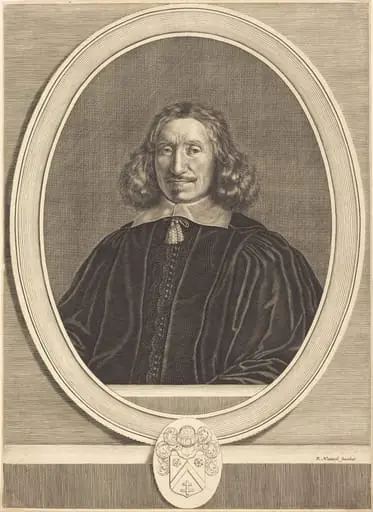
Claude Mellan’s print titled “Charles Favur” is an early‑17th‑century engraving, dated around 1644. Executed in black and white, the work presents a portrait of a man in a stiff, high‑collared garment, rendered with meticulous line work that defines both the figure and a simple oval backdrop.
Subject & Meaning
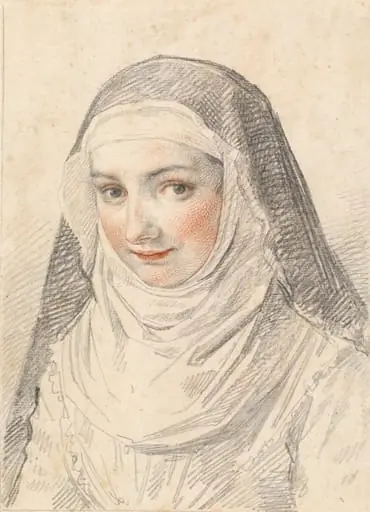
The image depicts a male sitter, his face and shoulders sharply delineated, his clothing folded with precise detail. The austere presentation, devoid of decorative background, focuses attention on the individual’s demeanor and status, typical of portraiture intended to convey personal identity and social rank.
Technique & Style
Mellan employed the engraving technique, building tonal variation through dense, parallel hatching. The fine, tightly spaced lines create a range of shadows across the skin and fabric, while the smooth oval field behind the figure provides a neutral contrast, emphasizing the sculptural quality of the portrait.
History & Provenance
Created circa 1644, the print belongs to the period when Mellan was active in Paris, producing portraits for patrons and the emerging print market. Its survival in museum collections indicates it was circulated among collectors of engraved portraits during the mid‑17th century.
Context
The work reflects the broader Baroque interest in realism and detailed rendering in portraiture. Engravings like this served both as personal commemorations and as reproducible images that could reach a wider audience than painted portraits.
Legacy
Mellan’s precise line work in “Charles Favur” exemplifies the technical skill that influenced later printmakers. The portrait remains a reference point for scholars studying the development of engraving techniques and portrait conventions in early modern France.
Artist & collection