Artwork
A heroine waiting for her lover: Vasakasajja Nayika, from the "Nurpur" Rasikapriya
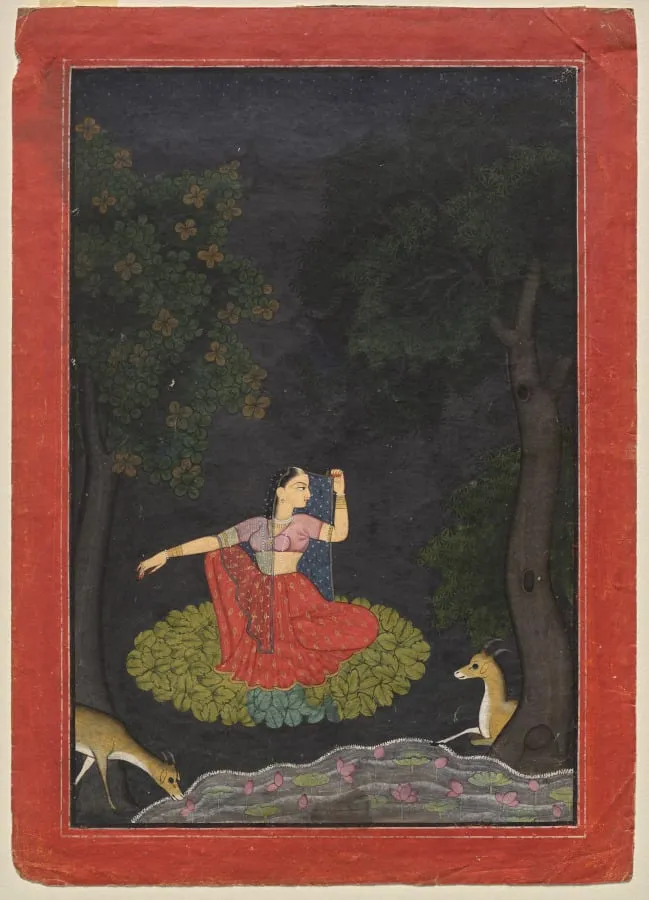
A heroine waiting for her lover: Vasakasajja Nayika, from the "Nurpur" Rasikapriya is an unspecified painting by the Baroque artist Unknown. It dates from 1750 and is held in the collection of the Cleveland Museum of Art. The work portrays a young woman dressed in a pink sari, seated on a leaf‑covered platform beside a dimly lit pond.
About this work
It’s rare to see a woman shown this way in older Indian art: not as a goddess, but as someone nervous, hopeful, and very human.
A woman in a pink sari sits on a bed of leaves near a dark pond. She twists her long braid, eyes fixed on the path, waiting. Fireflies flicker in the shadows around her.
This painting comes from a book of love poems written in 1591. The artist painted the scene exactly as the poet described it—even the glow of her skin against the night. It’s rare to see a woman shown this way in older Indian art: not as a goddess, but as someone nervous, hopeful, and very human.
To see more paintings like this, look up northern india, pahari kingdoms.
Overview
The work portrays a young woman dressed in a pink sari, seated on a leaf‑covered platform beside a dimly lit pond. She twists her long braid while gazing down a path, her expression a mix of anticipation and unease. Small fireflies hover in the surrounding shadows, their flickering light contrasting with the darkness of the night scene.
Subject & Meaning
The figure represents the Vasakasajja nayika, a heroine who prepares a lover’s bed and then waits for his arrival. Her posture and attentive stare convey both the ritual of readiness and the emotional tension of longing, emphasizing the human vulnerability that accompanies romantic expectation.
Technique & Style
Executed in delicate brushwork, the painter renders the woman’s fair complexion with a luminous quality that stands out against the muted, almost monochrome background. The use of subtle color washes for the pond and foliage, combined with the speckled illumination of fireflies, creates a quiet, atmospheric depth characteristic of late‑16th‑century northern Indian court painting.
History & Provenance
The image originates from the illustrated manuscript Rasikapriya, a collection of love poems compiled in 1591 under the patronage of the Nurpur court. The artist adhered closely to the poet’s verses, reproducing the described scene with visual fidelity, a practice common in Pahari manuscript production of the period.
Context
Set within the artistic traditions of the Pahari kingdoms of northern India, the painting diverges from typical depictions of divine or mythic heroines by focusing on a mortal woman’s personal emotion. This approach reflects a broader literary trend of the era that celebrated intimate, courtly love and the nuanced inner lives of its participants.
Artist & collection

 Domestic Scene
 Giacomo and Cardinal Marco, investing Andrea, Abbot of San Zeno, with his Benefice
 The Nymph of Fontainebleau
 Portrait of a Woman
 Madonna and Child with Saints in the Enclosed Garden
 Venus and Minerva
 Family Group of Four on Sofa
 Wall painting from Room H of the Villa of P. Fannius Synistor at Boscoreale
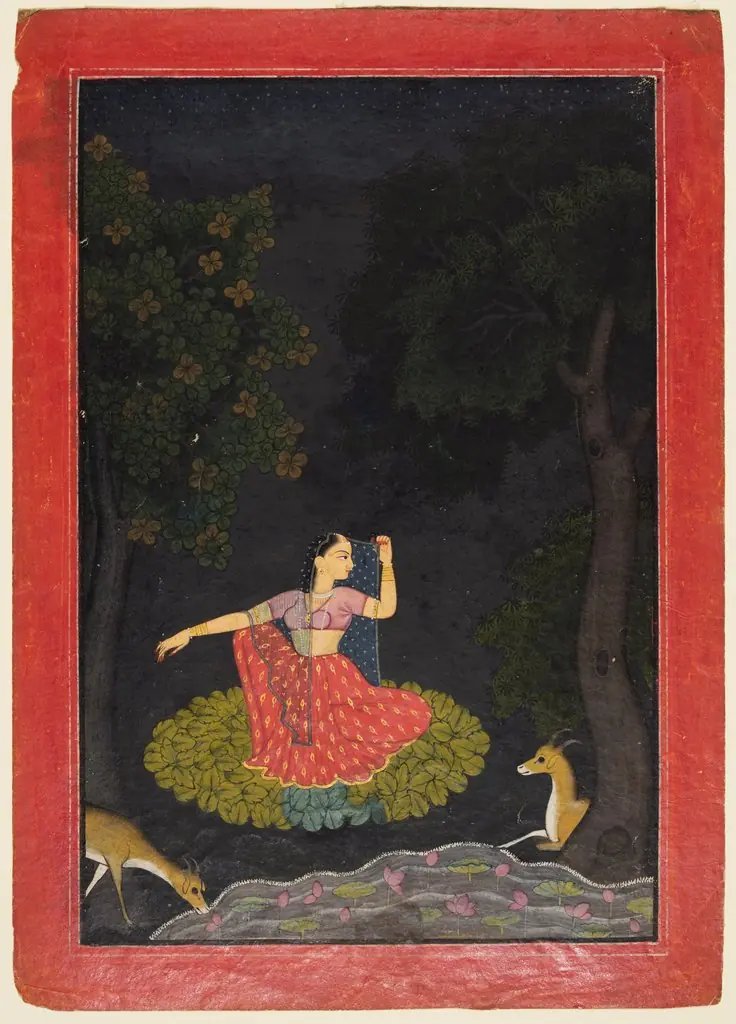 A Heroine Waiting for Her Paramour: Vasakasajja Nayika, from a Nurpur Rasikapriya
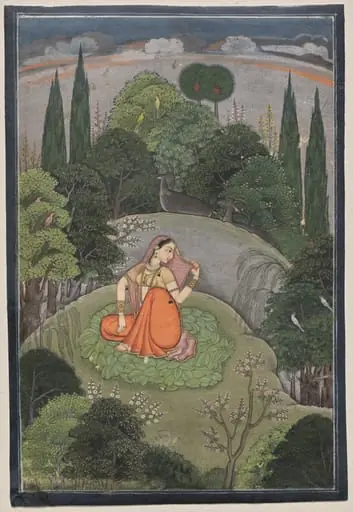 The Heroine Who Waits Anxiously for Her Absent Lover: Utka Nayika
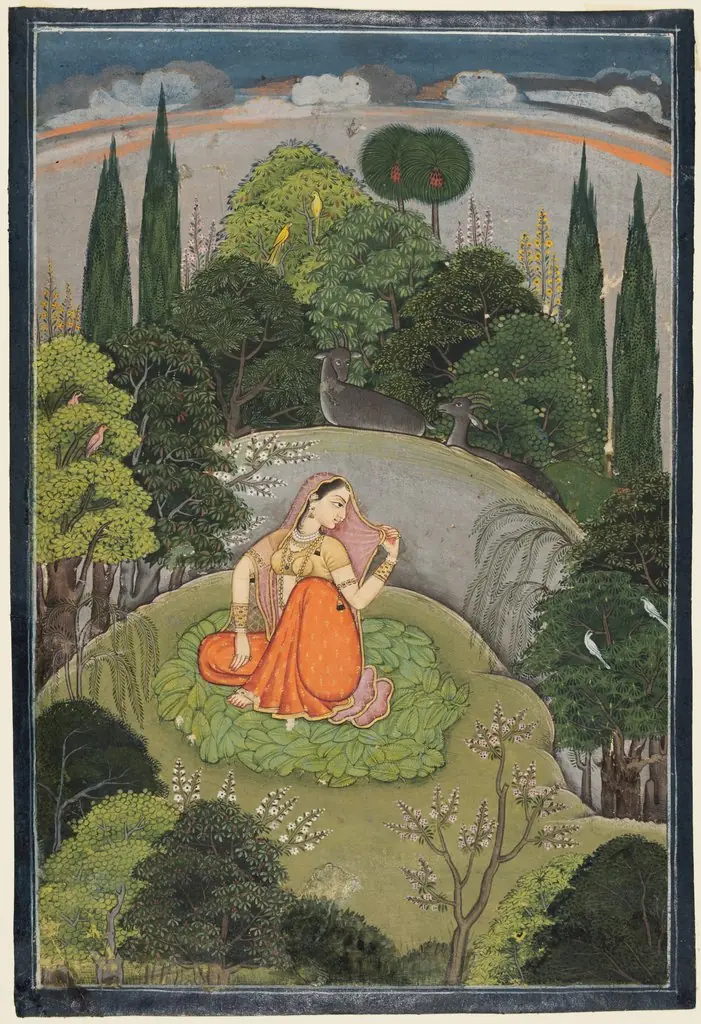 The Heroine Who Waits Anxiously for Her Absent Lover: Utka Nayika
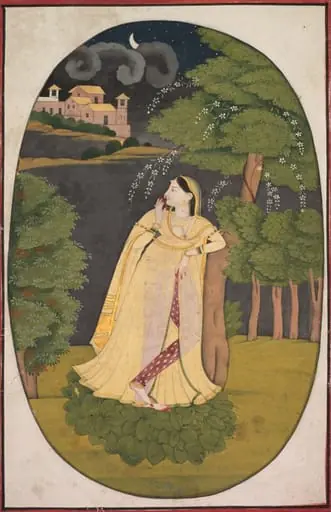 The heroine who waits anxiously for her absent lover (Utka Nayika)
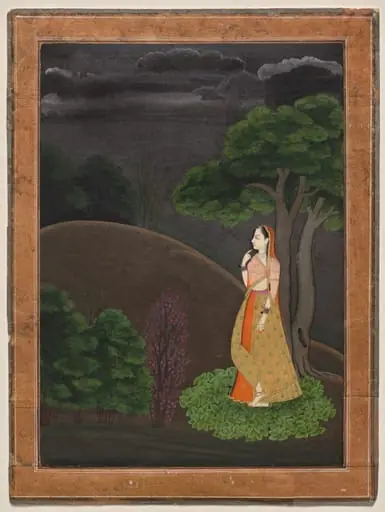 The Heroine Who Waits Anxiously for Her Absent Lover: Utka Nayika
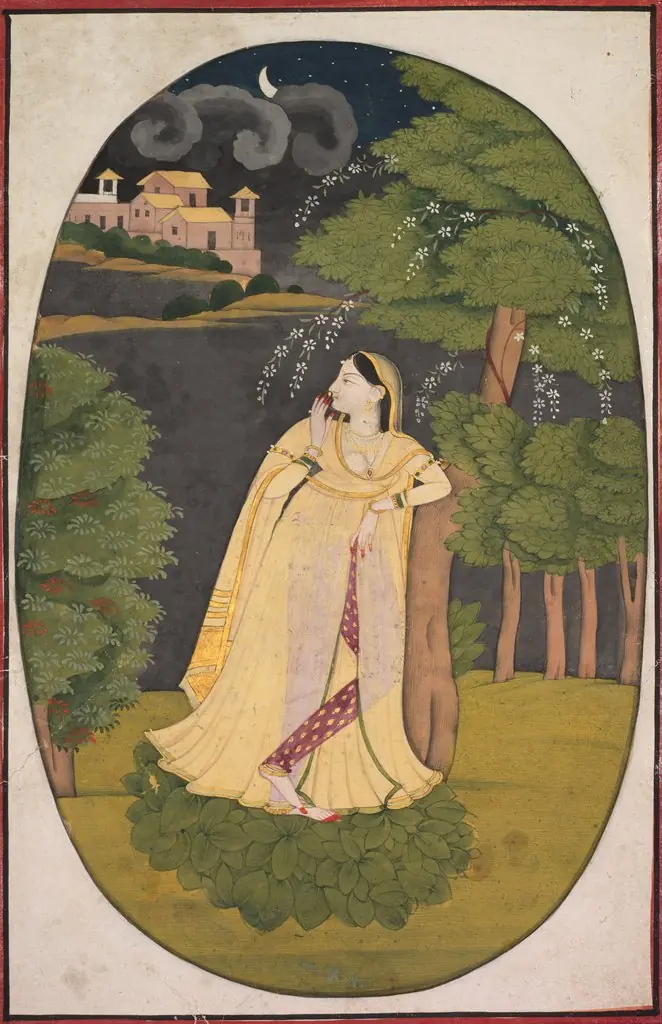 The Heroine Who Waits Anxiously for Her Absent Lover (Utka Nayika)
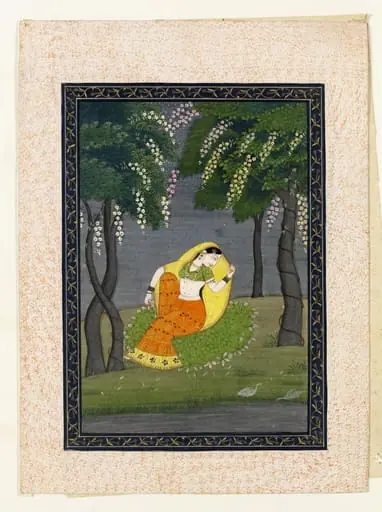 Vasakasajja Nayika
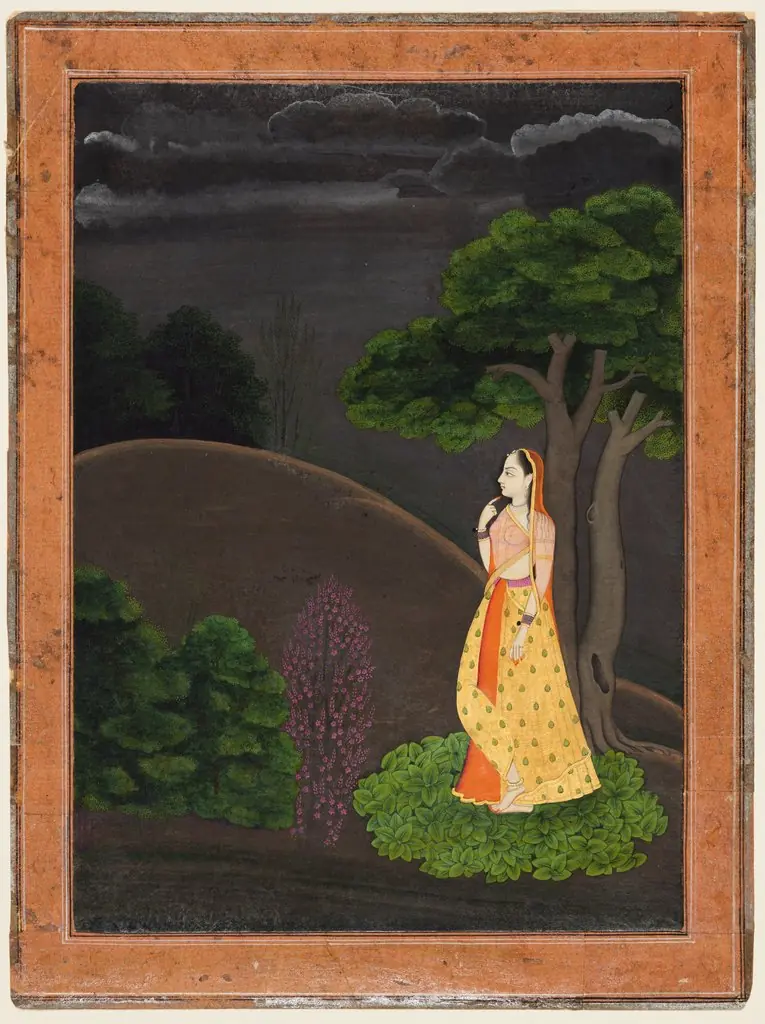 The Heroine Who Waits Anxiously for Her Absent Lover: Utka Nayika
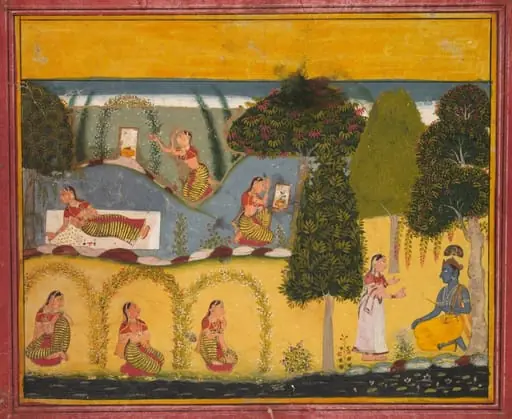 Radha Awaiting Reconciliation with Krishna, from a Gita Govinda of Jayadeva
 Virahini Nayika, Love-Torn Heroine
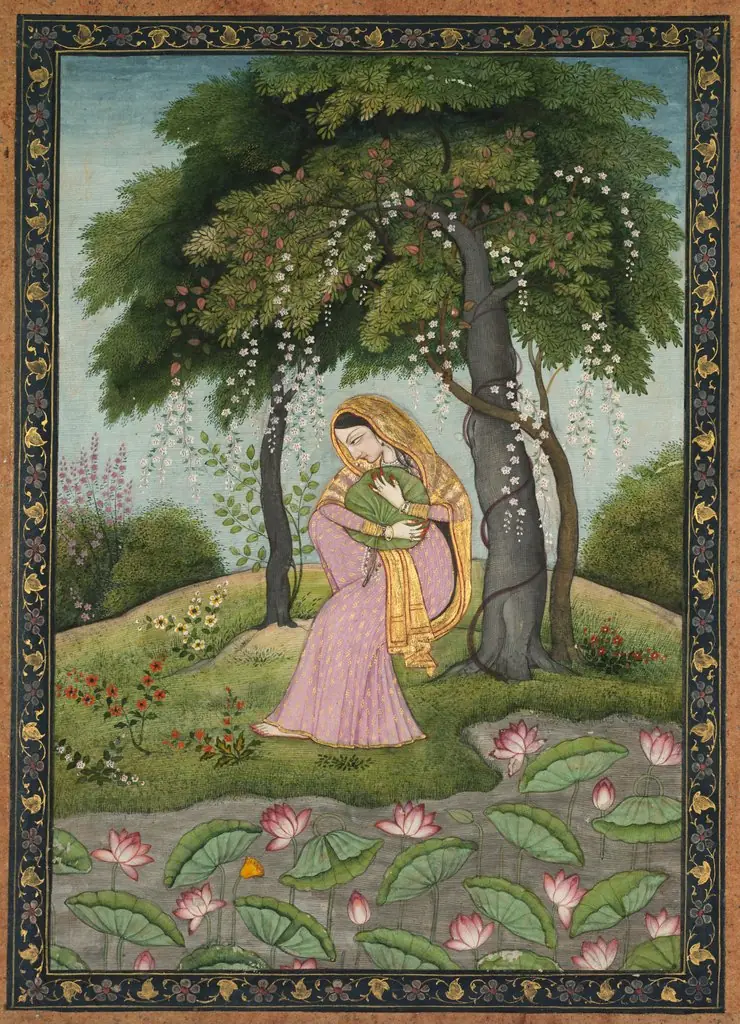 Virhini Nayika, Love-Torn Heroine