Artwork
A Monk Preaching: Folio 2 (recto), from a Kalpa-sutra
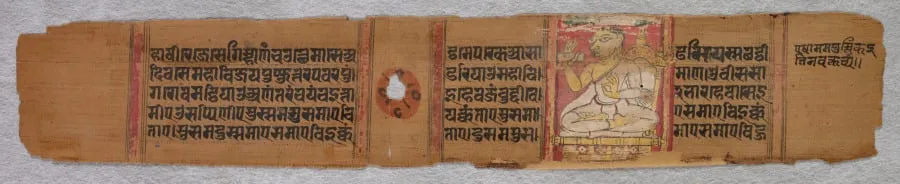
A Monk Preaching: Folio 2 (recto), from a Kalpa-sutra is an unspecified painting by the Mughal Painting artist Unknown. It dates from 1275 and is held in the collection of the Cleveland Museum of Art. This folio comes from a Kalpa-sutra manuscript, a Jain religious text used for ritual recitation.
About this work
Overview
Painted on aged paper with muted tones, it depicts a single monk seated in meditation, holding a scroll.
This folio comes from a Kalpa-sutra manuscript, a Jain religious text used for ritual recitation. Painted on aged paper with muted tones, it depicts a single monk seated in meditation, holding a scroll. The surrounding script, written in an archaic Indic script, likely contains doctrinal passages. The paper shows signs of age—tears, discoloration, and wear—indicating repeated handling over centuries.
Subject & Meaning
The central figure represents a Jain ascetic delivering teachings, likely one of the Tirthankaras or a senior monk. The scroll symbolizes the transmission of sacred knowledge. In Jain tradition, such scenes reinforce the authority of oral and written doctrine. The monk’s calm posture and simple attire reflect ideals of renunciation and spiritual focus, central to Jain monastic life.
Technique & Style
The painting employs mineral pigments on paper, with red and yellow robes contrasting against the faded ochre background. Lines are deliberate but not finely detailed, emphasizing symbolic presence over naturalism. The composition is contained within a narrow frame, typical of manuscript miniatures designed for intimate viewing during recitation rather than public display.
History & Provenance
Created in western India, probably between the 14th and 16th centuries, this folio was once part of a longer manuscript used in monastic communities. Its physical condition suggests frequent use in ritual contexts. It entered the Cleveland Museum of Art’s collection through documented acquisitions of South Asian religious texts, preserving its cultural and historical integrity.
Context
Kalpa-sutra manuscripts were produced in Jain centers like Patan and Ahmedabad, often commissioned by wealthy lay patrons. These texts were recited annually during Paryushana, a major Jain festival. Each folio served both as a visual aid and a sacred object, blending textual authority with devotional imagery to reinforce communal religious identity.
Legacy
Though faded and worn, this folio remains a tangible link to centuries of Jain scribal and devotional practice. It exemplifies how religious knowledge was preserved through both writing and image in pre-modern India. Today, it contributes to scholarly understanding of Jain art, manuscript culture, and the material life of sacred texts.
Artist & collection

 Domestic Scene
 Giacomo and Cardinal Marco, investing Andrea, Abbot of San Zeno, with his Benefice
 The Nymph of Fontainebleau
 Portrait of a Woman
 Madonna and Child with Saints in the Enclosed Garden
 Venus and Minerva
 Family Group of Four on Sofa
 Wall painting from Room H of the Villa of P. Fannius Synistor at Boscoreale
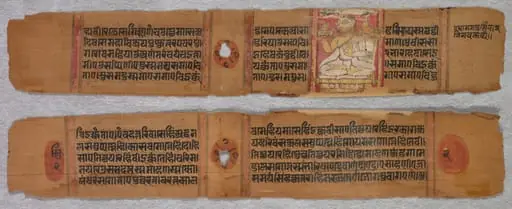 Folio 2, from a Kalpa-sutra: A Monk Preaching (recto); Text (verso)
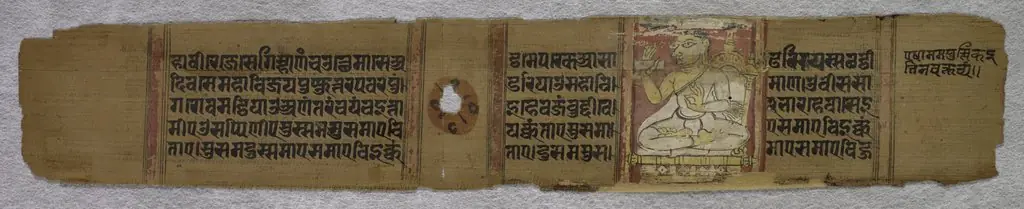 A Monk Preaching: Folio 2 (recto), from a Kalpa-sutra
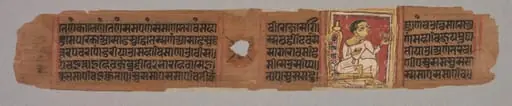 Monk Holding a Flower: Folio 2 (recto), from a Kalpa-sutra and Story of Kalakacharya
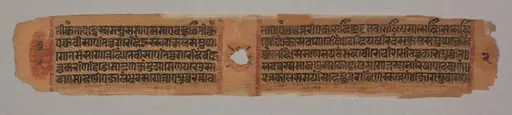 Folio 2 (verso), from a Kalpa-sutra and Story of Kalakacharya
 Folio (recto) from a Kalpa-sutra and Story of Kalakacharya of Devachandra: Text
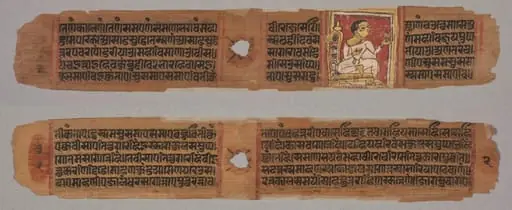 Folio 2, from a Kalpa-sutra and Story of Kalakacharya: Monk Holding a Flower (recto); text (verso)
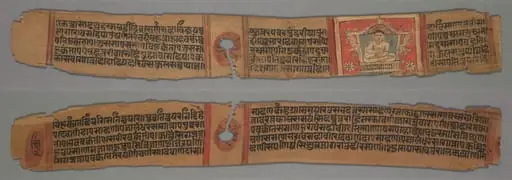 Folio 2, from a Kalpa-sutra and Story of Kalakacharya of Devachandra: Enthroned Monk Gautama (recto); Text (verso)
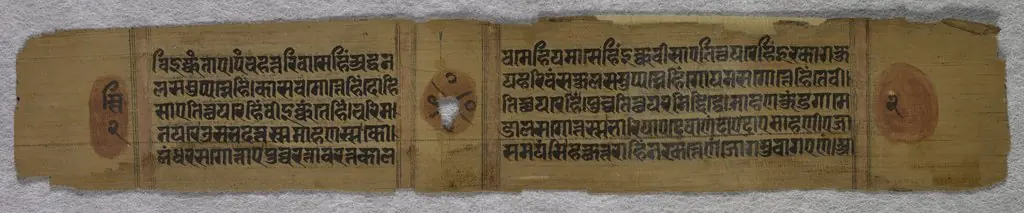 Text: Folio 2 (verso), from a Kalpa-sutra
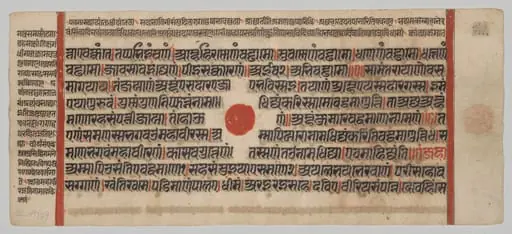 Text, Folio 34 (recto), from a Kalpa-sutra
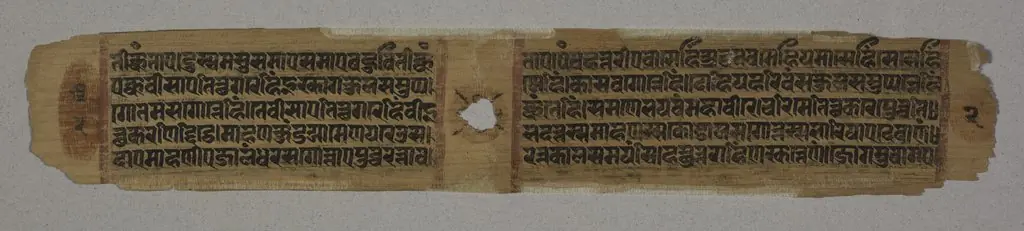 Folio 2 (verso), from a Kalpa-sutra and Story of Kalakacharya