Artwork
Amaranthus
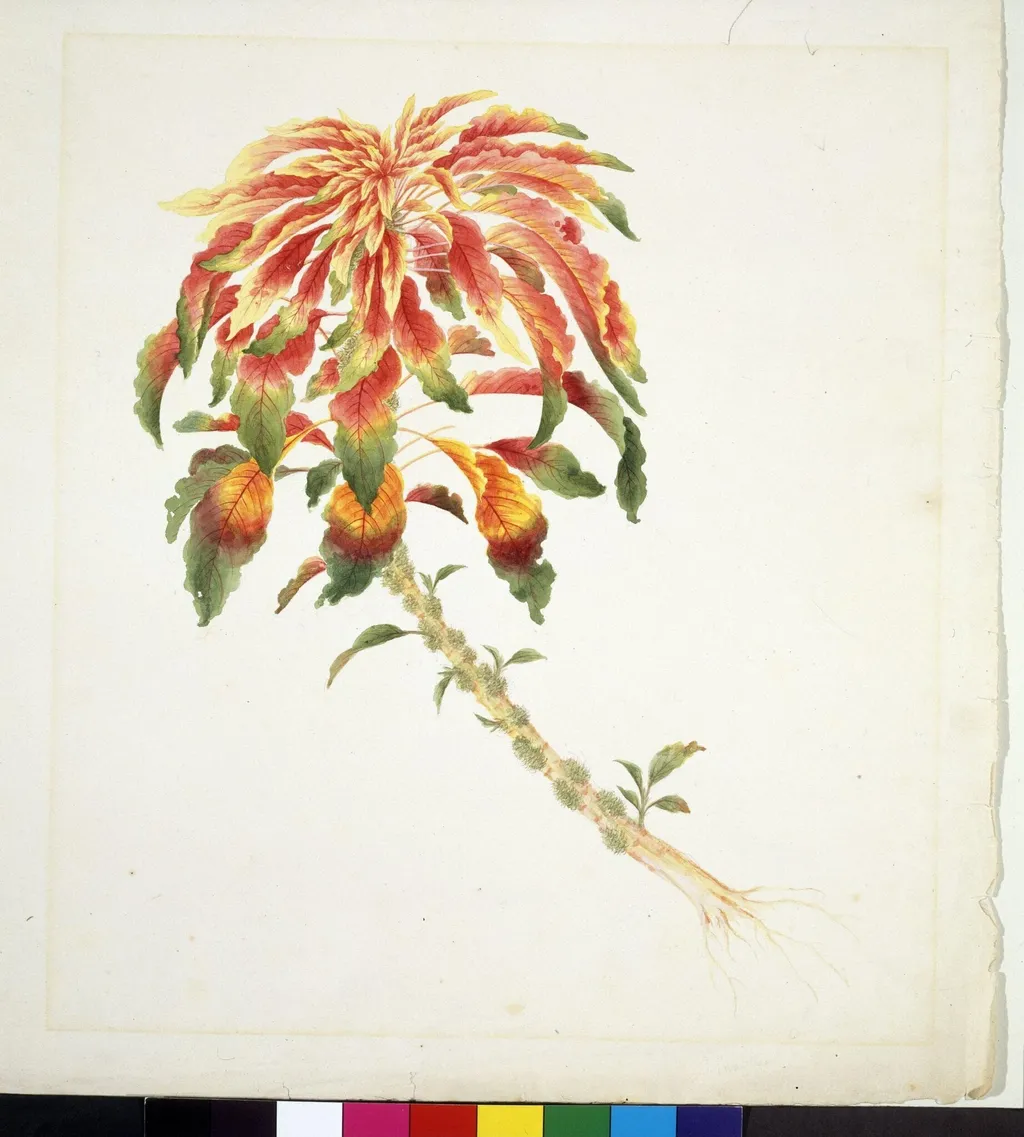
Amaranthus is a paint painting by the Biedermeier artist Unknown. It dates from 1829 and is held in the collection of the Victoria and Albert Museum.
About this work
Overview
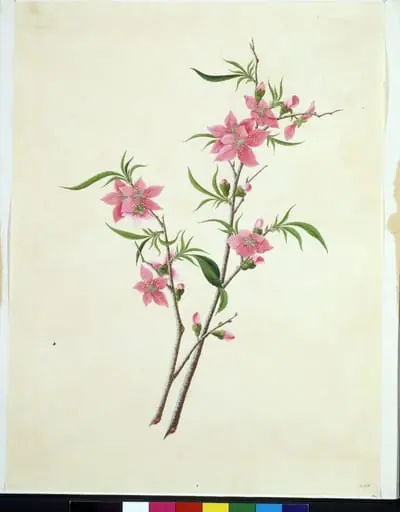
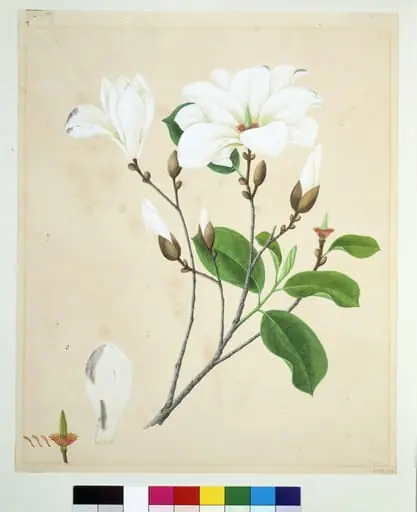
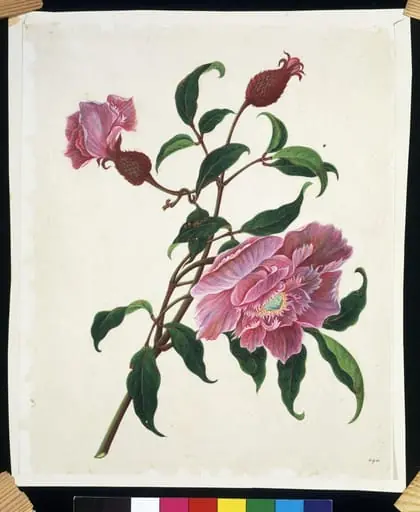
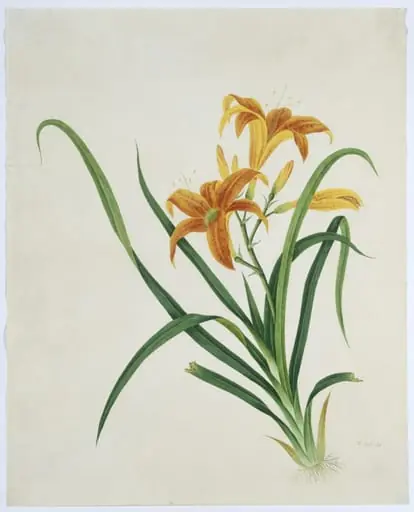
This painting depicts an amaranthus, a flowering plant native to the Americas, rendered in watercolor on Western paper imported to China. Created during the 18th or early 19th century, it reflects a global exchange of botanical knowledge, where specimens and their images circulated between continents as scientific curiosity grew in Europe.
Subject & Meaning
The amaranthus, chosen for its vibrant blooms and unfamiliar form to European audiences, served as both a scientific record and a symbol of natural discovery. Its depiction was not decorative but documentary, aligning with the era’s effort to classify and catalog newly encountered species from distant lands, particularly those brought back by traders and explorers.
Technique & Style
The work employs precise linear detail and subtle tonal gradations to capture the plant’s structure, suggesting influence from European botanical illustration traditions. Though executed in China, the use of Western paper and the emphasis on botanical accuracy indicate adaptation to the expectations of foreign patrons seeking reliable visual records of exotic flora.
History & Provenance
The painting likely originated in a Chinese atelier catering to foreign clients, possibly commissioned by a British traveler or naturalist. The paper’s origin points to trade networks that supplied high-quality Western materials to Chinese artists, who were increasingly engaged in producing specimens for export, blending local skill with European aesthetic demands.
Context
During the 18th and 19th centuries, European interest in global botany surged, fueled by colonial expansion and scientific societies. Botanical illustrations became vital tools for identification and classification. Chinese artists, particularly in Canton, became key producers of these images, meeting demand for accurate depictions of plants and animals unknown in Europe.
Legacy
This painting contributes to a broader archive of colonial-era botanical art that shaped Western understanding of global biodiversity. Though often anonymous, such works preserved visual records of species before extensive herbarium collections were established, serving as enduring references for naturalists and historians alike.
Artist & collection

 Domestic Scene
 Giacomo and Cardinal Marco, investing Andrea, Abbot of San Zeno, with his Benefice
 The Nymph of Fontainebleau
 Portrait of a Woman
 Madonna and Child with Saints in the Enclosed Garden
 Venus and Minerva
 Family Group of Four on Sofa
 Wall painting from Room H of the Villa of P. Fannius Synistor at Boscoreale