Artwork
Asthasahasrika Prajnaparamita
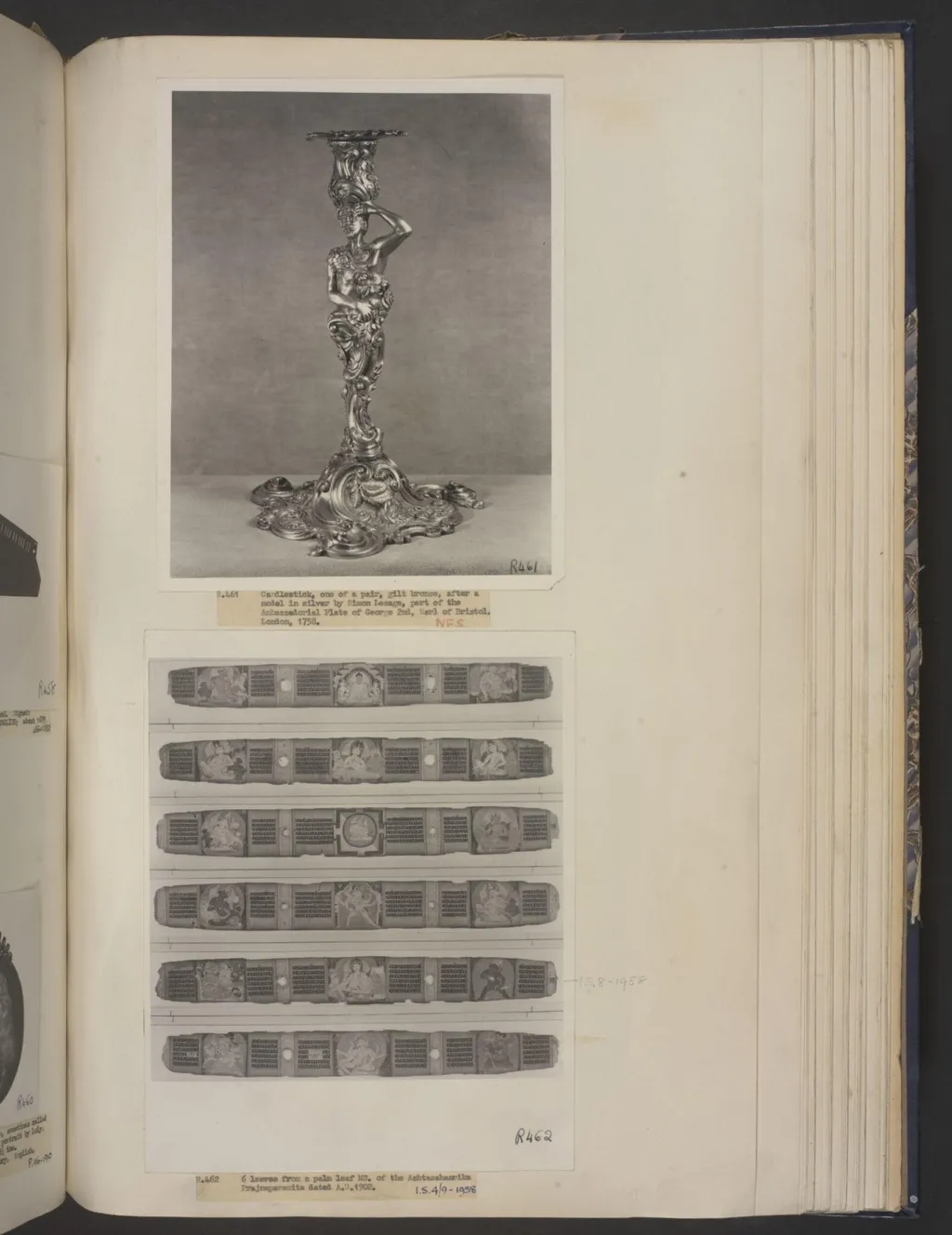
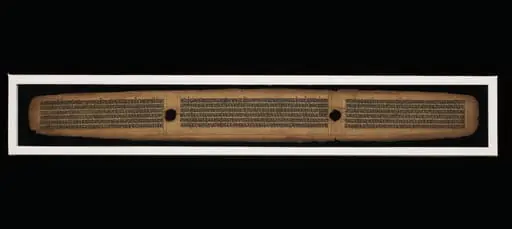
Asthasahasrika Prajnaparamita is a paint painting by the Byzantine icon painting artist Unknown. It dates from 1112 and is held in the collection of the Victoria and Albert Museum.
About this work
The figure holds a candle above its head, and the whole piece has swirling, detailed designs.
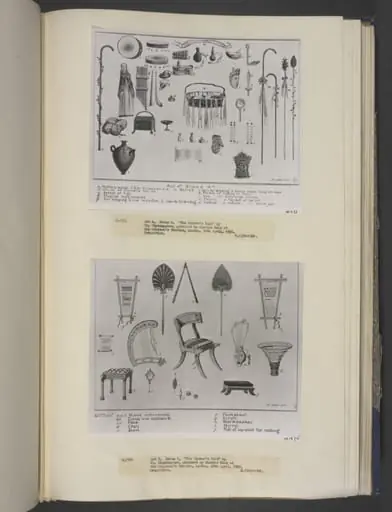
This image shows a tall, ornate metal candlestick with a figure standing on its base. The figure holds a candle above its head, and the whole piece has swirling, detailed designs. Below it, there are rows of small, rectangular metal plates with raised images and text.
The text says this is a gilded bronze piece made in 1758, based on a silver model. It looks like something you’d find in a wealthy home or church.
Check out the Victoria and Albert Museum to see more objects like this.
Overview
This work is a single leaf from a manuscript of the Asthasahasrika Prajnaparamita, a Buddhist text. The page is made from palm leaf and decorated with gouache pigments and ink drawings, typical of South Asian manuscript illumination.
Subject & Meaning
The illustration depicts a ceremonial candlestick, rendered with elaborate ornamental motifs. A figure stands upon its base, raising a candle overhead, suggesting a ritual act of offering or illumination within a religious context.
Technique & Style
Artists applied opaque gouache alongside fine ink lines to achieve vivid coloration and precise detailing on the palm leaf surface. The composition combines linear precision with swirling decorative patterns, reflecting the aesthetic conventions of 18th‑century Buddhist manuscript art.
History & Provenance
The folio entered the museum’s collection after being purchased from a private assemblage in Roehampton, London, sometime in the early twentieth century. Its prior ownership remains documented only through that acquisition record.
Context
The Asthasahasrika Prajnaparamita is a voluminous Mahayana sutra, and its manuscripts were often richly illustrated to aid devotional practice. Such palm‑leaf codices were produced in regions where the text held liturgical importance, integrating visual and textual instruction.
Artist & collection

 Domestic Scene
 Giacomo and Cardinal Marco, investing Andrea, Abbot of San Zeno, with his Benefice
 The Nymph of Fontainebleau
 Portrait of a Woman
 Madonna and Child with Saints in the Enclosed Garden
 Venus and Minerva
 Family Group of Four on Sofa
 Wall painting from Room H of the Villa of P. Fannius Synistor at Boscoreale
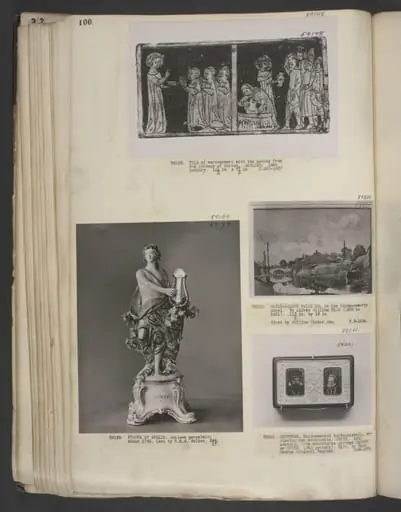 On Rickmansworth Canal
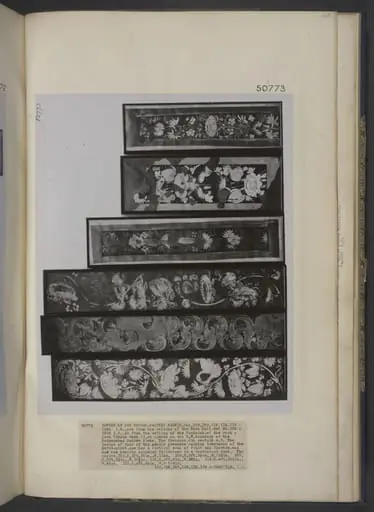 Copy of painting inside the caves of Ajanta (cave 12)
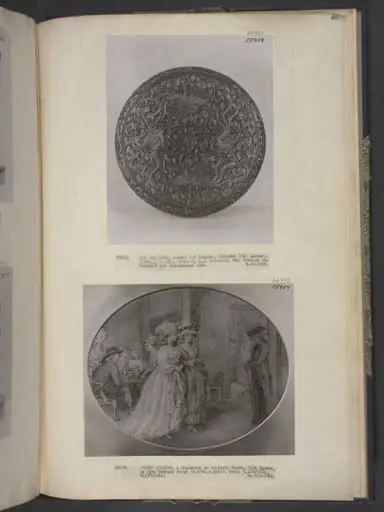 A Promenade at Carlisle House, Soho Square
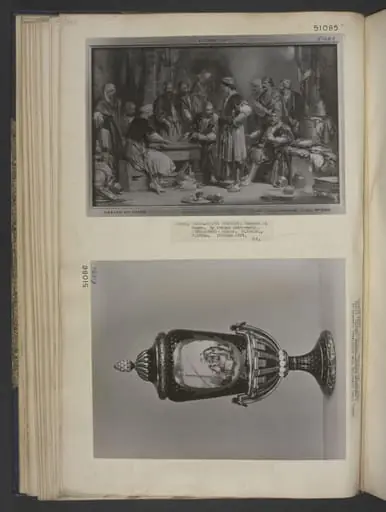 Pirates at Cards
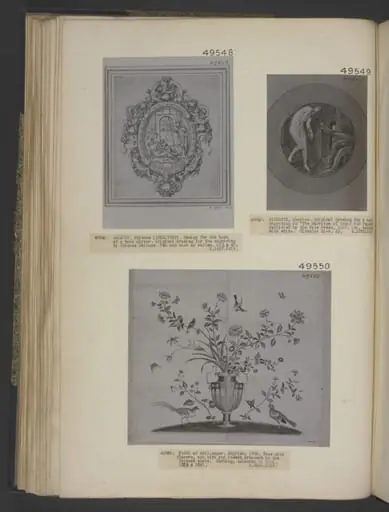 The Descent into Hell
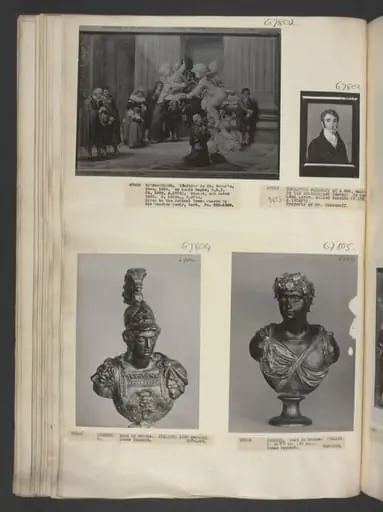 Bénitier in St. Peter's, Rome
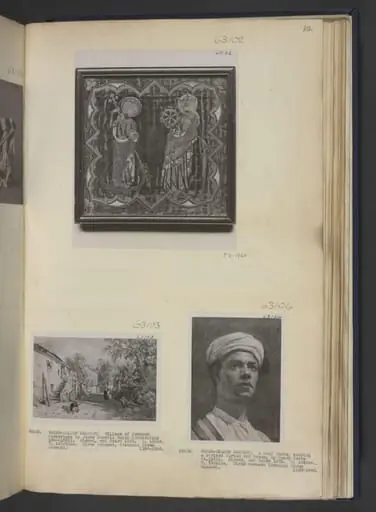 Figure in a striped turban and dress
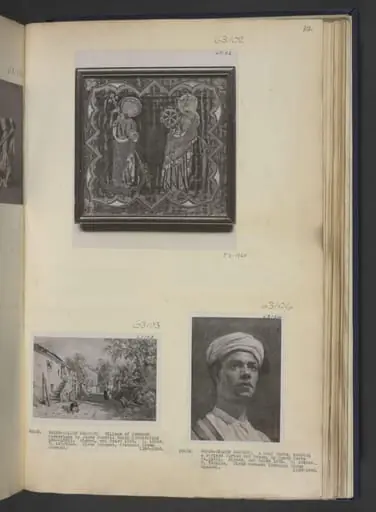 Village of Bowness, Cumberland
 Untitled
 Untitled
 Untitled
 Astasahasrika Prajnaparamita