Artwork
Copy of painting inside the caves of Ajanta (cave 12)
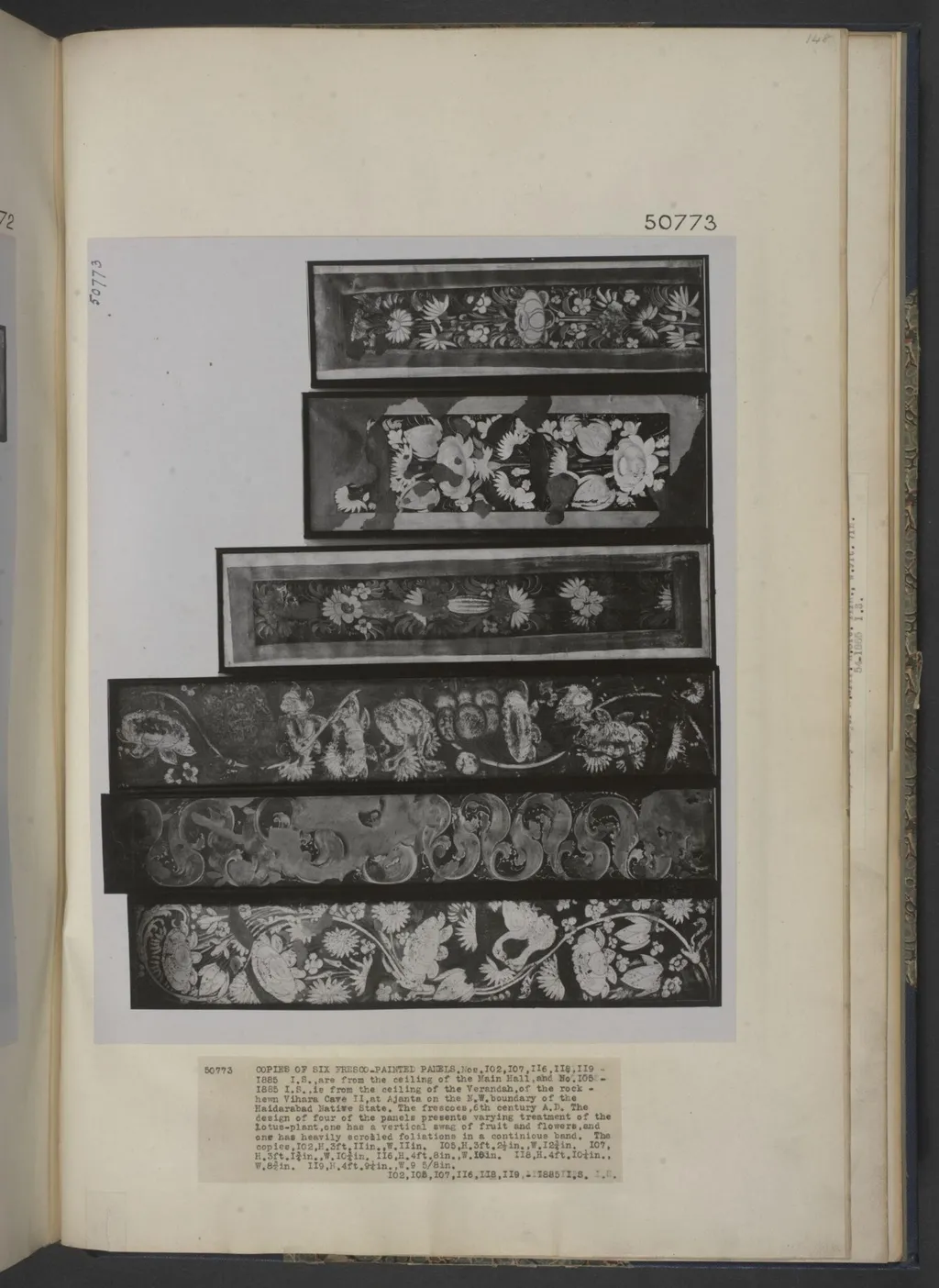
Copy of painting inside the caves of Ajanta (cave 12) is an oil painting by the Impressionist artist John Griffiths. It dates from 1878 and is held in the collection of the Victoria and Albert Museum. This oil painting is a reproduction of a mural from Cave 12 at Ajanta, created between 1872 and 1885.
About this work
The original paintings in the caves date back to between the 1st century BC and AD 480.
This oil painting is a copy of an ancient cave painting from Ajanta cave 12. It was made between 1872 and 1885 by John Griffiths and seven Indian students. The original paintings in the caves date back to between the 1st century BC and AD 480.
The team worked every winter to recreate these fragile murals. Their copies saved many details lost in a fire years earlier.
Look next at paintings by Griffiths, John.
Overview
This oil painting is a reproduction of a mural from Cave 12 at Ajanta, created between 1872 and 1885. It was produced by John Griffiths and seven students from the Bombay School of Art during annual winter expeditions to the site. The work forms part of a larger effort to preserve visual records of ancient Indian wall paintings, many of which had been lost in a fire decades earlier.
Subject & Meaning
The original mural depicts scenes from Buddhist narratives, likely illustrating Jataka tales or life events of the Buddha. These stories served as devotional and instructional imagery for monastic communities. The copy retains the compositional rhythm and symbolic gestures of the source, preserving the spiritual tone and narrative clarity intended by the ancient artists.
Technique & Style
Unlike the tempera-based frescoes of the original caves, this reproduction uses oil on canvas, a medium unfamiliar to the ancient artisans. Griffiths and his students adapted their approach to match the color palette and brushwork of the originals, striving for fidelity despite material differences. The result is a careful translation of ancient surface textures into a modern pictorial language.
History & Provenance
After Major Robert Gill’s earlier copies were destroyed in a fire in 1866, the Bombay School of Art initiated a new documentation project. From 1872 to 1885, Griffiths and his team lived seasonally at Ajanta, producing around 300 reproductions. These works became critical references for scholars and institutions, especially after the originals continued to deteriorate.
Context
The Ajanta caves were rediscovered in 1819 during British colonial surveying. As interest grew in India’s artistic heritage, efforts to record its ancient murals became both scholarly and imperial projects. Griffiths’s team operated within this context, balancing preservation with the colonial impulse to collect and classify cultural artifacts for Western audiences.
Legacy
The reproductions made by Griffiths and his students remain among the most comprehensive visual records of Ajanta’s early Buddhist art. Though not originals, they provided access to details lost to time and decay. Many are now held in public collections, serving as primary sources for the study of ancient Indian painting techniques and iconography.
Artist & collection
Artist
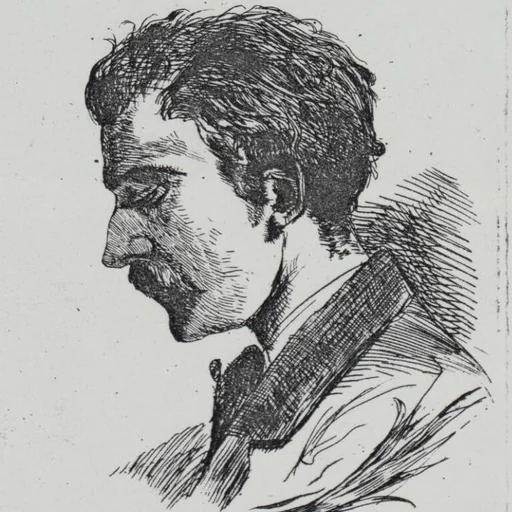
John Griffiths (29 November 1837 – 1 December 1918) was a Welsh artist who worked in India, noted for his Orientalist works.

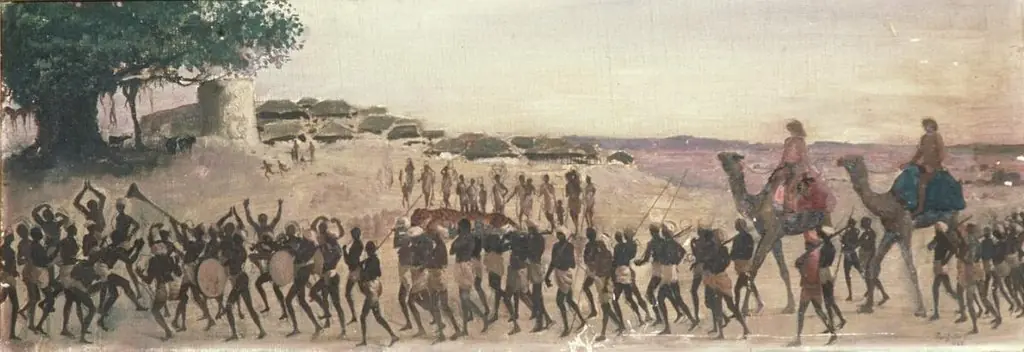 Tiger shooting in East Berar
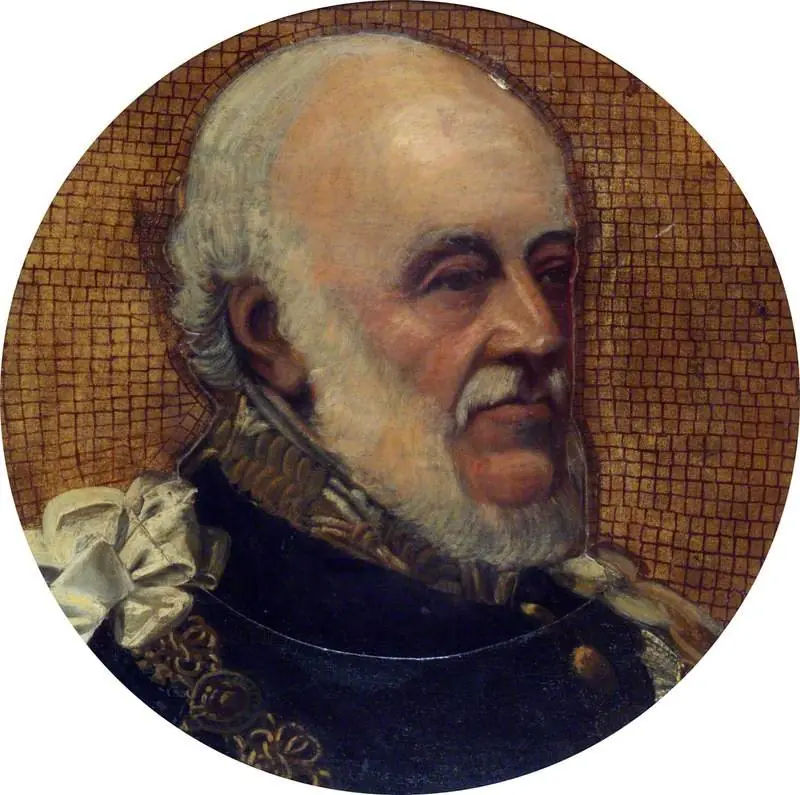 The Marquis of Salisbury (1791–1868)
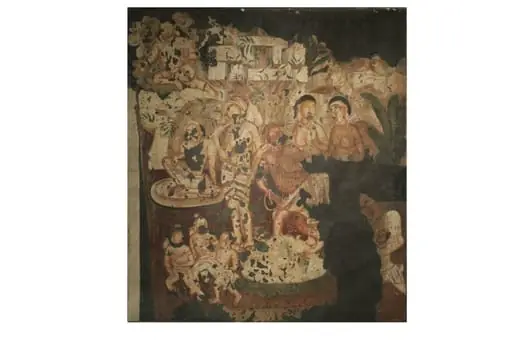 Copy of painting inside the caves of Ajanta (Cave 2)
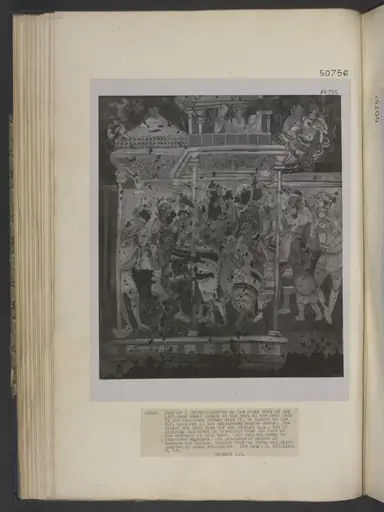 Copy of painting in the caves of Ajanta (cave 2)
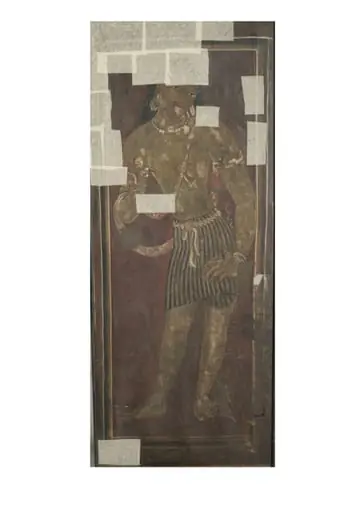 Copy of painting in the caves of Ajanta (cave 17)
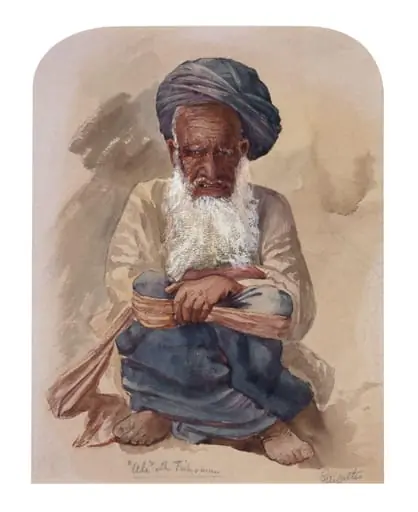 Ali the fisherman
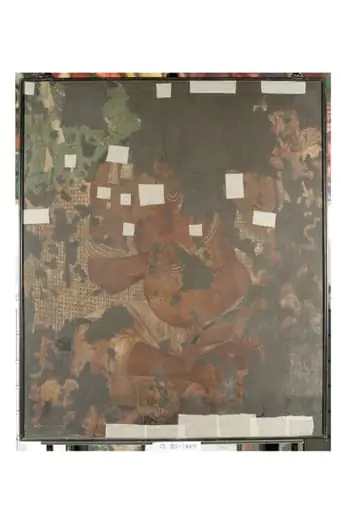 Copy of painting inside the caves of Ajanta (cave 16)
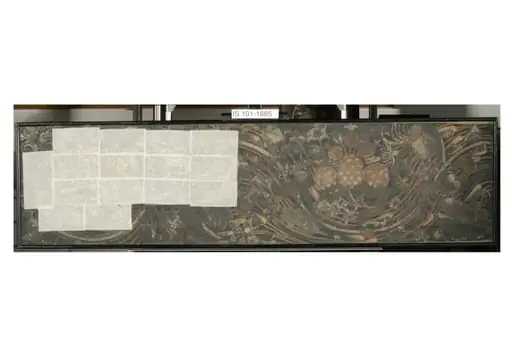 Copy of painting inside the caves of Ajanta (Cave 9)