Artwork
Bhairava Raga
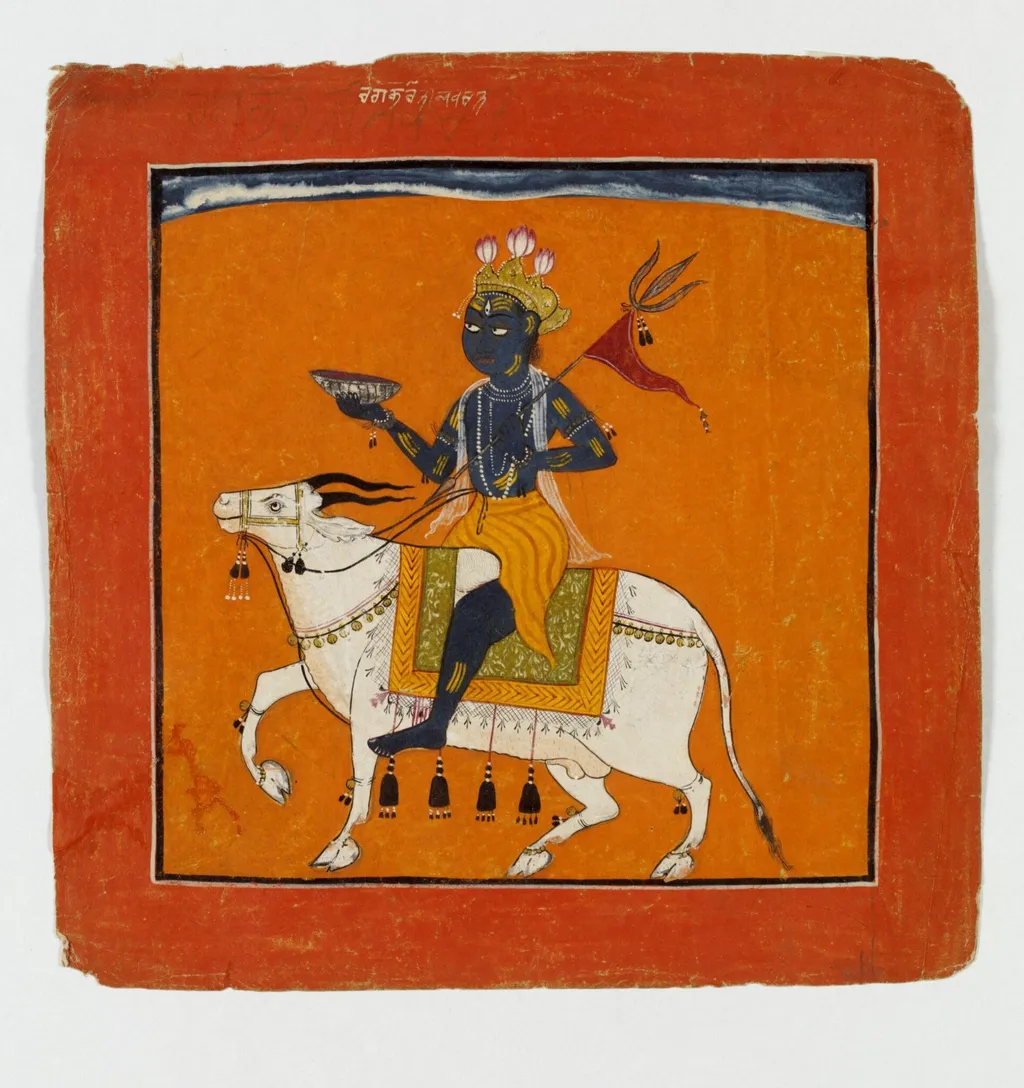
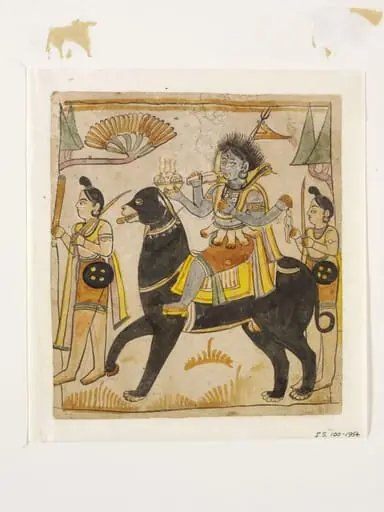
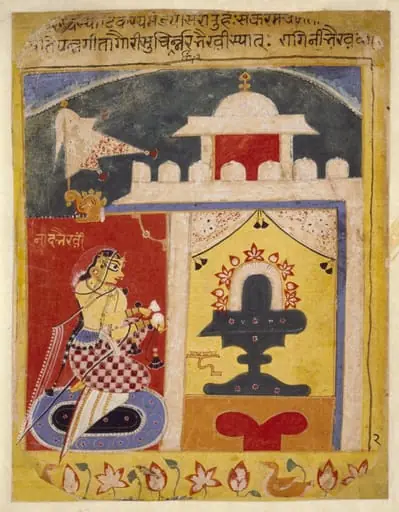
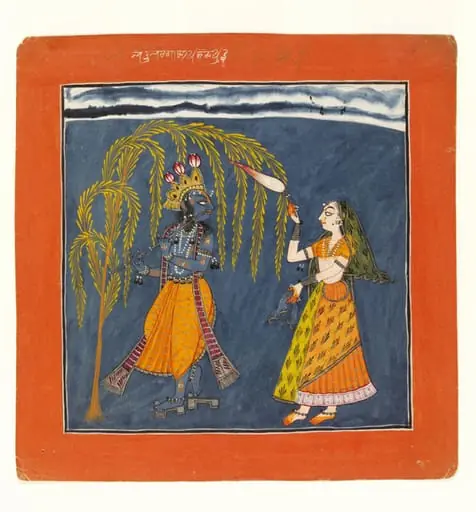
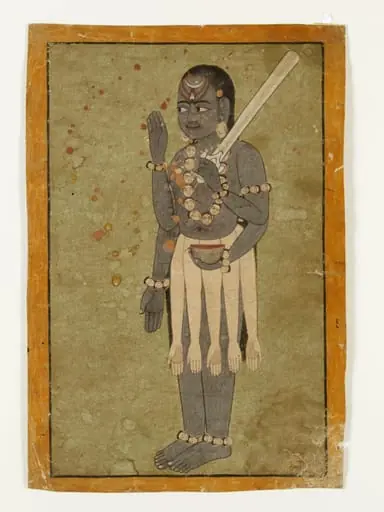
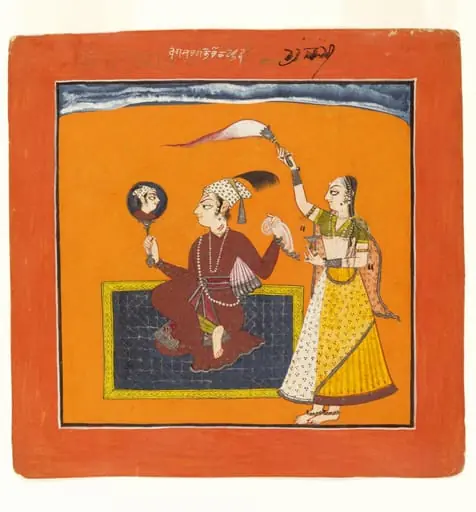
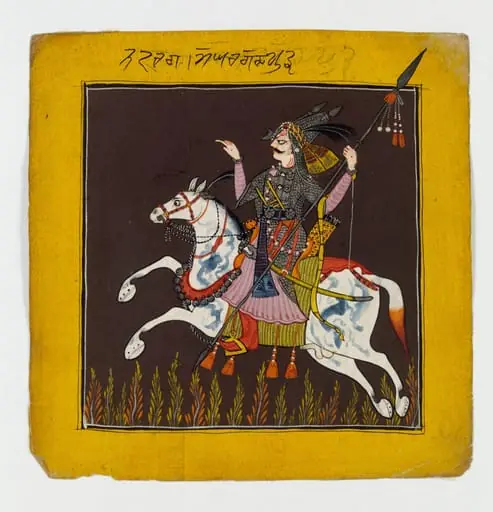
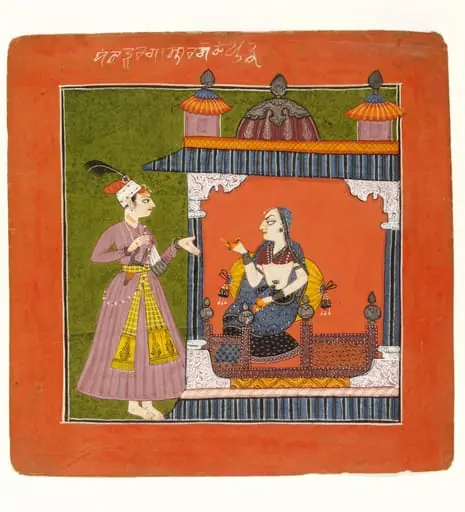
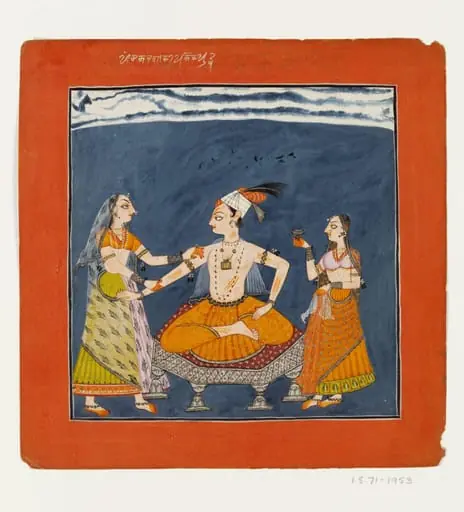
Bhairava Raga is a paint painting by the Baroque artist Unknown. It dates from 1700 and is held in the collection of the Victoria and Albert Museum. This opaque watercolour on paper, dated around 1700, belongs to a series of Ragamala paintings that visually interpret Indian musical modes.
About this work
Overview
Executed in vibrant pigments, the work combines devotional symbolism with musical abstraction, characteristic of Rajasthani and Pahari school traditions.
This opaque watercolour on paper, dated around 1700, belongs to a series of Ragamala paintings that visually interpret Indian musical modes. It depicts Bhairava, a fierce form of Shiva, as the personification of the Bhairava raga. Executed in vibrant pigments, the work combines devotional symbolism with musical abstraction, characteristic of Rajasthani and Pahari school traditions. The painting was acquired by the Victoria and Albert Museum in 1953 from the collection of Michael Rothenstein.
Subject & Meaning
The central figure, Bhairava, embodies the morning raga associated with solemnity and power. Mounted on a white bull, his dark skin and golden crown signify divine authority, while the bull represents dharma and steadfastness. The red flag he carries may allude to the raga’s energetic awakening, and the bowl in his hand could symbolize ritual offering or the vessel of spiritual nourishment. The composition merges iconography with musical essence, translating sonic qualities into visual form.
Technique & Style
Rendered in opaque watercolour, the painting employs bold, flat areas of colour—deep orange, vivid red, and rich blue—to create contrast and focus. Fine brushwork defines the deity’s ornate crown and textured bull, while the minimal background enhances the figure’s presence. The dynamic posture and lack of perspective reflect the stylized conventions of Indian miniature painting, prioritizing symbolic clarity over naturalism. The palette and line work are typical of late 17th-century North Indian workshops.
History & Provenance
The painting was once part of a complete Ragamala set, likely commissioned by a regional court or temple patron. It entered the Victoria and Albert Museum’s collection in 1953, acquired from Michael Rothenstein, a British artist and collector with an interest in South Asian art. The purchase price of £300 reflects its status as a scholarly rather than commercial acquisition at the time, contributing to the museum’s growing holdings of Indian miniature paintings.
Context
Ragamala paintings emerged in northern India between the 16th and 18th centuries as visual aids for musical meditation. Each raga was associated with a deity, time of day, season, and emotional tone. This work aligns with a broader tradition where music and devotion intersected in courtly culture, particularly under Rajput and Mughal patronage. Such paintings were not merely decorative but served as tools for spiritual and aesthetic contemplation.
Legacy
As part of a preserved set, this painting contributes to the understanding of how Indian musical theory was encoded in visual art. It remains a key example in studies of cross-disciplinary symbolism in pre-colonial India. Its inclusion in a major Western museum helped shift perceptions of Indian miniatures from curiosities to serious artistic expressions, influencing later scholarship on the relationship between sound, image, and spirituality in South Asian traditions.
Artist & collection

 Domestic Scene
 Giacomo and Cardinal Marco, investing Andrea, Abbot of San Zeno, with his Benefice
 The Nymph of Fontainebleau
 Portrait of a Woman
 Madonna and Child with Saints in the Enclosed Garden
 Venus and Minerva
 Family Group of Four on Sofa
 Wall painting from Room H of the Villa of P. Fannius Synistor at Boscoreale