Artwork
Bird on Pomegranate
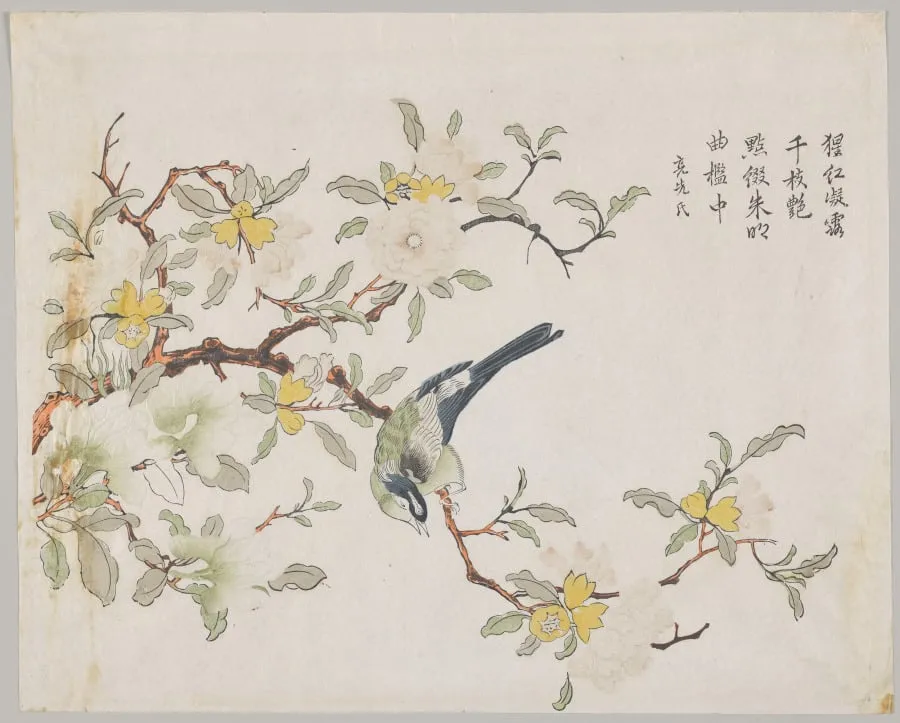
Bird on Pomegranate is a print by the Baroque artist Unknown. It dates from 1704 and is held in the collection of the Cleveland Museum of Art.
About this work
This isn’t just a pretty picture—it’s a wall print from 1700s Suzhou, made to be sold and hung in homes.
A small bird perches on a split pomegranate, its seeds spilling out. The fruit sits on a flat surface, painted in soft colors against a plain background.
This isn’t just a pretty picture—it’s a wall print from 1700s Suzhou, made to be sold and hung in homes. At the time, people in cities loved colorful, affordable art like this. The bird and fruit might symbolize luck or plenty, common themes in Chinese art.
Want to see more like it? Look up china, suzhou, qing dynasty (1644–1911).
Overview
In the 18th century, Suzhou emerged as a center for affordable, mass-produced color prints, catering to urban consumers seeking decorative art for domestic spaces. These single-sheet prints, distinct from earlier illustrated books, were designed for wall display and reflected the growing commercialization of visual culture in Jiangnan. The bird on pomegranate print exemplifies this trend, blending aesthetic appeal with accessible production methods.
Subject & Meaning
The image depicts a small bird perched on a split pomegranate, its seeds spilling onto a plain surface. In Chinese visual tradition, the pomegranate symbolizes fertility and abundance due to its numerous seeds, while birds often signify joy or good fortune. Together, the elements form a quiet yet resonant emblem of prosperity, aligned with popular auspicious motifs in Qing-era domestic decoration.
Technique & Style
Executed in soft, translucent washes of color, the print employs a restrained palette against an unadorned background to emphasize form and delicacy. The technique reflects woodblock printing methods refined in Suzhou, where multiple blocks were used to layer hues with precision. The composition is intimate and balanced, avoiding elaborate detail in favor of clarity and harmony suited to domestic viewing.
History & Provenance
Produced in Suzhou during the Qing dynasty, this print was part of a broader market for affordable wall art aimed at middle-class households. Unlike court or scholarly art, these prints were commercially distributed, often through local workshops. Their survival in private collections today offers insight into the everyday visual environment of urban China in the 1700s.
Context
During the Qing dynasty, urban centers like Suzhou experienced economic growth and rising literacy, fueling demand for decorative arts beyond elite circles. Color prints of flora, fauna, and auspicious symbols became common in homes, reflecting both aesthetic tastes and cultural values. This print fits within a wider genre of popular imagery that merged natural observation with symbolic meaning.
Legacy
These Suzhou prints influenced later folk art traditions and remain valuable for understanding how ordinary people engaged with visual culture in pre-modern China. While not signed or attributed to individual artists, their widespread circulation demonstrates a vibrant, democratized art market. Today, they serve as historical records of domestic life and aesthetic preferences in 18th-century Jiangnan.
Artist & collection

 Domestic Scene
 Giacomo and Cardinal Marco, investing Andrea, Abbot of San Zeno, with his Benefice
 The Nymph of Fontainebleau
 Portrait of a Woman
 Madonna and Child with Saints in the Enclosed Garden
 Venus and Minerva
 Family Group of Four on Sofa
 Wall painting from Room H of the Villa of P. Fannius Synistor at Boscoreale
 Paintings after Ancient Masters: A Bird and Peach-Blossom Branch
 Swallow on Flowering Peach Branch
 明 十竹齋書畫譜 四開|Leaf from the Ten Bamboo Studio Manual of Painting and Calligraphy
 Strawberry Spinach and Nightingale
 清 沈銓 高堂雙壽圖 軸|Crabapple, China rose, and Indian flycatcher
 Untitled
 Sparrows and Bamboo
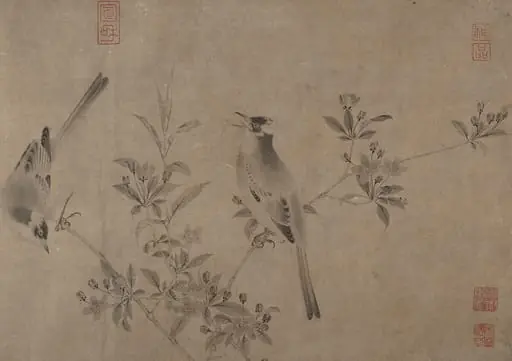 宋? 佚名 傳宋徽宗 白頭海棠圖 卷|Chinese Bulbuls on Flowering Cherry-Apple
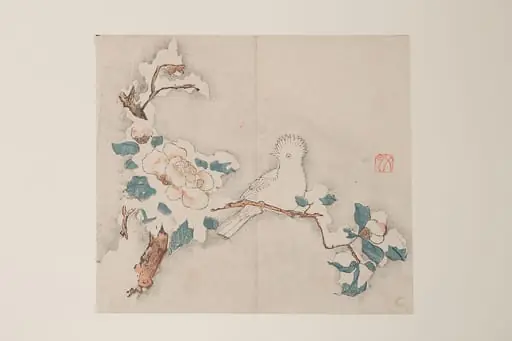 明 十竹齋書畫譜 四開|Leaf from the Ten Bamboo Studio Manual of Painting and Calligraphy
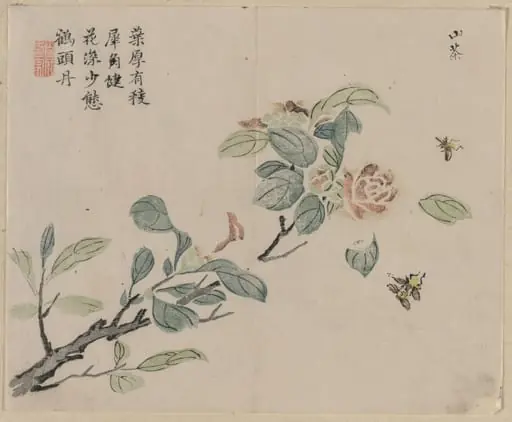 Flowering Branch with Bees
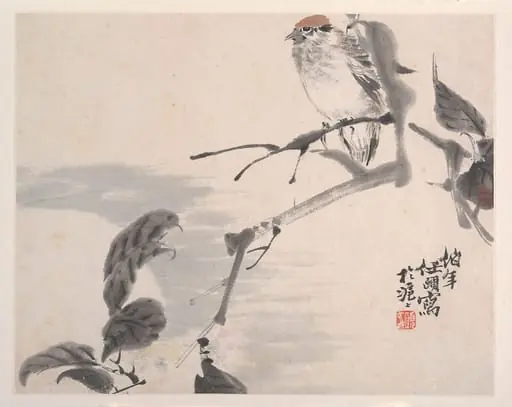 清 任頤 動物花鳥 冊頁八開|Animals, Flowers and Birds
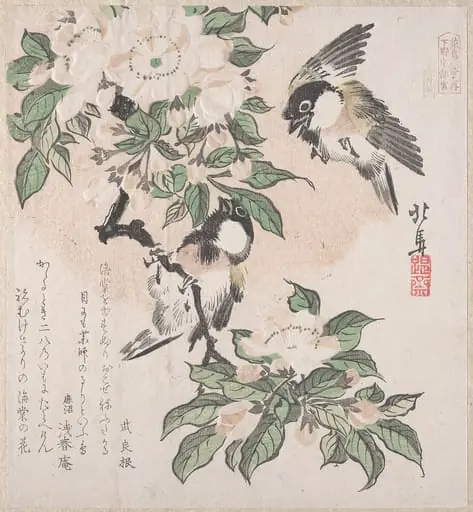 摺物帖 『春雨集』 『花鳥六番之内 下野宇都宮』 海棠に山雀|Spring Rain Collection (Harusame shū), vol. 3: Marsh-tits and Crab Apple Flowers