Artwork
Black Woman and White Child
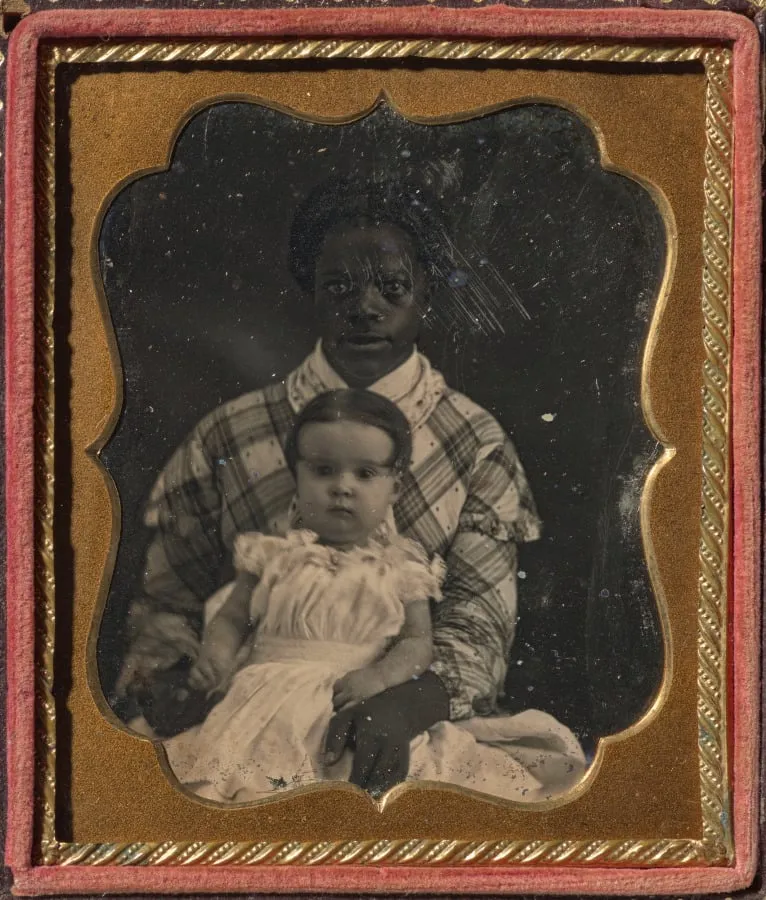
Black Woman and White Child is a photography by the Impressionist artist Unknown. It dates from 1855 and is held in the collection of the Cleveland Museum of Art. This daguerreotype, dated circa 1855, portrays a Black woman seated with a white child on her lap.
About this work
The Cleveland Museum of Art holds this photograph, titled "Black Woman and White Child," which is attributed to an unknown artist from around 1855.
This image depicts a woman and a child in a photograph. The woman, who is Black, sits with the child, who is white, on her lap. The woman wears a plaid dress and the child is dressed in white.
The photograph is presented in a decorative frame, which adds to its historical charm. The image itself appears to be a daguerreotype, a type of early photograph that was popular during the mid-19th century.
The Cleveland Museum of Art holds this photograph, titled "Black Woman and White Child," which is attributed to an unknown artist from around 1855. The museum is a great place to learn more about this piece and its historical context.
Overview
This daguerreotype, dated circa 1855, portrays a Black woman seated with a white child on her lap. The image, attributed to an unknown photographer, is preserved in its original decorative frame, reflecting the period’s aesthetic for personal portraiture. Held by the Cleveland Museum of Art, it is one of the few surviving early photographs depicting such an intimate interracial domestic scene in mid-19th-century America.
Subject & Meaning
The composition centers on physical closeness between the woman and child, suggesting a caregiving relationship likely rooted in enslavement or domestic service. The child’s white attire and the woman’s plaid dress contrast subtly, emphasizing social distinctions even as their bodies align in quiet intimacy. The image resists overt narrative, inviting reflection on unspoken power dynamics within household life.
Technique & Style
Executed as a daguerreotype, the image captures fine detail through a silver-plated copper surface developed with mercury vapor. The lighting is soft and even, typical of studio settings of the era, enhancing the textures of fabric and skin. The formal pose and framed presentation indicate a deliberate, possibly commissioned, portrait rather than a casual snapshot.
History & Provenance
The photograph entered the collection of the Cleveland Museum of Art with no documented prior ownership. Its origins remain obscure, with no record of the subjects’ identities or the photographer’s name. The survival of the original frame and its preservation in good condition suggest it was valued by a private collector or family before institutional acquisition.
Context
In 1855, the United States was deeply divided over slavery, and images of Black individuals in domestic roles were common but rarely centered with such quiet dignity. This photograph stands apart from typical stereotypical depictions of the time, offering a rare glimpse into the complex, often unacknowledged, personal relationships within enslaved households and white families.
Legacy
As one of the earliest known photographs of its kind, the image contributes to the visual record of race, labor, and intimacy in antebellum America. It challenges simplified narratives of the period and continues to prompt scholarly inquiry into how photography shaped—and sometimes obscured—social hierarchies in everyday life.
Artist & collection

 Domestic Scene
 Giacomo and Cardinal Marco, investing Andrea, Abbot of San Zeno, with his Benefice
 The Nymph of Fontainebleau
 Portrait of a Woman
 Madonna and Child with Saints in the Enclosed Garden
 Venus and Minerva
 Family Group of Four on Sofa
 Wall painting from Room H of the Villa of P. Fannius Synistor at Boscoreale
 Child Standing on a Chair Holding Flowers, with Mother
 Mother and Child
 Mother with son with blind right eye
 Girl with Doll
 Untitled (West Indian Women Being Measured)
 Boy with hobby horse
 The Homework Table & Parents of Five Children Doing Homework
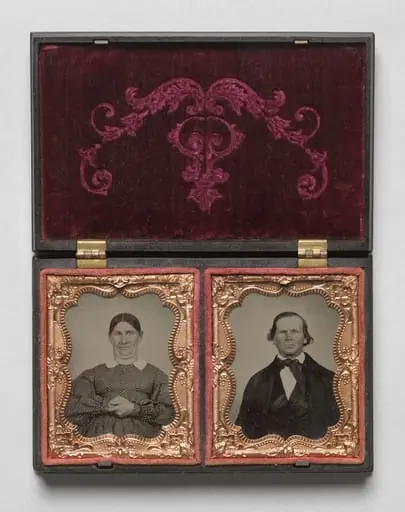 Husband and Wife
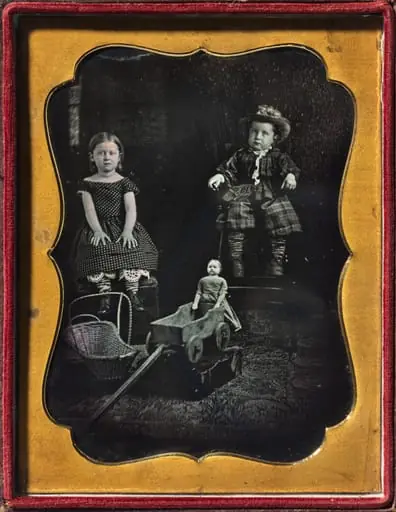 Two Children with Toys
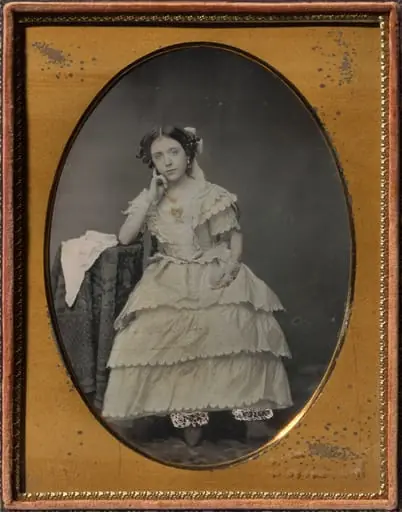 Young Woman in Pantalettes
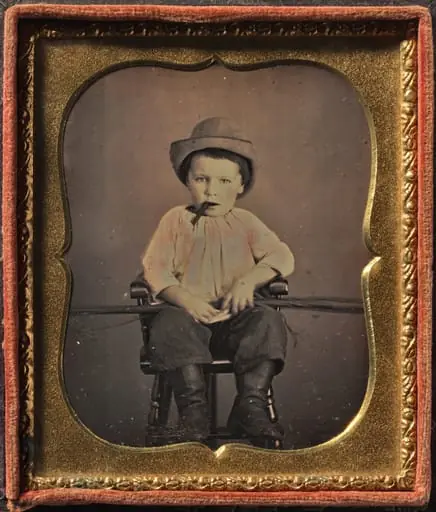 Boy with Cigar
 Teenage girl with bottle curls