Artwork
Blid de formă tronconică foarte adâncită, cu buza foarte înaltă și ușor ieșită în afară în partea exterioară. Este smălțuit interior și exterior (doar buza). În centru e decorat cu motive florale, iar pe margine cu o linie; pe fund are marca ”Granitul No 4 1/2”. Cromatică: fond interior crem; fond exterior maro; motive: mov închis; verde; albastru; maro.
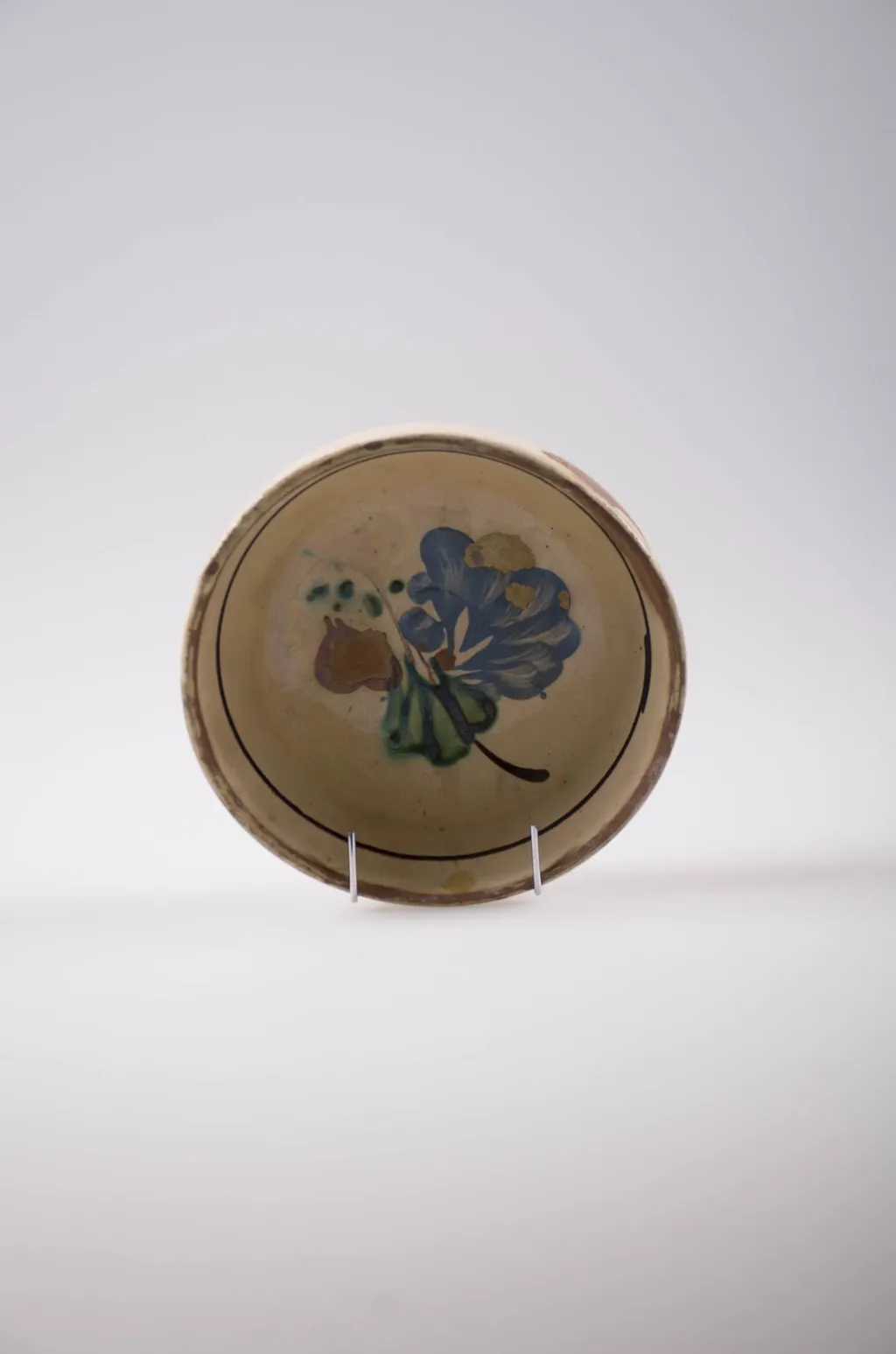
Blid de formă tronconică foarte adâncită, cu buza foarte înaltă și ușor ieșită în afară în partea exterioară. Este smălțuit interior și exterior (doar buza). În centru e decorat cu motive florale, iar pe margine cu o linie; pe fund are marca ”Granitul No 4 1/2”. Cromatică: fond interior crem; fond exterior maro; motive: mov închis; verde; albastru; maro. is a photography by Unknown. It dates from 1850 and is held in the collection of the ASTRA National Museum Complex. The object is a shallow, circular dish with a pronounced, high rim that projects slightly outward.
About this work
Overview
The object is a shallow, circular dish with a pronounced, high rim that projects slightly outward. Both the interior and the rim are glazed, while the outer surface of the rim remains unglazed. The piece bears a maker’s mark on the underside reading “Granitul No 4 ½.”
Subject & Meaning
The interior surface is decorated with a simple floral motif rendered in dark violet, green, blue and brown pigments against a creamy background. The design is centered and lacks narrative content, suggesting a primarily ornamental purpose rather than symbolic storytelling.
Technique & Style
The dish is executed in a painted ceramic technique, with a glazed interior and rim contrasted by an unglazed exterior rim. The color palette combines muted earth tones with richer jewel hues, and the painted line around the edge provides a subtle framing element.
History & Provenance
The inscription “Granitul No 4 ½” identifies the workshop or manufacturer, indicating a production series rather than a unique commission. No further provenance is recorded, but the style aligns with mid‑20th‑century Romanian folk pottery traditions.
Context
Such shallow serving vessels were common in domestic settings for presenting food or decorative objects. The floral decoration reflects a vernacular aesthetic that favored natural motifs and modest color contrasts, typical of rural ceramic production.
Artist & collection

 Domestic Scene
 Giacomo and Cardinal Marco, investing Andrea, Abbot of San Zeno, with his Benefice
 The Nymph of Fontainebleau
 Portrait of a Woman
 Madonna and Child with Saints in the Enclosed Garden
 Venus and Minerva
 Family Group of Four on Sofa
 Wall painting from Room H of the Villa of P. Fannius Synistor at Boscoreale
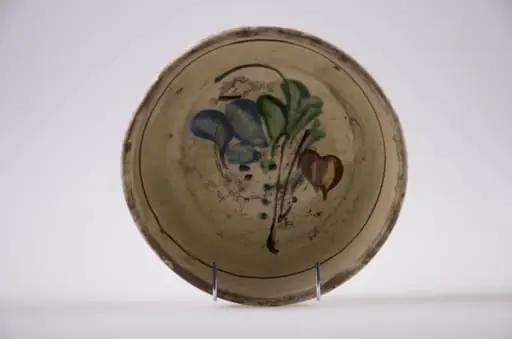 Vas de formă tronconică foarte adâncită, cu buza înaltă și ușor ieșită în afară în partea exterioară. Smălțuit la interior și la exterior (doar buza). Central e decorat cu motive florale, iar pe margine cu o linie; pe fund are marca ”Granitul No”; cromatica: fond interior crem, fond exterior maro; motive: verde; albastru; maro.
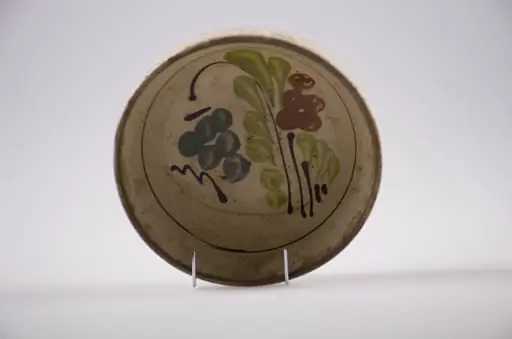 Farfurie de formă tronconică foarte adâncită, cu buza foarte înaltă și ușor ieșită în afară în partea exterioară. Smălțuită la interior și la exterior (doar buza). În centru e decorat cu viță de vie, iar pe margine cu o linie. Pe fund are marca ”Granitul No 8”. Cromatică: fond interior crem, fond exterior maro; motive: verde; maro închis; maro deschis; gri.
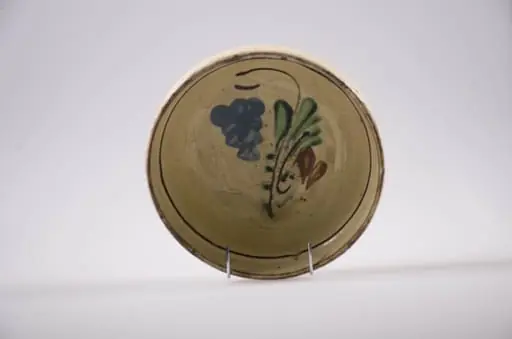 Vas de formă tronconică foarte adâncit, cu buza foarte înaltă și ușor ieșită în afară în partea exterioară. Este smălțuit interior și exterior (doar buza). În centru e decorat cu viță de vie, iar pe margine cu o linie; pe fund are marca ”Granitul No 4”. Cromatică: fond interior crem; fond exterior maro; motive: mov închis; maro; verde; albastru.
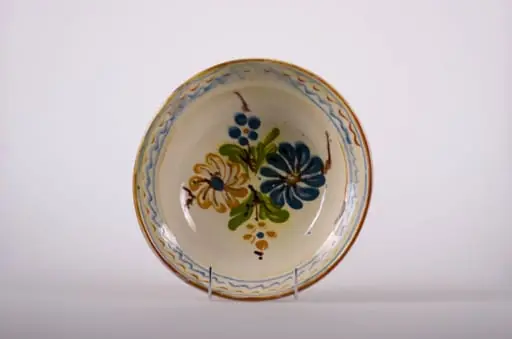 Blid de formă tronconică, adâncit; pe fund are găuri pentru agățare. Este smălțuit în interior și exterior (buza); este decorat cu motive geometrice: linie, linie ondulată; motive fitomorfe: frunze; motive florale. Cromatică: fond: alb; motive: albastru; maro; verde.
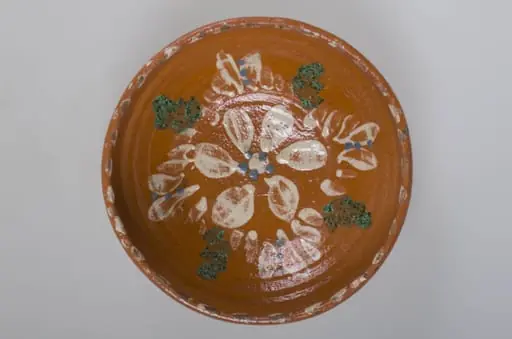 Blidul de formă tronconică este unul adânc, smălțuit pe interior, ornamentat cu motive florale, cu buză înaltă, neornamentat la exterior. Obiectul este smălțuit, la exterior, doar pe buză. Acesta prezintă puncte pictate cu pensula pe buză, la interior. Blidul este prevăzut cu două orificii pentru prindere, pe fund. Cromatică: fondul este cărămiziu, iar motivele sunt pictate cu alb, verde și albastru.
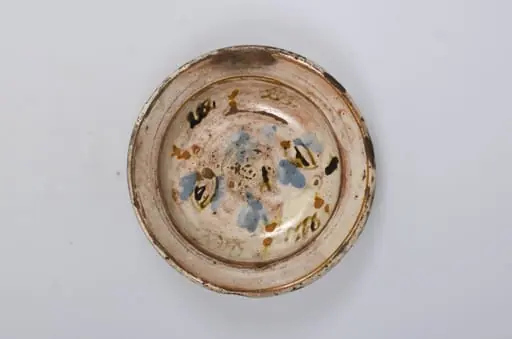 Vas de formă tronconică adâncit, smălțuit în interior. Este decorat pe margine cu motive geometrice: cercuri concentrice, iar în centru cu motive vegetale și florale. Decorul este realziat prin pictare. Cromatică: fond cărămiziu (exterior); fond alb (interior); albastru; maro; portocaliu.
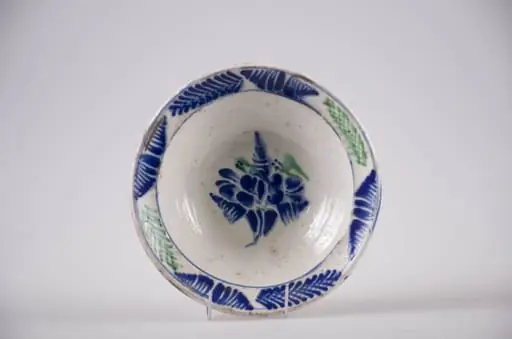 Blid de formă tronconică cu buza evazată, Smălțuit la interior. Decorul este format din ornamente florale dispuse pe motiv central: floare; motive marginale, fitomorfe: brăduț. Cromatică: verde și albastru pe fond alb.
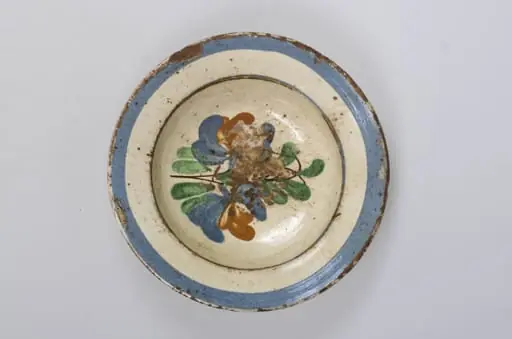 Vasul are formă tronconică, adâncit. Este smălțuit în interior și decorat cu motive floral-vegetale pe fundul vasului și pe margine cu motive geometrice realizate sub forma a trei cercuri concentrice, unul dintre cercuri mai îngroșat și dispus pe buza vasului. Cromatică: fond cărămiziu (exterior); fond alb (interior); albastru; verde; maro.
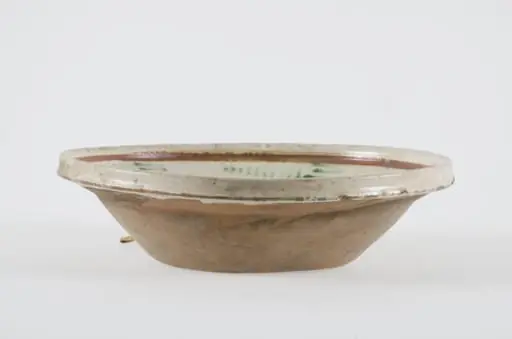 Blid de formă tronconică, adâncit, lucrat la roata rapidă și smălțuit la interior. Smalțul interior este alb iar pe exterior se identifică scurgeri de smalț alb și maroniu. Farfuria este decorată cu motive vegetale și florale stilizate dispuse în zona centrală a vasului dar și într-un registru geometric pe buza interioară a vasului. Cromatică: alb; motive: verde; maro.
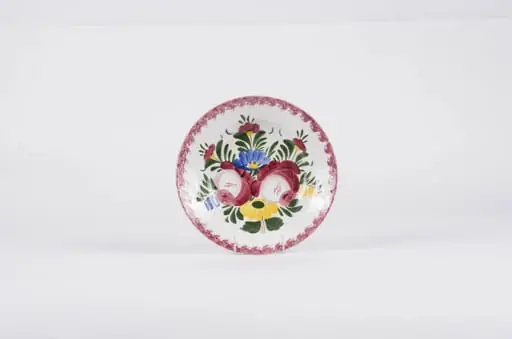 Vasul este de formă tronconică fiind smălțuit interior-exterior. Este confecționat din faianță Decorul este format din motive florale pictate pe fond alb; gura este decorată în stropi de culoare vișinie iar baza farfuriei este decorată cu motive florale. Se identifică șapte flori alcătuind motivul decorativ pe baza farfuriei. Pe spate inscripția este indescifrabilă. Cromatică: galben; albastru; verde; vișiniu; alb;
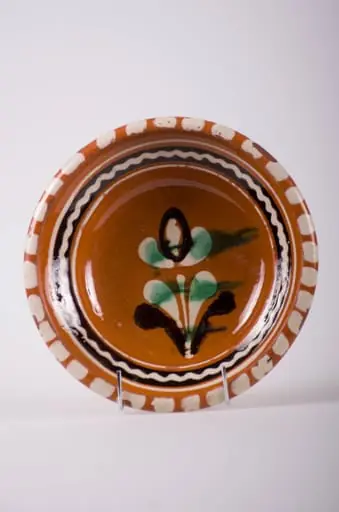 Vas de formă tronconică, adâncită. Pe fund are gaură pentru agățare; este smălțuit interior și exterior (doar buza); este decorat cu motive geometrice: linie, linie în val; în interior este decorat cu motive florale. Cromatică: fond: cărămiziu; motive: cărămiziu; maro; negru; verde.