Artwork
Vasul este de formă tronconică fiind smălțuit interior-exterior. Este confecționat din faianță Decorul este format din motive florale pictate pe fond alb; gura este decorată în stropi de culoare vișinie iar baza farfuriei este decorată cu motive florale. Se identifică șapte flori alcătuind motivul decorativ pe baza farfuriei. Pe spate inscripția este indescifrabilă. Cromatică: galben; albastru; verde; vișiniu; alb;
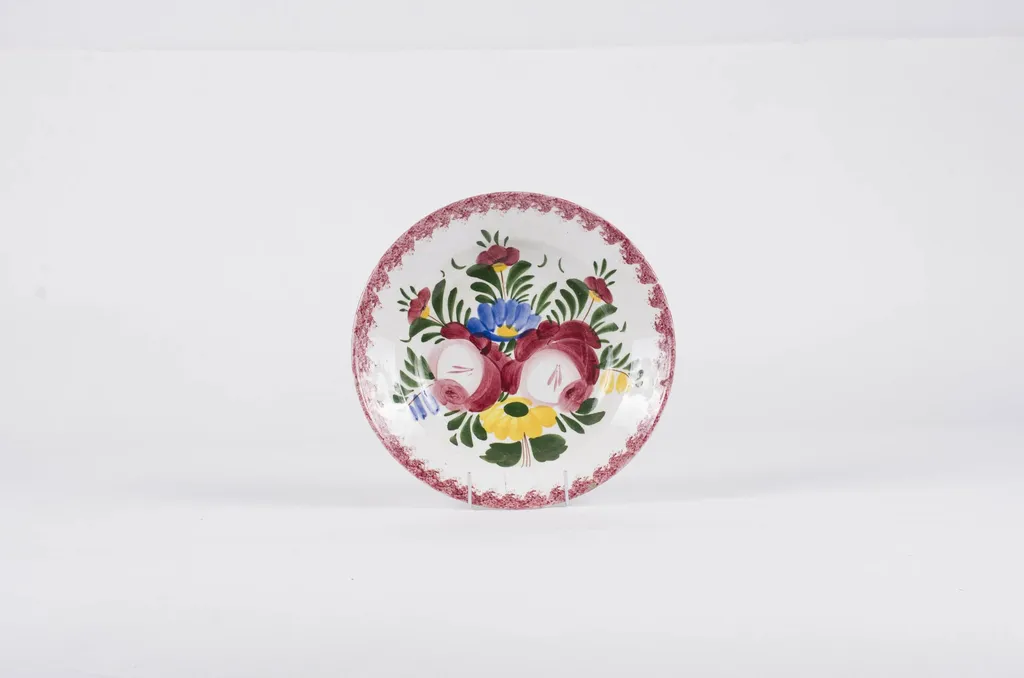
Vasul este de formă tronconică fiind smălțuit interior-exterior. Este confecționat din faianță Decorul este format din motive florale pictate pe fond alb; gura este decorată în stropi de culoare vișinie iar baza farfuriei este decorată cu motive florale. Se identifică șapte flori alcătuind motivul decorativ pe baza farfuriei. Pe spate inscripția este indescifrabilă. Cromatică: galben; albastru; verde; vișiniu; alb; is a print by Unknown. It dates from 1850 and is held in the collection of the ASTRA National Museum Complex. This ceramic plate is conical in shape, glazed both inside and out, and crafted from faience.
About this work
Overview
The palette includes yellow, blue, green, crimson, and white, creating a restrained yet vivid decorative scheme typical of regional ceramic traditions.
This ceramic plate is conical in shape, glazed both inside and out, and crafted from faience. Its surface is dominated by a white ground adorned with painted floral motifs. The rim features a distinctive band of crimson dots, while the base bears a repeating floral pattern. The palette includes yellow, blue, green, crimson, and white, creating a restrained yet vivid decorative scheme typical of regional ceramic traditions.
Subject & Meaning
The decoration centers on seven stylized flowers, accompanied by leafy tendrils that suggest natural growth. The arrangement lacks narrative or symbolic specificity, instead emphasizing ornamental harmony. The choice of floral elements reflects a broader cultural preference for botanical motifs in domestic ceramics, likely intended to convey freshness and order rather than religious or mythological reference.
Technique & Style
The plate was formed from molded faience and coated with a transparent glaze to seal the painted designs. Colors were applied beneath the glaze using a brush, allowing for fine detail in the petals and leaves. The red dotted rim and the crisp outlines of the central bouquet indicate a methodical, possibly workshop-based production, with attention to repetition and balance over individual expression.
History & Provenance
The object’s origin is undocumented, though its form and decoration align with late 18th- to early 19th-century ceramic production in Eastern Europe. The illegible inscription on the reverse suggests it may have once carried a maker’s mark or owner’s notation, now lost to wear or damage. No known archival records link it to a specific workshop or collection.
Context
This plate belongs to a broader category of utilitarian ceramics decorated with floral patterns, common in households across the region during the Ottoman and post-Ottoman periods. Such items were often produced in regional kilns for local markets, blending folk aesthetics with imported technical influences. Their prevalence underscores the integration of ornament into everyday life.
Legacy
Though unsigned and unattributed, the plate exemplifies the quiet persistence of hand-painted ceramic traditions in domestic settings. It survives not as a work of high art but as a testament to vernacular craftsmanship—its value lying in its modest beauty and the continuity of technique it represents across generations of anonymous artisans.
Artist & collection

 Domestic Scene
 Giacomo and Cardinal Marco, investing Andrea, Abbot of San Zeno, with his Benefice
 The Nymph of Fontainebleau
 Portrait of a Woman
 Madonna and Child with Saints in the Enclosed Garden
 Venus and Minerva
 Family Group of Four on Sofa
 Wall painting from Room H of the Villa of P. Fannius Synistor at Boscoreale
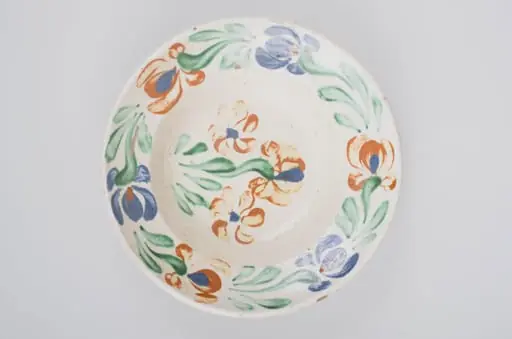 Farfurie cu fundul adâncit și buza evazată. Smălțuită numai în interior și scurgeri de smalț sub buză. Prezintă găuri pentru prinderea aței în vederea agățării. Decorată cu motive florale: central are trei flori iar pe margine un chenar floral. Cromatică: fond: alb; motive: maro; verde; albastru.
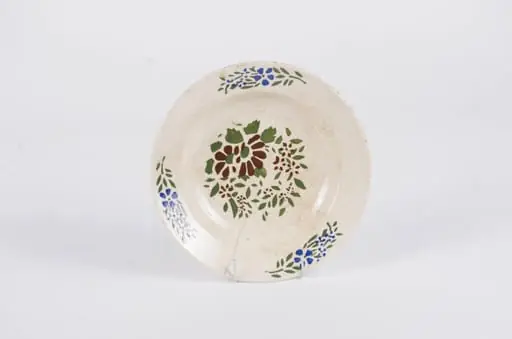 Farfuria este de formă tronconică, fiind smălțuită integral. Prezintă un decor floral-vegetal dispus pe fundul și pe buza vasului. Cromatică: fond alb; motive: verde; maro; albastru.
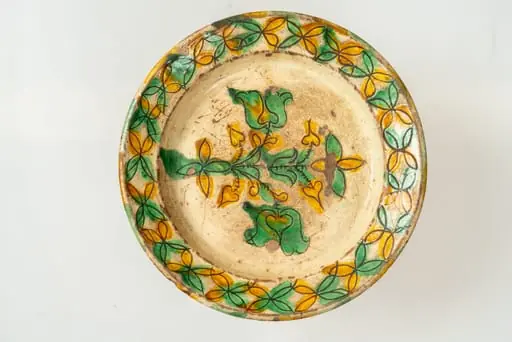 Farfurie de formă aplatizată, cu buză răsfrântă și muchie rotunjită. Piesa este modelată la roata olarului, angobată cu humă albă. Decorul este realizat prin sgrafitare în angoba crudă, peste care se aștern cu pensula culorile de smalț: verde și galben. Motivele decorative sunt florale și vegetale stilizate, dispuse pe fundul și pe buza farfuriei. Cromatica decorului: alb, galben, verde.
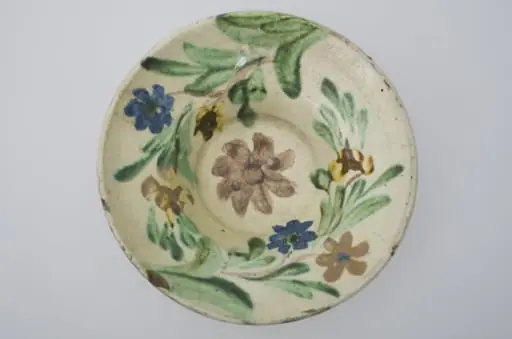 Farfurie cu marginea foarte lată și evazată, smălțuită în interior. Decor floral pe toată suprafața interioară. Cromatică: fond: alb; motive: brun; verde; galben; albastru.
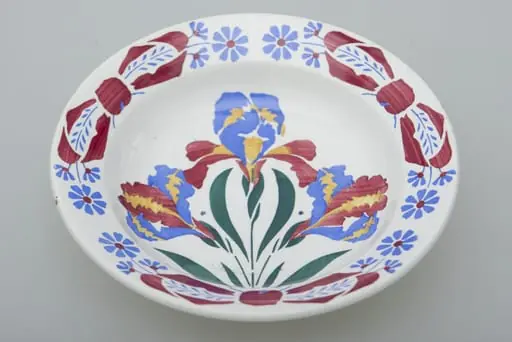 Farfurie de formă tronconică, ușor adâncită. Există două registre ornamentale, unul plasat de jur împrejurul buzei cu motive florale. Al doilea registru plasat în centru tot cu motive florale. Smălțuită. Cromatică: fond: alb; motive: albastru; verde; roșu; galben.
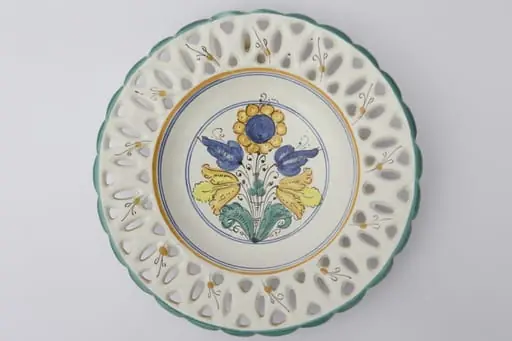 Farfurie ornamentală ce prezintă găurele între buză și partea adâncită obținute prin ștanțare. Buza este vălurită și prezintă un contur de culoare verde. Registrul central are motive florale și geometrice: cercuri galbene și albastre ce încadrează motivele florale. La posterior, baza inelară perforată pentru atârnare. Cromatică: fond: alb; motive: verde; galben; albastru; negru.
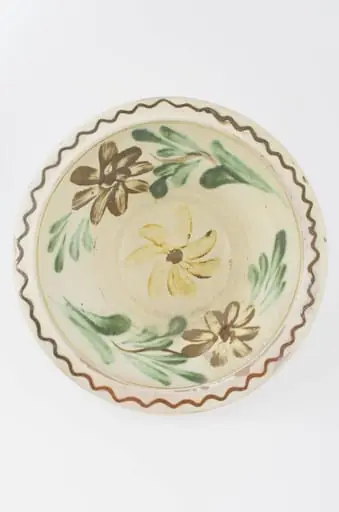 Farfuria este adâncită, tronconică cu buza profilată și pereți înalți. Este smalțuită pe interior, având dispuse elementele decorative atât pe buza vasului (motive geometrice) cât și pe pereții interiori după cum urmează: central o floare galbenă încadrată de alte două flori cu frunze - una maro și cealaltă galbenă. Cromatică: fond: alb-gălbui; motive: brun; verde; galben.