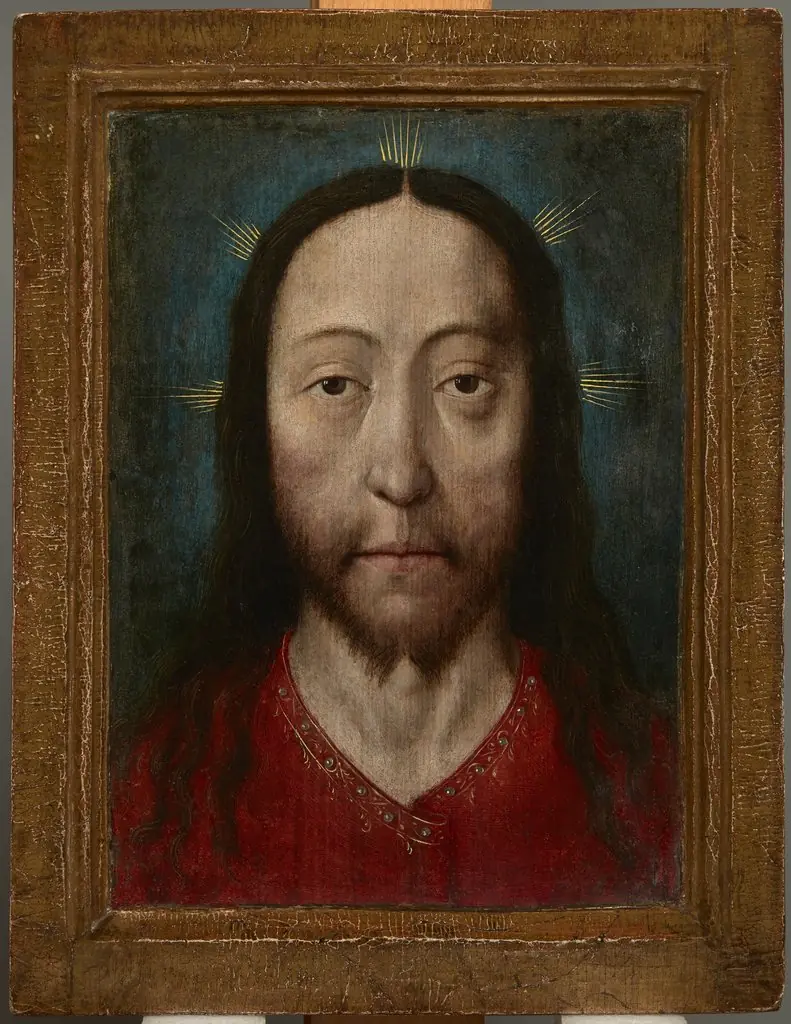
Artwork
Christ as Saviour of the World
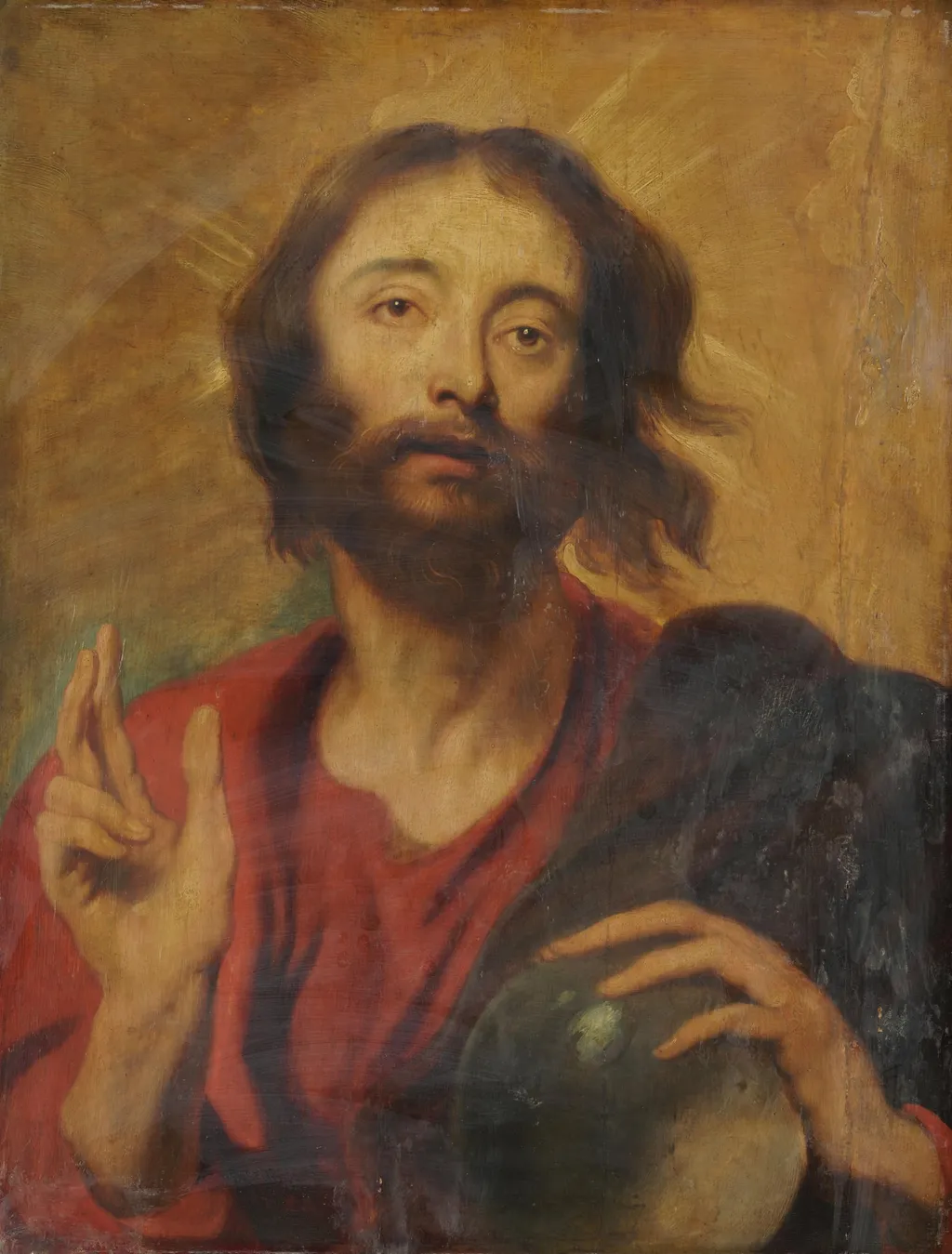
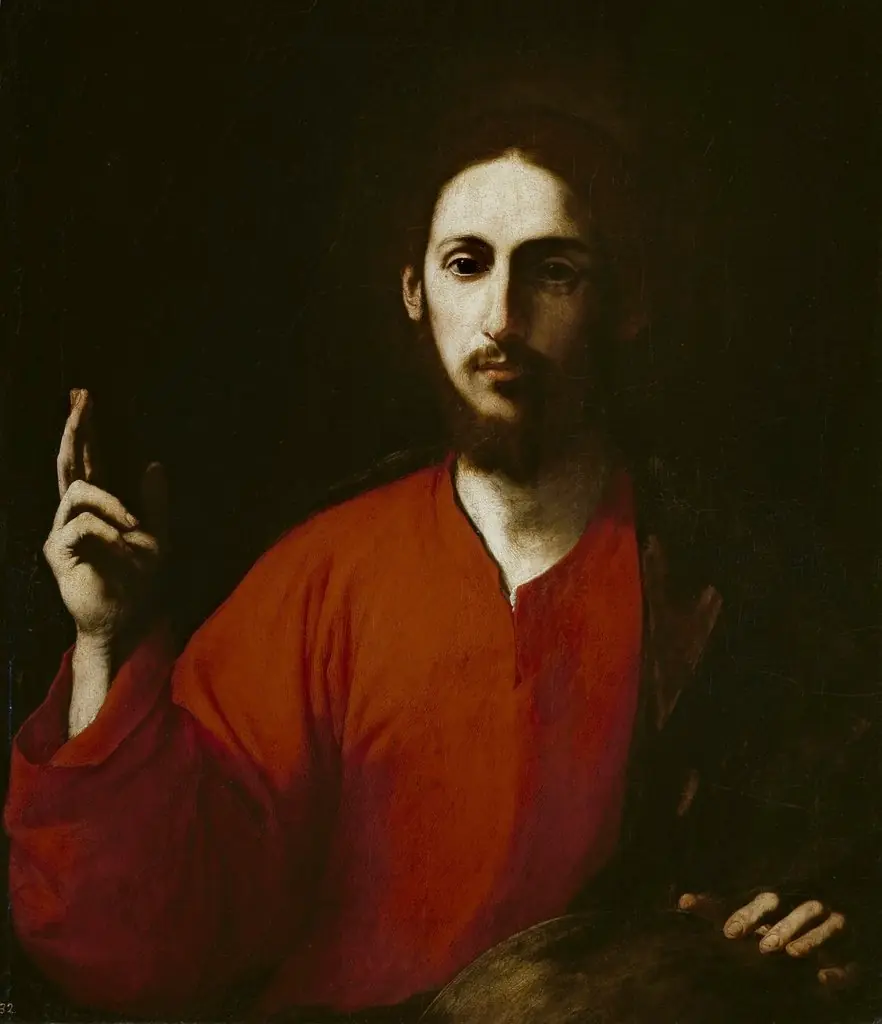
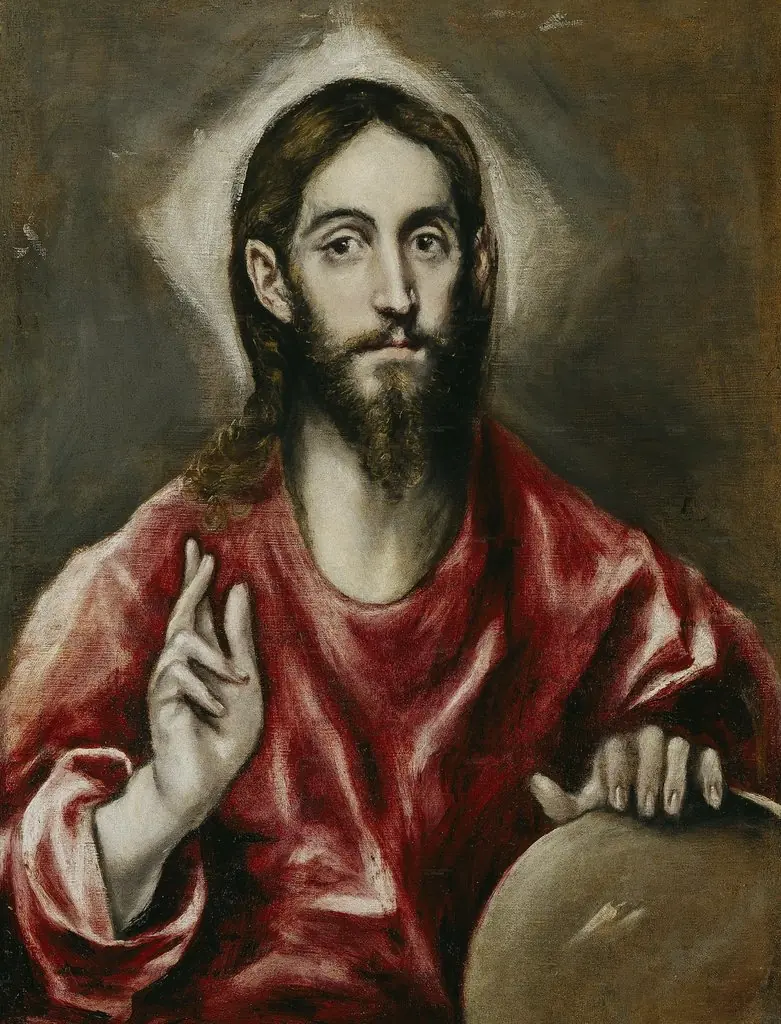
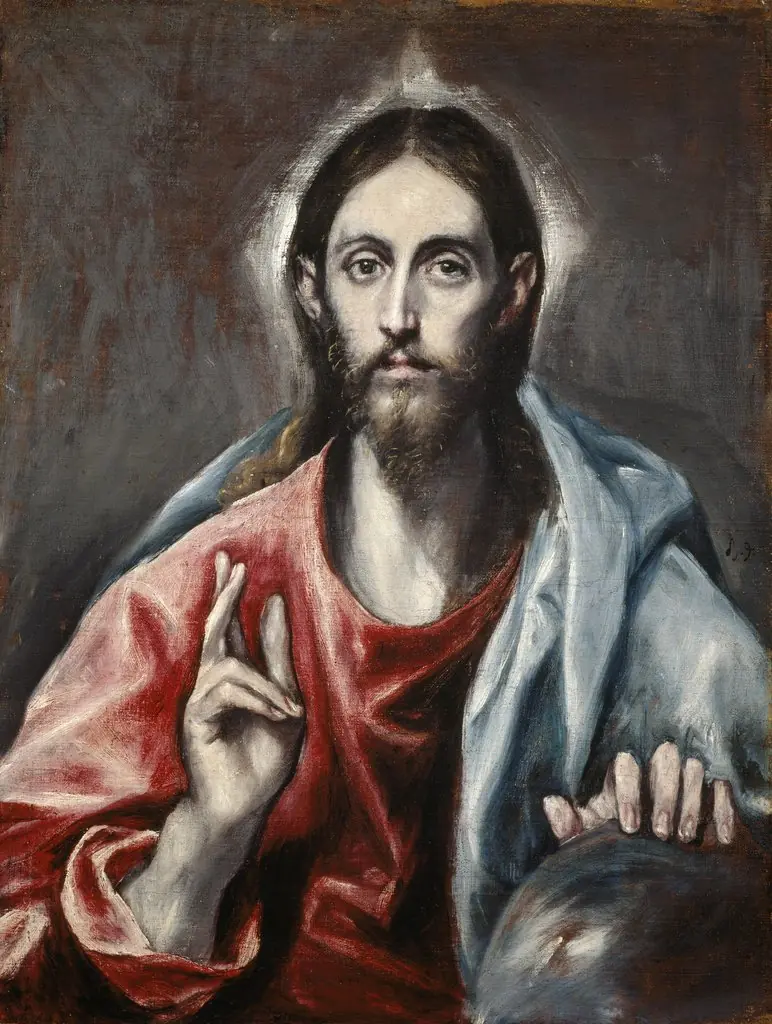
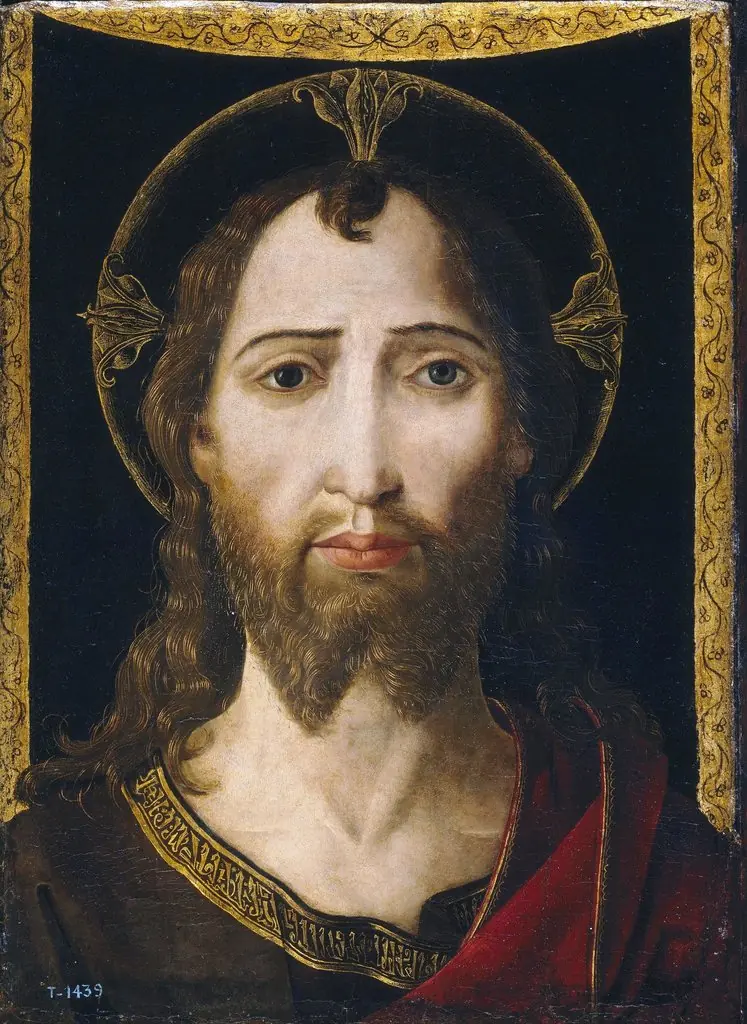
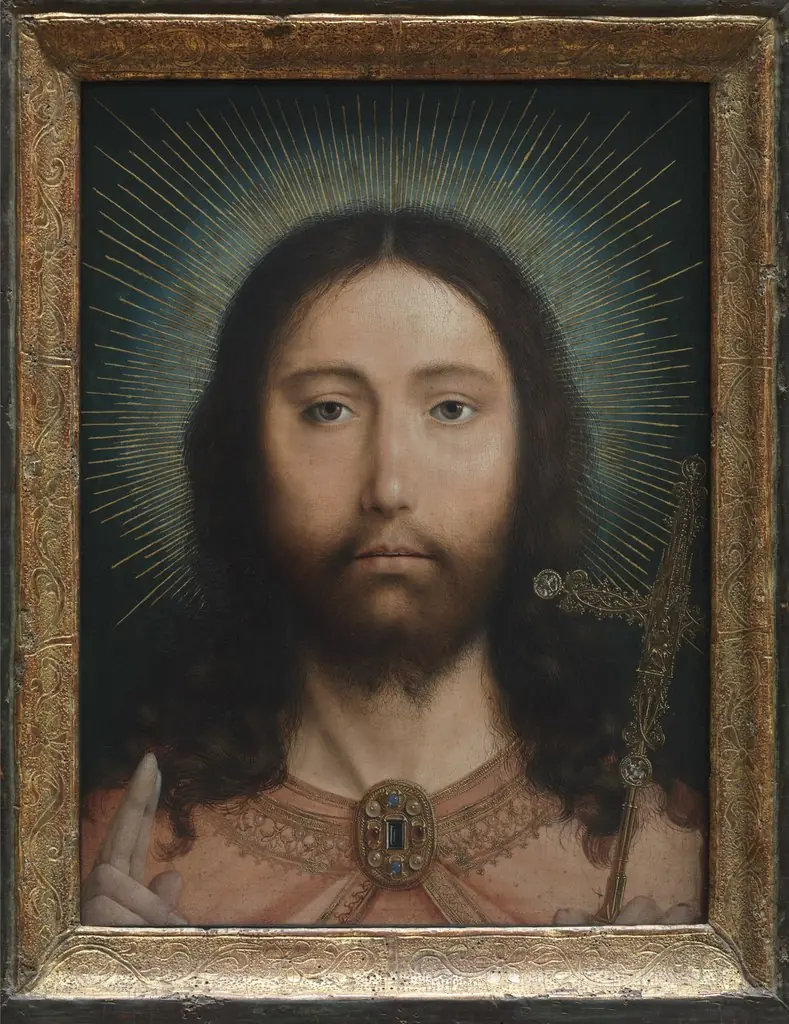
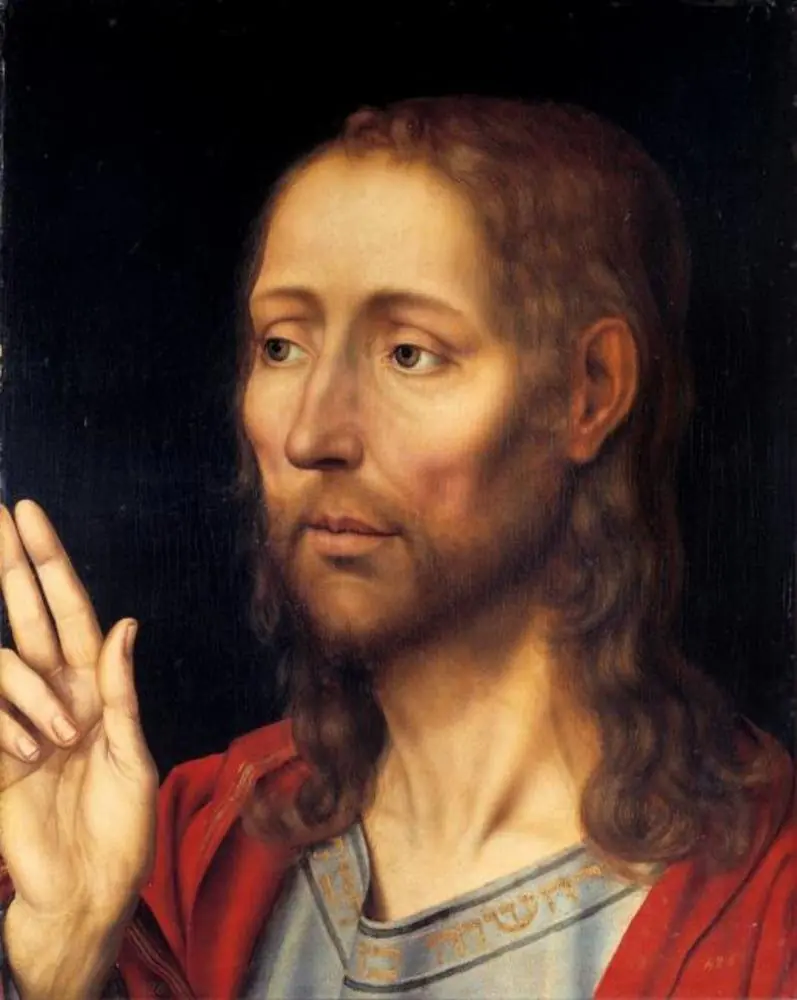
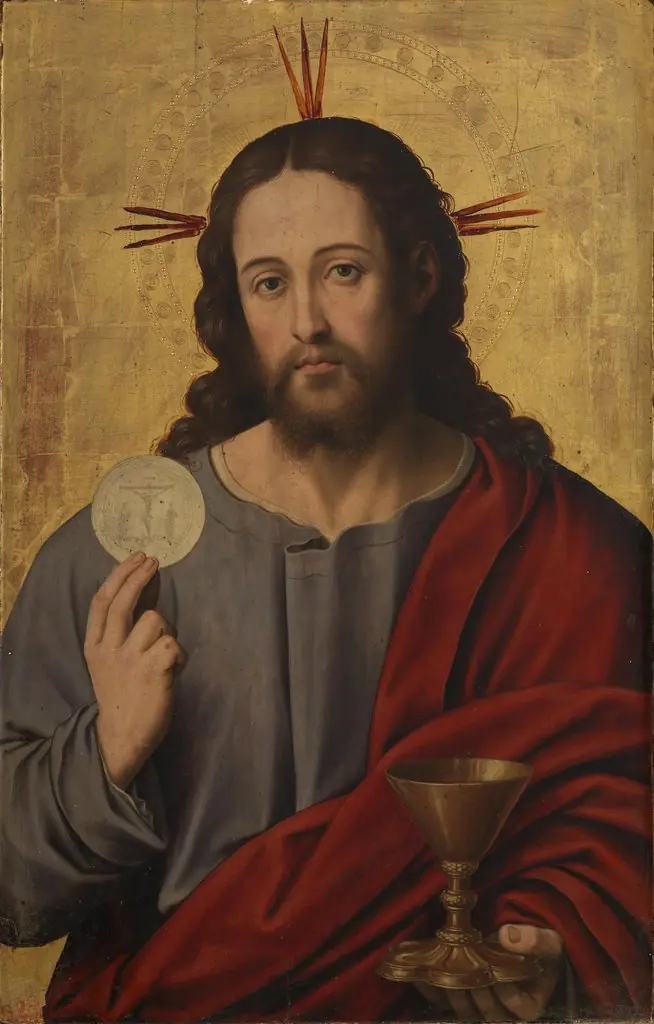
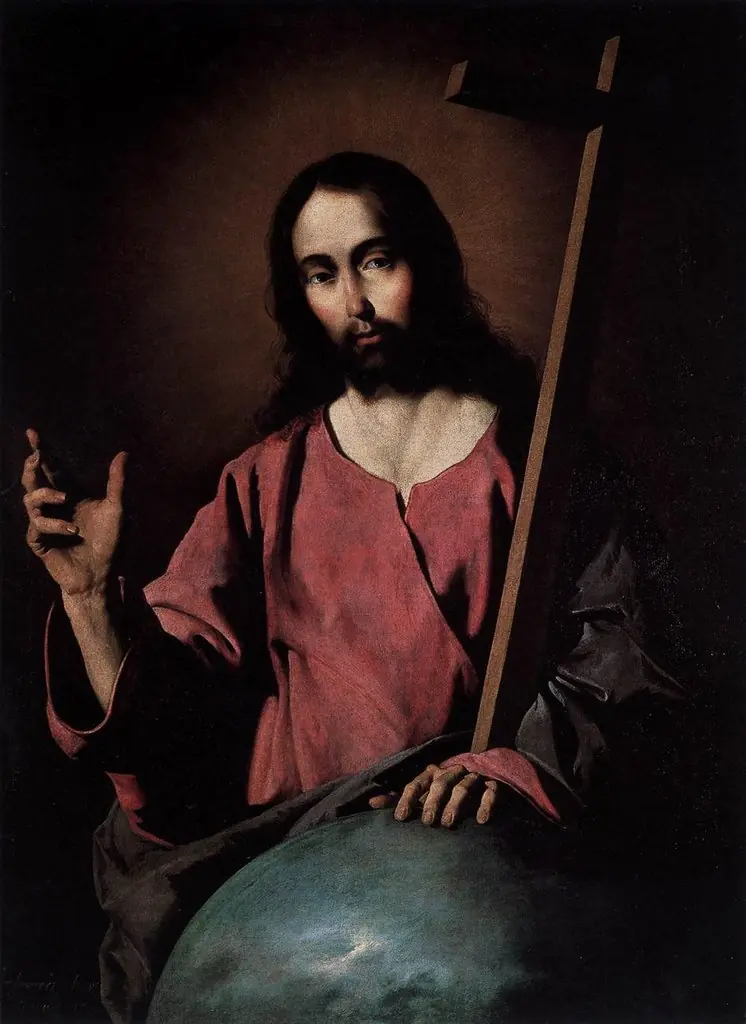
Christ as Saviour of the World is an unspecified painting by the Early Baroque Italian artist Unknown. It dates from 1620 and is held in the collection of the Rijksmuseum. The work presents a tightly cropped portrait of Christ, his visage rendered in a subtle play of light and shadow.
About this work
Overview
The work presents a tightly cropped portrait of Christ, his visage rendered in a subtle play of light and shadow. He holds a transparent glass sphere in his right hand, a traditional orbis terrarum signifying dominion over the earth. The composition focuses on the contemplative expression, inviting viewers to consider the theological role of the figure as a universal savior.
Subject & Meaning
Christ is depicted as the Salvator Mundi, a title emphasizing his function as the world's redeemer. The glass globe functions as an emblem of his sovereign authority over all nations, a motif common in late medieval and Renaissance devotional imagery. The half‑lit face underscores the duality of divine illumination and human mystery inherent in the savior's persona.
Technique & Style
The painting employs chiaroscuro, contrasting illuminated planes with deep shadow to model the facial features and suggest three‑dimensional form. The handling of light is restrained, creating a calm atmosphere rather than dramatic effect. Fine brushwork defines the translucency of the sphere, while the muted palette reinforces the solemn tone of the portrait.
History & Provenance
The piece is a later copy of an original that has not survived, likely produced within the workshop of a prominent artist whose identity remains uncertain. The original was once housed in Potsdam before its loss. This replica preserves the composition and iconography of the vanished work, offering insight into the devotional practices of its era.
Artist & collection

 Domestic Scene
 Giacomo and Cardinal Marco, investing Andrea, Abbot of San Zeno, with his Benefice
 The Nymph of Fontainebleau
 Portrait of a Woman
 Madonna and Child with Saints in the Enclosed Garden
 Venus and Minerva
 Family Group of Four on Sofa
 Wall painting from Room H of the Villa of P. Fannius Synistor at Boscoreale