Artwork
Christ the Saviour
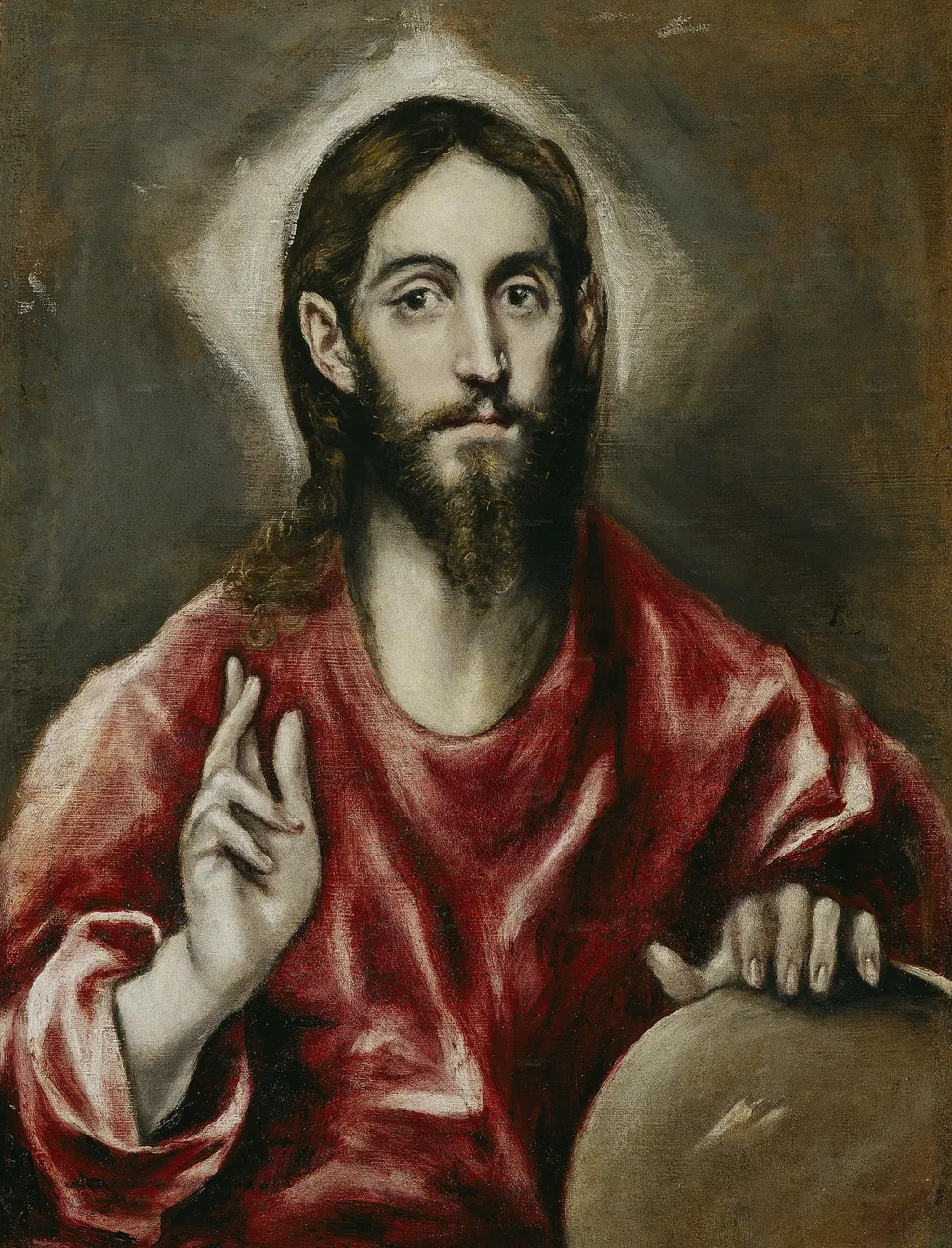
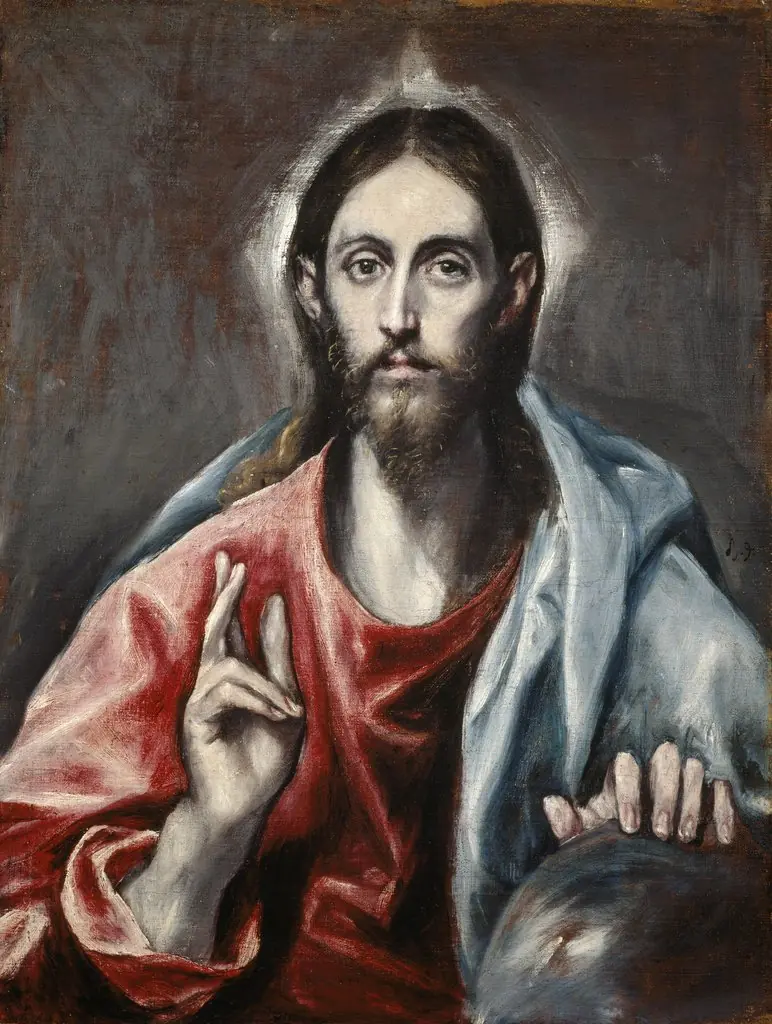
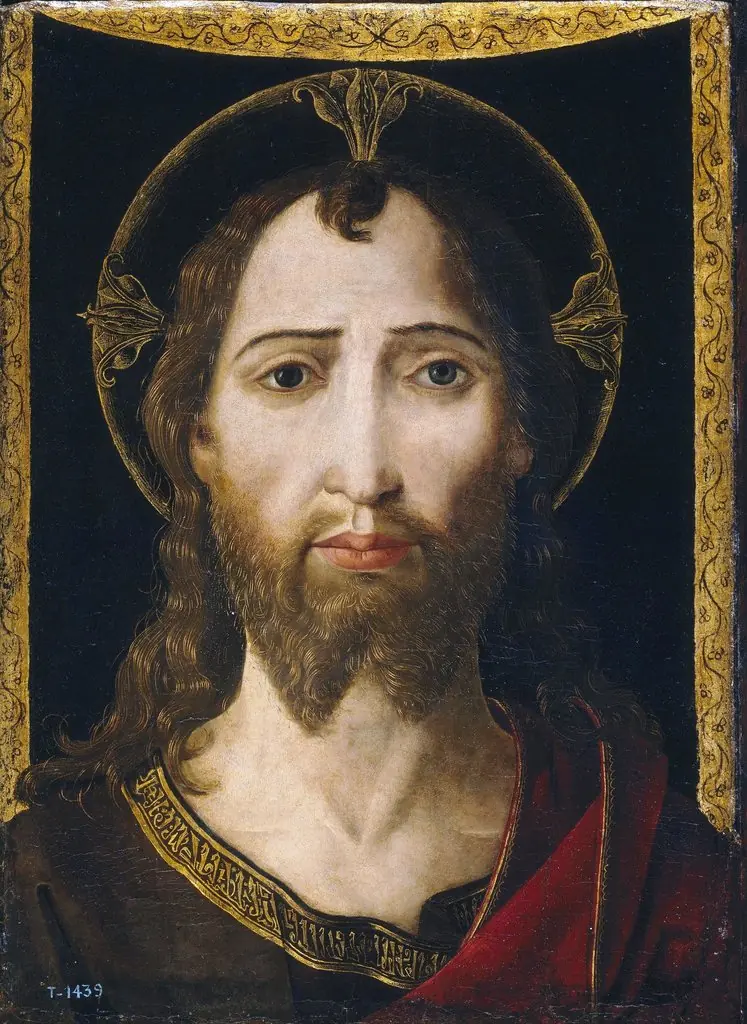
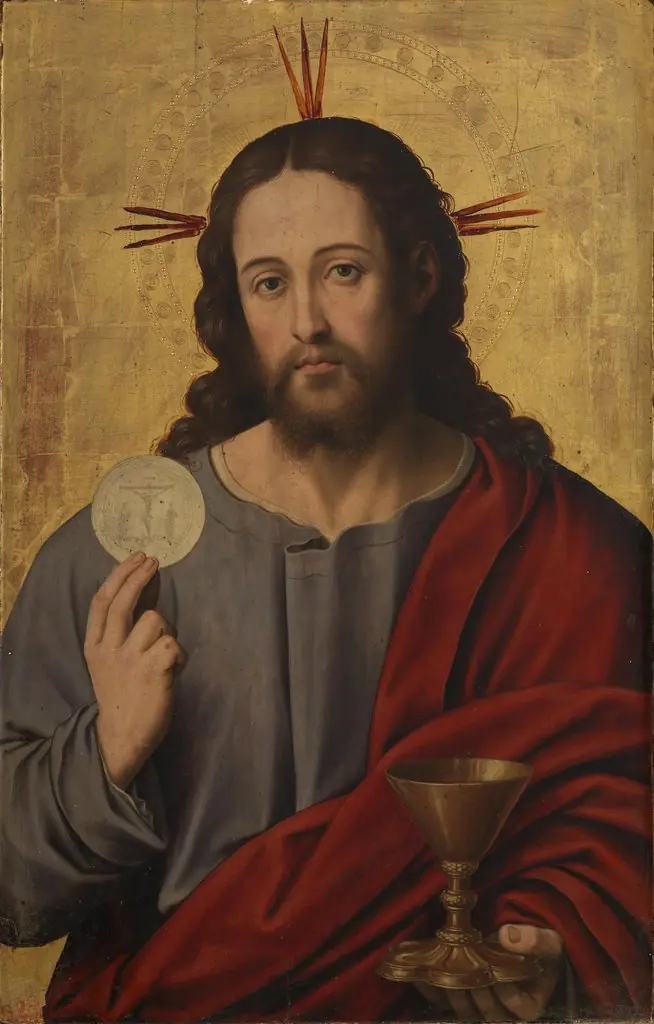
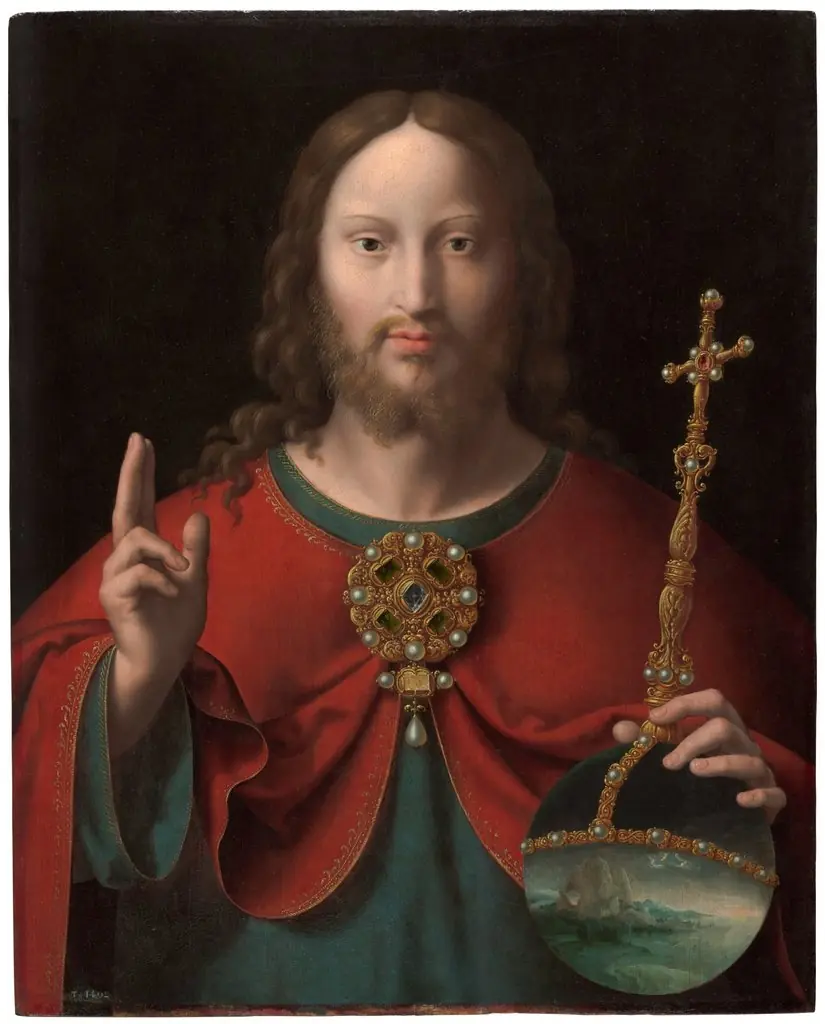
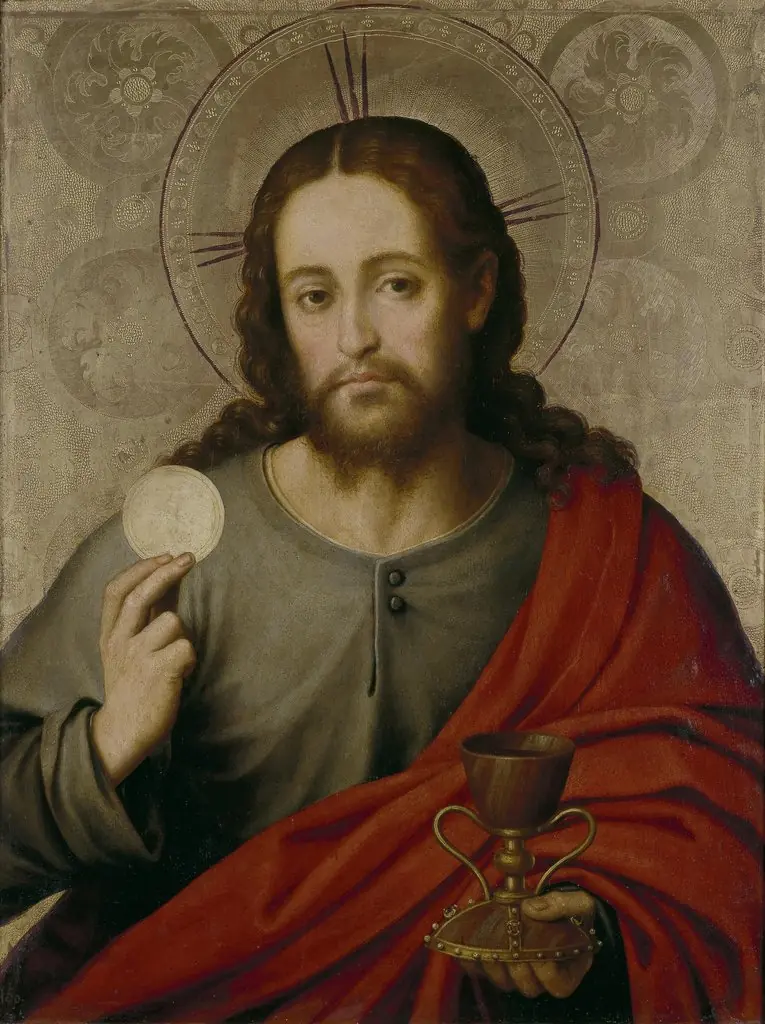
Christ the Saviour is an oil painting by the Mannerist artist El Greco. It dates from 1611 and is held in the collection of the Museo del Prado.
About this work
El Greco painted *Christ the Saviour* between 1608 and 1614. The work is an oil on canvas now in Madrid’s Museo del Prado. Christ is shown holding a globe beneath his left hand.
This painting is part of El Greco’s late work. He often used dramatic light and color in that period. The globe symbolizes Christ’s power over the world.
Look up the artist El Greco next.
Overview
El Greco’s *Christ the Saviour* is an oil on canvas executed between 1608 and 1614. The work measures roughly 2.5 by 1.8 metres and is now displayed in the Museo del Prado, Madrid. It portrays the resurrected Christ holding a globe in his left hand, a visual shorthand for his role as universal redeemer.
Subject & Meaning
The central figure is Christ, depicted with a serene expression and outstretched arms. The globe he cradles signifies his dominion over the earth and underscores the theological claim of salvation for all humanity. The composition conveys a calm authority rather than the dramatic martyrdom often associated with earlier depictions.
Technique & Style
In this late period, El Greco employs his characteristic elongated forms and a luminous palette, combining the linear clarity of Byzantine icons with the dynamic chiaroscuro of Counter‑Reformation art. The brushwork is fluid, allowing the drapery and flesh to glow against a darkened background, while the light falls on the figure’s face and the globe.
History & Provenance
The painting was part of an apostolado commissioned for the church of San Juan Bautista in Almadrones, Guadalajara, intended to accompany twelve companion portraits of the apostles. Only a few of the original thirteen pieces survive; *Christ the Saviour* entered the Prado’s collection in the 19th century after changing hands among private collectors.
Context
El Greco created the work while residing in Toledo, a city where his hybrid style—melding Byzantine tradition, Italian Mannerism, and Spanish religious fervor—found a receptive audience. The piece reflects the Counter‑Reformation emphasis on clear, didactic imagery that could educate and inspire the faithful.
Own this work as a print
Artist & collection
Artist
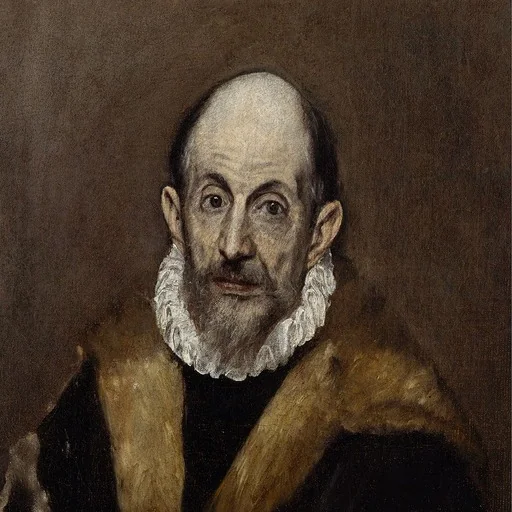
Doménikos Theotokópoulos was born in 1541 in Candia (modern Heraklion), the capital of Venetian-ruled Crete, where he was trained in the post-Byzantine tradition of icon painting.