Artwork
Depictions of a Dalmatian pelican and a Red-wattled plover or lapwing
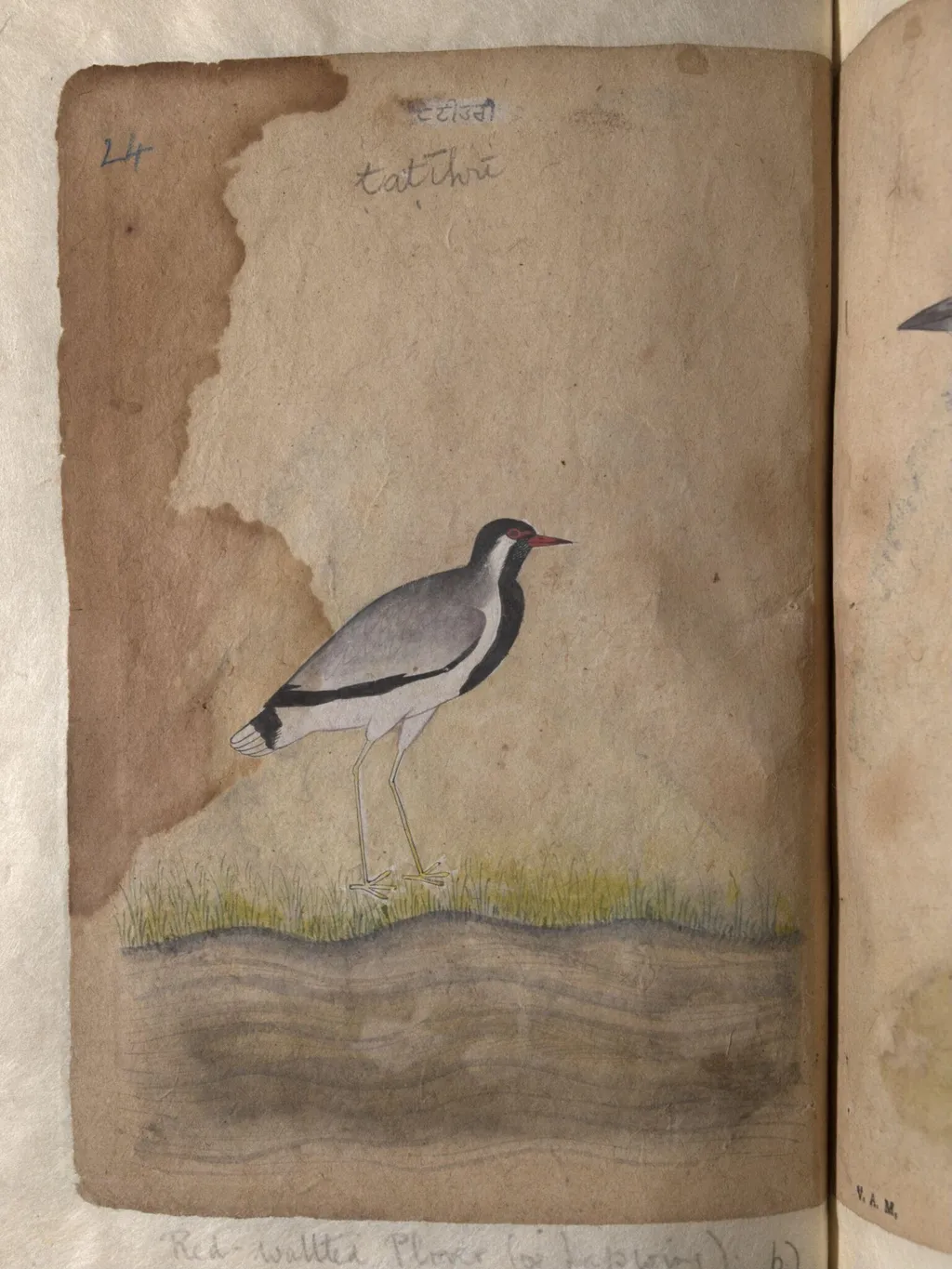
Depictions of a Dalmatian pelican and a Red-wattled plover or lapwing is a paint painting by the Romanticist artist Unknown. It dates from 1820 and is held in the collection of the Victoria and Albert Museum. This double-sided album folio features two watercolour studies of birds on stained paper.
About this work
Overview
The other side shows a Red-wattled plover or lapwing, distinguished by its smaller beak, brown body, and distinctive red wattle on its head.
This double-sided album folio features two watercolour studies of birds on stained paper. One side depicts a Dalmatian pelican, characterized by its large beak and predominantly white plumage with black back feathers. The other side shows a Red-wattled plover or lapwing, distinguished by its smaller beak, brown body, and distinctive red wattle on its head. Both birds are rendered in a realistic manner, set against a muted brown background that accentuates their natural colors.
Subject & Meaning
The subject matter focuses on the accurate representation of two avian species, highlighting the artist's interest in natural history and observation. The choice of species, one common to wetlands (Dalmatian pelican) and the other to varied habitats including wetlands (Red-wattled plover or lapwing), may suggest an exploration of diverse natural environments.
Technique & Style
Executed in watercolour on stained paper, the works demonstrate a meticulous attention to detail, particularly in the rendering of feathers and beaks. The realistic style, coupled with the emphasis on natural subjects, aligns with principles of Romanticism, which valued emotional connection with nature and precise observation of the natural world.
History & Provenance
The folio was donated to the collection in 1929 by Robert Scott Greenshields, a member of the Indian Civil Service from 1879 to 1910, serving in Bengal and Assam. This provenance suggests a possible link between the artwork's creation or acquisition and Greenshields' time in India.
Context
Created within the broader context of Romanticism, these watercolours reflect the era's emphasis on nature and detailed observation. The work may also intersect with the tradition of natural history illustration prevalent during the 19th and early 20th centuries, particularly in colonial contexts where the documentation of local fauna was common.
Legacy
While not widely recognized beyond its collection, the piece contributes to the historical record of naturalist art during the Romantic era and the cultural exchange facilitated by colonial service members like Greenshields. It remains a nuanced example of how artistic practices intersected with imperial mobility and natural history documentation.
Artist & collection

 Domestic Scene
 Giacomo and Cardinal Marco, investing Andrea, Abbot of San Zeno, with his Benefice
 The Nymph of Fontainebleau
 Portrait of a Woman
 Madonna and Child with Saints in the Enclosed Garden
 Venus and Minerva
 Family Group of Four on Sofa
 Wall painting from Room H of the Villa of P. Fannius Synistor at Boscoreale
 Depictions of a Mallard and Australian black-fronted plover of Northern India
 Depictions of a Sarus crane and Parus crane
 Depictions of a Spur-winged plover and Open-billed stork of Northern India,
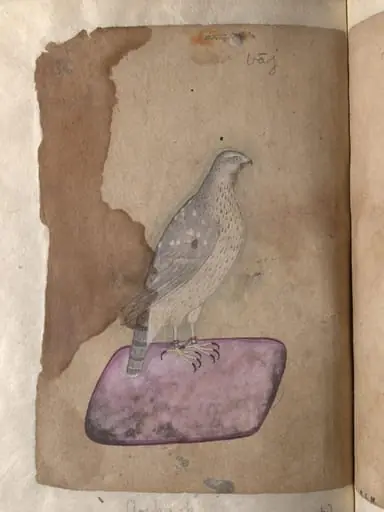 Depictions of a Hoopoe and a Goshawk of Northern India
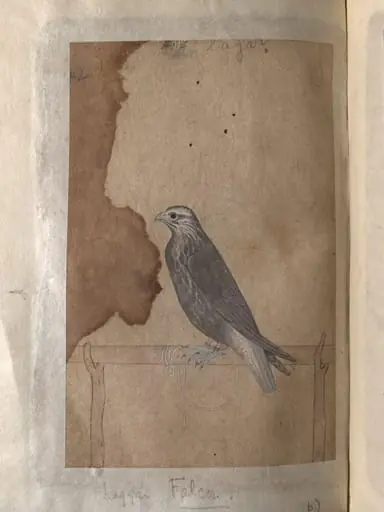 Depictions of a Red-headed merlin and a Laggar falcon of Northern India