Artwork
Depictions of a Mallard and Australian black-fronted plover of Northern India
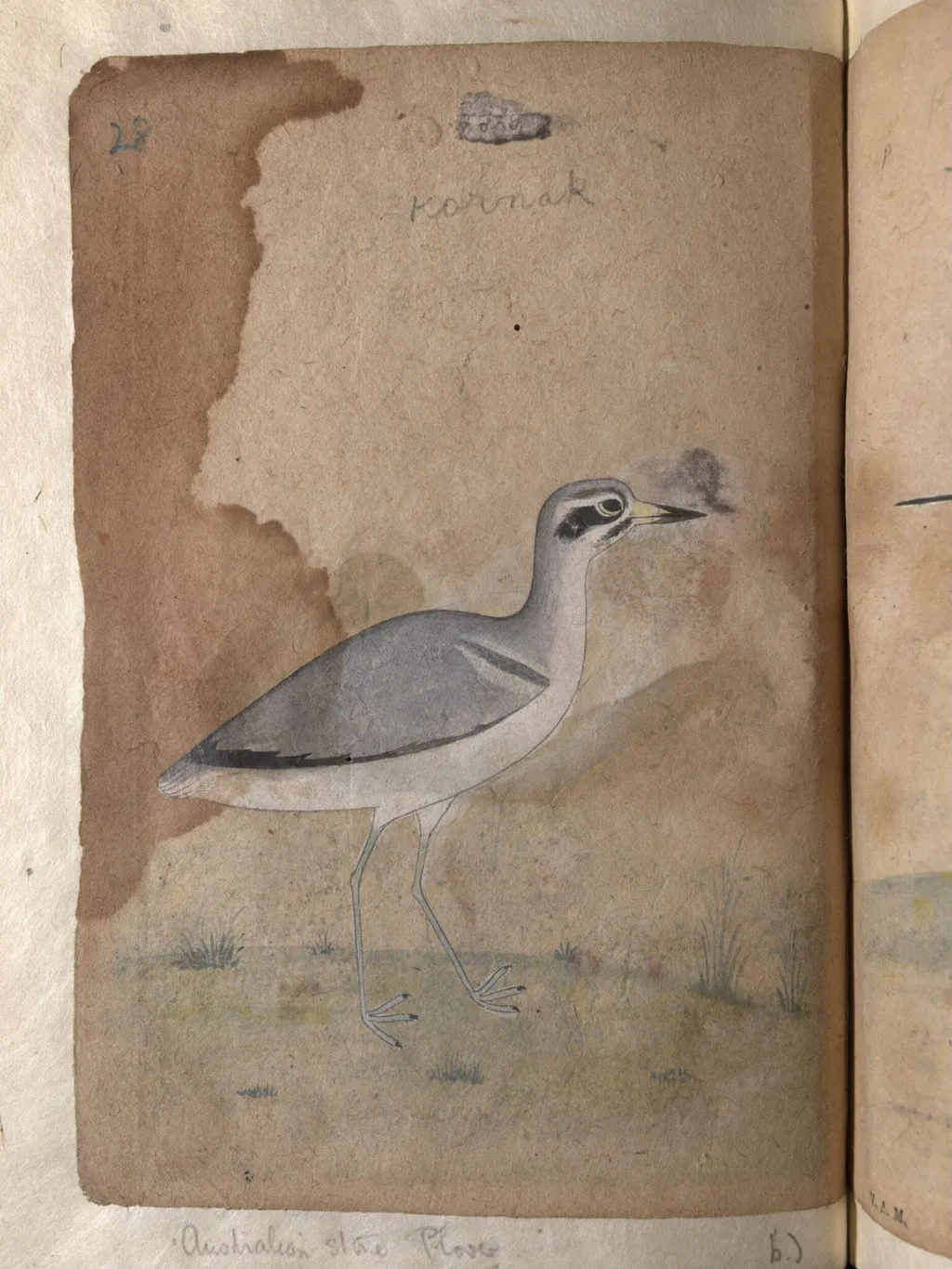
Depictions of a Mallard and Australian black-fronted plover of Northern India is a paint painting by the Patna School of Painting artist Unknown. It dates from 1820 and is held in the collection of the Victoria and Albert Museum. The album page contains two separate waterfowl sketches rendered on stained paper, each occupying opposite sides.
About this work
Overview
The album page contains two separate waterfowl sketches rendered on stained paper, each occupying opposite sides. One illustration portrays a Mallard, while the other records an Australian black‑fronted plover, known locally as the stone plover. Both studies are modest in size, set against a sparse, dry landscape, and are marked with handwritten labels identifying the species.
Subject & Meaning
The Mallard study captures the bird in a standing pose, its long neck and pointed bill emphasized against a minimal backdrop of scattered vegetation. The plover sketch similarly isolates the bird, highlighting its gray‑white plumage and distinctive form. The sparse setting suggests an interest in the anatomy and field identification of the species rather than narrative context.
Technique & Style
Executed with ink or watercolor on heavily stained, torn paper, the drawings employ simple line work and limited shading to define feather texture and contour. The paper’s aged appearance, with stains and edge wear, contributes to a documentary quality, while the handwritten captions—"Korinak" above the Mallard and "Australian stone plover" below the second—provide immediate taxonomic reference.
History & Provenance
The two sketches were presented in 1929 by Robert Scott Greenshields, a former member of the Indian Civil Service who served in Bengal and Assam from 1879 to 1910. Greenshields’ contribution reflects his continued engagement with natural history after his administrative career, and the works now reside within the Victoria and Albert Museum’s collection of early twentieth‑century field sketches.
Artist & collection

 Domestic Scene
 Giacomo and Cardinal Marco, investing Andrea, Abbot of San Zeno, with his Benefice
 The Nymph of Fontainebleau
 Portrait of a Woman
 Madonna and Child with Saints in the Enclosed Garden
 Venus and Minerva
 Family Group of Four on Sofa
 Wall painting from Room H of the Villa of P. Fannius Synistor at Boscoreale
 Depictions of a spot-bill duck and an Indian tree duck of Northern India
 Depictions of an Indian darter and Duck (unidentified) of Northern India
 Depictions of Indian house crow and a Indian paradise flycatcher of Northern India
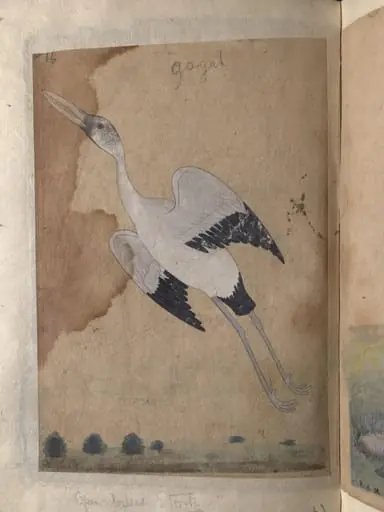 Depictions of a Spur-winged plover and Open-billed stork of Northern India,
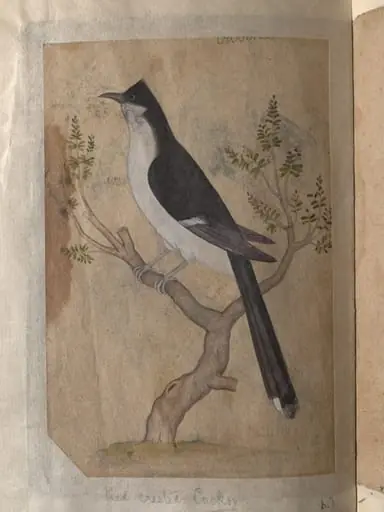 Depictions of a Indian fruit-bat and Pied crested cuckoo of Northern India
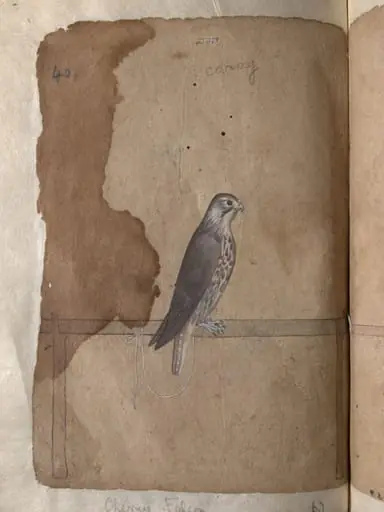 Depictions of a Eastern peregrine falcon and Cherrug falcon of Northern India
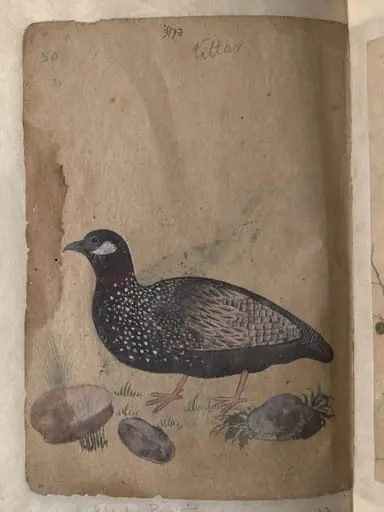 Depictions of Common (or grey) quail and a Black partridge of Northern India
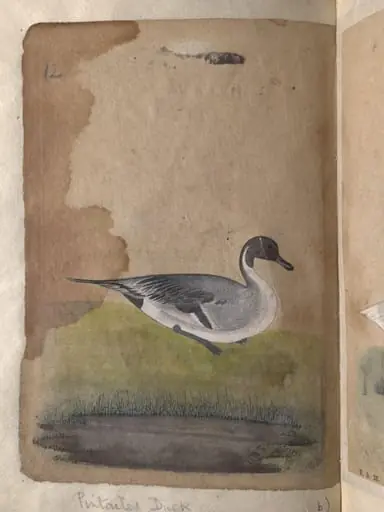 Depictions of a Gadwall duck and Pintailed duck of Northern India
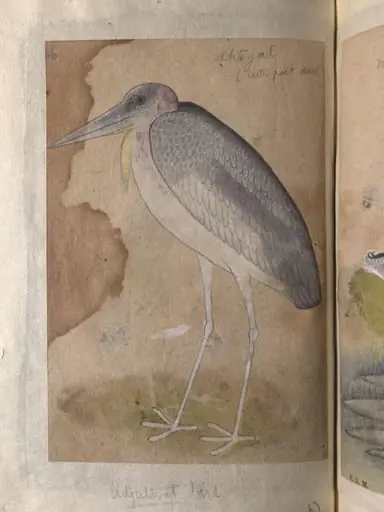 Depictions of Night heron (male) and Adjutant bird of Northern India
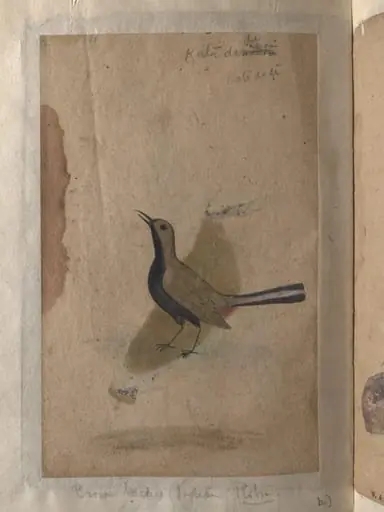 Depictions of a India pitta and Brown-backed Indian robin of Northern India