Artwork
Drieluik met het Laatste Avondmaal en stichters
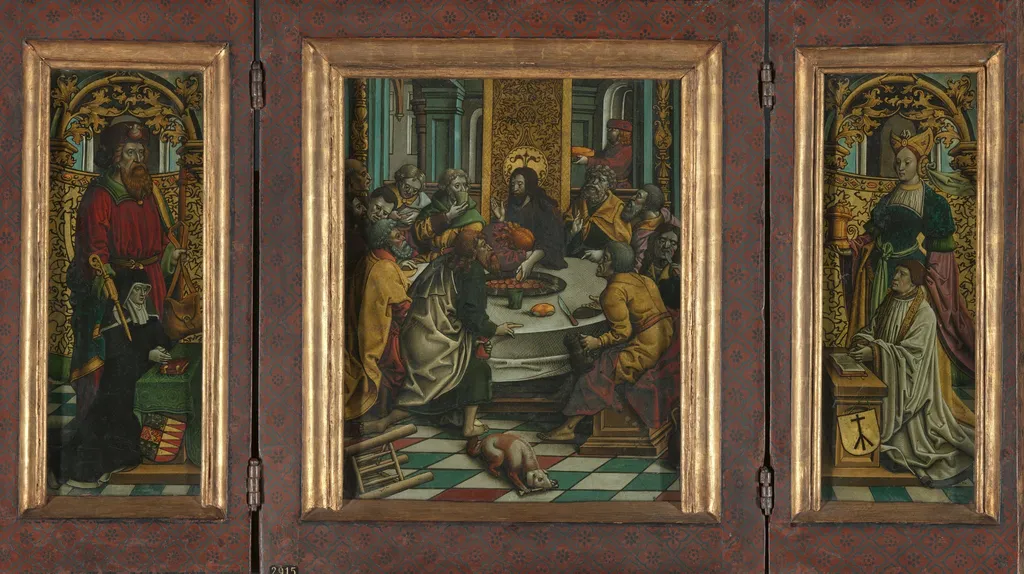
Drieluik met het Laatste Avondmaal en stichters is an unspecified painting by the Northern Renaissance artist Unknown. It dates from 1525 and is held in the collection of the Rijksmuseum.
About this work
Overview
This triptych, created in the early 16th century, is the earliest known and best-preserved example of verre églomisé from the northern Netherlands.
This triptych, created in the early 16th century, is the earliest known and best-preserved example of verre églomisé from the northern Netherlands. Painted in reverse on glass, it retains its original wooden frame, a rarity for works of this age. The composition centers on the Last Supper, flanked by portraits of the patrons who commissioned it. Its survival in such intact condition offers rare insight into devotional art practices of the period.
Subject & Meaning
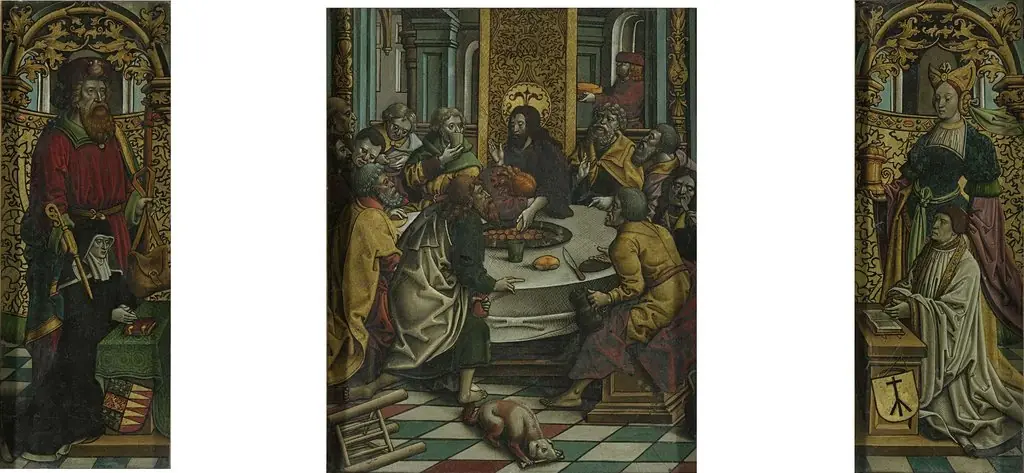
The central panel depicts Christ sharing the Last Supper with his disciples, a scene central to Christian liturgy and Eucharistic devotion. On the side panels, the donors—Abbess Adriana van Rhoon and Chaplain Dirck Pietersz Spangert—are shown in prayerful poses, their presence affirming their spiritual and financial investment in the work. Their inclusion underscores the medieval belief that patronage secured divine intercession and eternal remembrance.
Technique & Style
The painting employs verre églomisé, a technique involving reverse application of pigments on glass, allowing light to pass through and create luminous, jewel-like tones. Details such as facial features and fabric folds are rendered with precision, suggesting skilled craftsmanship. The style blends northern European naturalism with devotional symbolism, and the glass medium enhances the sacred atmosphere, evoking the translucence of stained glass without architectural constraints.
History & Provenance
Commissioned for Leeuwenhorst Abbey in Noordwijkerhout, the triptych remained in its original setting for centuries. The donors, key figures in the abbey’s administration, likely ordered it to honor their religious roles and ensure their legacy. Its survival through the Reformation and subsequent upheavals is exceptional. The frame, still intact, confirms its continuous presence within the same devotional context since its creation.
Context
Created during a time of religious transition in the Low Countries, the triptych reflects enduring Catholic piety before the Reformation’s full impact. Reverse glass painting was uncommon in the north, making this work an anomaly. Its commission by a female abbess and a male chaplain highlights the collaborative nature of monastic patronage. Similar works are scarce, suggesting this piece was a localized experiment in sacred art materials.
Legacy
As the oldest surviving northern Dutch verre églomisé, the triptych stands as a unique artifact in the history of devotional art. Its preservation offers scholars a rare window into early 16th-century techniques and monastic culture. Though not widely imitated, it influenced later understandings of material innovation in religious imagery. Today, it remains a touchstone for studies of gender, patronage, and medium in Renaissance art.
Artist & collection

 Domestic Scene
 Giacomo and Cardinal Marco, investing Andrea, Abbot of San Zeno, with his Benefice
 The Nymph of Fontainebleau
 Portrait of a Woman
 Madonna and Child with Saints in the Enclosed Garden
 Venus and Minerva
 Family Group of Four on Sofa
 Wall painting from Room H of the Villa of P. Fannius Synistor at Boscoreale
 The Last Supper
 Triptych with the Last Supper and Donors
 The Last Supper
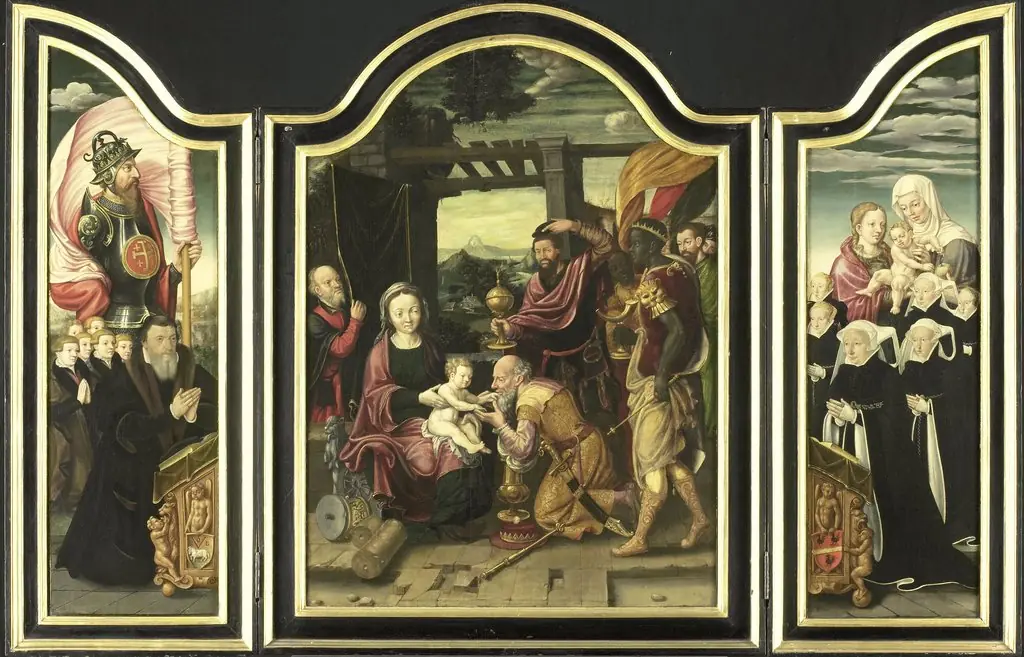 Triptych with the Adoration of the Magi
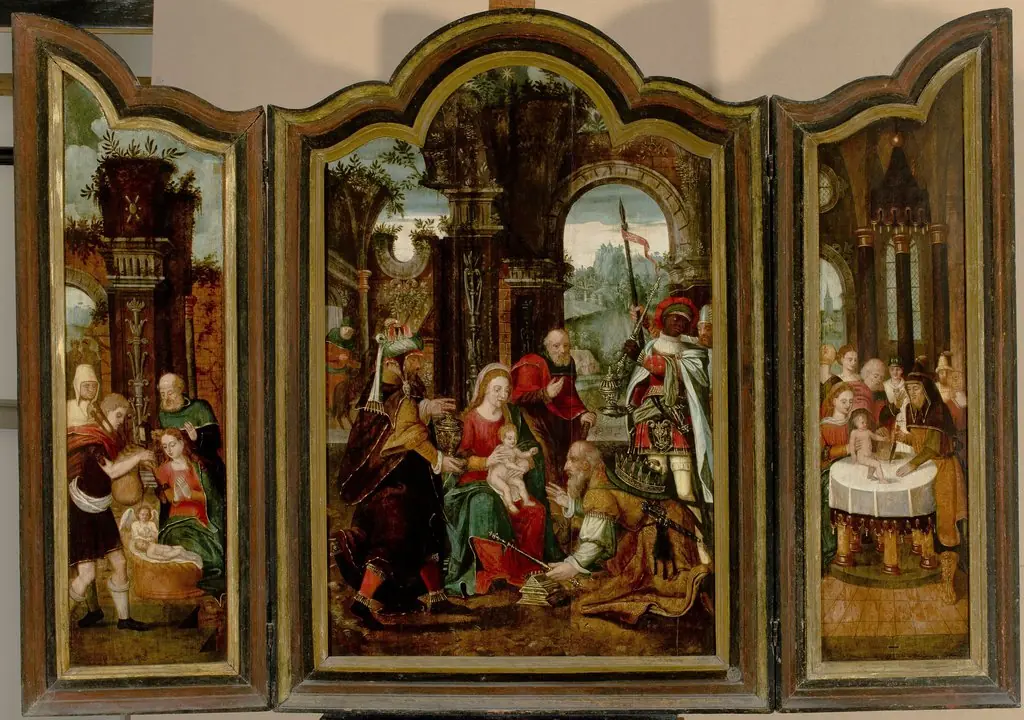 Triptych: Adoration of the Magi, Adoration of the Shepherds, Circumcision
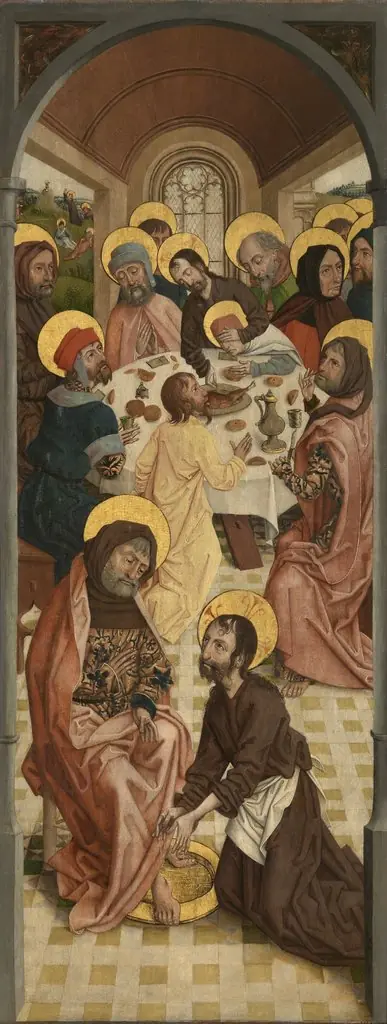 Christ Washing the Feet of the Apostles and Last Supper
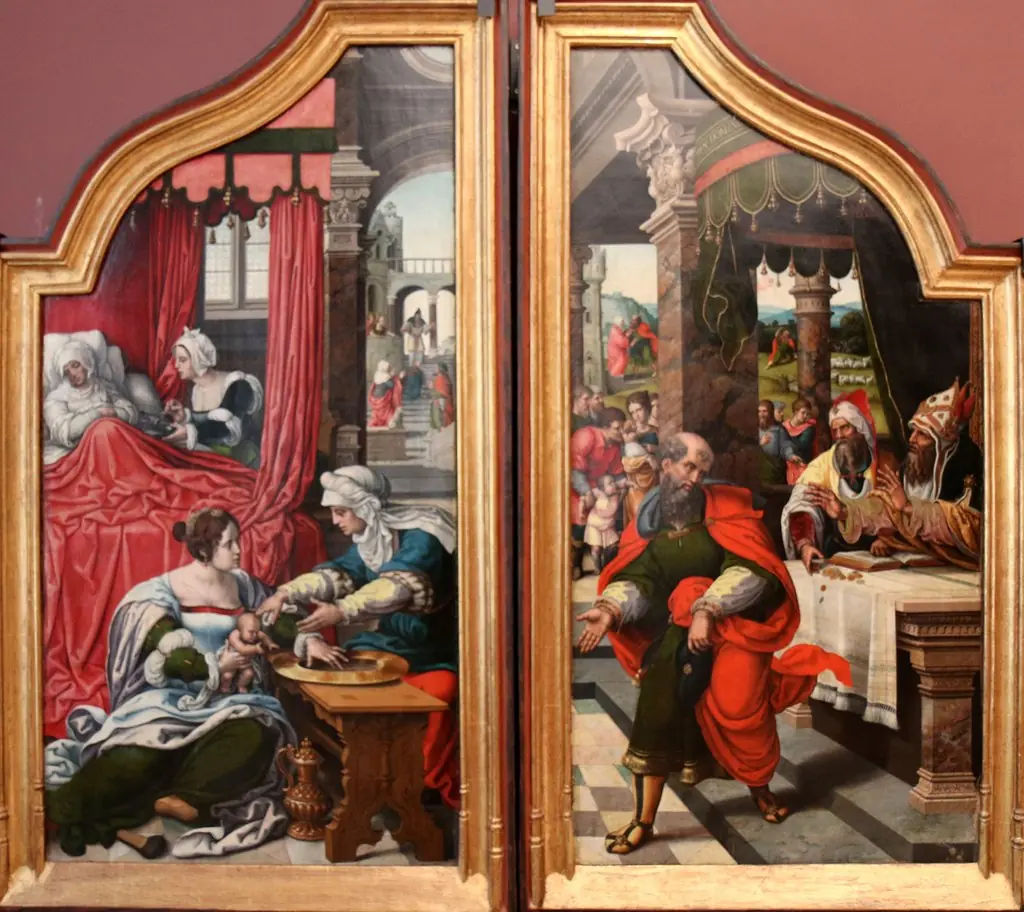 Scènes de la vie de sainte Anne
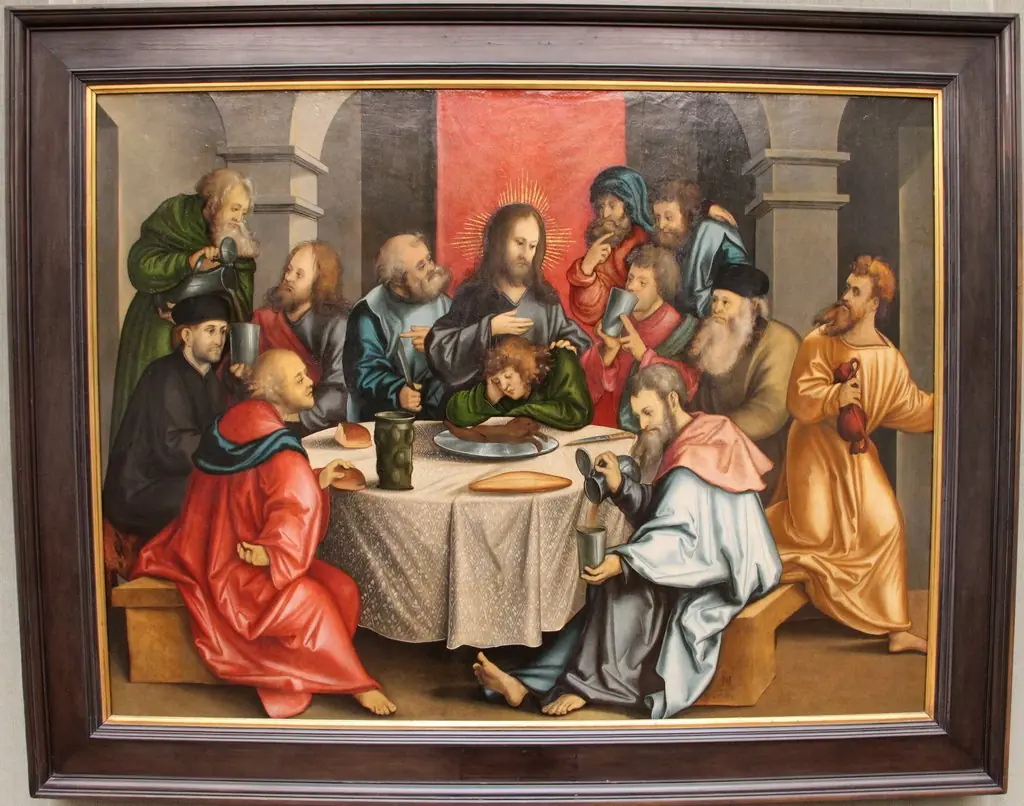 Das Abendmahl
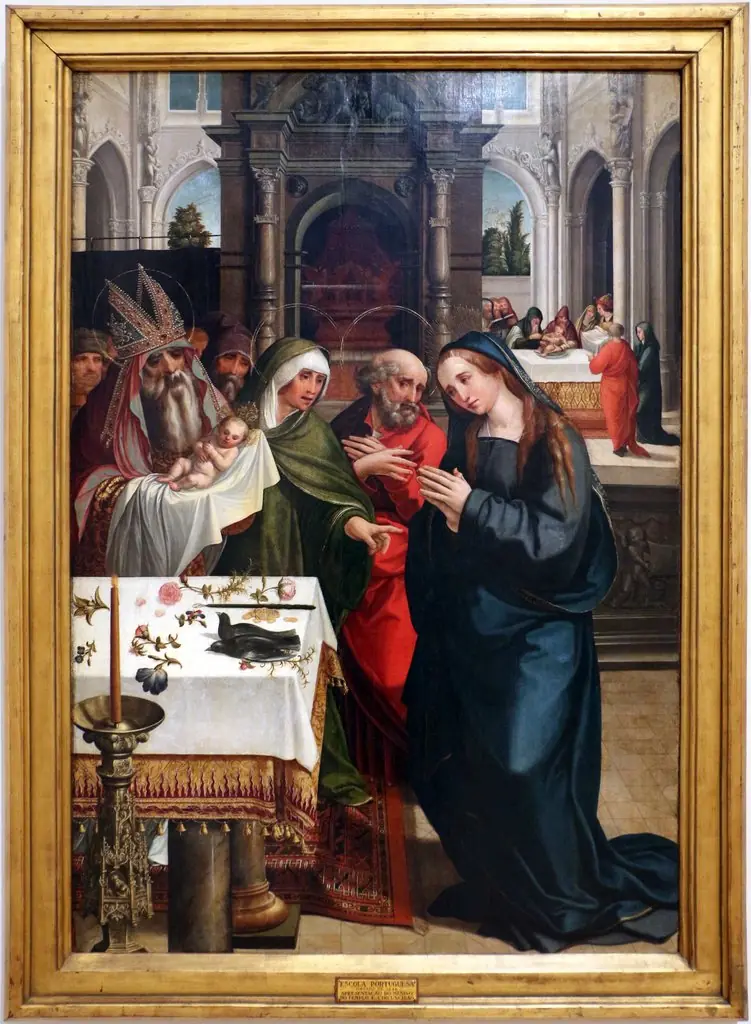 Presentation of Jesus at the Temple
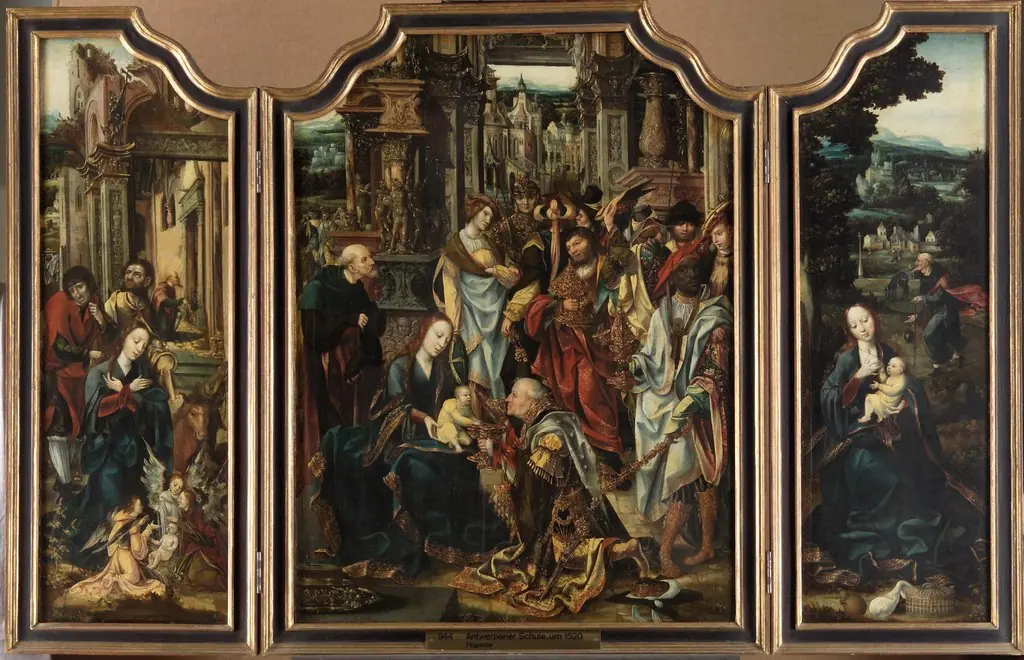 Flügelaltar; Mittelbild: Anbetung der Könige; linker Flügel: Anbetung der Hirten; rechter Flügel: Ruhe auf der Flucht nach Ägypten