Artwork
Das Abendmahl
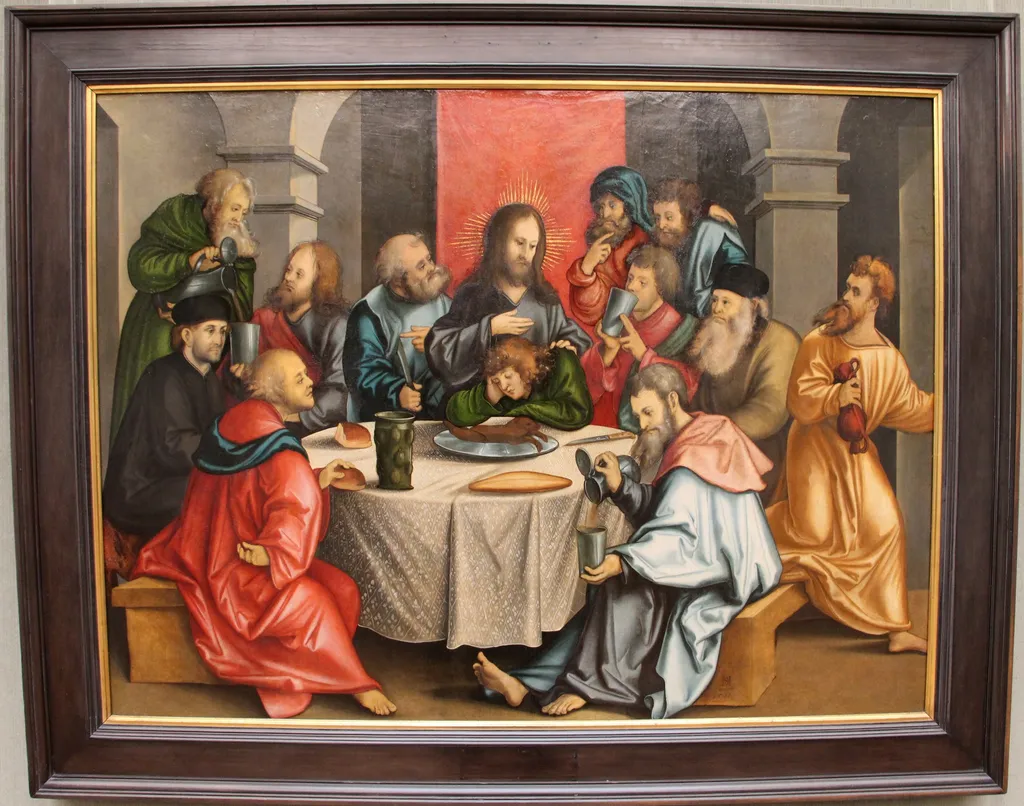
Das Abendmahl is an unspecified painting by the Northern Renaissance artist Hans Leonhard Schäufelein. It dates from 1511 and is held in the collection of the Gemäldegalerie Berlin.
About this work
Overview
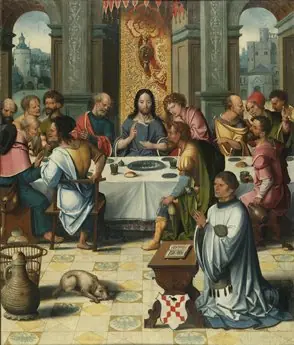
Painted in 1511 by Hans Leonhard Schäufelein, this work depicts the Last Supper, a key moment in Christian tradition. Executed in oil on panel, it is part of the collection at the Gemäldegalerie in Berlin. The composition centers on Christ and his twelve disciples gathered around a table, rendered with careful attention to gesture and spatial arrangement within a dimly lit architectural setting.
Subject & Meaning
The disciples, each reacting differently, convey varied emotions—shock, disbelief, contemplation—reflecting their individual responses to his words.
The scene captures the moment Christ announces that one of his disciples will betray him. His central position, calm demeanor, and the cup in his left hand evoke the institution of the Eucharist. The disciples, each reacting differently, convey varied emotions—shock, disbelief, contemplation—reflecting their individual responses to his words. The meal’s solemnity underscores its spiritual significance.
Technique & Style
Schäufelein employs a restrained palette dominated by earth tones and muted grays, enhancing the somber mood. Figures are arranged in a shallow space defined by stone arches and columns, creating a sense of enclosure. Facial expressions are subtly modeled, and drapery is rendered with crisp folds, showing influence from Northern Renaissance traditions and Albrecht Dürer’s precision.
History & Provenance
The painting was completed in 1511 and entered the collection of the Gemäldegalerie Berlin in the 19th century. Its early history is not fully documented, but its style aligns with Schäufelein’s known output during his time in Nuremberg, where he worked closely with Dürer’s circle. It has remained in public ownership since its acquisition, with no record of significant restoration.
Context
Created during the early Reformation, the painting reflects a period of intense religious reflection in German-speaking regions. While still rooted in Catholic iconography, its emphasis on individual emotional response anticipates Protestant devotional practices. Schäufelein’s work bridges late medieval traditions and emerging humanist sensibilities in Northern art.
Legacy
Though not widely reproduced, the painting is recognized as a representative example of early 16th-century German religious art. It contributes to understanding how biblical narratives were interpreted outside Italy, emphasizing psychological depth over grandeur. Its preservation in Berlin allows continued study of regional artistic responses to sacred themes during a time of doctrinal upheaval.
Artist & collection
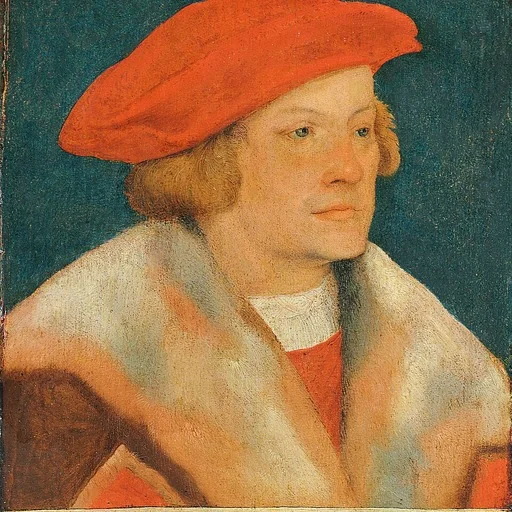
Artist
Hans Leonhard Schäufelein (1480–1540) was an artist, born in Nuremberg.

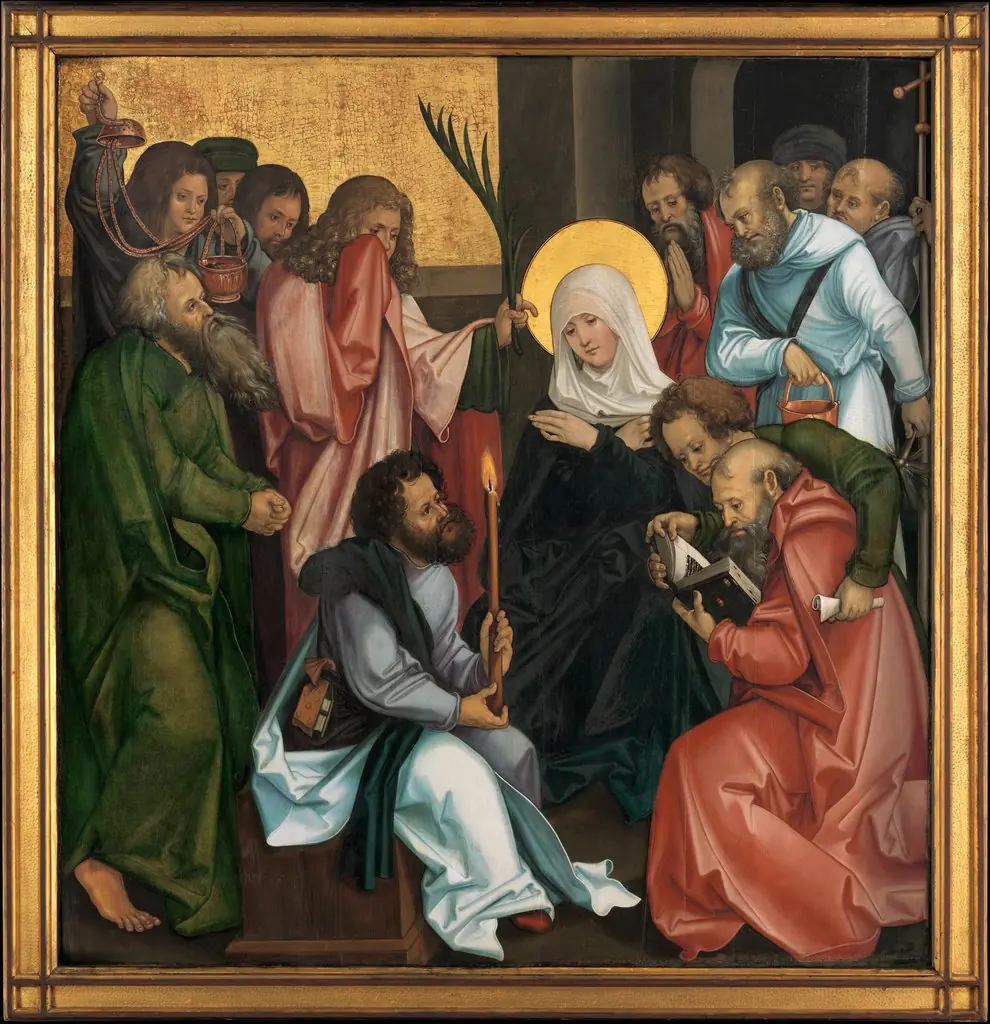 The Dormition of the Virgin; (reverse) Christ Carrying the Cross
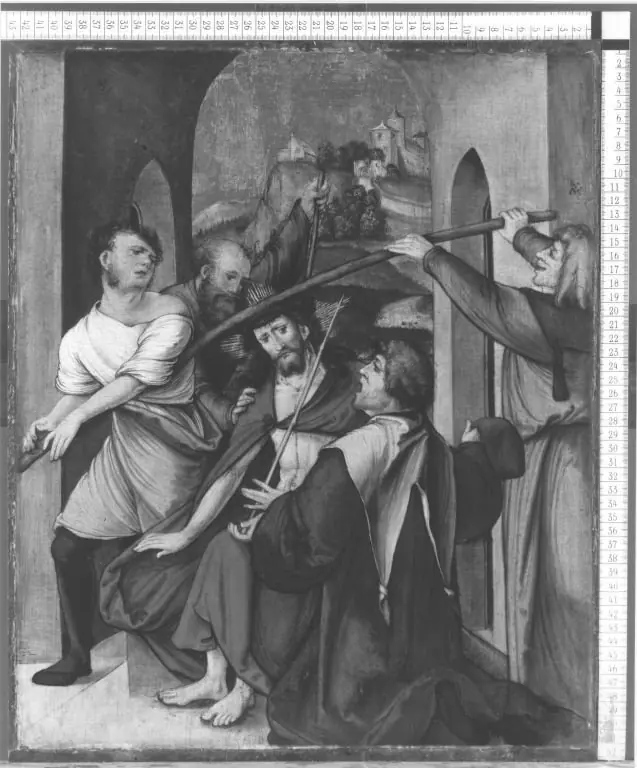 Christ crowned with thorns
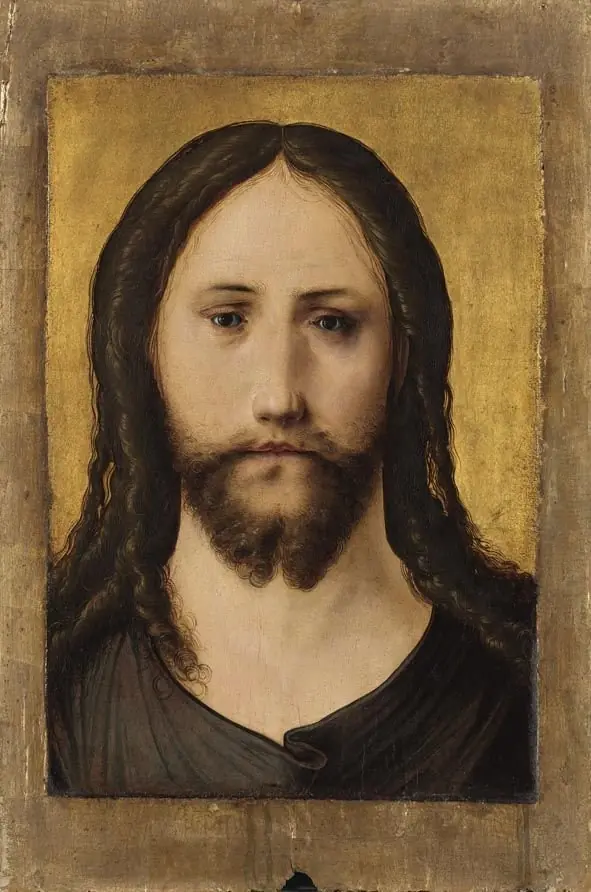 Christuskopf
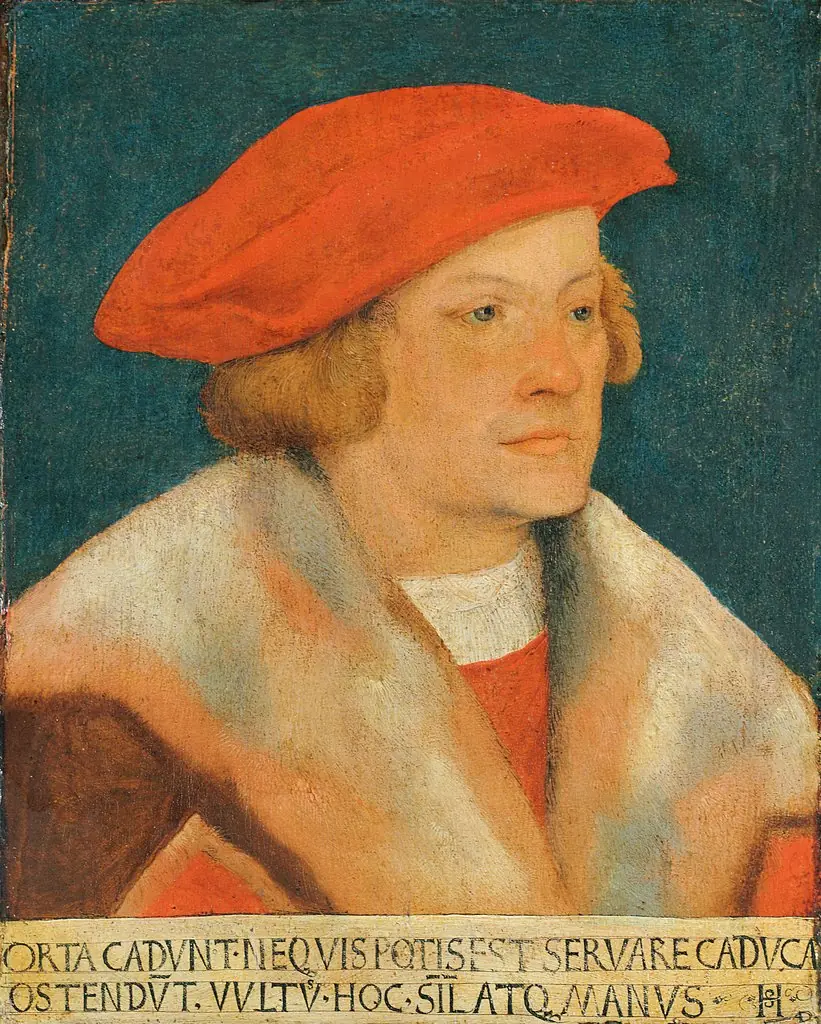 Portrait of a Man (Self-portrait?)
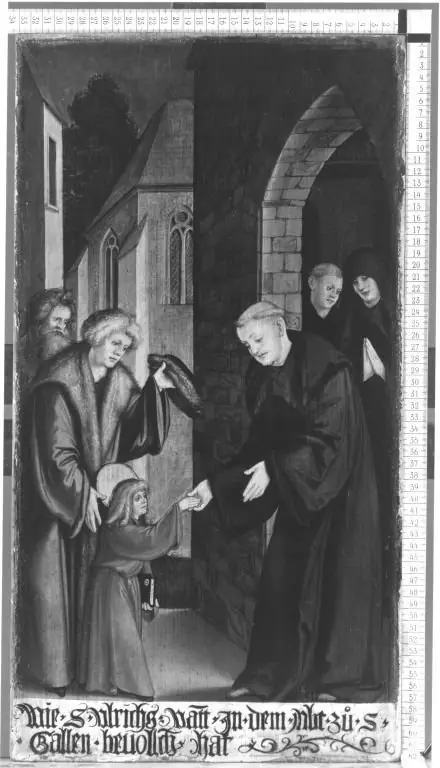 Der hl. Ulrich vor dem Abt von St. Gallen
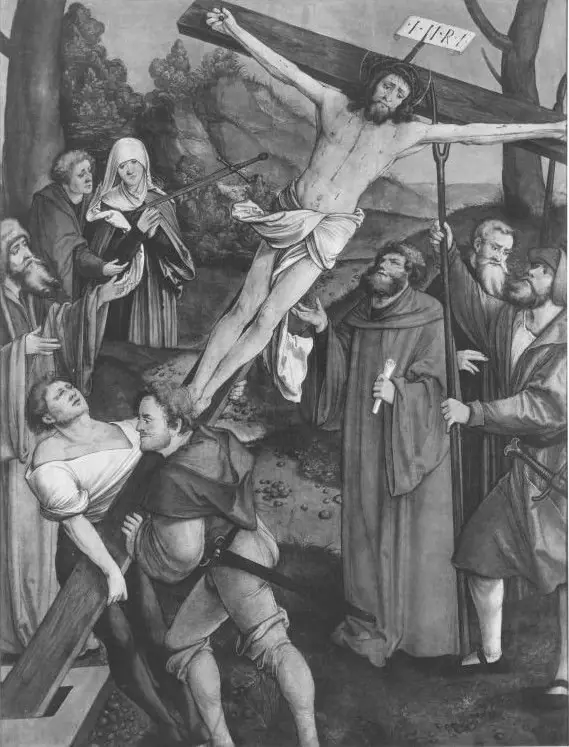 Christgartner Altar: Fall Christi bei der Kreuzaufrichtung (Abgetrennte Rückseite von WAF 920)
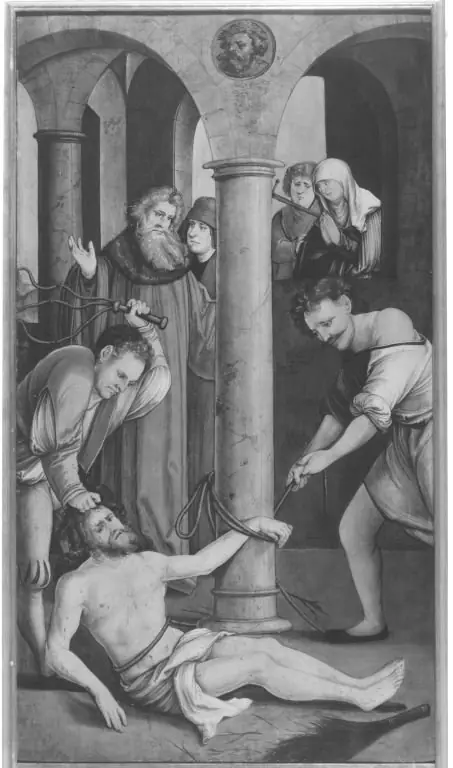 Fall of Christ during the Flagellation
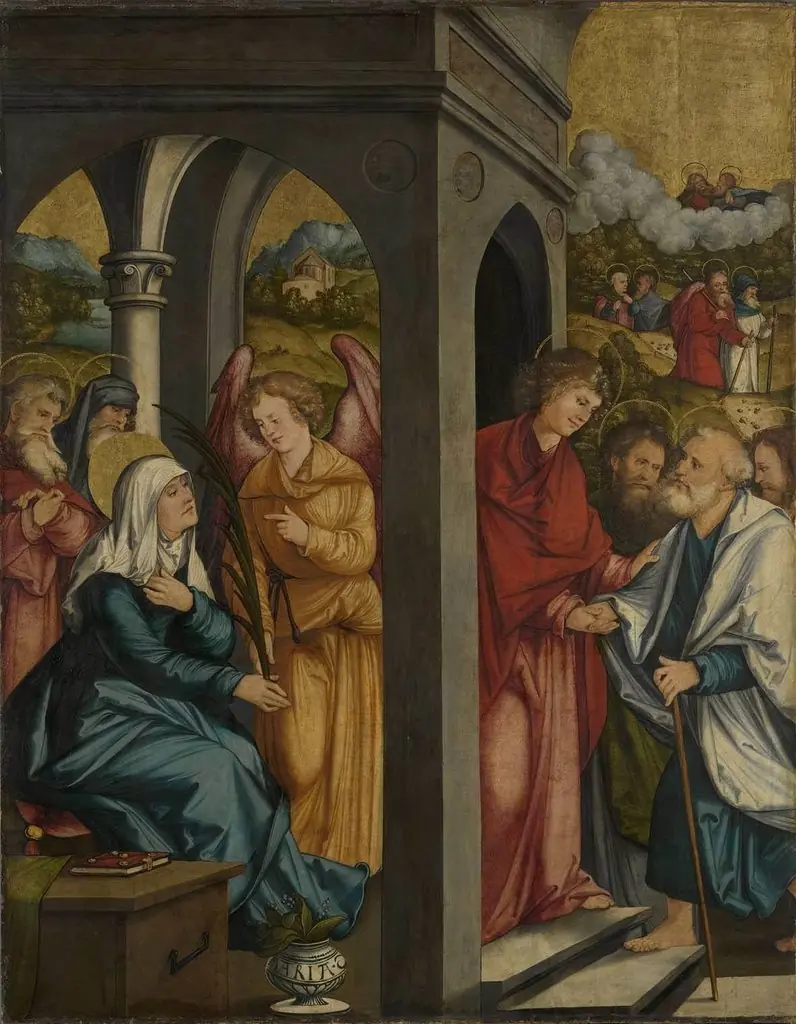 Christgartner Altar: Ein Engel reicht Maria die Palme
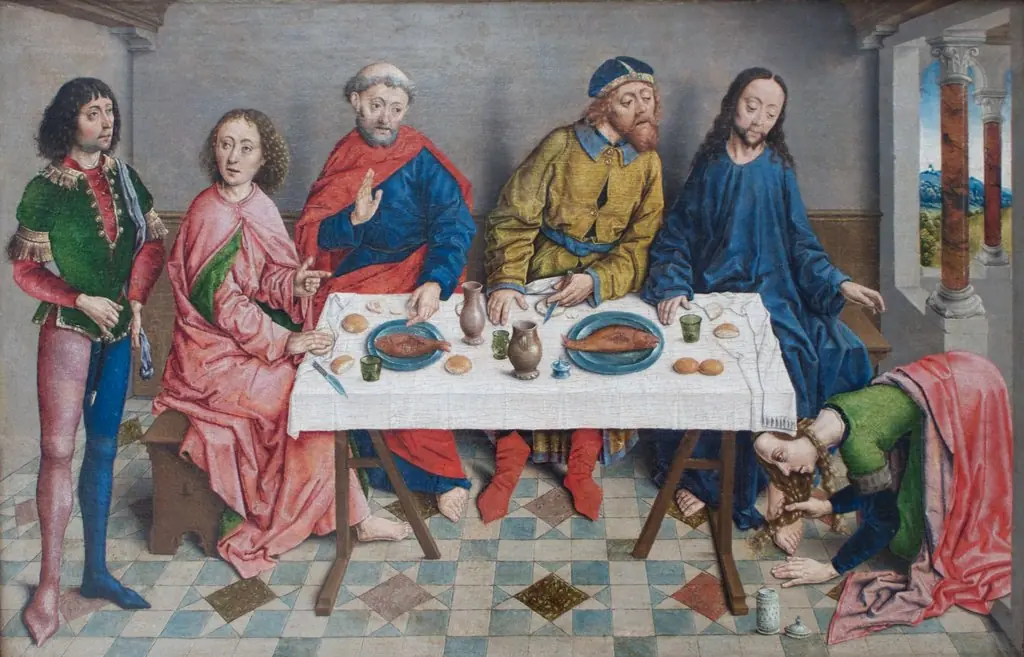 Jesus at Simon's by Aelbrecht Bouts
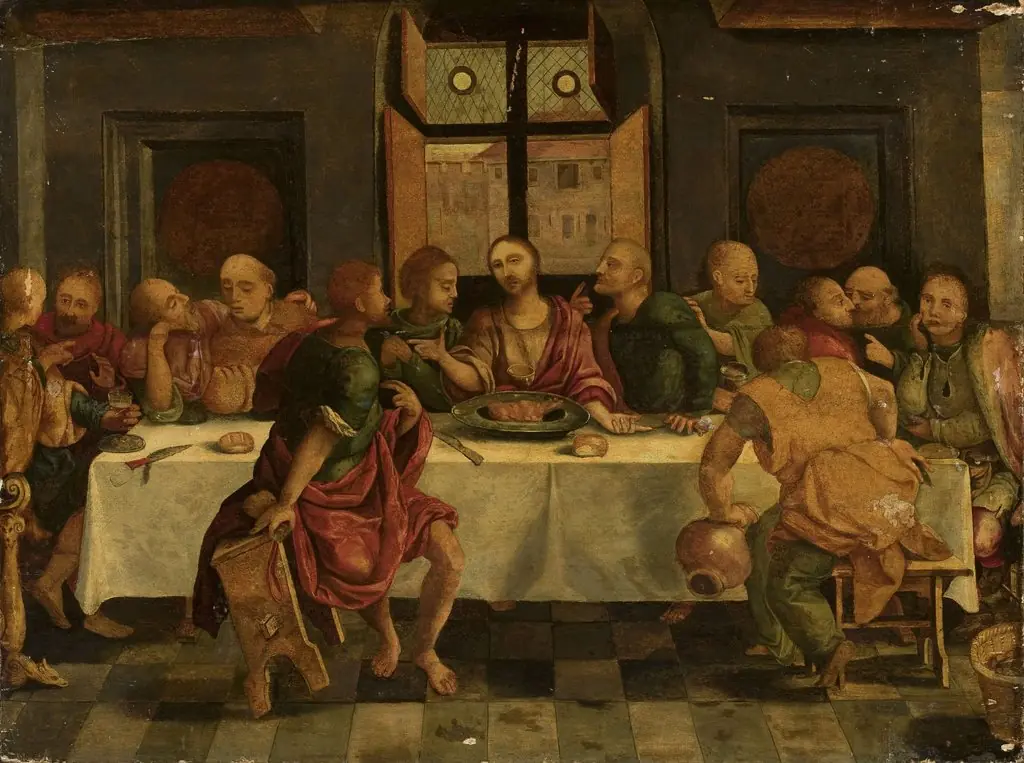 Last Supper
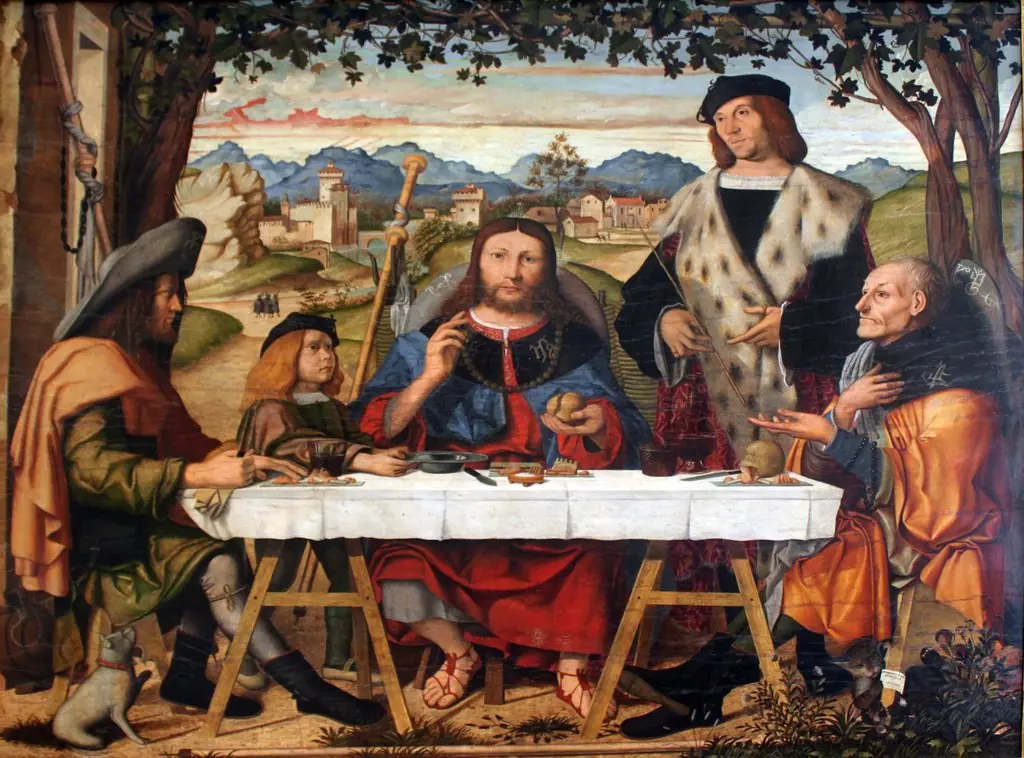 Christ at Emmaus
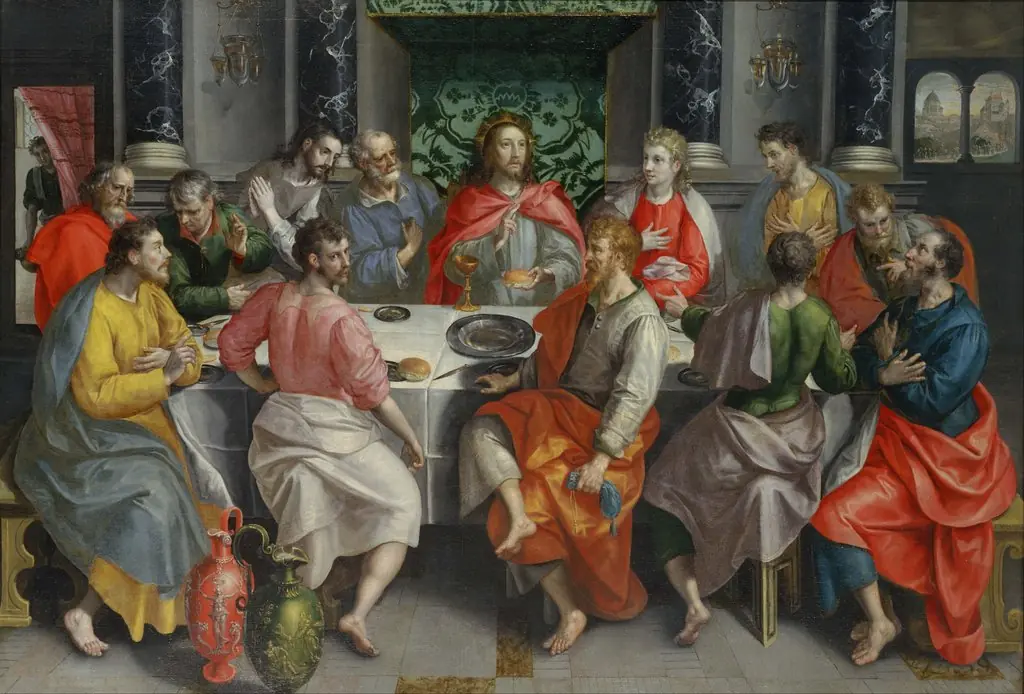 The Last Supper
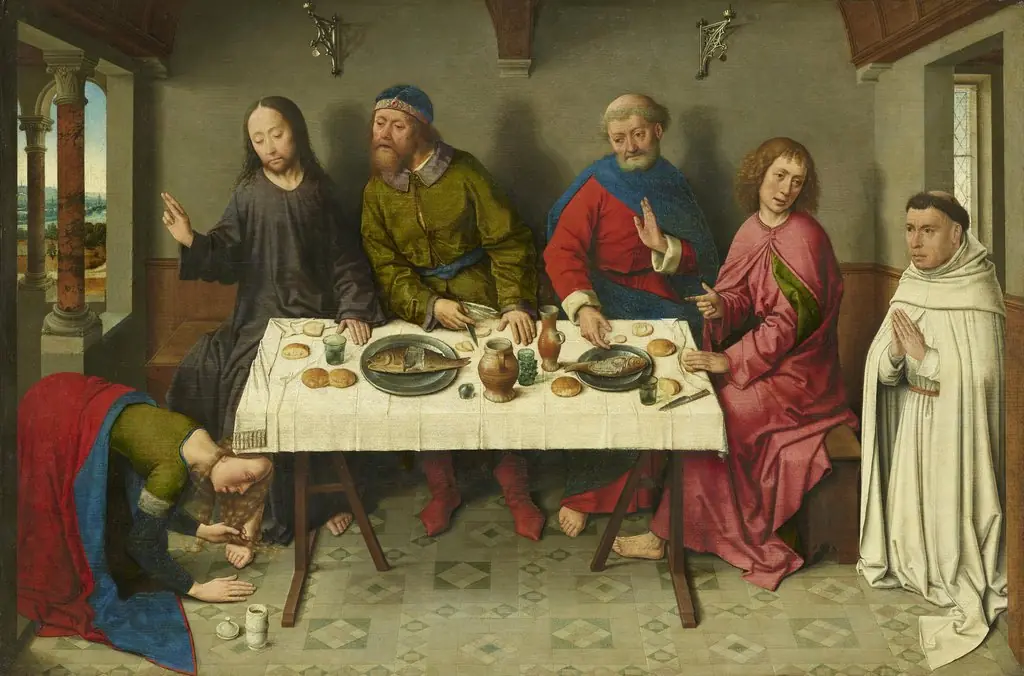 Christ in the house of the Pharisee Simon
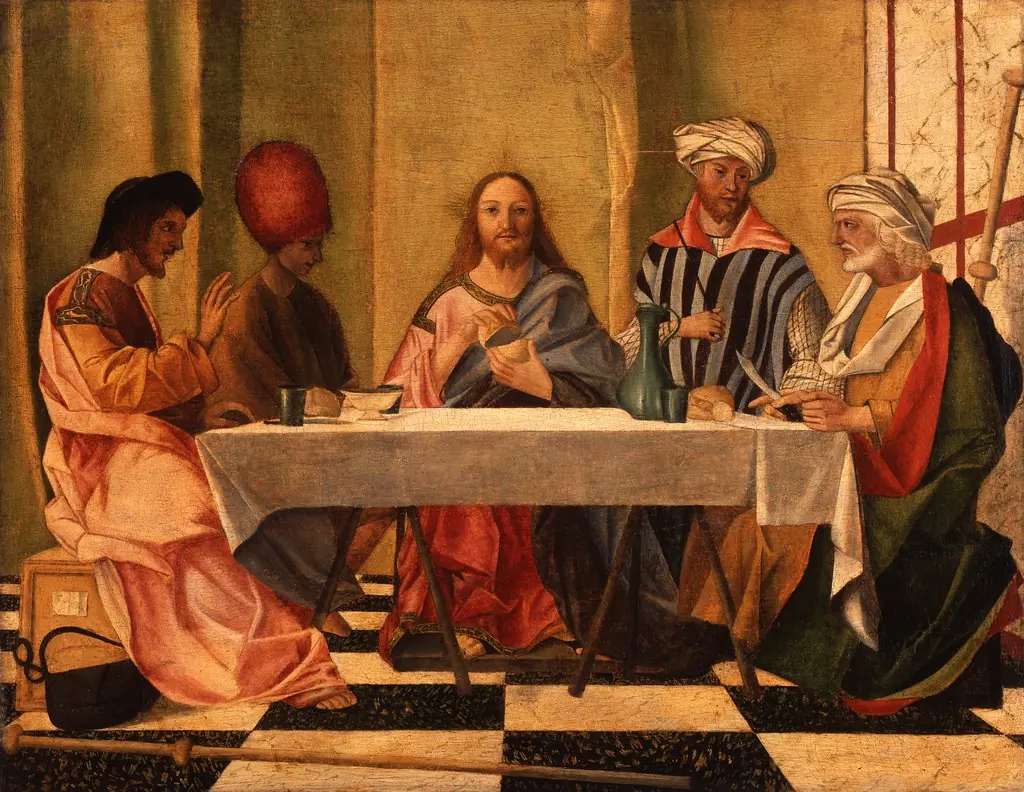 Christ in Emmaus
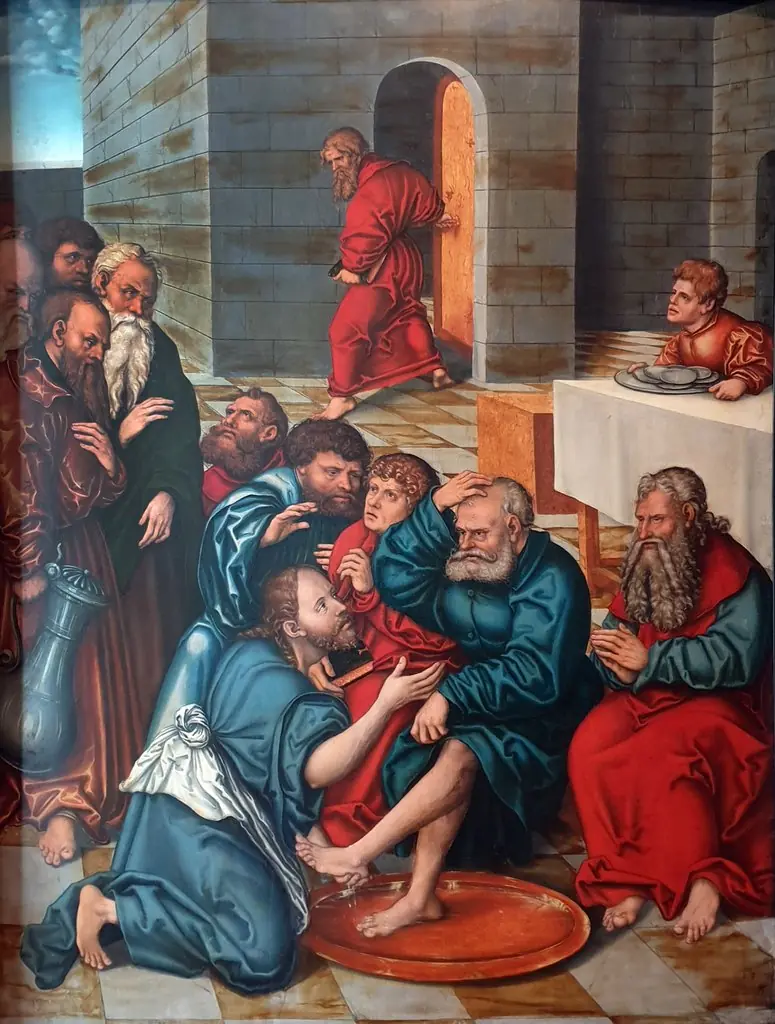 Cycle of Passion: Christ washing the feet of the apostles
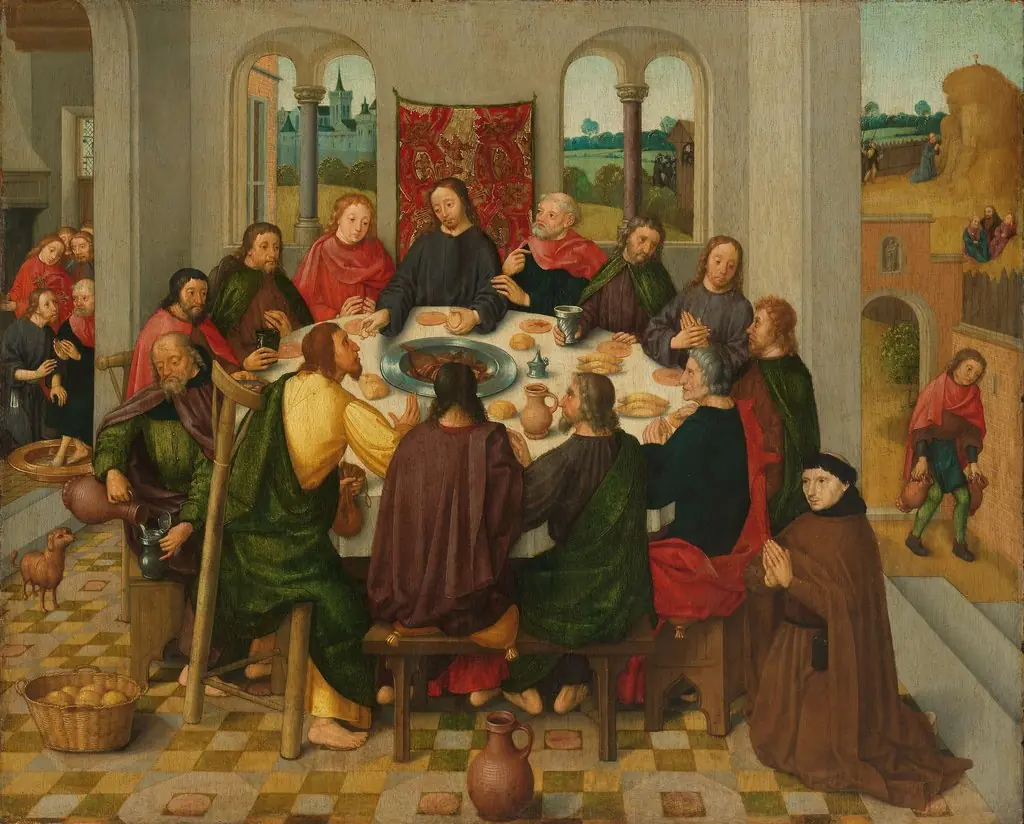 The last supper
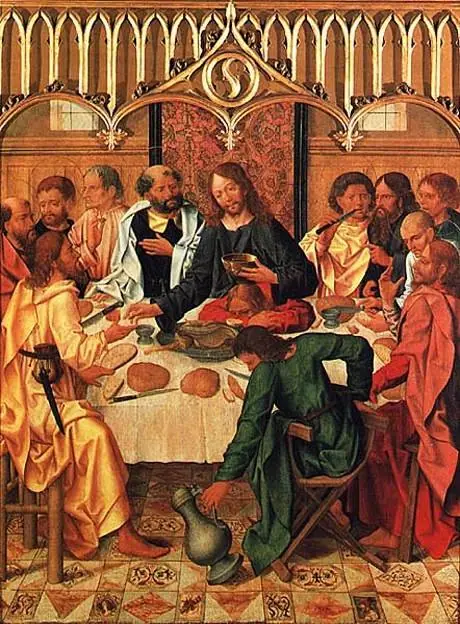 The Last Supper
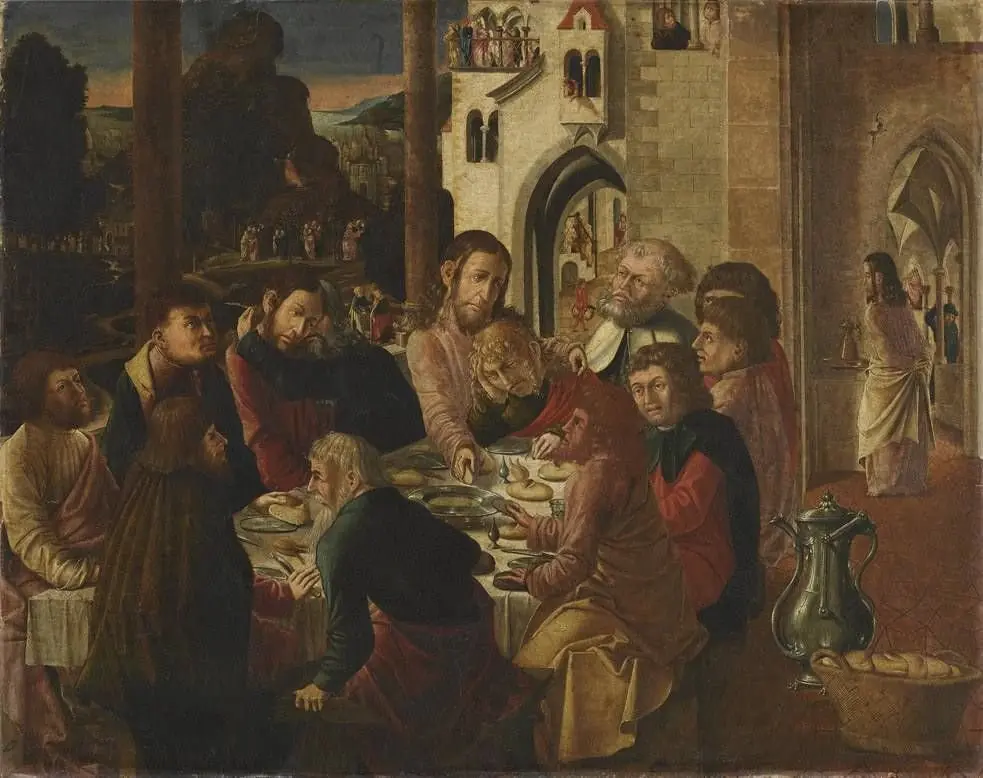 Jacob-Stephen (?): the Last Supper
 Het Laatste Avondmaal met de stichter
 Drieluik met het Laatste Avondmaal en stichters