Artwork
farfurie
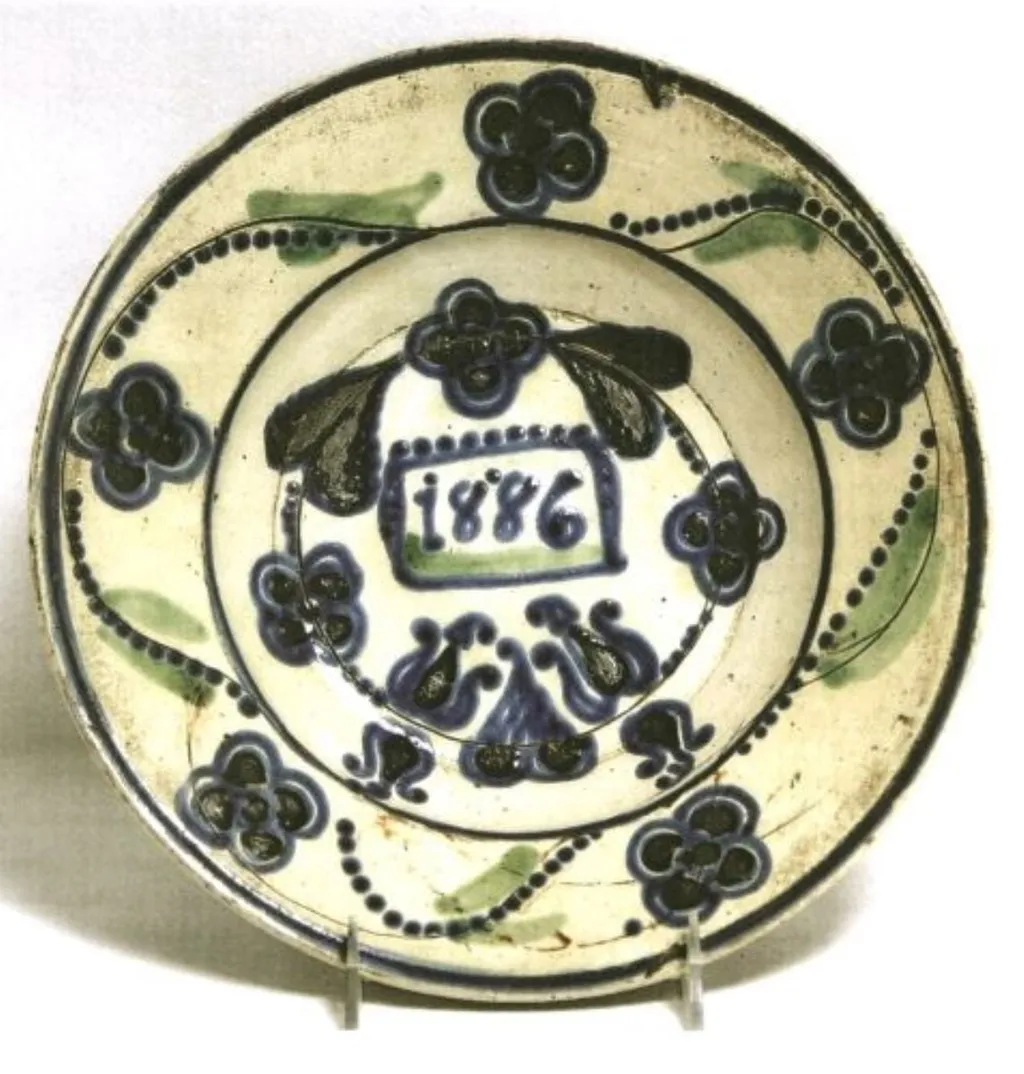
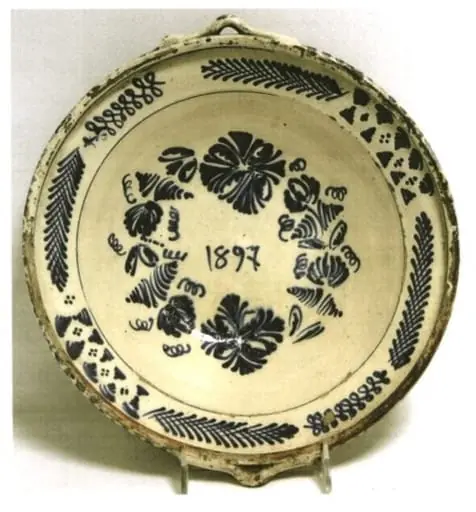
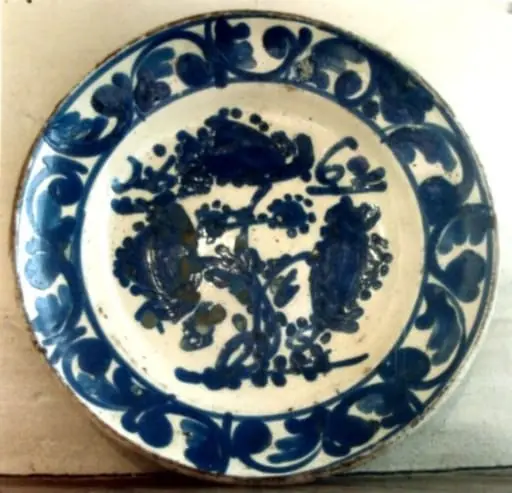
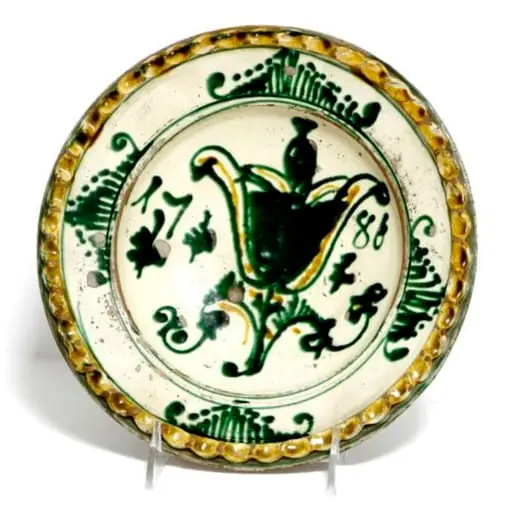
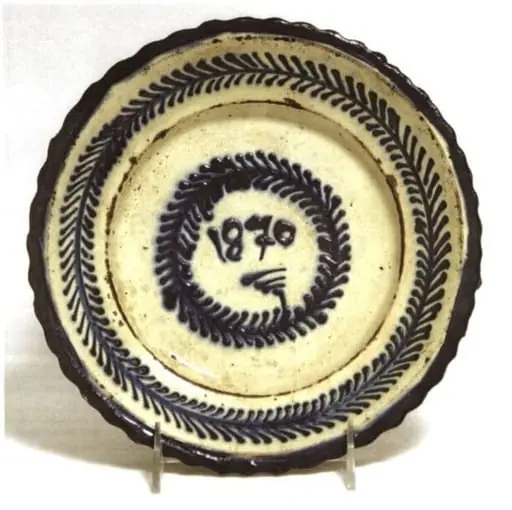
farfurie is a print by the Impressionist artist Unknown. It dates from 1886 and is held in the collection of the Romanian Peasant Museum. This ceramic plate features a plain white surface adorned with hand-painted floral motifs in dark blue and green.
About this work
The year suggests it might be from the late 1800s, but the style doesn’t quite match the smooth look of famous paintings from that time.
This plate looks like a simple, round dish with a white background. Around the edge, there are clusters of dark blue flowers and green leaves. In the center, there’s a box with the year "1886" inside it, surrounded by more blue flowers and swirls.
The design is bright but a little uneven, like it was hand-painted. The year suggests it might be from the late 1800s, but the style doesn’t quite match the smooth look of famous paintings from that time.
If you like this kind of decorative art, look up festoon next to see how artists use swags and flowers in other designs.
Overview
This ceramic plate features a plain white surface adorned with hand-painted floral motifs in dark blue and green. A central inscription reads '1886,' suggesting a date of creation. The decoration is irregular in execution, with uneven brushwork and asymmetrical arrangements, indicating artisanal rather than industrial production. Its modest scale and decorative focus align with domestic tableware of the late 19th century.
Subject & Meaning
The design centers on floral clusters and swirling patterns, with no figurative elements. The inclusion of the year 1886 may mark a personal or commemorative occasion, such as a wedding or household milestone. The absence of narrative or symbolism points to an emphasis on ornamentation over storytelling, typical of utilitarian ceramics meant to elevate everyday use.
Technique & Style
The decoration was applied by hand, resulting in subtle inconsistencies in line and pigment density. The blue and green hues are applied with a loose, unrefined brushstroke, contrasting with the precision of mass-produced wares. The floral arrangements follow a radial composition around the central date, echoing folk or regional traditions rather than academic artistic norms.
History & Provenance
No documented ownership history is available. The plate likely originated in a small workshop or domestic setting where ceramic decoration was practiced as a craft. Its survival suggests it was valued as a household object, possibly passed down through generations. The lack of maker’s marks limits precise geographic or institutional attribution.
Context
In the late 1800s, hand-painted ceramics remained common in rural and middle-class homes, even as industrial production expanded. This piece reflects a transitional period where traditional craftsmanship coexisted with emerging factory methods. Similar decorative motifs appear in regional folk art across Europe, often tied to seasonal or domestic rituals.
Legacy
The plate stands as an example of unassuming domestic artistry from a time when handmade objects carried personal significance. Its preservation offers insight into the aesthetic preferences of non-elite households. While not part of major artistic movements, it contributes to the broader understanding of everyday visual culture in the 19th century.
Artist & collection

 Domestic Scene
 Giacomo and Cardinal Marco, investing Andrea, Abbot of San Zeno, with his Benefice
 The Nymph of Fontainebleau
 Portrait of a Woman
 Madonna and Child with Saints in the Enclosed Garden
 Venus and Minerva
 Family Group of Four on Sofa
 Wall painting from Room H of the Villa of P. Fannius Synistor at Boscoreale