Artwork
Farfurie cu marginea foarte lată și evazată, smălțuită în interior. Decor floral pe toată suprafața interioară. Cromatică: fond: alb; motive: brun; verde; galben; albastru.
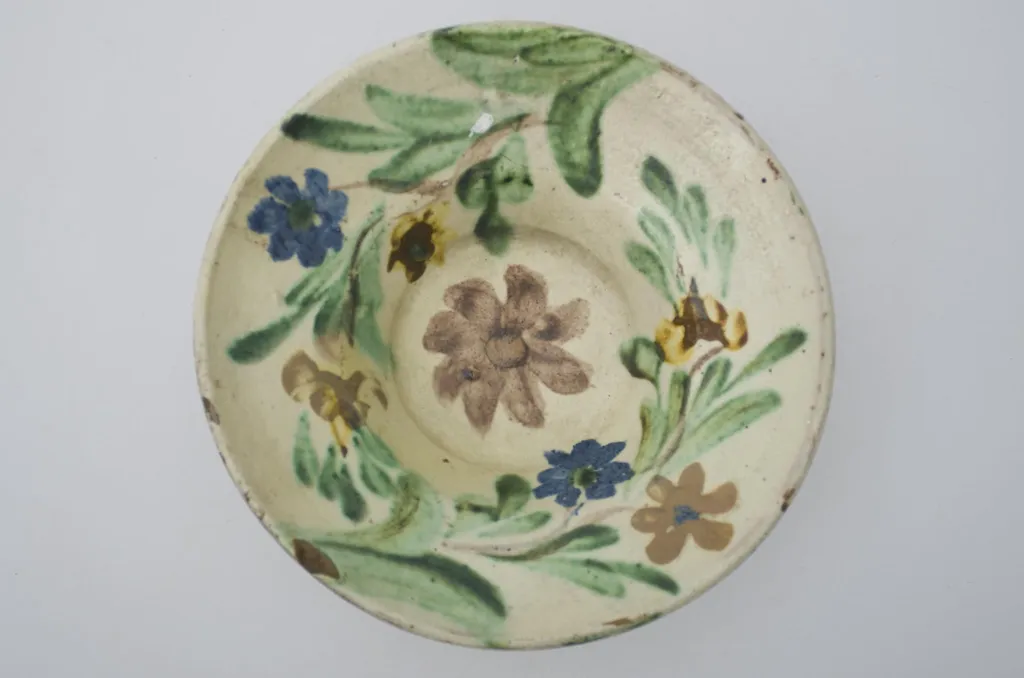
Farfurie cu marginea foarte lată și evazată, smălțuită în interior. Decor floral pe toată suprafața interioară. Cromatică: fond: alb; motive: brun; verde; galben; albastru. is a print by Unknown. It dates from 1850 and is held in the collection of the ASTRA National Museum Complex. This is a circular, shallow ceramic dish with a broad, outward-sloping rim.
About this work
Overview
No maker’s mark is present, and its origin remains unattributed, though it is held in a curated museum collection.
This is a circular, shallow ceramic dish with a broad, outward-sloping rim. The interior surface is glazed and entirely covered in painted floral decoration. The background is a pale, even tone, contrasting with vivid pigments in blue, yellow, green, and brown. The exterior and rim show signs of age, with minor surface wear, suggesting regular use. No maker’s mark is present, and its origin remains unattributed, though it is held in a curated museum collection.
Subject & Meaning
The decoration consists of clustered blossoms and leafy stems arranged in a dense, rhythmic pattern across the interior. The floral motifs lack narrative or symbolic specificity, suggesting a decorative rather than ritual function. The repetition of natural forms reflects a broader tradition of stylized plant imagery in utilitarian ceramics, where beauty served to elevate everyday objects without conveying explicit cultural or religious meaning.
Technique & Style
The dish was formed from earthenware, then coated with a transparent glaze before being painted with mineral-based pigments. Colors were applied with precision, using fine brushes to define petals and veins. The palette is restrained yet vibrant, with clear outlines and flat areas of color. The style is non-illusionistic, favoring pattern over depth, consistent with regional folk pottery traditions that prioritize harmony and repetition over naturalism.
History & Provenance
The object’s exact date and place of origin are undocumented, but its form and decoration align with late 19th- to early 20th-century ceramic production in Eastern Europe. It was likely made for domestic use before entering a museum collection, possibly through ethnographic fieldwork or donation. Its lack of signature and modest condition suggest it was an ordinary household item, not a commissioned or elite piece.
Context
This dish belongs to a wider category of hand-painted ceramics produced in rural workshops across the Carpathian region. Similar wares were made for daily use—serving food, storing goods—and often featured floral designs derived from local flora and textile patterns. The persistence of such motifs indicates a continuity of aesthetic values, even as industrialization began to reshape material culture in the region.
Legacy
Though unsigned and unremarkable in its time, the dish now serves as a material record of vernacular craftsmanship. It contributes to scholarly understanding of how ordinary people engaged with beauty in daily life. Museums display such objects to preserve regional traditions that were often overlooked in favor of fine art, offering insight into the visual language of non-elite communities.
Artist & collection

 Domestic Scene
 Giacomo and Cardinal Marco, investing Andrea, Abbot of San Zeno, with his Benefice
 The Nymph of Fontainebleau
 Portrait of a Woman
 Madonna and Child with Saints in the Enclosed Garden
 Venus and Minerva
 Family Group of Four on Sofa
 Wall painting from Room H of the Villa of P. Fannius Synistor at Boscoreale
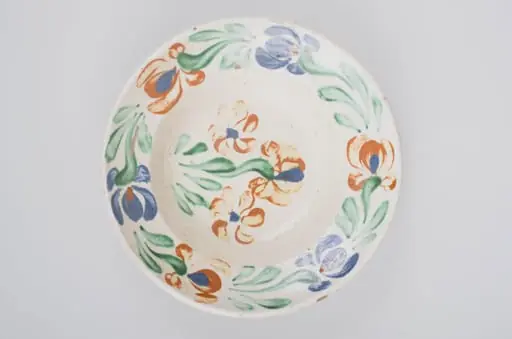 Farfurie cu fundul adâncit și buza evazată. Smălțuită numai în interior și scurgeri de smalț sub buză. Prezintă găuri pentru prinderea aței în vederea agățării. Decorată cu motive florale: central are trei flori iar pe margine un chenar floral. Cromatică: fond: alb; motive: maro; verde; albastru.
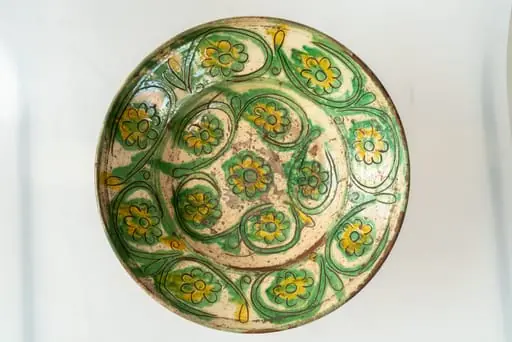 Farfurie de formă adâncă, cu buză răsfrântă. Piesa este modelată la roată, angobată cu humă albă pe fața interioară. Decorul este realizat prin pictare cu pensula, cu smalțuri colorate (verde și galben) și prin sgrafitare. Motivele decorative sunt florale și vegetale stilizate (flori cu frunze) dispuse pe întreaga suprafață a farfuriei. Bordura interioară a farfuriei este marcată cu o linie groasă sub formă de cerc, de culoare verde. Pe fața interioară a farfuriei este aplicat un strat de smalț transparent. Cromatica: alb, verde, galben.
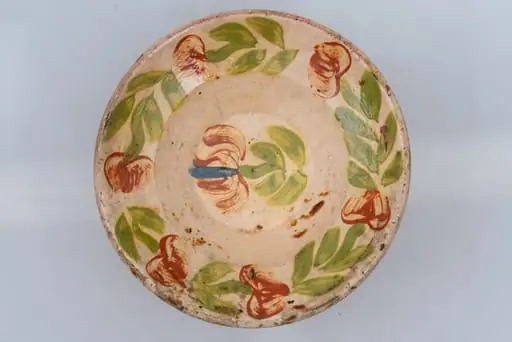 Farfurie adâncă, acoperită pe suprafața interioară cu un strat de angobă albă. Decorul este realizat prin pictare cu pensula și se compune din motive florale și fitomorfe: central pe fundul farfuriei este pictată o floare cu patru petale alungite de culoare maro deschis si o petală albastră și frunze verzi. Decorul de pe buza farfuriei se compune dintr-un șir de flori de culoare maro cu frunze verzi. Suprafața ornamentată a farfuriei este acoperită cu un strat de smalț transparent. Cromatica: alb, verde, albastru, maro-deschis.
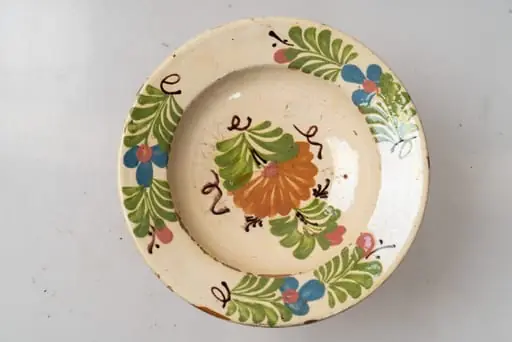 Farfurie adâncă, cu buza lată, răsfrântă; piesa este modelată din lut la roata olarului și este angobată cu humă albă pe fața interioară. Decorul este realizat prin pictare cu pensula și cu cornul și constă în motive florale și fitomorfe (o floare cu frunze și un boboc, pe centrul farfuriei și trei grupuri de flori cu frunze, pe buza farfuriei). Cromatica: alb, albastru, verde, siena naturală, roz-bej, maro. Fața ornamentată a farfuriei este acoperită cu un strat de smalț transparent.
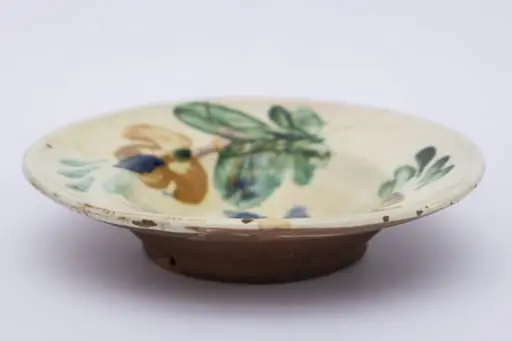 Farfurie de formă tronconică cu fundul adâncit și marginea evazată; smălțuită în interior. Ornament prin pictare ilustrând în plan central, pe fundul vasului, o floare albastră; pe margine chenar floral, reprezentat de două flori cărămizii cu frunze verzi. Pentru atârnare baza este perforată. Cromatică: fond: alb; motive: cărămiziu; verde; albastru; brun.
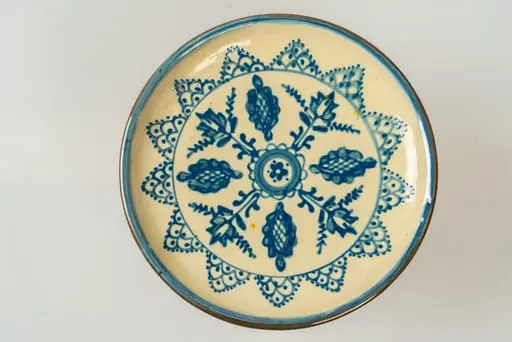 Farfurie mică, plată, cu muchia buzei ușor concavă spre interior. Piesa este modelată la roata olarului și este angobată cu humă albă pe fața sa interioară. Decorul este realizat prin pictare cu pensula, cu linii fine, și se compune din motive florale stilizate, plasate central și încadrate într-un cerc, pe a cărui față exterioară sunt ampalsate grupuri decorative formate din motivul solzi de pește și puncte. Cromatica: alb, albastru. Farfuria este smălțuită pe amble fețe cu un smalț transparent.