Artwork
Farfurie cu fundul adâncit și buza evazată. Smălțuită numai în interior și scurgeri de smalț sub buză. Prezintă găuri pentru prinderea aței în vederea agățării. Decorată cu motive florale: central are trei flori iar pe margine un chenar floral. Cromatică: fond: alb; motive: maro; verde; albastru.
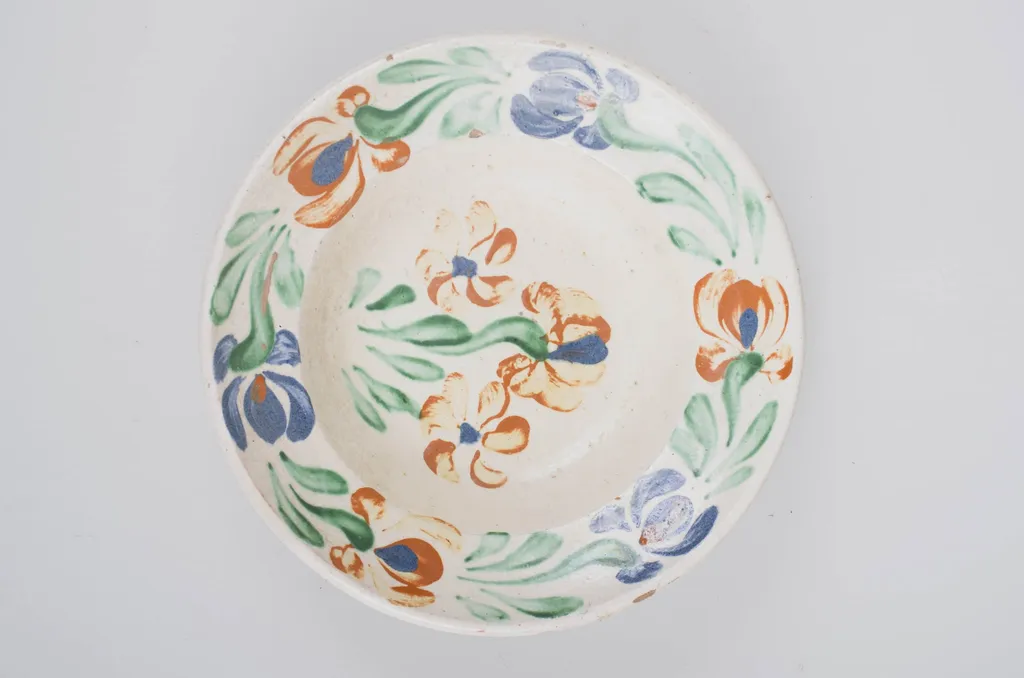
Farfurie cu fundul adâncit și buza evazată. Smălțuită numai în interior și scurgeri de smalț sub buză. Prezintă găuri pentru prinderea aței în vederea agățării. Decorată cu motive florale: central are trei flori iar pe margine un chenar floral. Cromatică: fond: alb; motive: maro; verde; albastru. is a print by Unknown. It dates from 1850 and is held in the collection of the ASTRA National Museum Complex. The object is a shallow, white ceramic bowl with a deepened base and an outward‑flaring rim.
About this work
Overview
The object is a shallow, white ceramic bowl with a deepened base and an outward‑flaring rim. Its interior is glazed, while the exterior bears a faint glaze that has run down in places. Small perforations along the sides allow a cord to be threaded for suspension.
Subject & Meaning
The decorative program consists of a central cluster of three stylised flowers, rendered in blue, green and brown, surrounded by a continuous floral border. The motif reflects a traditional ornamental vocabulary that emphasizes natural forms in a simplified, schematic manner.
Technique & Style
The piece is executed in low‑relief painted decoration applied over a white slip. The glaze on the interior is smooth and fully vitrified, whereas the exterior glaze is thin, resulting in occasional drips that have altered the original colour intensity. The floral pattern is applied with brushwork that suggests a folk‑art aesthetic.
History & Provenance
The bowl includes holes for attaching a cord, indicating it was intended for hanging, possibly as a decorative or ritual object. No specific provenance or dating information is provided, limiting precise historical placement.
Context
Such hanging vessels are typical of regional ceramic traditions where functional objects also serve ornamental purposes. The use of a limited palette—white background with brown, green and blue accents—aligns with the aesthetic preferences of many Eastern European folk pottery styles.
Artist & collection

 Domestic Scene
 Giacomo and Cardinal Marco, investing Andrea, Abbot of San Zeno, with his Benefice
 The Nymph of Fontainebleau
 Portrait of a Woman
 Madonna and Child with Saints in the Enclosed Garden
 Venus and Minerva
 Family Group of Four on Sofa
 Wall painting from Room H of the Villa of P. Fannius Synistor at Boscoreale
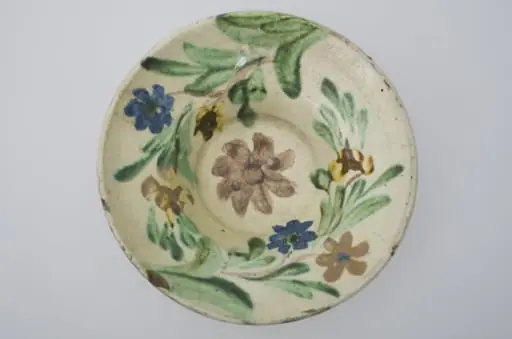 Farfurie cu marginea foarte lată și evazată, smălțuită în interior. Decor floral pe toată suprafața interioară. Cromatică: fond: alb; motive: brun; verde; galben; albastru.
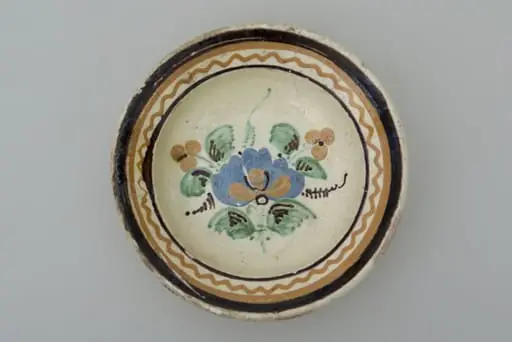 Blid de formă tronconică cu buza evazată. Smălțuit. Decorat cu motive florale: buchet, plasat pe fundul vasului și motive geoemtrice plasate pe gură: alternantă de cercuri și spirale ce se închid îm cerc. Cromatică: fond: alb; motive: maro; crem; verde; albastru.
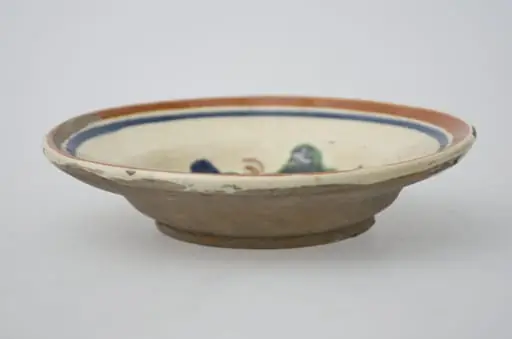 Farfurie tronconică, de dimensiuni mai mici cu pereții ușor curbați și marginea evazată. Prezintă un motiv central de tip floral; pe margine două cercuri colorate. Smălțuită numai în interior. Cromatică: fond: alb; motive; verde; albastru; brun; negru.
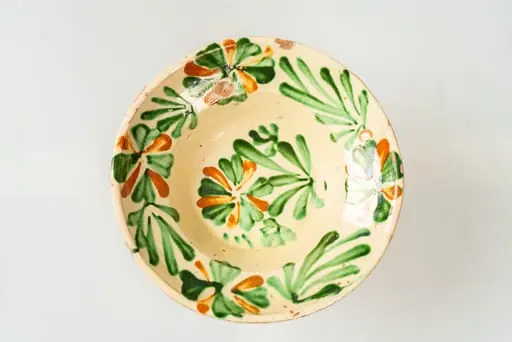 Farfurie adâncă, de formă tronconică, cu buză lată, răsfrântă. Piesa este modelată la roata olarului, fiind angobată cu humă albă (pe interiorul acesteia). Decorul este realizat prin pictare cu pensula și constă în motive decorative florale și vegetale (flori și frunze), dispuse central, pe fundul farfuriei și pe toată buza acesteia, sub formă de ghirlandă cu patru flori. Cromatica: alb, verde, maro. Farfuria este smălțuită pe interior, cu smalț transparent.
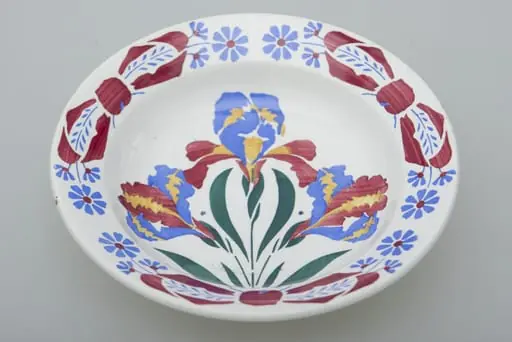 Farfurie de formă tronconică, ușor adâncită. Există două registre ornamentale, unul plasat de jur împrejurul buzei cu motive florale. Al doilea registru plasat în centru tot cu motive florale. Smălțuită. Cromatică: fond: alb; motive: albastru; verde; roșu; galben.
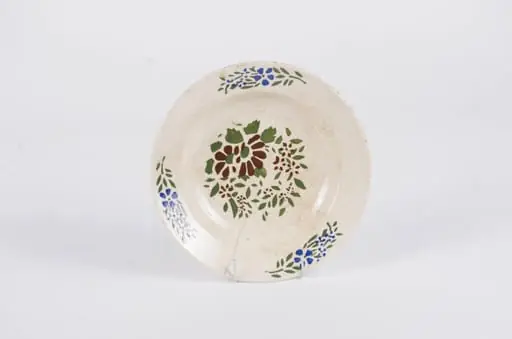 Farfuria este de formă tronconică, fiind smălțuită integral. Prezintă un decor floral-vegetal dispus pe fundul și pe buza vasului. Cromatică: fond alb; motive: verde; maro; albastru.