Artwork
Farfurie de formă tronconică, adâncită, cu buza evazată. Este smălțuită în interior și la exterior (buza). Pe fund are o marcă în formă de ”X” de culoare albă. Pe alocuri smalțul este sărit. Cromatică: cărămiziu, verzui, alb.
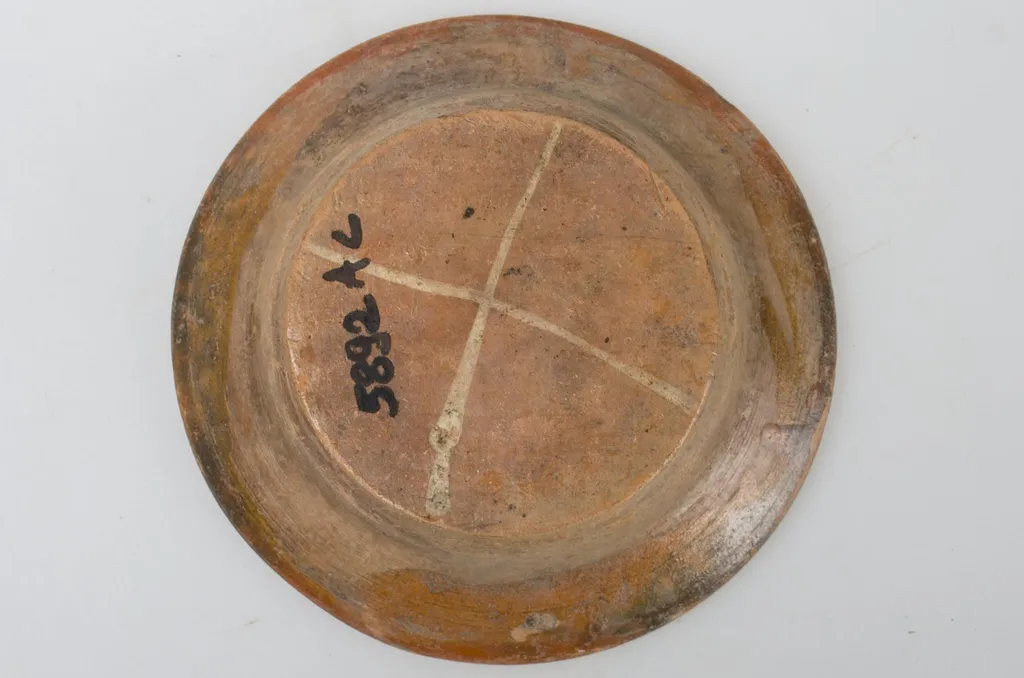
Farfurie de formă tronconică, adâncită, cu buza evazată. Este smălțuită în interior și la exterior (buza). Pe fund are o marcă în formă de ”X” de culoare albă. Pe alocuri smalțul este sărit. Cromatică: cărămiziu, verzui, alb. is a print by Unknown. It dates from 1850 and is held in the collection of the ASTRA National Museum Complex. A shallow, conical ceramic dish with a flared rim, this object shows signs of prolonged use.
About this work
Overview
The surface exhibits a muted palette of brick-red, greenish tones, and patches of white glaze, suggesting regional production and everyday function.
A shallow, conical ceramic dish with a flared rim, this object shows signs of prolonged use. Its interior and upper exterior are glazed, though the glaze is partially worn or flaked away, especially near the rim and base. A distinct white cross-shaped mark is stamped on the underside. The surface exhibits a muted palette of brick-red, greenish tones, and patches of white glaze, suggesting regional production and everyday function.
Subject & Meaning
No decorative imagery or symbolic motifs are present. The white "X" mark likely served as a maker’s or owner’s identifier, common in utilitarian ceramics of the period. Its simplicity and wear indicate it was part of routine domestic life, possibly used for serving or storing food. The lack of ornamentation points to practicality over ceremonial or aesthetic intent.
Technique & Style
The vessel was formed using wheel-throwing techniques, with a thin, even wall and a broad, upturned lip. Glaze was applied both inside and out, but inconsistently, with areas of chipping revealing the underlying clay body. The coloration results from local clay and low-fire glazes, with variations caused by uneven firing conditions in a wood-burning kiln.
History & Provenance
The form and glazing style align with regional pottery traditions from Eastern Europe, likely produced in the 18th or 19th century. Similar pieces are documented in the collection of the Museum of Ethnography, suggesting a shared craft lineage across rural communities. Its condition implies it was in domestic circulation for decades before being collected.
Context
This dish reflects the material culture of agrarian households where ceramics were handmade, repaired, and reused until worn out. Glaze imperfections and wear patterns are typical of vessels made without industrial standardization. The presence of a stamped mark indicates some level of workshop organization, even in small-scale production.
Legacy
As a representative of everyday ceramic use, this object contributes to understanding pre-industrial domestic life. Its preservation in museum collections underscores the value placed on ordinary objects that reveal labor, material constraints, and local craftsmanship rather than elite artistry.
Artist & collection

 Domestic Scene
 Giacomo and Cardinal Marco, investing Andrea, Abbot of San Zeno, with his Benefice
 The Nymph of Fontainebleau
 Portrait of a Woman
 Madonna and Child with Saints in the Enclosed Garden
 Venus and Minerva
 Family Group of Four on Sofa
 Wall painting from Room H of the Villa of P. Fannius Synistor at Boscoreale
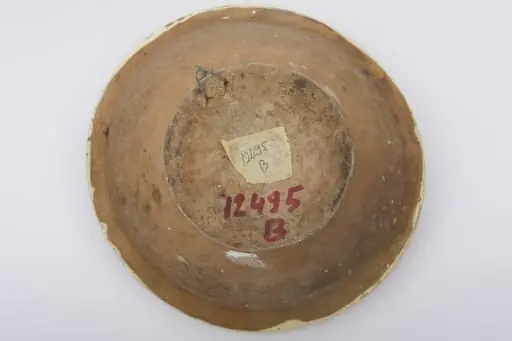 Obiect de uz casnic realizat din lut, de formă tronconică, foarte adâncită, cu buza înaltă și ieșită în afară față de corp; este smălțuit în interior și exterior (doar buza); în interior este decorat cu motive florale și fitomorfe; fundul prezintă două orificii pentru agățare. Cromatica: fond interior crem, fond exterior maro; motive: verde, maro, albastru. Prezintă urme de uzură funcțională
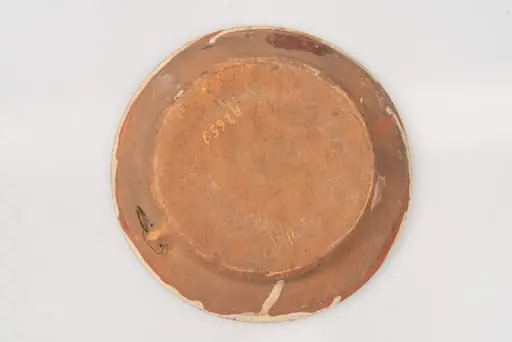 Farfurie de formă aplatizată, angobată cu humă albă pe suprafața interioară și decorată prin pictare cu cornul, cu motive geometrice și vegetale geometrizate, ce acoperă întreaga suprafață a piesei: registrul central de pe fundul farfuriei este decorat cu motivul brăduțului, flori de crin geometrizate și elemente vegetale (vrejuri), iar buza farfuriei cu două linii circulare în formă de zig-zag, intersectate, completate cu puncte albastre mari. Bordura interioară a farfuriei și muchia buzei sunt decorate cu linii circulare simple și linii circulare ondulate. Cromatica: alb, albastru. Suprafața ornamentată a farfuriei este acoperită cu un strat de smalț transparent.
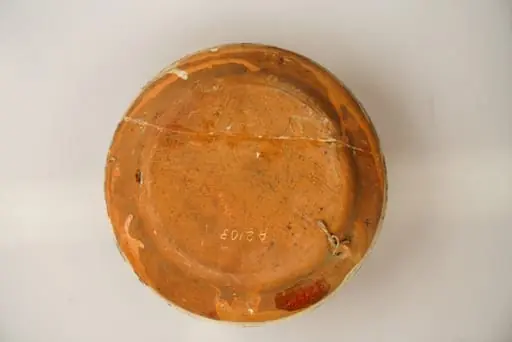 Farfurie de formă aplatizată, cu buza evazată și ușor concavă spre interior; este angobată pe suprafața interioară cu un strat de humă albă peste care este pictat cu pensula și cu cornul decorul format din motive geometrice, dispuse pe întreaga suprafață a piesei: linii groase verzi sub formă de semicerc, cu contur maro; grupuri de linii paralele crescătoare și descrescătoare dispuse pe buză sub formă de triunghi cu vârful orientat spre interior; linii circulare simple și ondulate; linii drepte groase de culoare verde cu contur maro; elemente vegetale geometrizate (frunze?) verzi sau cu linii mici maro în interior; motive sugerând mici flori cu petale rotunde. Suprafața ornamentată a farfuriei este acoperită cu un strat de smalț transparent. Cromatica: alb, albastru.
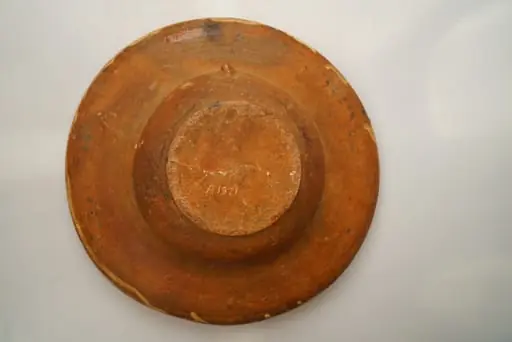 Farfurie mare adîncă, cu corp tronconic ușor rotunjit, buză lată evazată cu muchia buzei verticală; este acoperită pe suprafața interioară cu un strat de angobă albă peste care este pictat cu pensula decorul monocromatic format din motive geometrice și motive florale și vegetale stilizate, dispuse astfel: centrul farfuriei este decorat cu o floare (posibil crin) încadrată într-un cerc dublu, floare care se repetă și pe exteriorul cercului, alternată cu un motiv format din linii hașurate intersectat dispus sub formă de triunghi. Restul suprafeței corpului este decorat cu șiruri de frunze duble, orientate opus. Exteriorul buzei este decorat cu două linii circulare incizate. Suprafața ornamentată a farfuriei este acoperită cu un strat de smalț transparent. Cromatica: alb, albastru.
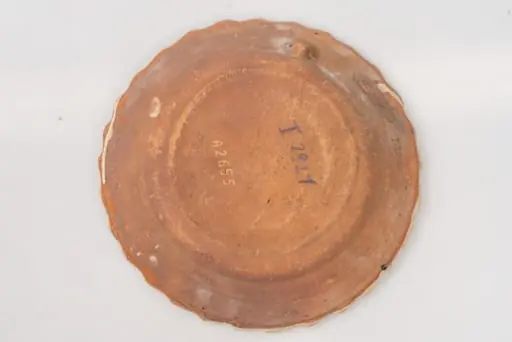 Farfurie semi-adâncă, cu buza evazată și muchia buzei ondulată; este angobată pe suprafața interioară cu un strat de humă albă peste care este pictat cu cornul decorul bogat, ce acoperă întreaga suprafață a farfuriei și este format din motive geometrice și vegetale stilizate: floare cu petale rotunde și mijlocul umplut cu linii hașurate intersectat, semicercuri cu contur albastru și interior verde, linii sub formă de V, linii punctate duble dispuse sub formă de stea, linii circulare, linii groase sub formă de virgulă, grupuri de puncte. Suprafața ornamentată a farfuriei este acoperită cu un strat de smalț transparent. Cromatica: alb, verde, albastru.
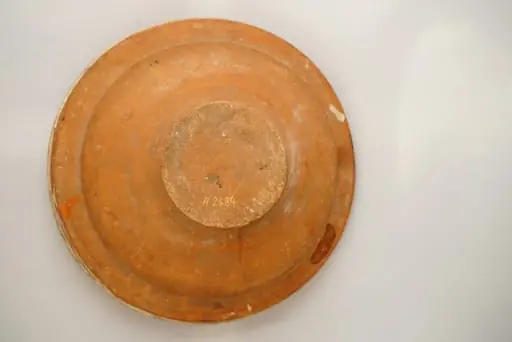 Farfurie mare, adâncă, de tip castron, cu corp tronconic, buza evazată și muchia buzei verticală; suprafața interioară a piesei este acoperită cu un strat de angobă albă, peste care este pictat cu cornul decorul monocromatic format din motive geometrice, florale și vegetale stilizate: centrul farfuriei este decorat cu un cerc format din mai multe linii subțiri maro, cerc ce conține în interior o tulpină cu o floare albastră rotundă și mai multe frunze realizate din linii subțiri; acestui decor floral i se adaugă patru grupuri de linii paralele crescătoare și descrescătoare ca mărime, dispuse sub formă de triunghi. Peretele farfuriei este decorat cu două tipuri de motive florale, cîte două din fiecare motiv și dispuse diametral opus: o tulpină cu două flori de lalea și frunze, și o tulpină cu două flori rotunde și centrul format din linii hașurate intersectat. Buza farfuriei este decorată cu un șir de motive vegetale formate din două linii sub formă de zigzag, dispuse circular, care se intersectează rezultând niște romburi, intersecția acestor linii fiind marcată cu două linii mici în formă de cruciuliță. Muchia buzei este decorată cu linii mici ondulate. Suprafața ornamentată a farfuriei este acoperită cu un strat de smalț transparent. Cromatica: alb, albastru.
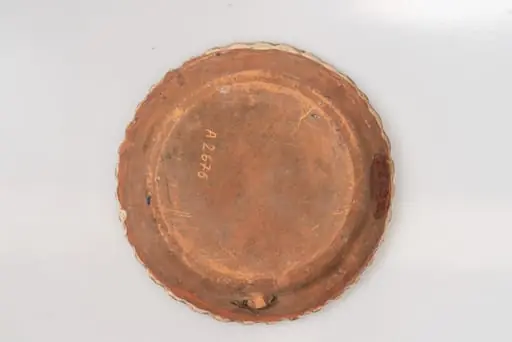 Farfurie semi-adâncă, cu fundul larg, buză evazată cu muchia buzei ondulată. Piesa este acoperită pe suprafața interioară cu un strat de angobă albă, peste care este pictat cu cornul și cu pensula decorul monocromatic, format din motive florale și vegetale stilizate și geometrice: fundul farfuriei este decorat cu un buchet format din flori și boboci de lalea stilizate (două tipuri de lalea) și grupuri de puncte, iar buza acesteia cu un șir continuu de frunze duble cu motive punctate între ele (linii). Bordura interioară a farfuriei este marcată de două linii circulare simple și o linie circulară ondulată între ele, iar muchia buzei de o dungă albastră. Suprafața ornamentată a farfuriei este acoperită cu un strat de smalț transparent. Cromatica: alb, albastru.