Artwork
Farfurie de formă tronconică, adâncită; este decorată cu motive florale pe toată suprafața; florile de pe margine sunt încadrate de trei cercuri concentrice dintre care una spre exterior și două spre interior; cromatică: fond alb, motive: roșu; verde; albastru; maro; galben. Pe fund are o ștanță: trei cercuri concentrice. Tot pe fundul vasului sunt două incizii în care este introdus un șnur folosit la agățarea vasului pe perete.
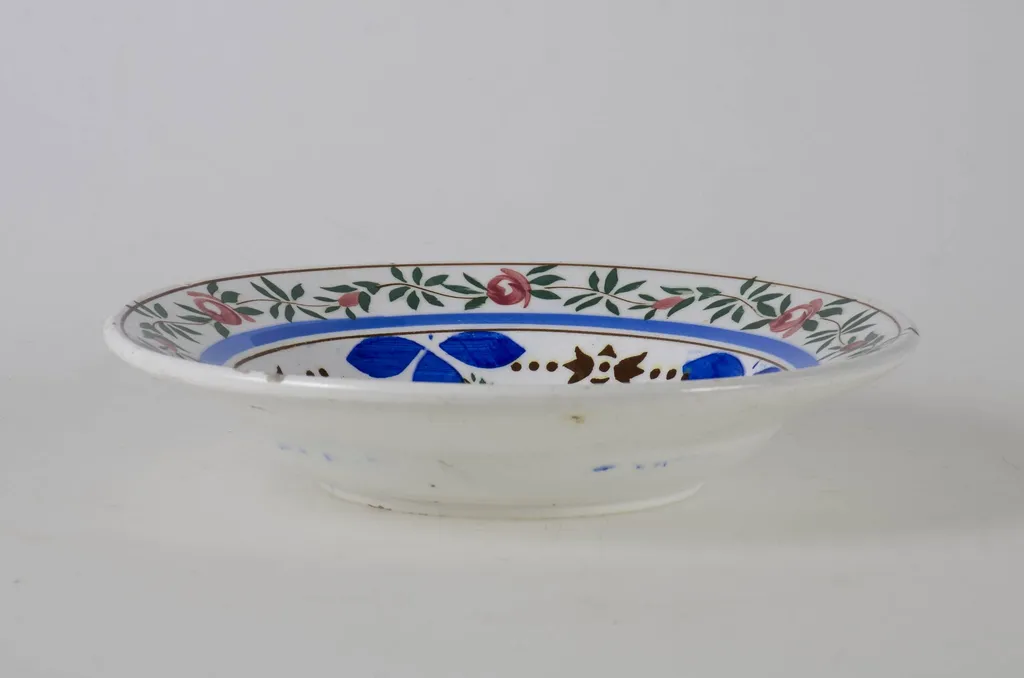
Farfurie de formă tronconică, adâncită; este decorată cu motive florale pe toată suprafața; florile de pe margine sunt încadrate de trei cercuri concentrice dintre care una spre exterior și două spre interior; cromatică: fond alb, motive: roșu; verde; albastru; maro; galben. Pe fund are o ștanță: trei cercuri concentrice. Tot pe fundul vasului sunt două incizii în care este introdus un șnur folosit la agățarea vasului pe perete. is a photography by Unknown. It dates from 1850 and is held in the collection of the ASTRA National Museum Complex. A shallow, conical bowl with a flat base, this ceramic piece features a fully decorated exterior surface.
About this work
Overview
A shallow, conical bowl with a flat base, this ceramic piece features a fully decorated exterior surface. The background is white, with floral motifs rendered in red, green, blue, brown, and yellow. The rim is framed by three concentric circles, with one outer and two inner bands defining the border. Two small incisions on the interior edge suggest it was designed to be suspended on a wall.
Subject & Meaning
The decoration centers on stylized floral patterns, possibly symbolizing growth or seasonal cycles. The repeated arrangement of flowers and leaves, paired with berry-like brown forms, suggests a connection to natural abundance. The geometric framing circles may reflect symbolic order or protection, common in folk traditions where ornamentation carried both aesthetic and spiritual significance.
Technique & Style
The color palette—red, green, blue, brown, and yellow—is limited but deliberate, emphasizing contrast against the white ground.
The vessel was hand-formed and painted with mineral-based pigments, applied in flat, unmodulated areas. The precision of the concentric circles and linear borders indicates the use of templates or stencils. The color palette—red, green, blue, brown, and yellow—is limited but deliberate, emphasizing contrast against the white ground. The stamped triple-circle mark on the base may denote maker or origin.
History & Provenance
This object likely originated in a regional ceramic workshop, possibly from Eastern Europe, where wall-hung vessels were used for storage or display. The presence of hanging holes and the absence of a foot suggest domestic, non-tabletop use. Similar pieces have been documented in 19th- to early 20th-century rural households, where utility and decoration merged in everyday objects.
Context
In many traditional communities, ceramic vessels were not merely functional but also carried cultural markers through pattern and color. The use of suspended bowls implies space constraints or ritual practices requiring visibility. The floral motifs align with broader folk art traditions where nature-inspired designs conveyed identity, continuity, and local craftsmanship.
Legacy
This object exemplifies the quiet persistence of vernacular ceramic traditions, where form followed practical needs and decoration reflected local aesthetics. Such pieces, often overlooked in formal art histories, reveal how ordinary households engaged with material culture. Surviving examples like this one help preserve the visual language of pre-industrial craft communities.
Artist & collection

 Domestic Scene
 Giacomo and Cardinal Marco, investing Andrea, Abbot of San Zeno, with his Benefice
 The Nymph of Fontainebleau
 Portrait of a Woman
 Madonna and Child with Saints in the Enclosed Garden
 Venus and Minerva
 Family Group of Four on Sofa
 Wall painting from Room H of the Villa of P. Fannius Synistor at Boscoreale
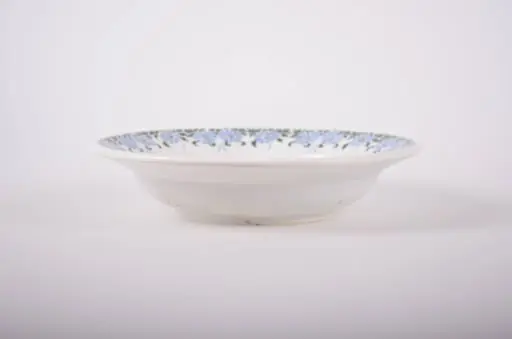 Farfurie de formă tronconică, adâncită; pe fund are găuri pentru agățare. Pe toată marginea este decorată cu motive florale, iar pe fund are trei cercuri concentrice. Cromatică: fond: alb; motive: albastru; verde.
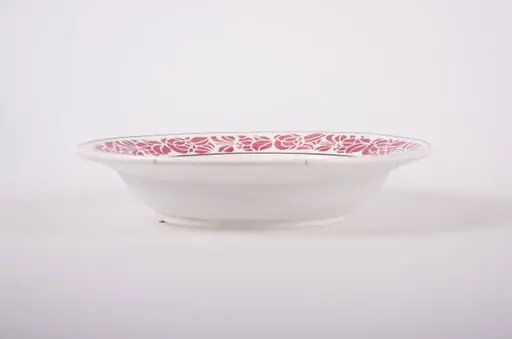 Blid de formă tronconică, adâncit; pe fund are găuri pentru agățare. Pe toată marginea este decorat cu motive florale încadrate de două cercuri concentrice; în centru este decorat cu flori. Pe fund are trei cercuri concentrice. Cromatică: fond: alb; motive: vișiniu: verde: negru.
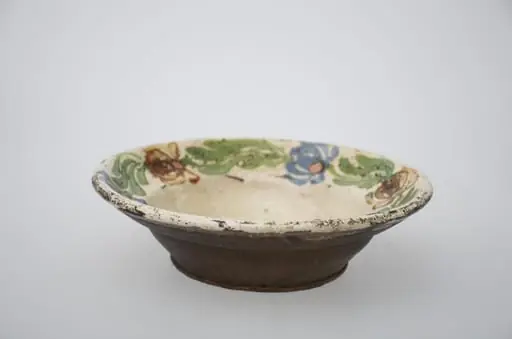 Farfurie de formă tronconică adâncă cu buza largă și decor pe fund, spre margini. Ornamentat cu motive florale. Cromatică: fond: alb; motive: maro; verde; albastru.
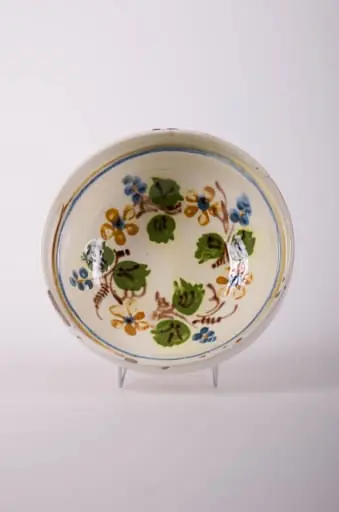 Farfurie de formă tronconică, adâncită, cu buza foarte înaltă; pe fund are găuri pentru agățare. Este smălțuit în interior și exterior (buza). Decorat cu motive geometrice: linie; motive fitomorfe; motive florale. Cromatică: fond: alb; motive: verde; maro; albastru.
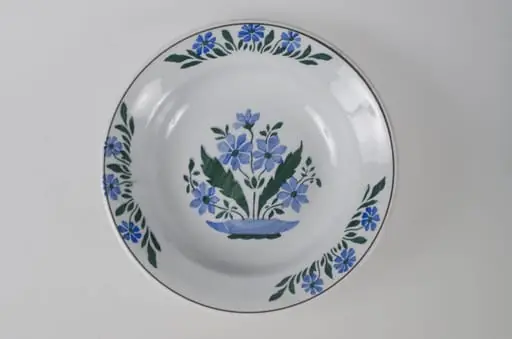 Vasul are formă tronconică, adâncită și este decorat cu motive florale dispuse în trei registre a câte trei flori pe margine, încadrate de o linie; în centru este decorat cu flori și frunze. Pe fund are trei cercuri concentrice care profilează trei registre. Vas evazat în partea superioară. Smălțuit interior-exterior. Cromatică: fond: alb; motive: verde; albastru; negru.
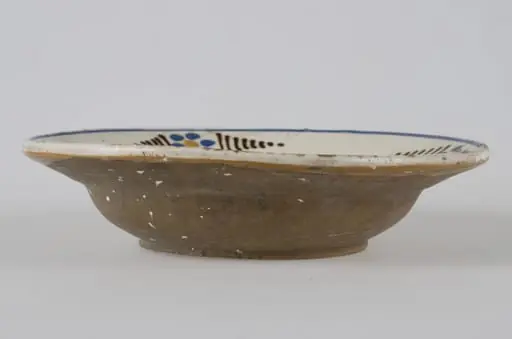 Vas adânc din lut, de formă tronconică, cu marginea evazată. Pe fundalul de culoare albă este decorat cu motive geometrice: linie circulară, linii curbe, puncte pe buza vasului; motive vegetale și florale, pe centrul vasului. Cromatică: fond: alb; motive: albastru; verde; maro; cărămiziu.
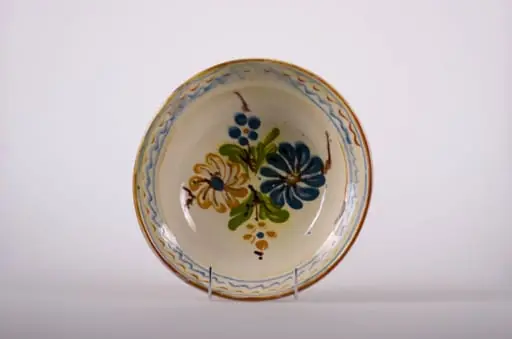 Blid de formă tronconică, adâncit; pe fund are găuri pentru agățare. Este smălțuit în interior și exterior (buza); este decorat cu motive geometrice: linie, linie ondulată; motive fitomorfe: frunze; motive florale. Cromatică: fond: alb; motive: albastru; maro; verde.
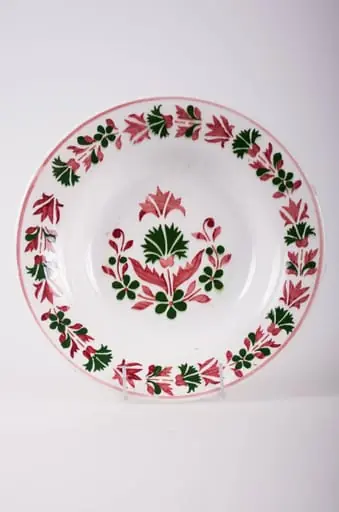 Farfurie de formă tronconică, adâncită; pe fund are găuri pentru agățare, Este decorată cu motive florale și geometrice; pe margine este decorat cu flori încadrate la exterior de o linie; în centru are mai multe flori. Pe fund are o marcă indescifrabilă. Cromatică: fond: alb; motive: vișiniu; verde.
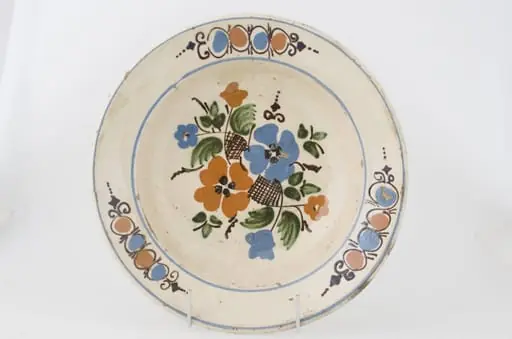 Farfuria este lucrată la roată, prezintă marginea evazată în plan orizontal fiind smălțuit în interior. Pe suprafața interioară a vasului se identifică registre decorative floral-vegetale dispuse pe fundul vasului și pe marginea interioară. Registrele sunt delimitate de două cercuri realizate prin pictare și dispuse pe buza vasului și spre interiorul acestuia. Cromatică: fond: alb; motive: roșu; albastru; verde; brun; maro.
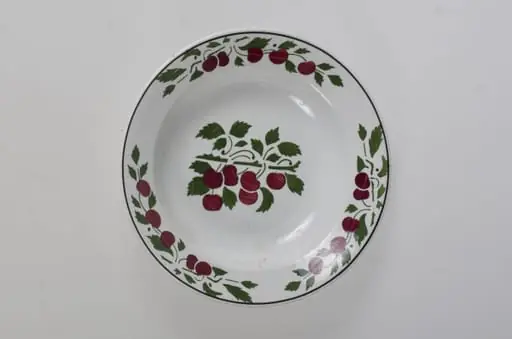 Farfurie de formă tronconică, adâncită; pe margine este decorat cu motive vegetale încadrate de o linie; în centru are o crenguță cu fructe (cireșe). Pe exterior la baza vasului prezintă trei cercuri concentrice și cifra ”26”. Cromatică: fond: alb; verde; roșu; negru. Pe fundul vasului sunt două incizii în care este introdus un șnur folosit la agățarea vasului pe perete.
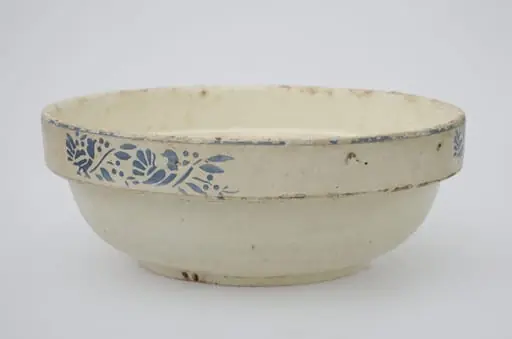 Strachină de lut de formă tronconică, cu buza ușor evazată, smălțuită în interior și la exterior. Decorată cu motive liniare, vegetale, florale și avimorfe (porumbel și porumbiță) motivele avimorfe se regăsesc pe exterior în trei registre, iar pe interior într-o casetă. Cromatică: fond: alb-bej: motive: albastru.