Artwork
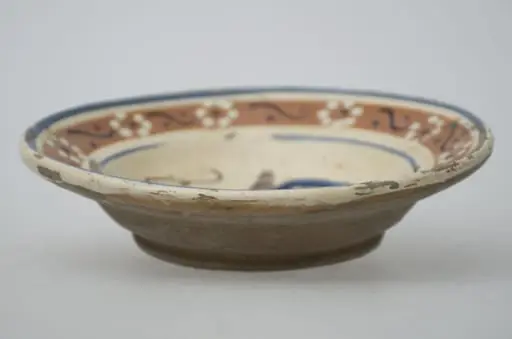
Strachină de lut de formă tronconică, cu buza ușor evazată, smălțuită în interior și la exterior. Decorată cu motive liniare, vegetale, florale și avimorfe (porumbel și porumbiță) motivele avimorfe se regăsesc pe exterior în trei registre, iar pe interior într-o casetă. Cromatică: fond: alb-bej: motive: albastru.
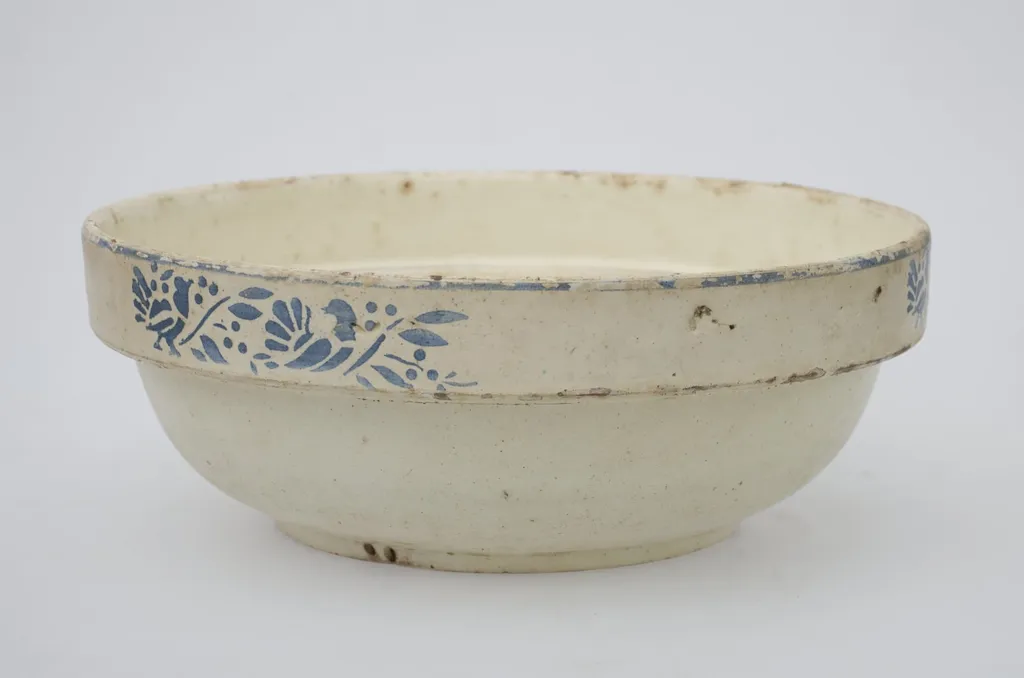
Strachină de lut de formă tronconică, cu buza ușor evazată, smălțuită în interior și la exterior. Decorată cu motive liniare, vegetale, florale și avimorfe (porumbel și porumbiță) motivele avimorfe se regăsesc pe exterior în trei registre, iar pe interior într-o casetă. Cromatică: fond: alb-bej: motive: albastru. is a photography by Unknown. It dates from 1850 and is held in the collection of the ASTRA National Museum Complex. A modest clay bowl, roughly conical with a slightly flared lip, presents a creamy surface both inside and out.
About this work
Overview
A modest clay bowl, roughly conical with a slightly flared lip, presents a creamy surface both inside and out. The interior is smooth, while the exterior bears faint cracks and wear. A thin blue band encircles the rim, featuring linear, vegetal motifs and stylized bird figures, primarily a pigeon, arranged in three registers on the outside and within a central panel on the inside.
Subject & Meaning
The decorative program combines abstract linear patterns with naturalistic elements. The leafy designs suggest growth and fertility, while the avian motifs—pigeons—may symbolize peace, domesticity, or a connection to the sky, a common symbolic association in pottery decoration across cultures.
Technique & Style
The bowl is formed from low-fired clay, then glazed with a white‑beige slip that creates a smooth, matte finish. Blue pigment was applied by hand in thin, sketch‑like lines, allowing the design to remain delicate. The bird figures are rendered in a simplified, almost schematic style, integrated into the linear bands without relief carving.
History & Provenance
The piece reflects a regional ceramic tradition where modest household vessels were embellished with modest painted motifs. Its stylistic features align with early 20th‑century folk pottery from Eastern Europe, where blue on light backgrounds was a favored decorative scheme for utilitarian wares.
Context
Such bowls were typically used for serving or storing food, and their decorative bands often served both aesthetic and symbolic functions, enhancing everyday objects with cultural narratives. The inclusion of birds aligns with a broader motif of avian imagery found on comparable pottery, linking this work to a wider visual vocabulary.
Artist & collection

 Domestic Scene
 Giacomo and Cardinal Marco, investing Andrea, Abbot of San Zeno, with his Benefice
 The Nymph of Fontainebleau
 Portrait of a Woman
 Madonna and Child with Saints in the Enclosed Garden
 Venus and Minerva
 Family Group of Four on Sofa
 Wall painting from Room H of the Villa of P. Fannius Synistor at Boscoreale
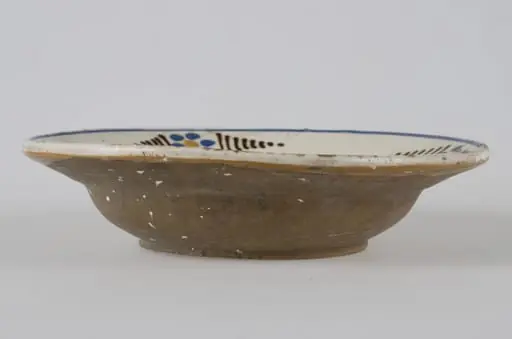 Vas adânc din lut, de formă tronconică, cu marginea evazată. Pe fundalul de culoare albă este decorat cu motive geometrice: linie circulară, linii curbe, puncte pe buza vasului; motive vegetale și florale, pe centrul vasului. Cromatică: fond: alb; motive: albastru; verde; maro; cărămiziu.
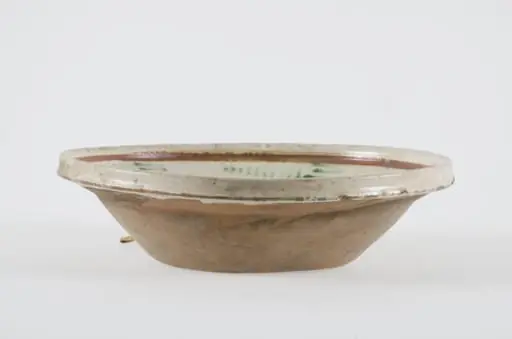 Blid de formă tronconică, adâncit, lucrat la roata rapidă și smălțuit la interior. Smalțul interior este alb iar pe exterior se identifică scurgeri de smalț alb și maroniu. Farfuria este decorată cu motive vegetale și florale stilizate dispuse în zona centrală a vasului dar și într-un registru geometric pe buza interioară a vasului. Cromatică: alb; motive: verde; maro.
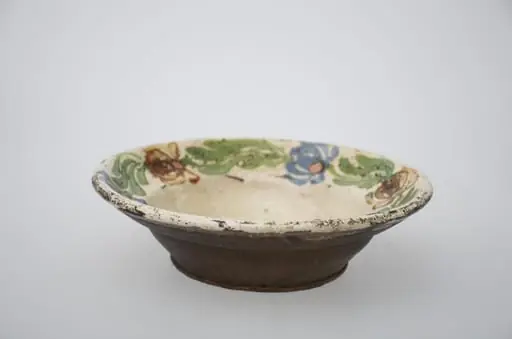 Farfurie de formă tronconică adâncă cu buza largă și decor pe fund, spre margini. Ornamentat cu motive florale. Cromatică: fond: alb; motive: maro; verde; albastru.
 Farfurie de formă tronconică, de dimensiuni mai mici cu pereții ușor curbați și marginea evazată; Smălțuită în interior. Decorat cu motiv avimorf, central un cocoș, iar pe margine două cercuri încadrează un chenar floral. Cromatică: fond: alb; motive: verde; albastru; brun; negru.
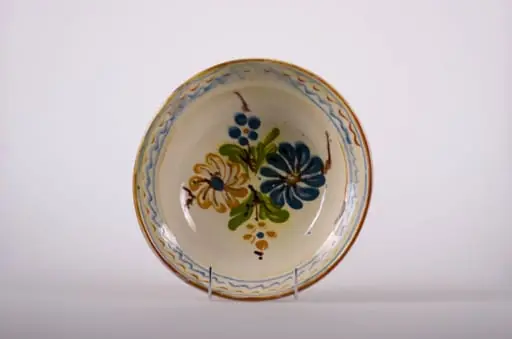 Blid de formă tronconică, adâncit; pe fund are găuri pentru agățare. Este smălțuit în interior și exterior (buza); este decorat cu motive geometrice: linie, linie ondulată; motive fitomorfe: frunze; motive florale. Cromatică: fond: alb; motive: albastru; maro; verde.
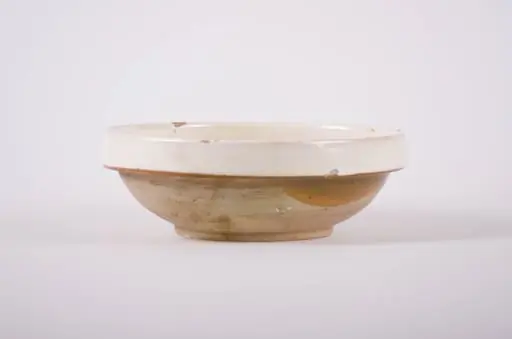 Vas de formă circulară, adâncit, cu gura foarte înaltă; pe fund are găuri pentru agățare. Este smălțuit la interior și exterior (buza). Este decorat cu motive geometrice: linie, linie ondulată; motive fitomorfe: frunze; motive florale. Cromatică: fond: alb; motive: maro; verde; albastru.
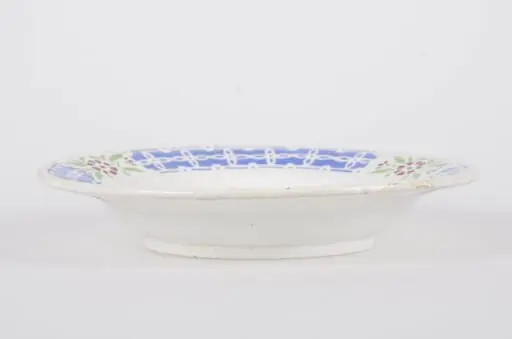 Formă circulară adâncită, decorată în centru cu motive fitomorfe și avimorfe (copaci, cocoș și trei păsărele), iar pe margine trei flori stilizate despărțite de registre cu flori stilizate albastre încadrate de două linii întrerupte cu puncte. Pe fund sunt prezente cercuri concentrice cu ștanță. Cromatică: fond alb; albastru; verde; galben; vișiniu; negru.
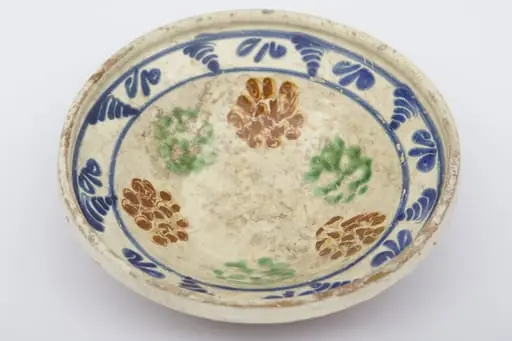 Vas ceramic de dimensiuni medii, smălțuit la interior, având formă tronconică. Blidul a fost decorat cu motive geometrizante și fitomorfe stilizate. Primul registru, dispus pe fundul piesei este format din șase flori verzi și maro, intercalate. Marginal, pe buza profilată a fost realizat cel de-al doilea registru, fiind trasate două linii circulare, care încadrează motive vegetale albastre, succesive. Blidul era folosit pentru servirea hranei. Prezintă uzură funcțională. Cromatică: fond: cărămiziu; crem; motive: albastru; maro; verde.
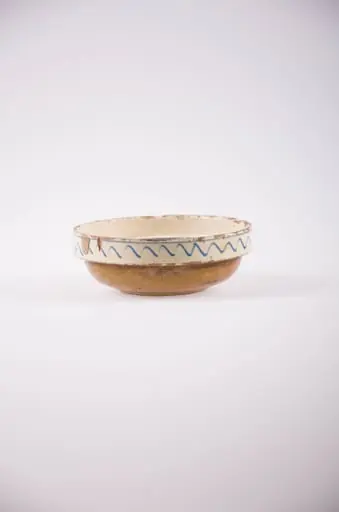 Vas de formă tronconică cu fundul ușor profilat, buza dreaptă și evazată. Smălțuit în interior și în exterior. Motiv ornamental central este floral. În exteriorul buzei avem motiv geometric în formă de val. Cromatică: fond: alb; motive: alb; verde; albastru; maro.
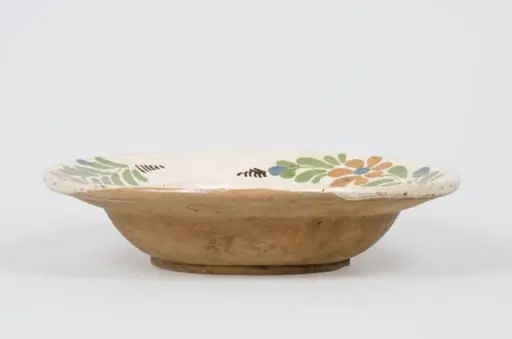 Vas de formă tronconică, adâncit smălțuit în interior. Acesta este decorat pe margine cu motive vegetale și florale pe un registru dispus în zona diametrului maxim. Cromatică: fond cărămiziu (exterior); fond alb (interior); verde; maro; albastru.
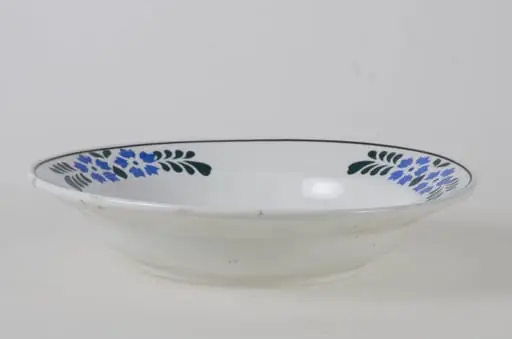 Vasul are formă tronconică smălțuit la interior și pe exterior (smalț de culoare albă). Prezintă motive decorative floral/vegetal și geometrice dispuse pe fundul vasului dar și într-un registru decorativ dispus pe buza vasului. De asemenea se identifică și motive decorative geometrice: pătratul, cercul, linia. Cromatică: fundal alb; verde; grena; albastru.