Artwork
Haghia Sophia [Aya Sofia] with the first gate of the Seraglio, Constantinople
![Haghia Sophia [Aya Sofia] with the first gate of the Seraglio, Constantinople, by Unknown, watercolor, 1760](https://artifactworldgallery.com/img/unknown--haghia-sophia-aya-sofia-with-the-first-gate-of-the-seraglio--346691ca3173c818-w1024.webp)
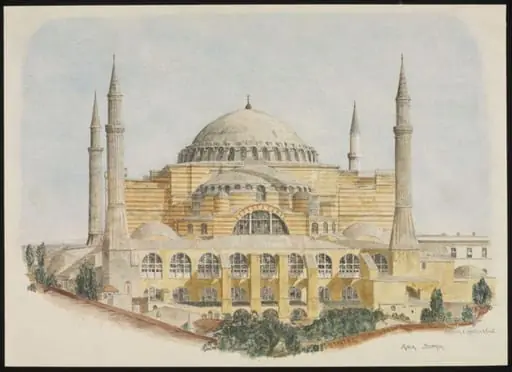
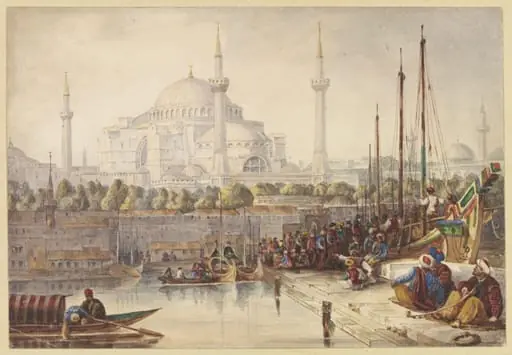
Haghia Sophia [Aya Sofia] with the first gate of the Seraglio, Constantinople is a watercolor work on paper by the Rococo painting artist Unknown. It dates from 1760 and is held in the collection of the Victoria and Albert Museum. The watercolor, dated 1760, portrays the Hagia Sophia together with the first gate of the Ottoman palace complex in Constantinople.
About this work
Overview
The scene is set beneath a sky of light blue and white clouds, with figures on foot and horseback moving in the foreground, and a few animals scattered about.
The watercolor, dated 1760, portrays the Hagia Sophia together with the first gate of the Ottoman palace complex in Constantinople. The scene is set beneath a sky of light blue and white clouds, with figures on foot and horseback moving in the foreground, and a few animals scattered about. The dominant architectural forms include the great dome of the basilica and two adjacent towers, rendered in muted tones that give the composition a subdued atmosphere.
Subject & Meaning
The work juxtaposes two iconic structures of the city: the Christian basilica of Hagia Sophia and the entrance to the Ottoman Seraglio, suggesting an interest in the coexistence of religious and imperial power. The presence of everyday activity—travelers, merchants, and livestock—adds a narrative layer, indicating the painting’s aim to document the bustling urban environment rather than present a purely idealized view.
Technique & Style
Executed in watercolor, the artist employs delicate washes to model the dome’s illumination and the cloudscape, while finer brushwork delineates architectural details such as arched windows and the gate’s ornamentation. The palette is restrained, favoring soft blues, grays, and earth tones, a characteristic approach of early watercolor practice that emphasizes observation over dramatic coloration.
History & Provenance
Although the piece bears stylistic resemblances to the output of the Italian painter Giovanni Battista Borra, the lack of preparatory drawings and several architectural inaccuracies raise doubts about a direct attribution to him or his workshop. The watercolor entered the market in the early 1970s, being sold at auction by Phillips, Son & Neale in August 1972 for £85.
Artist & collection

 Domestic Scene
 Giacomo and Cardinal Marco, investing Andrea, Abbot of San Zeno, with his Benefice
 The Nymph of Fontainebleau
 Portrait of a Woman
 Madonna and Child with Saints in the Enclosed Garden
 Venus and Minerva
 Family Group of Four on Sofa
 Wall painting from Room H of the Villa of P. Fannius Synistor at Boscoreale
![Constantinople from Pera, looking across the Golden Horn to Seraglio Point, by Michel-François Préaulx [Préaux]](https://artifactworldgallery.com/img/michel-francois-preaulx-preaux--constantinople-from-pera-looking-across-the-golden-horn-to-s--cb81cecd6955bf28-w320.webp) Constantinople from Pera, looking across the Golden Horn to Seraglio Point
Constantinople from Pera, looking across the Golden Horn to Seraglio Point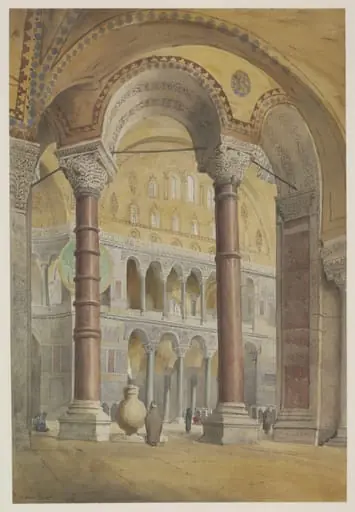 Interior of Santa Sophia, Constantinople
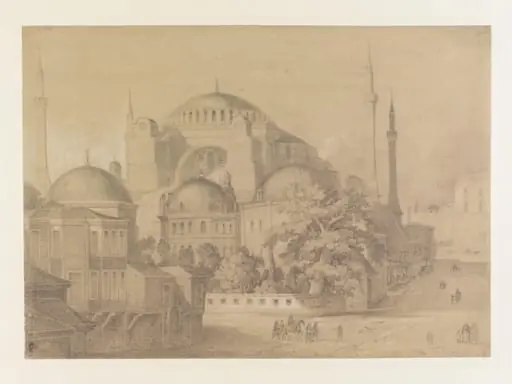 Vue des Turbé, ou Tombes Impériales
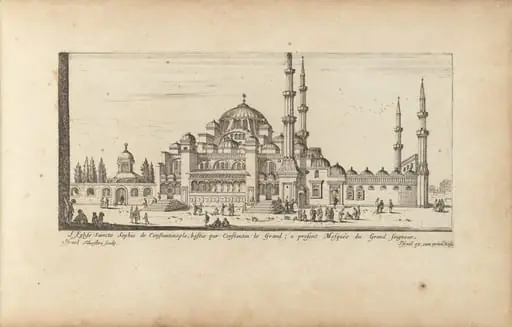 L'Eglise Saincte Sophie de Constantinople, bastie par Constantin le Grand; a present Mosquée du Grand seigneur
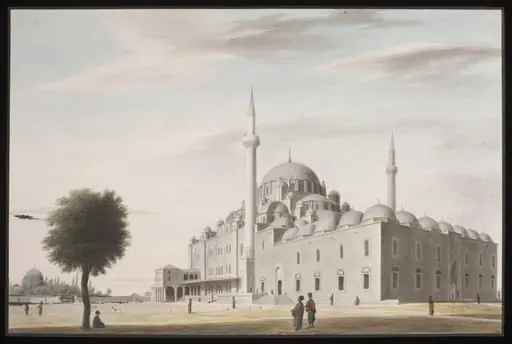 View of the Fatih Mehmet Camii
 untitled
 St.Sophia, from the Bosphorus