Artwork
Karl I. Ludwig von der Pfalz
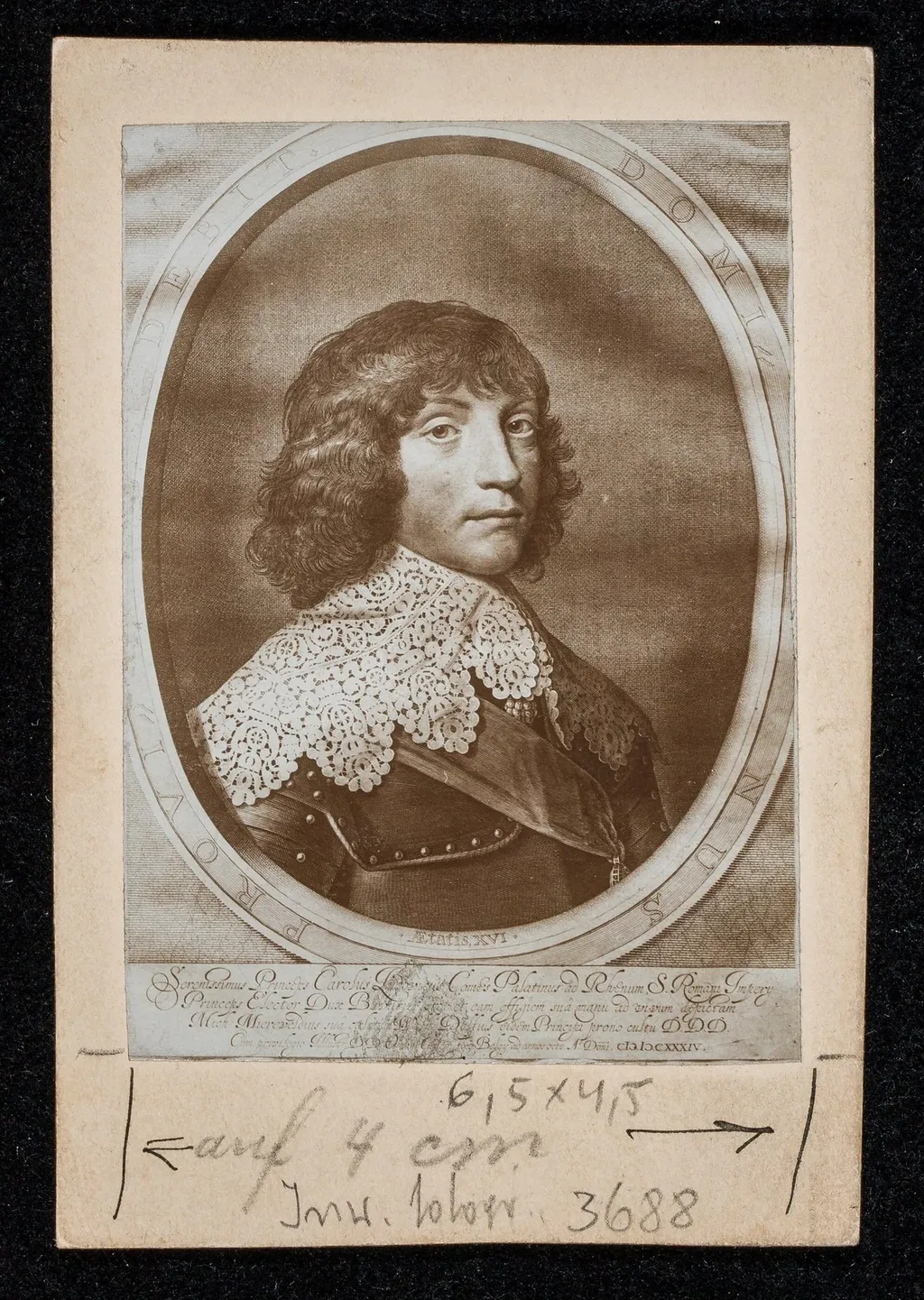
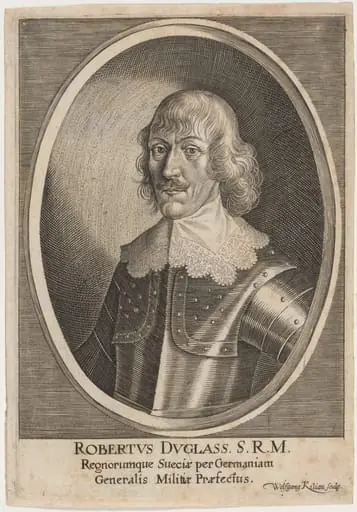
Karl I. Ludwig von der Pfalz is a print by Unknown. It dates from 1944 and is held in the collection of the Library of the Wroclaw University. This is a printed portrait of Karl I.
About this work
Overview
Its purpose was likely to disseminate the likeness of a prominent nobleman across Europe, where such images served both commemorative and political functions.
This is a printed portrait of Karl I. Ludwig von der Pfalz, created using a detailed engraving or etching technique. Though the artist remains unidentified and the exact date is unknown, the work reflects the precision typical of 17th-century reproductive prints. Its purpose was likely to disseminate the likeness of a prominent nobleman across Europe, where such images served both commemorative and political functions.
Subject & Meaning
The subject is Karl I. Ludwig, Elector Palatine, depicted with a composed, authoritative demeanor. His formal attire and direct gaze convey status and gravitas, consistent with portraiture intended to reinforce political legitimacy. The absence of overt symbols of power suggests a focus on personal presence rather than heraldic display, aligning with emerging trends in early modern elite representation.
Technique & Style
The print exhibits fine linear detail in the rendering of fabric folds and facial contours, indicating a skilled hand in engraving or etching. While sfumato is a painterly technique involving soft transitions, its visual effect may be approximated here through delicate hatching and shading to suggest volume and texture, adapting oil painting conventions to the constraints of printmaking.
History & Provenance
The print’s origin is undocumented, but its style and subject place it within the network of German and Dutch printmakers active in the mid-17th century. It likely circulated among aristocratic circles or scholarly communities as a means of visual propaganda or personal commemoration. No known original painting or early ownership records have been identified to date.
Context
During Karl I. Ludwig’s lifetime, printed portraits were vital tools for projecting authority beyond courtly spaces. With the rise of print culture, images of rulers and nobles became accessible to a broader audience. This work reflects the intersection of political identity and emerging media, where visual reproduction played a key role in shaping public perception of leadership.
Legacy
Though unsigned and undated, the print survives as an example of how elite imagery was standardized and distributed in the early modern period. It contributes to the study of print circulation and the visual culture of the Palatinate court. Its anonymity underscores the collaborative nature of print production, where the artist’s identity often mattered less than the subject’s recognition.
Artist & collection
 Domestic Scene
 Giacomo and Cardinal Marco, investing Andrea, Abbot of San Zeno, with his Benefice
 The Nymph of Fontainebleau
 Portrait of a Woman
 Madonna and Child with Saints in the Enclosed Garden
 Venus and Minerva
 Family Group of Four on Sofa
 Wall painting from Room H of the Villa of P. Fannius Synistor at Boscoreale
 Charles II as Prince of Wales
 James Harrington, Esq.
 Charles II as a Child
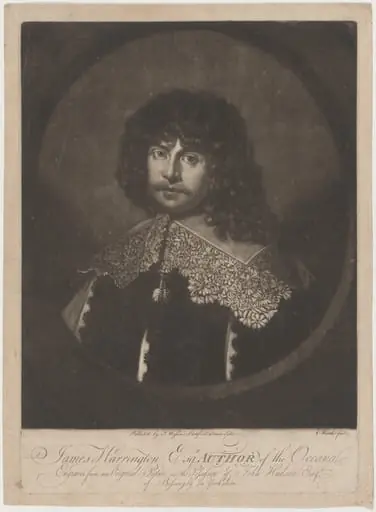 James Harrington, Esq.
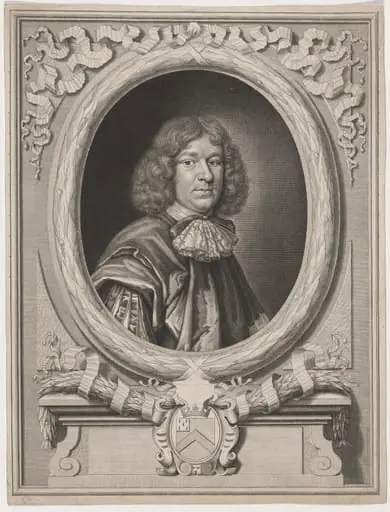 Robert Stafford of Bradfield, Berks
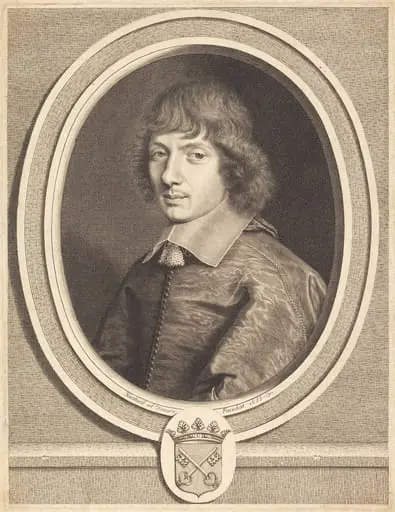 Francois de Clermont Tonnerre
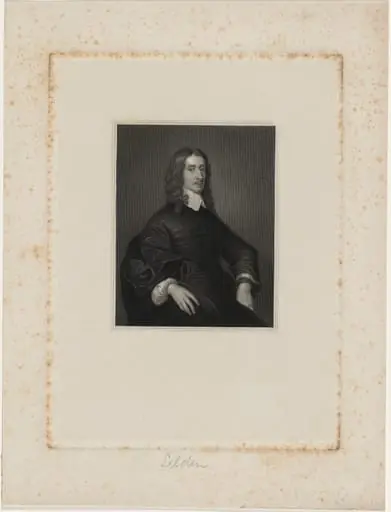 John Selden, Jurist and Antiquary
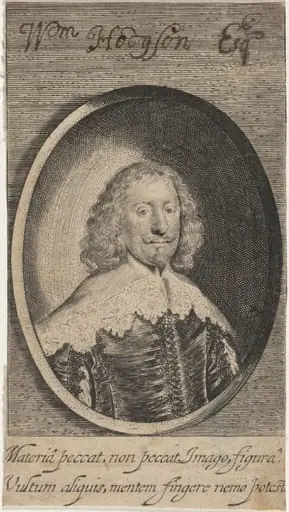 William Hodson
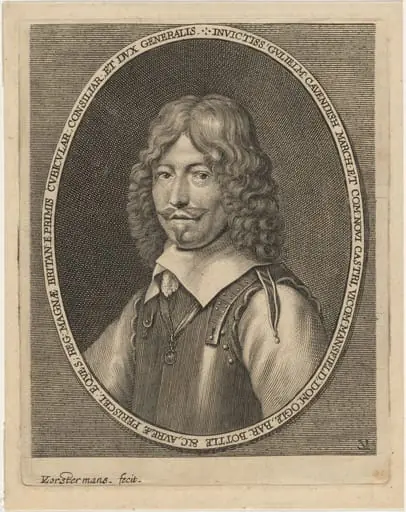 William, First Duke of Newcastle
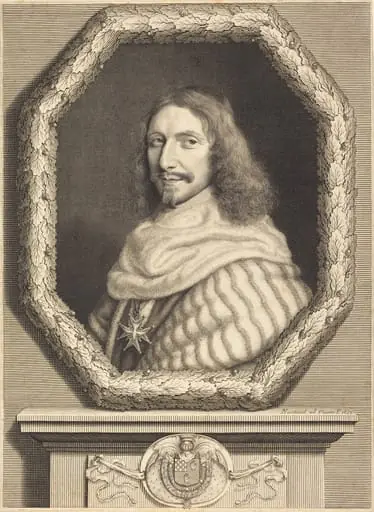 Nicholas Potier de Novion
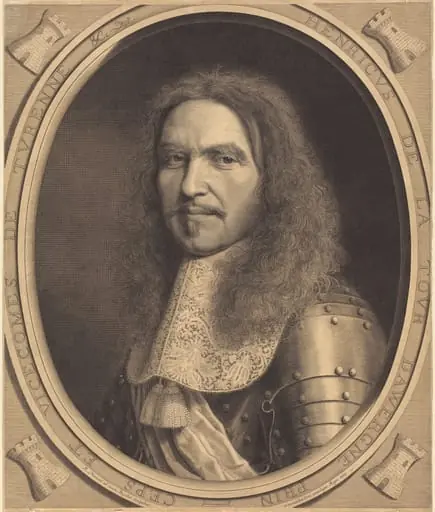 Marechal de Turenne
 Robert Duglass, Swedish General