Artwork
William Hodson
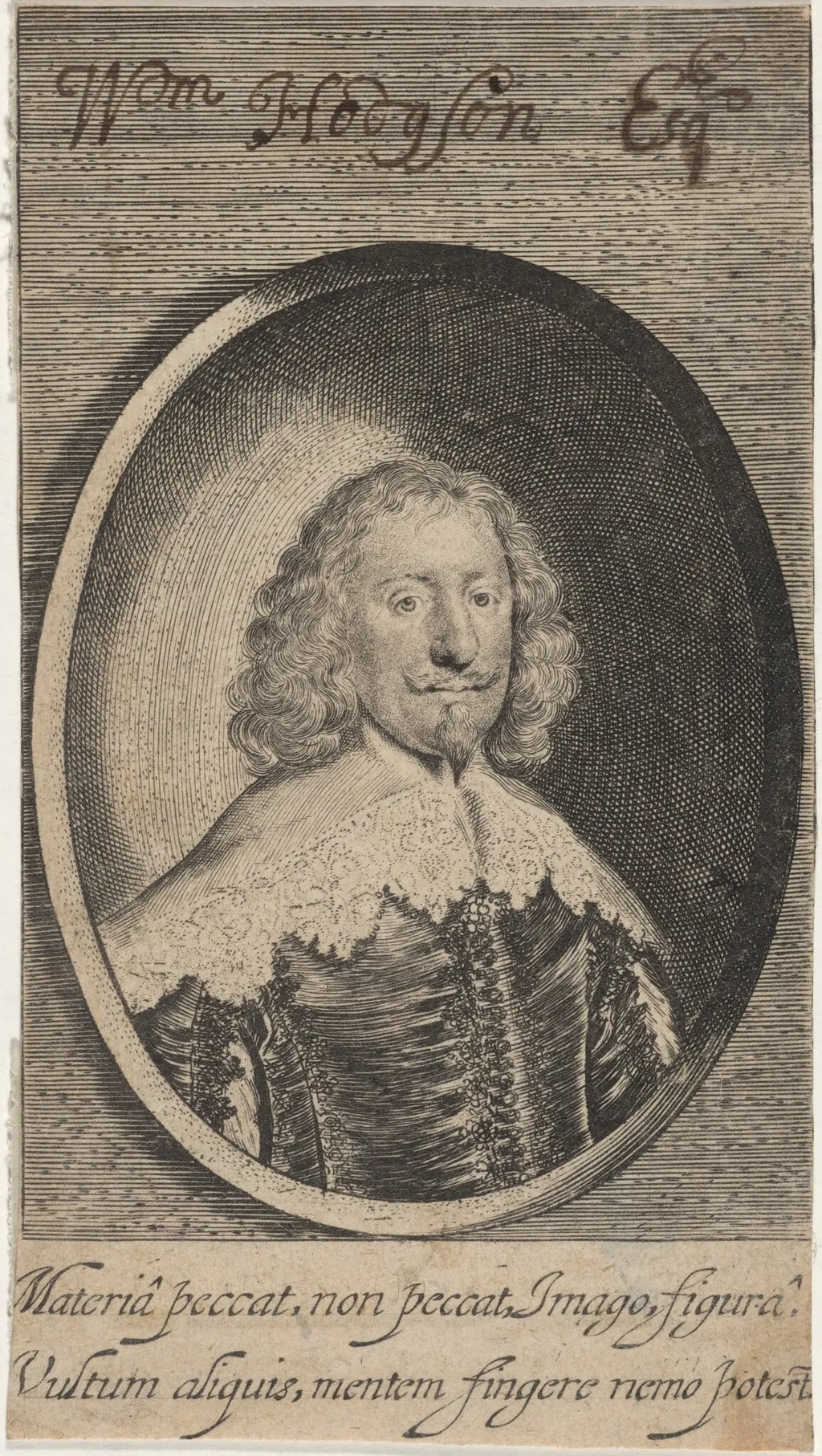
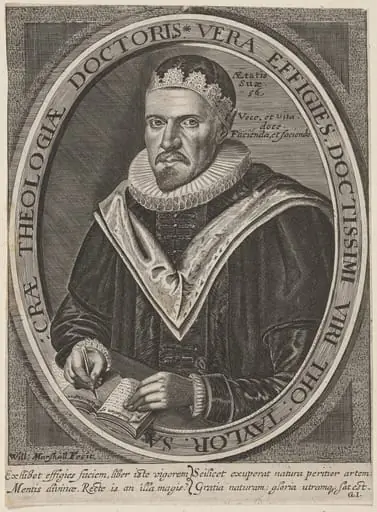
William Hodson is an ink print by the Baroque artist William Marshall. It dates from 1636 and is held in the collection of the National Gallery of Art.
About this work
Overview
William Hodson, an engraving produced in 1636 by the English printmaker William Marshall, presents a half-length portrait of a gentleman. Rendered in fine line work, the image shows the sitter against a dark backdrop, highlighted by a lighter oval halo that frames his head.
Subject & Meaning
The figure is depicted with shoulder‑length, curled hair and a neatly trimmed mustache, wearing a lace‑edged collar and a buttoned jacket with a high, stiffened ruff. His gaze meets the viewer directly, and his composed, neutral expression suggests a formal representation typical of early‑seventeenth‑century portraiture.
Technique & Style
Marshall employs intricate cross‑hatching and delicate line modulation to achieve subtle tonal variations, especially in the rendering of facial features and fabric texture. The composition, with its dark field and illuminated oval behind the head, reflects the Baroque emphasis on chiaroscuro and dramatic focus on the individual.
History & Provenance
Created in 1636, the print belongs to a period when English engravers were increasingly adopting continental Baroque aesthetics. While specific ownership records are scarce, the work is catalogued among Marshall’s known outputs and has been referenced in collections of early modern British prints.
Context
The engraving aligns with contemporary portrait practices that sought to convey status and personal identity through detailed attire and direct eye contact. Its stylistic affinities can be seen alongside the works of other Baroque portraitists, though Marshall’s medium remains print rather than oil.
Artist & collection

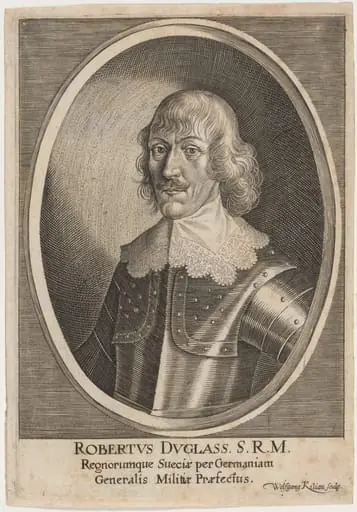 Robert Duglass, Swedish General
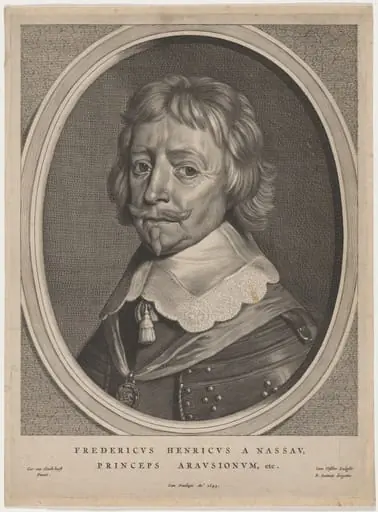 Frederick Henry of Orange
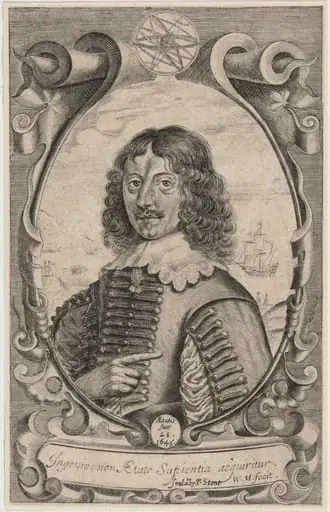 John Thompson
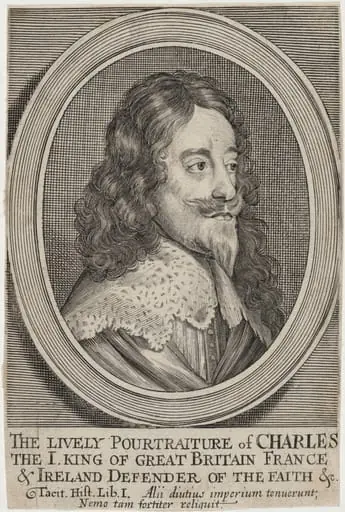 Charles I
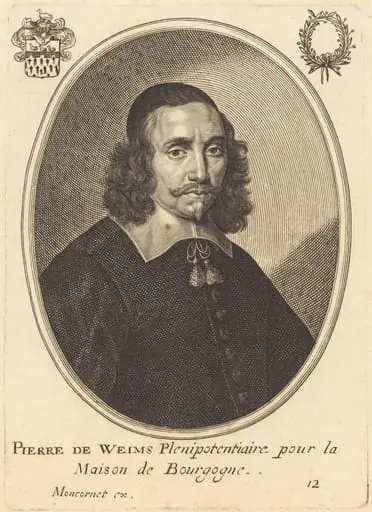 Pierre de Weims
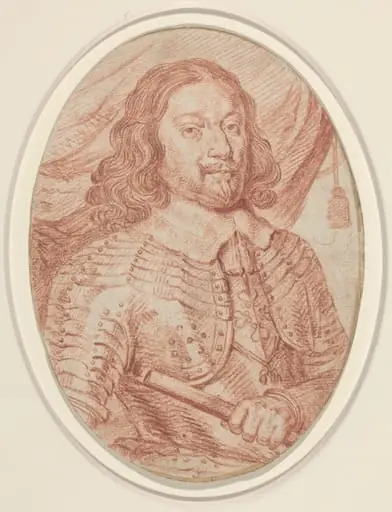 Portrait of a French General
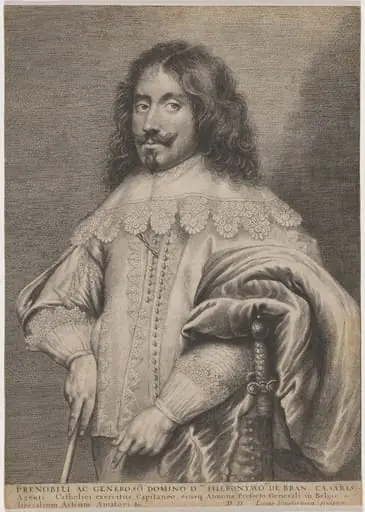 Hieronymus de Bran
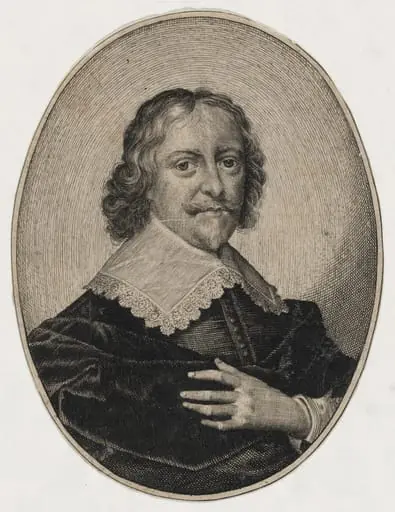 Portrait of a Man with a Broad Collar
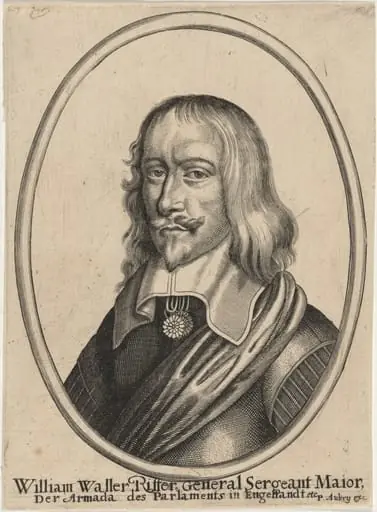 Sir William Waller, Parliamentary General
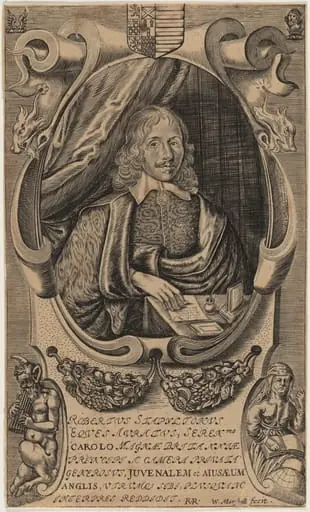 Sir Robert Stapylton, dramatic poet and translator
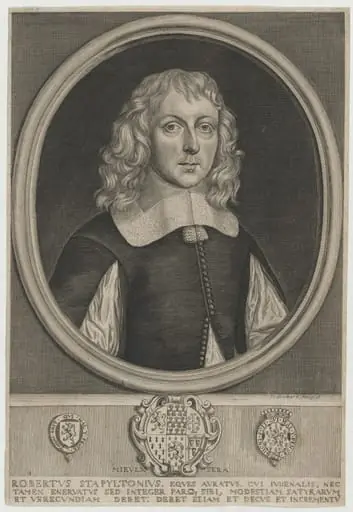 Sir Robert Stapylton, Dramatic Poet and Translator