Artwork
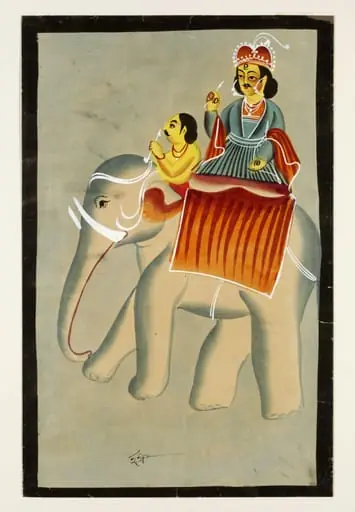
Mahant of Tarakeshwar Rides on an Elephant
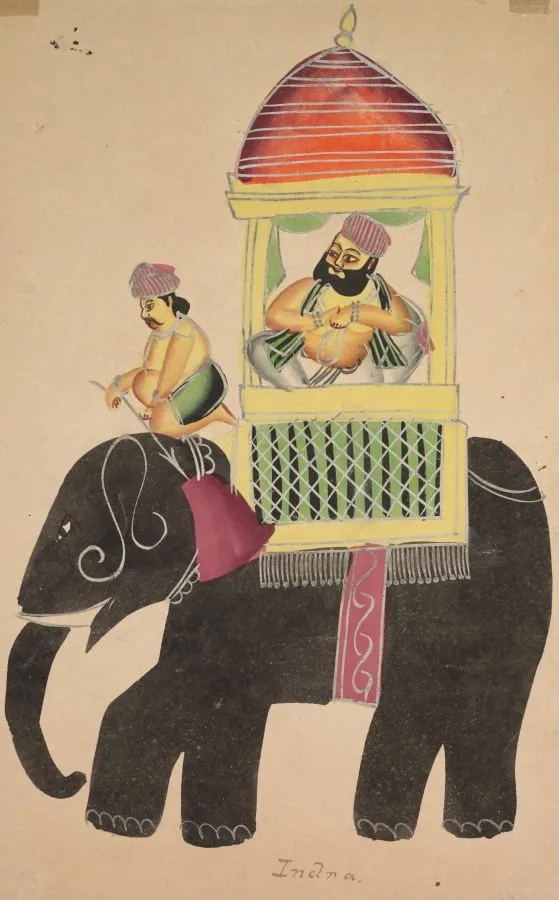
Mahant of Tarakeshwar Rides on an Elephant is an unspecified painting by the Patna School of Painting artist Unknown. It dates from 1890 and is held in the collection of the Cleveland Museum of Art.
About this work
This painting comes from Kalighat, a neighborhood in Kolkata where artists made cheap, colorful images for everyday buyers.
A man in a white robe sits on a decorated elephant, holding a parasol. The elephant’s trunk curls up, and the scene is framed by a simple red border.
This painting comes from Kalighat, a neighborhood in Kolkata where artists made cheap, colorful images for everyday buyers. It shows the Mahant, a powerful temple priest linked to a real scandal in 1873—when a priest’s affair led to a murder. The bold lines and flat colors were meant to grab attention fast.
Look up more under the subject kalighat.
Overview
This painting, 'Mahant of Tarakeshwar Rides on an Elephant', is a Kalighat image depicting a powerful temple priest on an elephant. It relates to a scandalous event in 1873 involving an affair and a murder.
Subject & Meaning
The image shows the Mahant, or head priest, associated with the Tarakeshwar Shiva temple, astride an elephant, symbolizing his status and wealth. The depiction is linked to the Tarakeshwar murder case, a public scandal in Calcutta.
Technique & Style
The painting features bold lines, flat colors, and a simple red border, characteristic of Kalighat art. The style was designed to capture the viewer's attention quickly.
Context
Kalighat paintings were produced in the Kalighat neighborhood of Kolkata for a general audience. They were known for being affordable and colorful, often addressing contemporary issues and scandals.
History & Provenance
The painting is connected to the Tarakeshwar murder case of 1873, which inspired several Bengali plays and Kalighat images. The event involved an affair between a priest and a young wife, leading to a murder and subsequent trial.
Artist & collection

 Domestic Scene
 Giacomo and Cardinal Marco, investing Andrea, Abbot of San Zeno, with his Benefice
 The Nymph of Fontainebleau
 Portrait of a Woman
 Madonna and Child with Saints in the Enclosed Garden
 Venus and Minerva
 Family Group of Four on Sofa
 Wall painting from Room H of the Villa of P. Fannius Synistor at Boscoreale
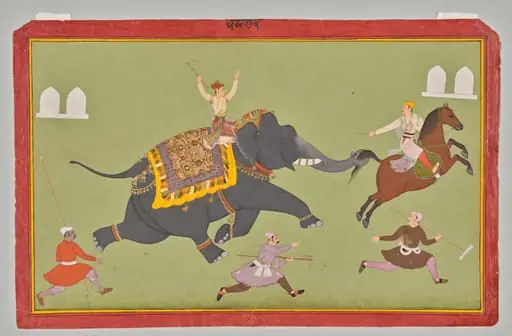 The Elephant of Maharana Jai Singh of Mewar (r. 1680–98) Catches a Horse by the Tail
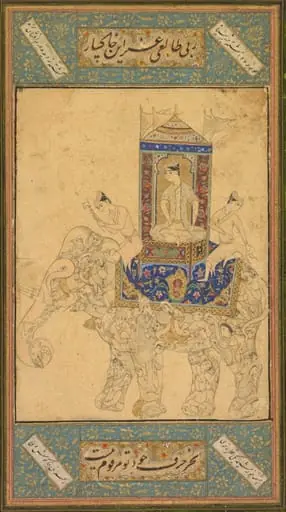 A prince riding a composite elephant
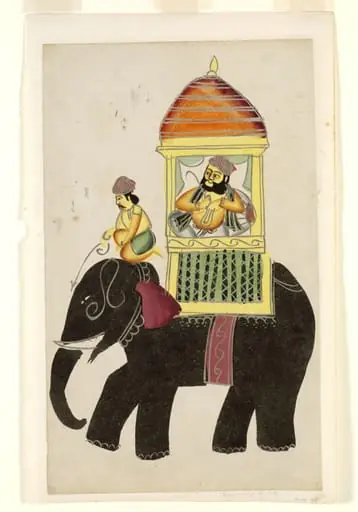 Madhavchandra Giri
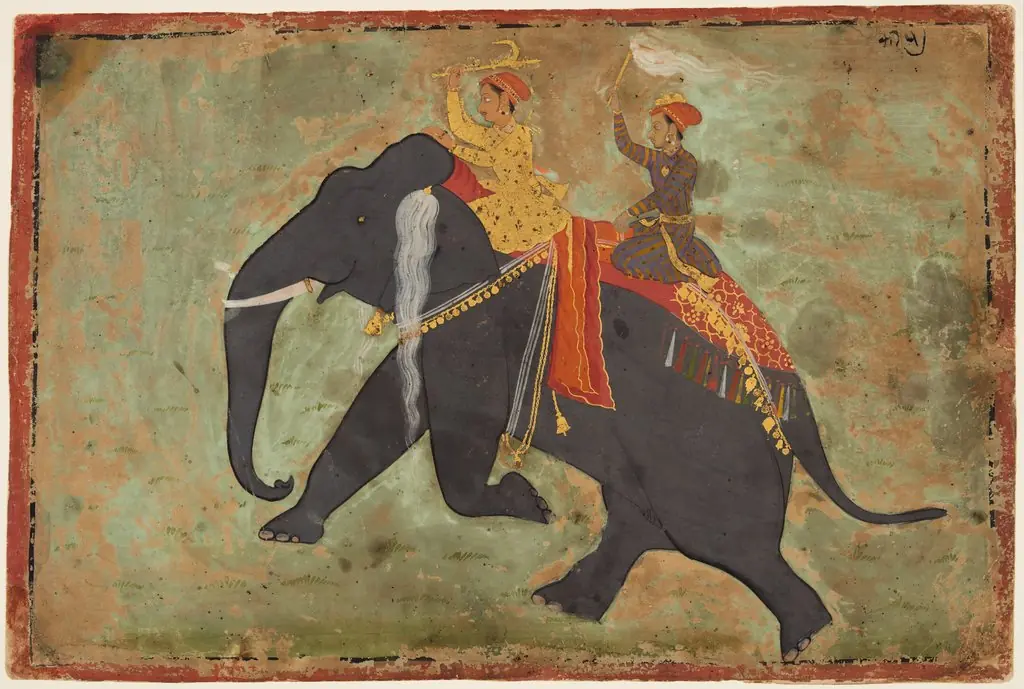 Prince Amar Singh (1672–1710) Drives His Own Elephant
 Prince Amar Singh (1672–1710) Drives His Own Elephant
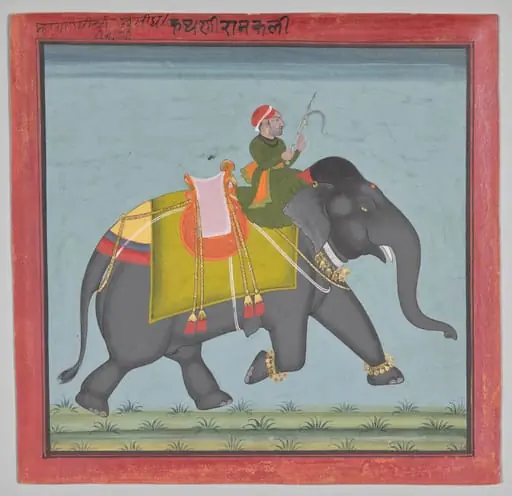 Royal Elephant Ramkali with a Mahout
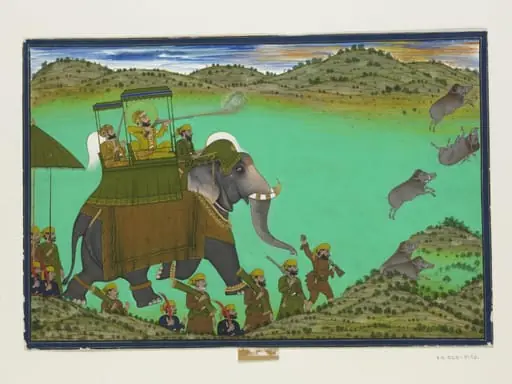 Maharana Sarup Singh of Udaipur
 Indra
Indra Untitled