Artwork
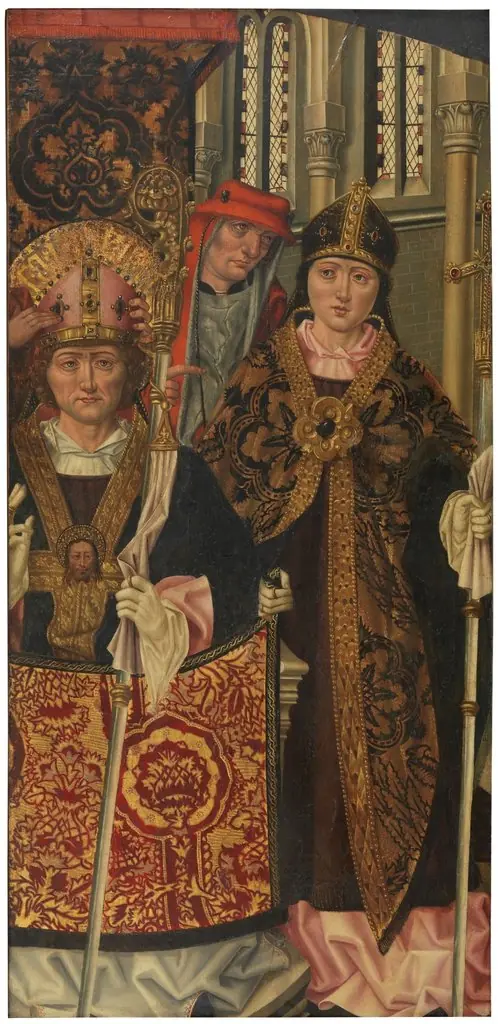
Matka Boska z Dzieciątkiem i świętymi biskupami - Mikołajem i Stanisławem. Korpus retabulum ołtarza głównego w Bejscach
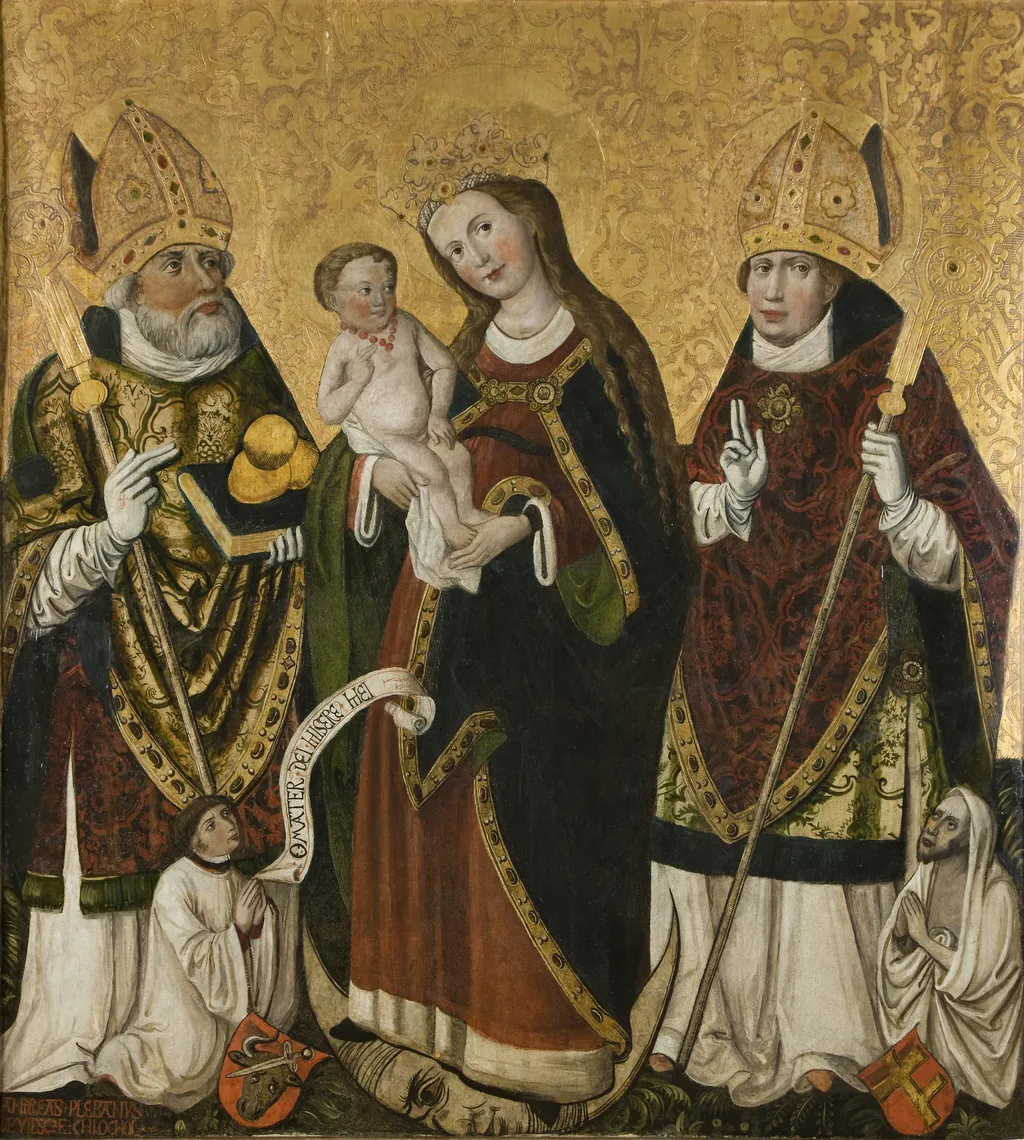
Matka Boska z Dzieciątkiem i świętymi biskupami - Mikołajem i Stanisławem. Korpus retabulum ołtarza głównego w Bejscach is an unspecified painting by Unknown. It dates from 1525 and is held in the collection of the National Museum in Kraków. This devotional panel forms part of the main altarpiece in the church of Bejsce, Poland.
About this work
Overview
This devotional panel forms part of the main altarpiece in the church of Bejsce, Poland. It portrays the Virgin Mary with the Christ Child, flanked by two patron saints of Poland: Saint Nicholas and Saint Stanislaus. Executed in tempera and gold leaf on wood, the work reflects late medieval Polish religious painting traditions, emphasizing sacred hierarchy and spiritual contemplation.
Subject & Meaning
Saint Nicholas, bishop of Myra, and Saint Stanislaus, bishop of Kraków, stand as intercessors and symbols of ecclesiastical authority.
The composition centers on Mary as the Queen of Heaven, holding Jesus, who gazes toward her with quiet intimacy. Saint Nicholas, bishop of Myra, and Saint Stanislaus, bishop of Kraków, stand as intercessors and symbols of ecclesiastical authority. Their presence underscores the church’s dual devotion to universal saints and national protectors, reinforcing the spiritual and political identity of medieval Polish Christianity.
Technique & Style
The painting employs tempera on a wooden panel, enhanced with gold leaf for halos and decorative details. Richly patterned vestments, intricate embroidery, and finely rendered facial expressions reflect the influence of Central European Gothic aesthetics. The warm golden background creates a timeless, celestial space, distancing the figures from earthly context and focusing attention on their sacred roles.
History & Provenance
Created in the late 14th or early 15th century, the panel was originally part of the high altar in Bejsce’s parish church. It was later transferred to the National Museum in Kraków for preservation and scholarly study. Its survival through centuries of religious and political change highlights its enduring cultural significance within Polish ecclesiastical heritage.
Context
During the late Middle Ages, Polish churches often commissioned altarpieces featuring the Virgin and local saints to affirm regional piety and clerical authority. The inclusion of Saint Stanislaus, canonized in 1253, reflects the growing cult of native saints as symbols of national unity. This painting aligns with broader trends in Central European religious art that merged Byzantine iconography with Gothic naturalism.
Legacy
The panel remains a key example of early Polish devotional painting, studied for its stylistic synthesis and historical continuity. It contributes to understanding how religious imagery functioned in local worship and communal identity. Though not widely exhibited outside Poland, it holds enduring value within the nation’s artistic and ecclesiastical archives.
Artist & collection

 Domestic Scene
 Giacomo and Cardinal Marco, investing Andrea, Abbot of San Zeno, with his Benefice
 The Nymph of Fontainebleau
 Portrait of a Woman
 Madonna and Child with Saints in the Enclosed Garden
 Venus and Minerva
 Family Group of Four on Sofa
 Wall painting from Room H of the Villa of P. Fannius Synistor at Boscoreale
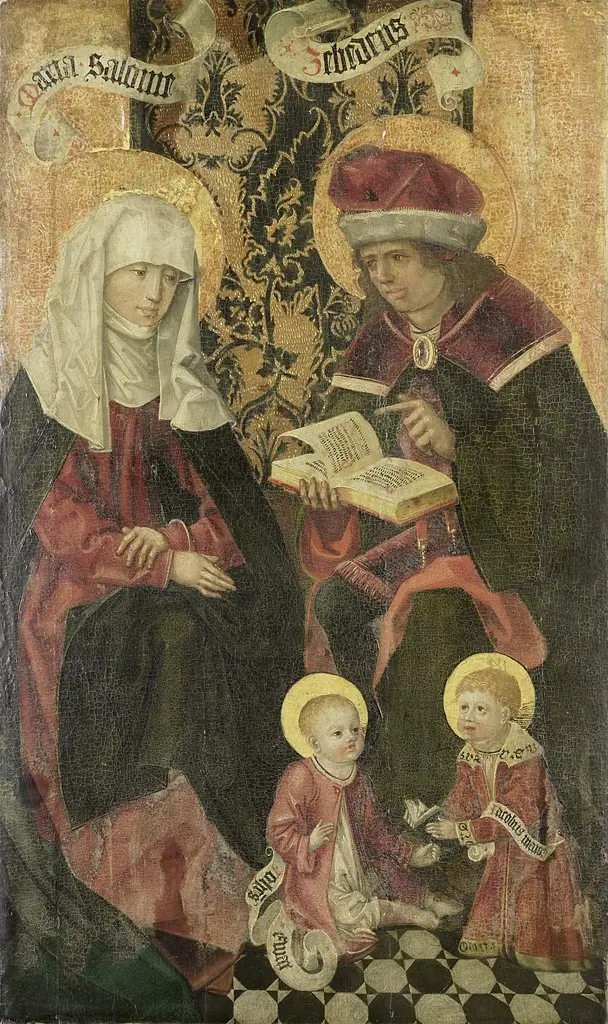 "The Family of Zebedee
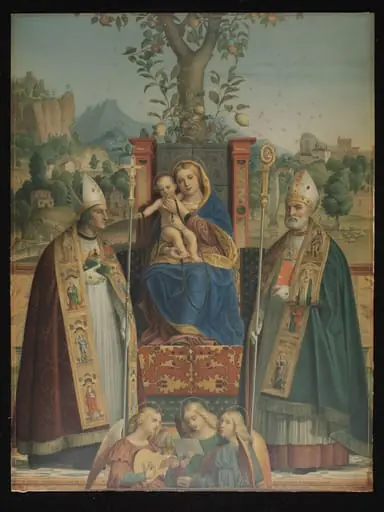 Virgin and Child with Saint Lorenzo Giustiniani and Zeno
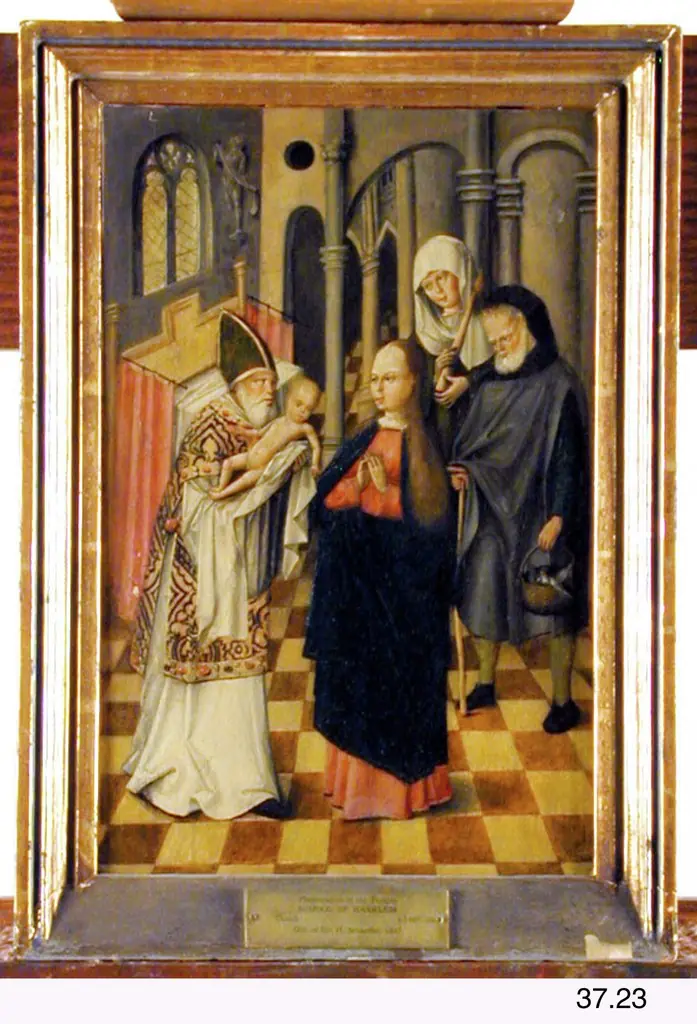 Presentation in the Temple
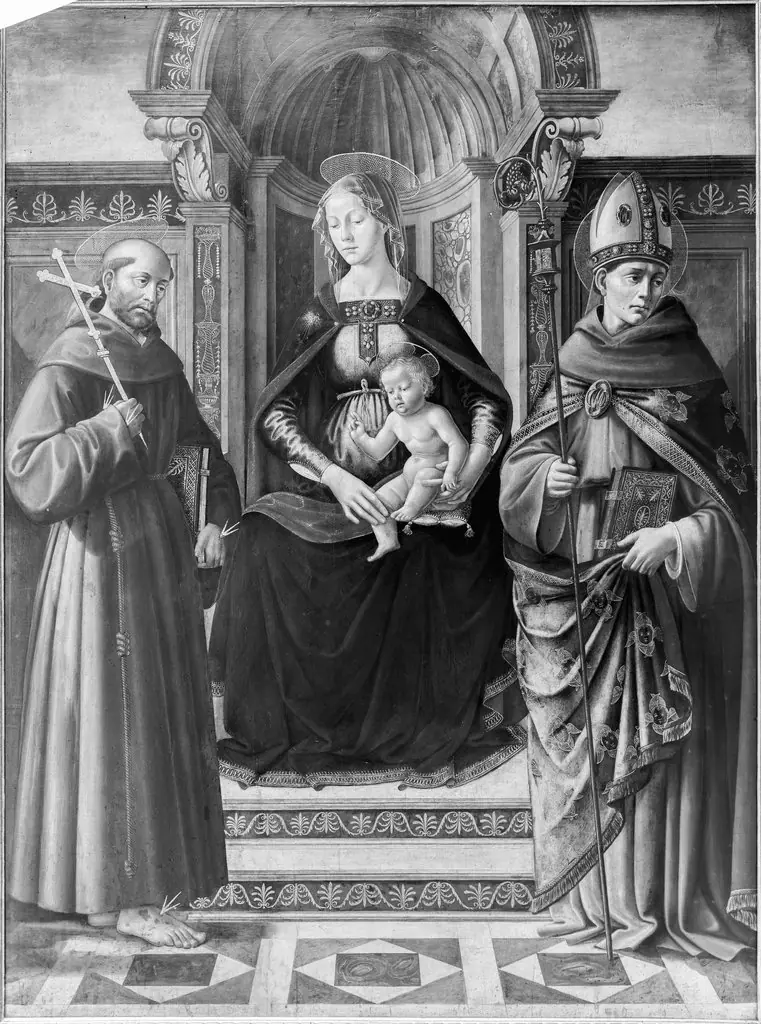 Mary and child enthroned with two saints
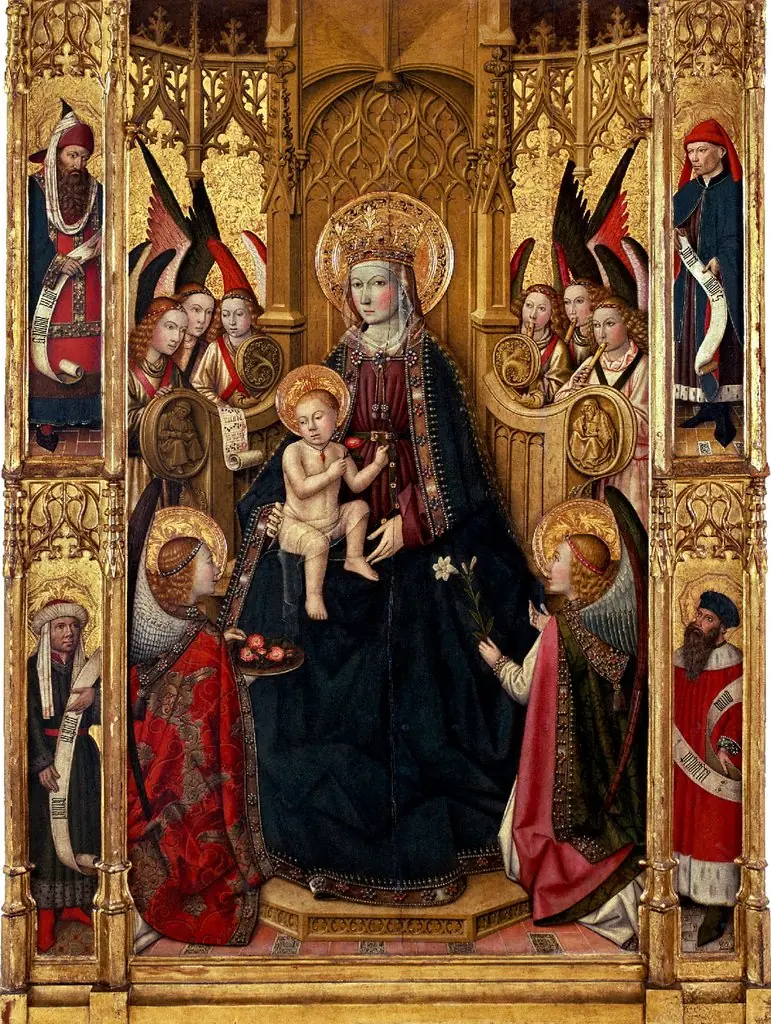 Madonna with child
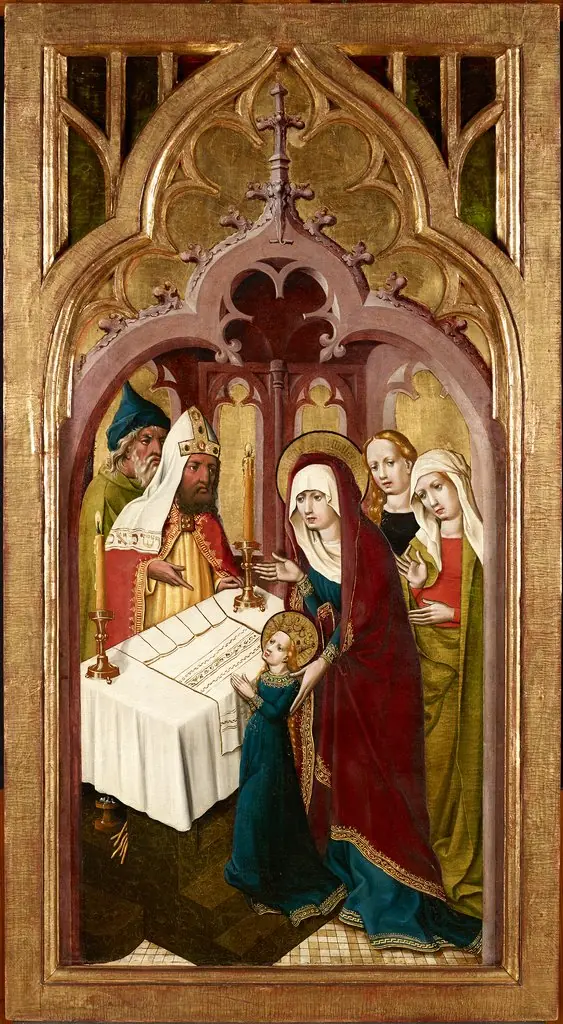 Tempelgang Mariens
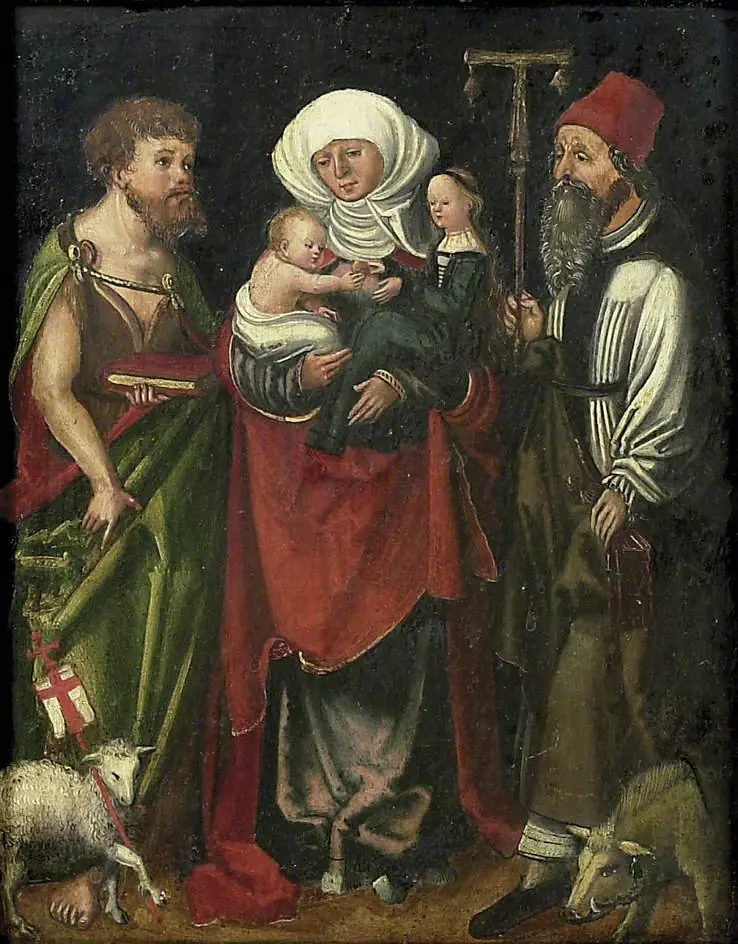 St Anne between St John the Baptist and St Anthony Abbot
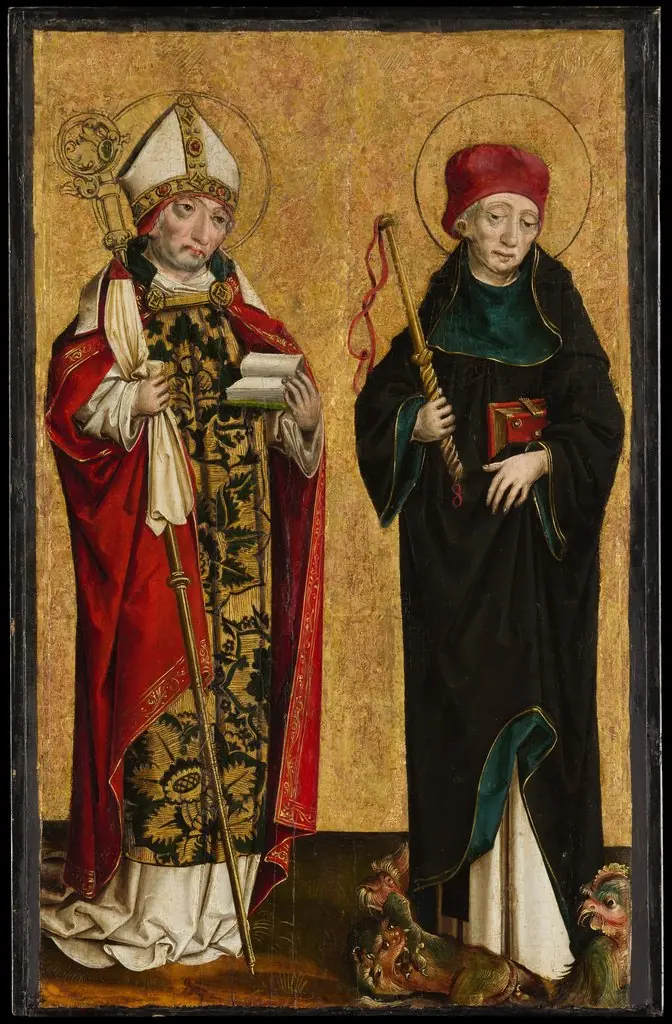 Saint Adalbert and Saint Procopius
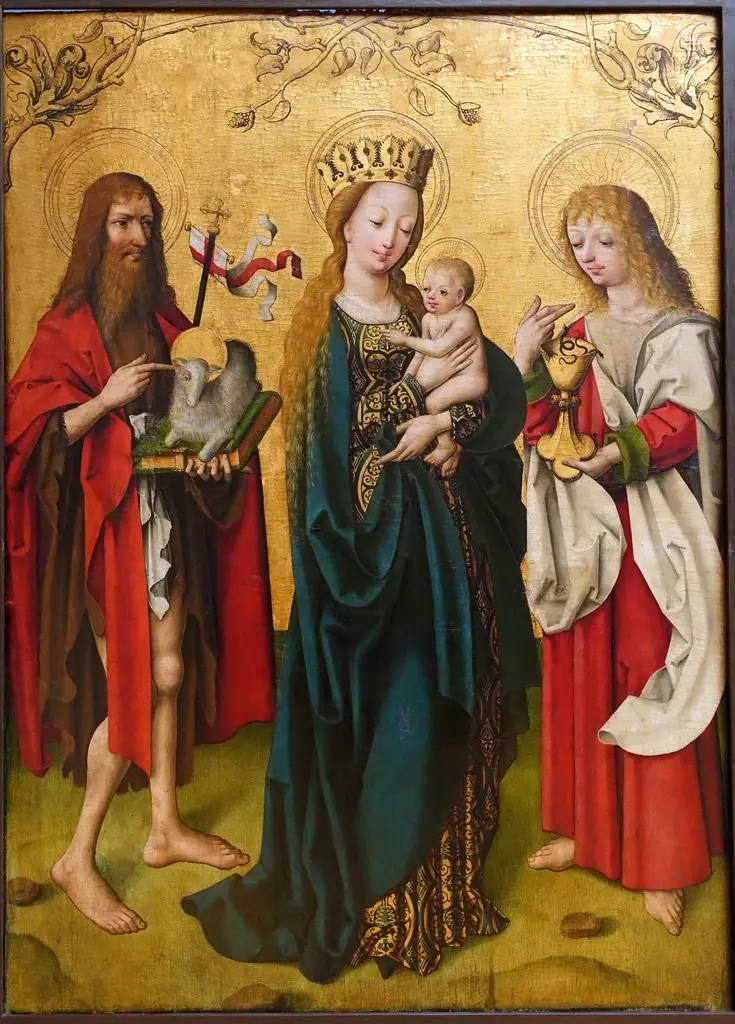 Virgin and Child between Sts. John the Baptist and John the Evangelist
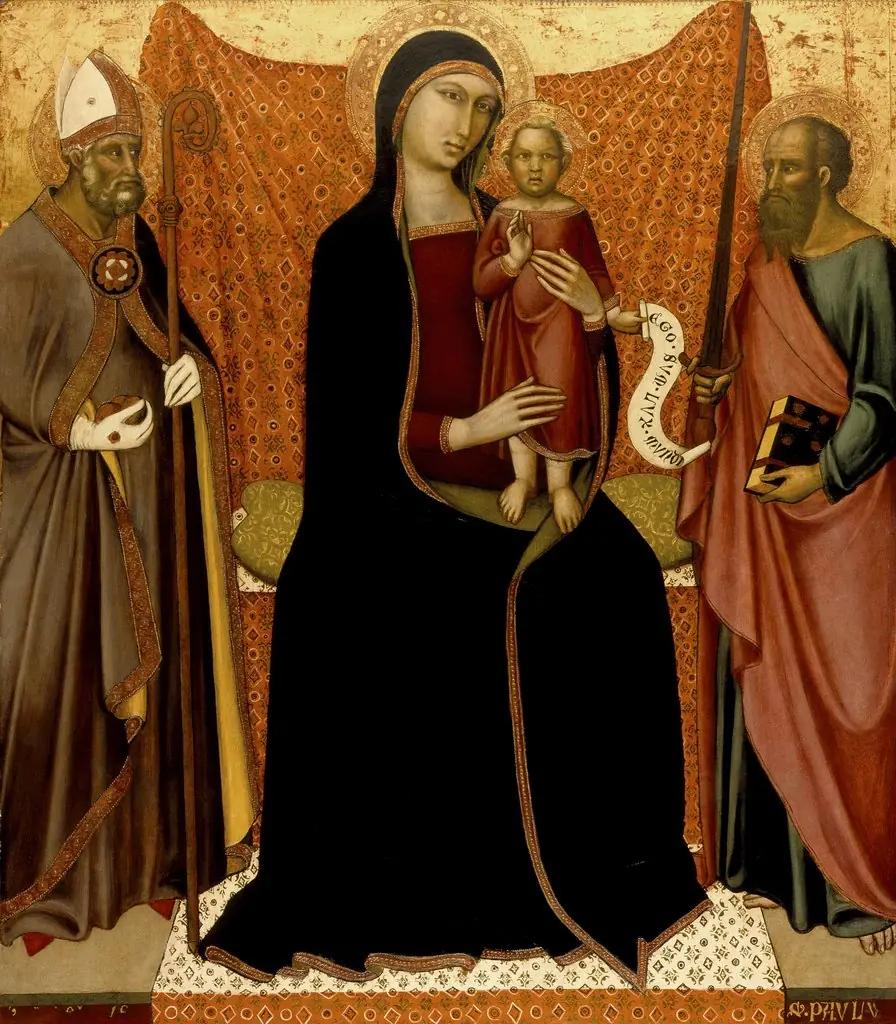 Madonna and Child with Sts. Nicholas and Paul
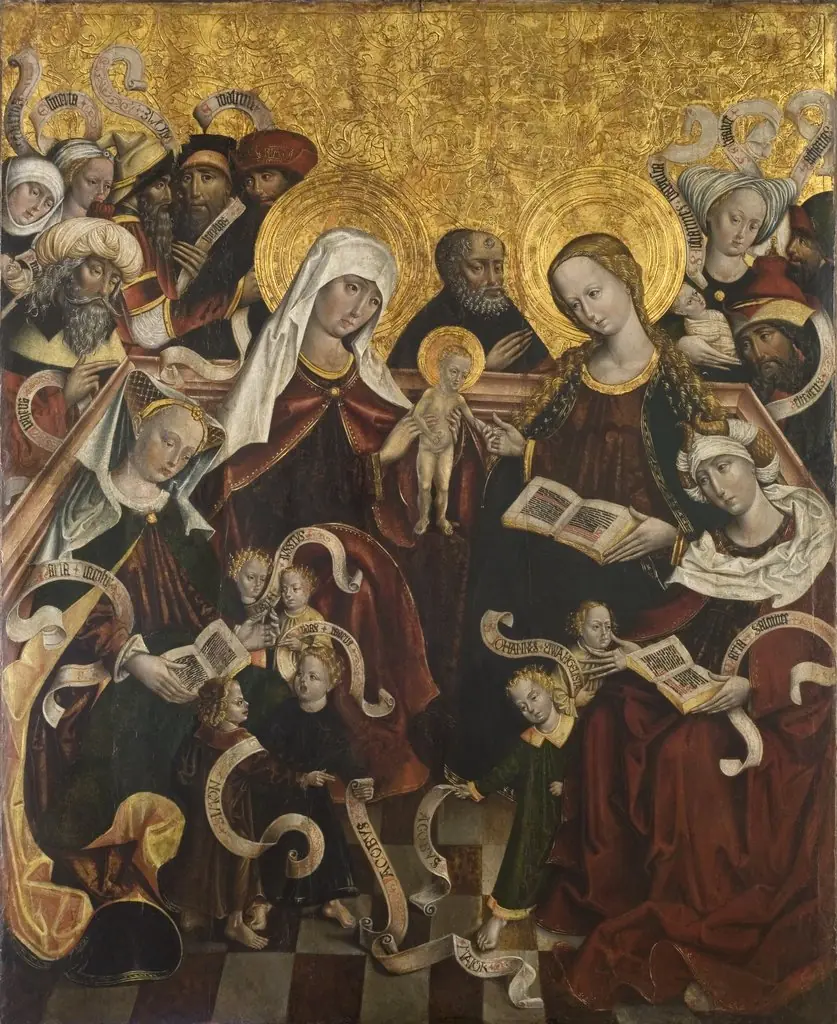 Family of the Virgin Mary, from Ołpiny
 San Agustín de pontifical