Artwork
Mua dan hua
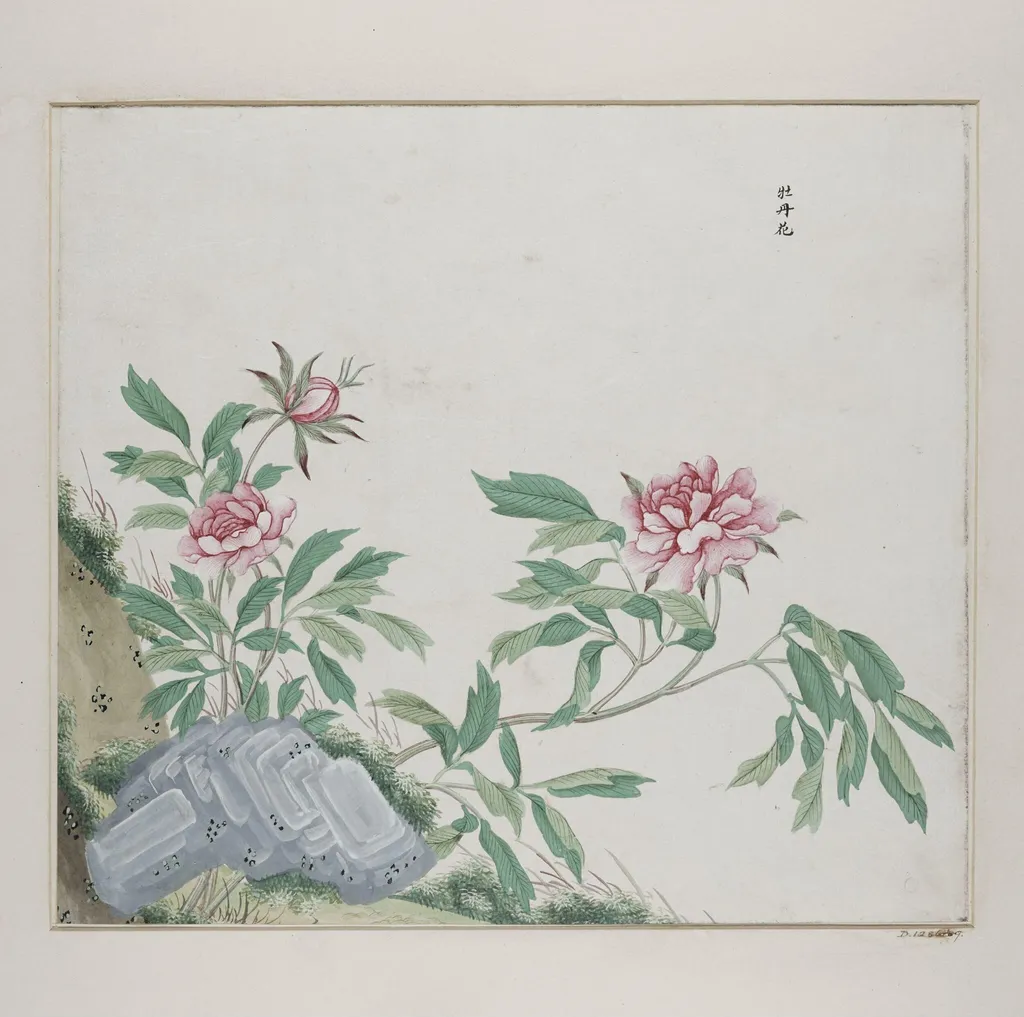
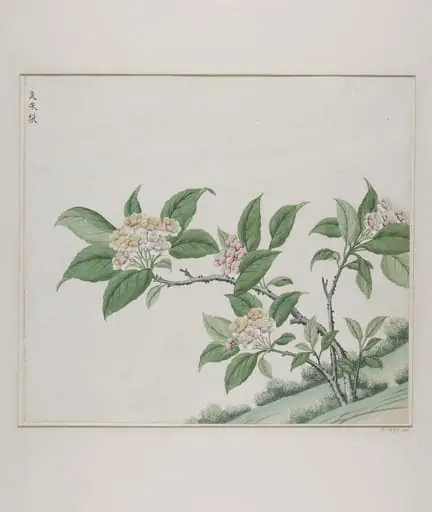
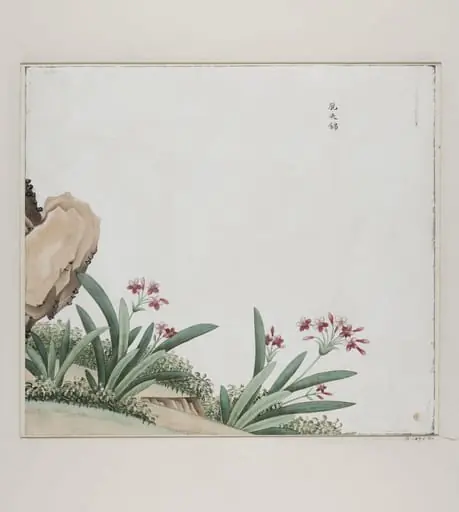
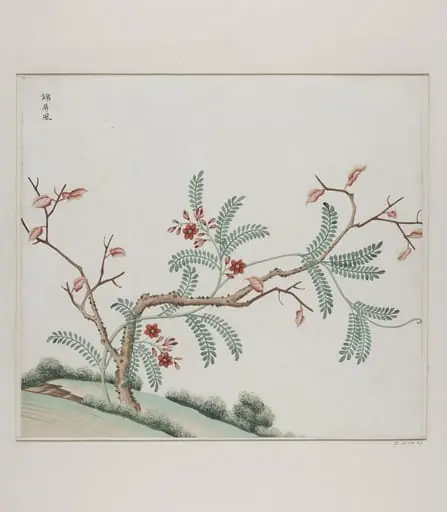
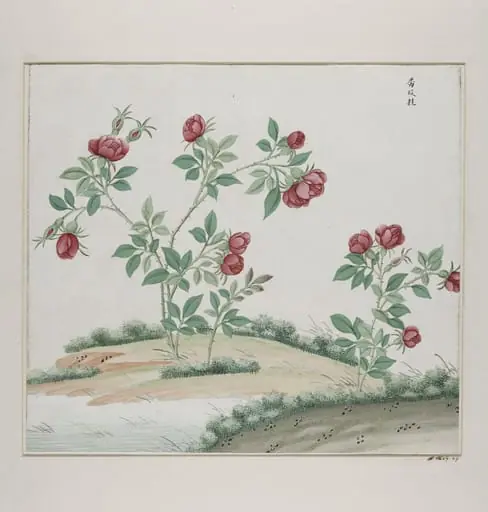
Mua dan hua is a paint painting by the Rococo painting artist Unknown. It dates from 1780 and is held in the collection of the Victoria and Albert Museum. A watercolor painting from approximately 1780 depicts a single branch of peony emerging from a gray rock on the left.
About this work
Overview
A watercolor painting from approximately 1780 depicts a single branch of peony emerging from a gray rock on the left.
A watercolor painting from approximately 1780 depicts a single branch of peony emerging from a gray rock on the left. Rendered in soft, muted tones, the work emphasizes delicate linework and subtle gradations of color. The background is lightly washed, allowing the plant form to stand out with quiet clarity. Inscriptions in Chinese characters appear in the upper right, typical of scholarly painting traditions.
Subject & Meaning
The subject is *mu dan hua*, or peony, a flower long associated in Chinese culture with prosperity, honor, and feminine beauty. Its layered petals and robust growth from rocky terrain suggest resilience and natural grace. The inclusion of calligraphy implies the artist’s literary sensibility, aligning the image with the tradition of literati painting, where flora conveys moral or poetic ideals.
Technique & Style
Executed in watercolor, the painting employs fine brushwork and translucent washes to capture the texture of petals and leaves. Lines are restrained yet precise, avoiding bold outlines in favor of nuanced tonal shifts. The composition is asymmetrical, with the plant anchored to the rock and calligraphy balancing the upper right, reflecting classical Chinese aesthetic principles of harmony and spatial restraint.
History & Provenance
The painting entered the collection in 1889 after acquisition from E. Parsons. Documentation from the Asia Department’s 2022 provenance research confirms this transaction. No earlier ownership records are available, but its style and materials are consistent with late 18th-century Chinese studio practice, likely produced for private collectors or scholarly circles rather than public display.
Context
Created during the Qianlong era, the work reflects the enduring influence of literati painting traditions, where nature served as a vehicle for personal expression. While Western Romanticism emphasized emotion and sublime landscapes, this piece embodies a quieter, contemplative engagement with nature rooted in Confucian and Daoist ideals, valuing restraint and symbolic depth over dramatic effect.
Legacy
As a representative example of Qing dynasty flower-and-bird painting, it contributes to the understanding of how botanical subjects were used to convey cultural values. Its preservation in a Western collection since the late 19th century underscores the cross-cultural circulation of Chinese art, though its original context as a private, scholarly object remains distinct from later Western interpretations of East Asian aesthetics.
Artist & collection

 Domestic Scene
 Giacomo and Cardinal Marco, investing Andrea, Abbot of San Zeno, with his Benefice
 The Nymph of Fontainebleau
 Portrait of a Woman
 Madonna and Child with Saints in the Enclosed Garden
 Venus and Minerva
 Family Group of Four on Sofa
 Wall painting from Room H of the Villa of P. Fannius Synistor at Boscoreale