Artwork
Nawab Sikander Jah
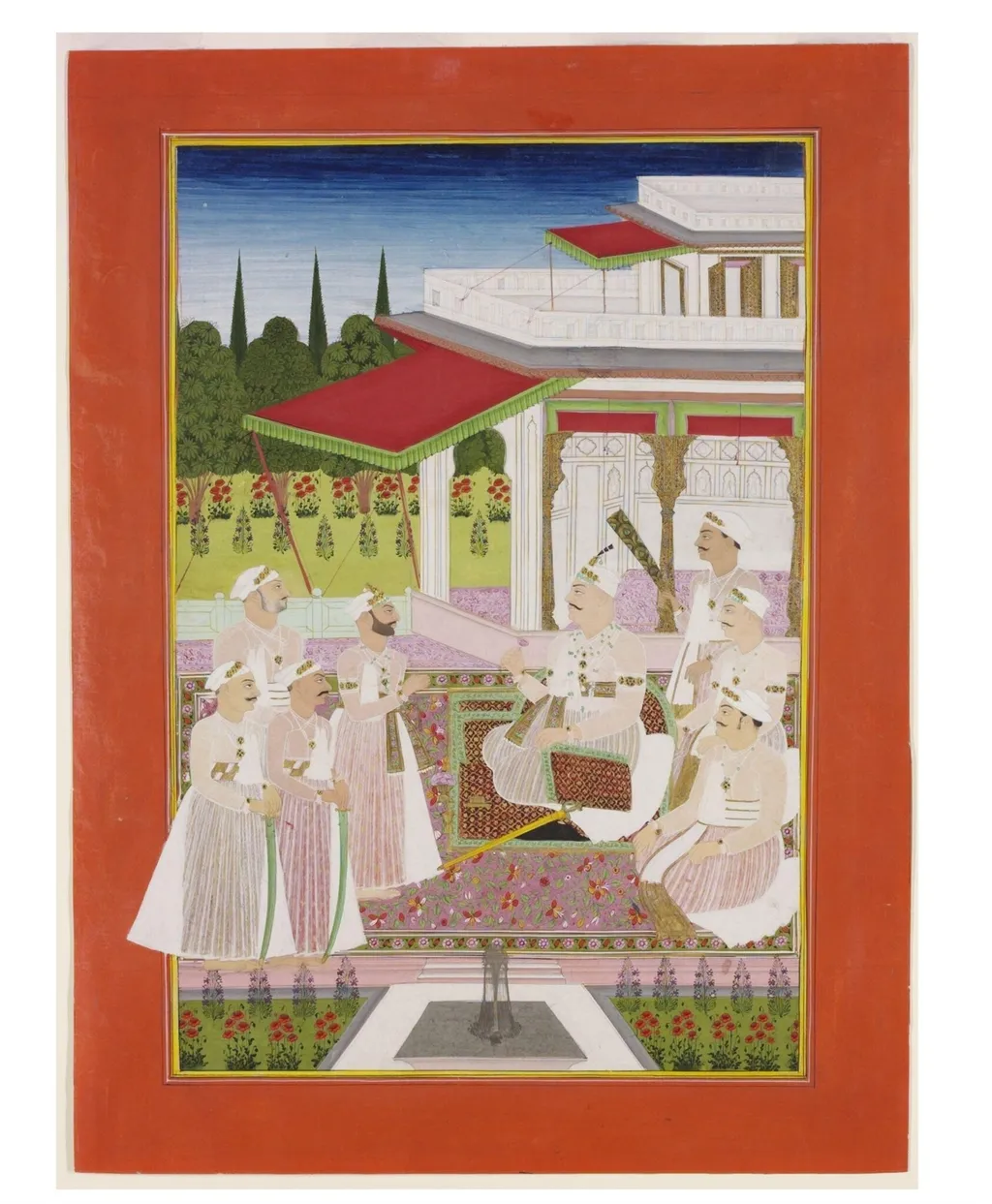
Nawab Sikander Jah is a paint painting by the Patna School of Painting artist Unknown. It dates from 1810 and is held in the collection of the Victoria and Albert Museum.
About this work
Overview
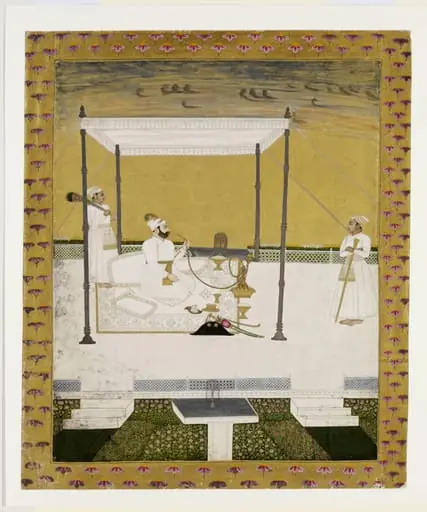
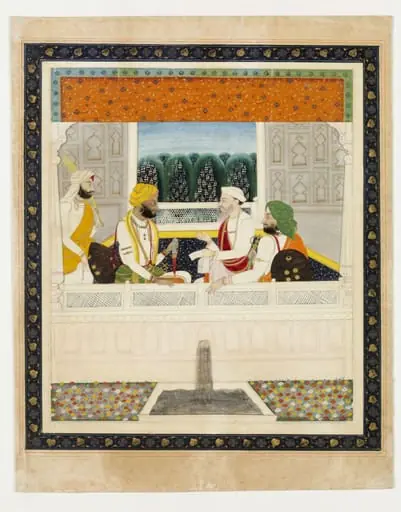
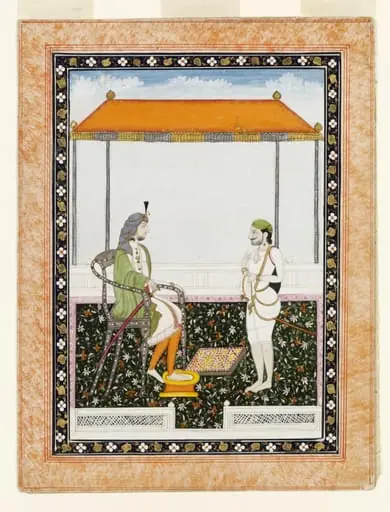
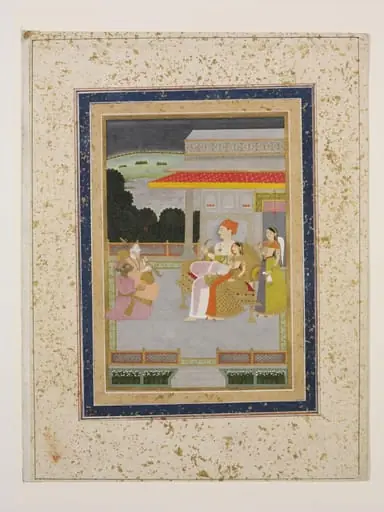
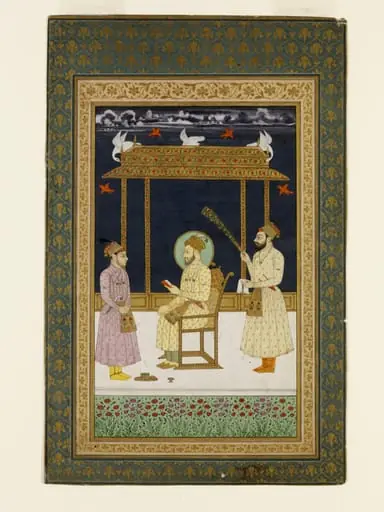
This 1810 painting from Hyderabad depicts Nawab Sikander Jah, ruler of the Deccan from 1803 to 1829, in a formal audience with four ministers. Executed during a period of regional artistic flourishing, the work showcases intricate detail and refined craftsmanship.
Subject & Meaning
The painting captures Nawab Sikander Jah in a solemn, authoritative pose, receiving four ministers. This scene conveys the nawab's power and the administrative continuity of the Asaf Jah dynasty, founded by Nizam al-Mulk after he secured independence from the declining Mughal Empire in the 1720s.
Technique & Style
Characterized by meticulous attention to detail, the painting features elaborate patterns on the nawab's attire and throne. While the visual note mentions sfumato, this technique (associated with European art, notably Leonardo da Vinci) is not evident here; instead, the work exemplifies the precise, ornate traditions of Deccani or Hyderabad school of painting.
History & Provenance
Created circa 1810 in Hyderabad, the painting is linked to the Asaf Jah dynasty's artistic legacy. Direct provenance details are not provided, but its creation coincides with Nawab Sikander Jah's rule, suggesting a possible commission for the royal court.
Context
Emerging from the dissolution of Mughal authority, this painting represents the distinct artistic identity of the Deccan region under the Asaf Jah rulers. It reflects the political and cultural autonomy achieved by the dynasty following Nizam al-Mulk's establishment of independent rule in the Deccan.
Artist & collection

 Domestic Scene
 Giacomo and Cardinal Marco, investing Andrea, Abbot of San Zeno, with his Benefice
 The Nymph of Fontainebleau
 Portrait of a Woman
 Madonna and Child with Saints in the Enclosed Garden
 Venus and Minerva
 Family Group of Four on Sofa
 Wall painting from Room H of the Villa of P. Fannius Synistor at Boscoreale